How To Get Rid Of Helium Tanks

So, you’ve had your fun! Those whimsical floating balloons that brought smiles to parties, graduations, and maybe even a few surprise proposals are now deflated. And lurking in a corner, you’ve got that big, clunky helium tank. It’s served its purpose, but now it’s just taking up valuable real estate. Fear not, fellow celebrators! Getting rid of your helium tank is actually a pretty straightforward process, and with a little know-how, you can reclaim that space and do it responsibly. It’s less about the science of levitation and more about the practicalities of post-party cleanup!
Let’s talk about why having a helium tank is such a blast in the first place. Helium is the magical gas that gives balloons their signature buoyancy. It’s lighter than air, allowing those colorful spheres to dance towards the ceiling, creating a festive atmosphere that’s hard to beat. Imagine a birthday party without a constellation of balloons! Or a wedding reception where the décor is firmly grounded. Helium tanks, whether the small disposable ones for a few balloons or the larger, refillable cylinders, are the key to unlocking that aerial joy. They’re a popular choice because they’re relatively safe and easy to use, and the instant visual impact of helium-filled balloons is undeniable. They transform ordinary spaces into something extraordinary, making special occasions feel even more memorable.
The Big Question: How Do I Say Goodbye to My Helium Tank?
Now, to the main event! You’ve popped the last balloon, the confetti has been swept, and the helium tank is whispering its last, almost inaudible hiss. What do you do with it? The most important thing to remember is that helium tanks are generally considered recyclable or returnable, not regular trash. Tossing them in your curbside bin is usually a no-go. They are pressurized vessels, and for safety reasons, they need to be handled with care. Different types of tanks and different locations will have slightly different protocols, but the general idea is to give them a second life or dispose of them through specialized channels.
Must Read
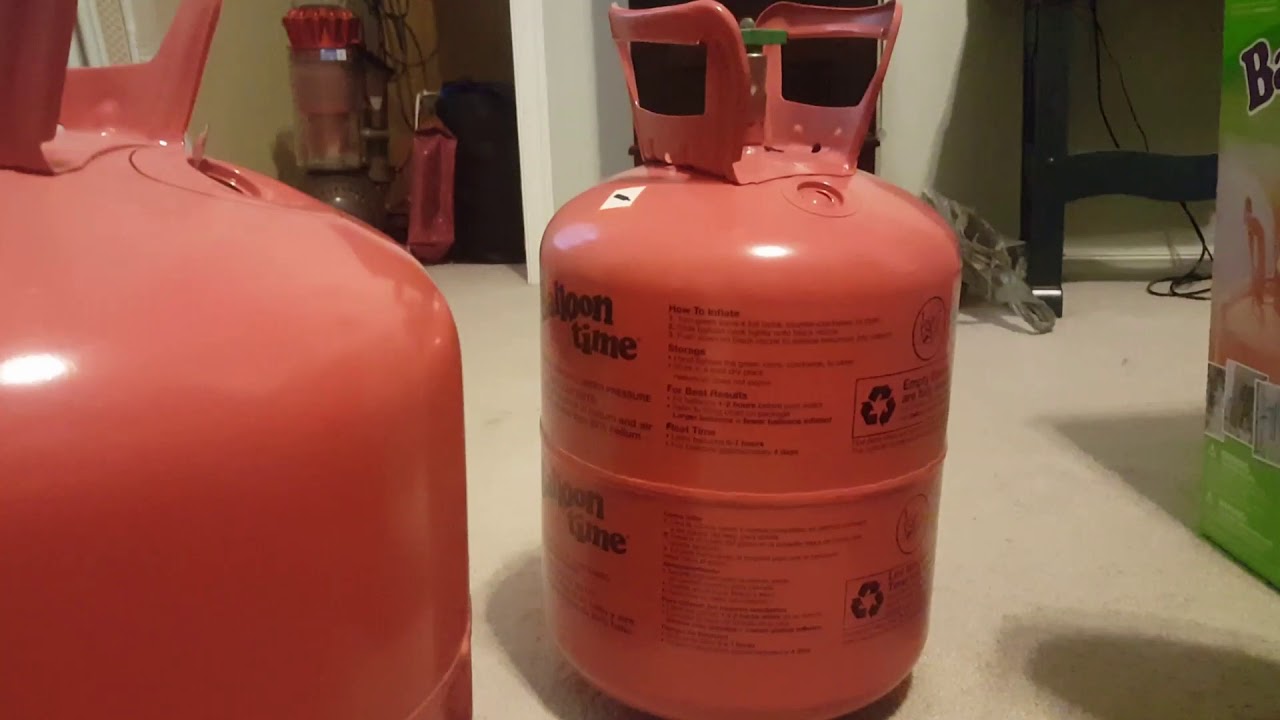
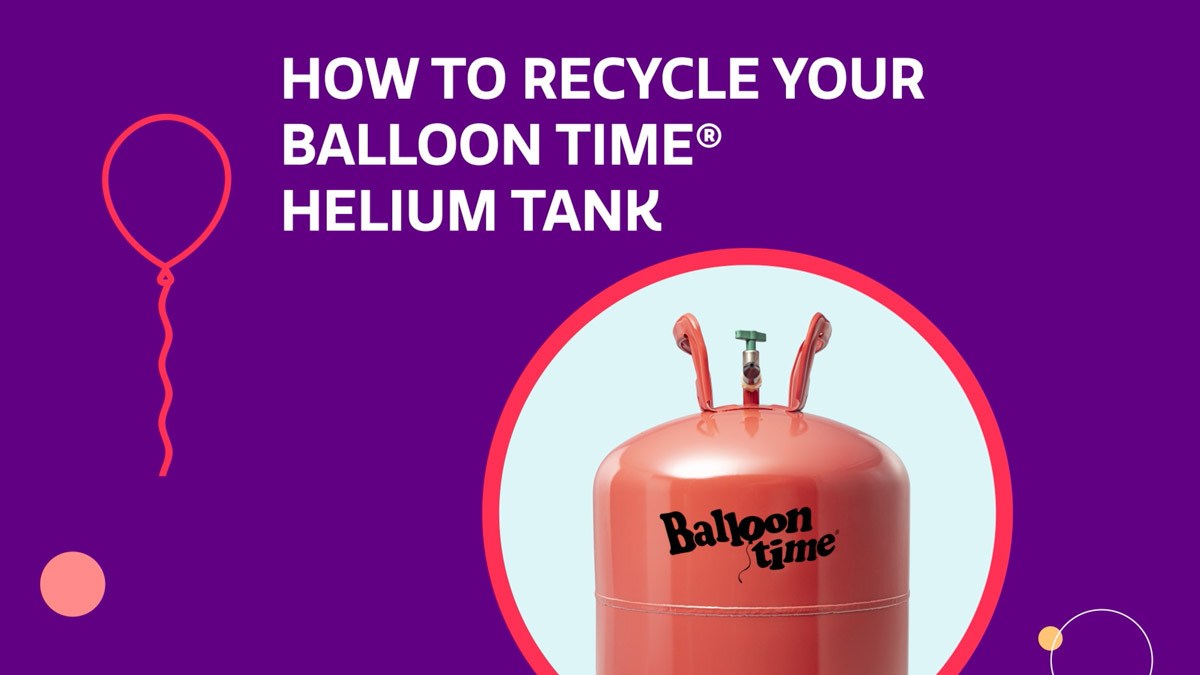
Let’s break down the common scenarios. If you purchased a disposable helium tank (often made of steel and meant for a single use or a limited number of refills), the best route is usually through recycling. Many municipalities have specific drop-off locations for metal recycling that accept these tanks. You might find that your local scrapyard or recycling center is happy to take them. Before you haul it over, it’s always a good idea to give them a quick call to confirm. They might have specific instructions on how to prepare the tank, such as ensuring it’s completely empty. Remember, these tanks are made of sturdy steel, which is highly recyclable, so giving them a new purpose is a win for the environment!
If you’ve rented or purchased a refillable helium tank, the process is even simpler and often more cost-effective in the long run. These tanks are usually leased from a gas supplier. In this case, the supplier will expect the tank back! All you need to do is contact the company you rented it from. They will typically arrange for pick-up at your convenience, or they might have a designated drop-off point. This is the most common method for larger celebrations where you need a significant amount of helium. The benefit here is that you don’t have to worry about the disposal aspect at all; the responsibility lies with the supplier who will then inspect, refill, and reuse the tank, making it a wonderfully sustainable cycle.
Pro Tip: Always ensure your helium tank is completely empty before attempting to return or recycle it. This is crucial for safety and can prevent potential issues at recycling facilities or with gas suppliers.
What if you’re not sure if your tank is disposable or refillable? Take a look at the tank itself. Refillable tanks are typically larger, heavier, and have more prominent valve systems. They often have labels indicating the manufacturer or rental company. Disposable tanks are usually smaller, lighter, and might have a simpler nozzle. If in doubt, the safest bet is to err on the side of caution and contact a local recycling center or a gas supplier in your area. They can guide you based on the specifics of your tank.
Another avenue to explore is your local waste management service. While they might not accept tanks in regular trash pickup, they often have special collection events for bulky items or hazardous waste where pressurized containers might be accepted. Checking your local government’s website for waste and recycling information is a fantastic starting point. You might be surprised at the resources available to you.
Finally, let’s not forget the option of selling or giving away your tank, especially if it’s still partially full and in good condition. If you know someone planning a party soon, or if there’s a local community board or online marketplace where people exchange party supplies, you might be able to pass it on. This is a fantastic way to reduce waste and help someone else create their own memorable moments. Imagine the joy of someone else getting to use your tank for their next big event!
So there you have it! From the giddy heights of floating balloons to the practicalities of tank management, it’s all part of the celebration lifecycle. By understanding the options – recycling, returning, or even rehoming – you can confidently and responsibly clear out that space, knowing you’ve handled your helium tank with the same flair you brought to your event. Happy de-inflating and happy de-cluttering!

![How To Recycle Helium Tank [5 Simple Steps To Recycle]](https://www.greenbagpickup.com/wp-content/uploads/2024/04/reuse-tank.jpg)