
How To Get Rid Of Grass Clover
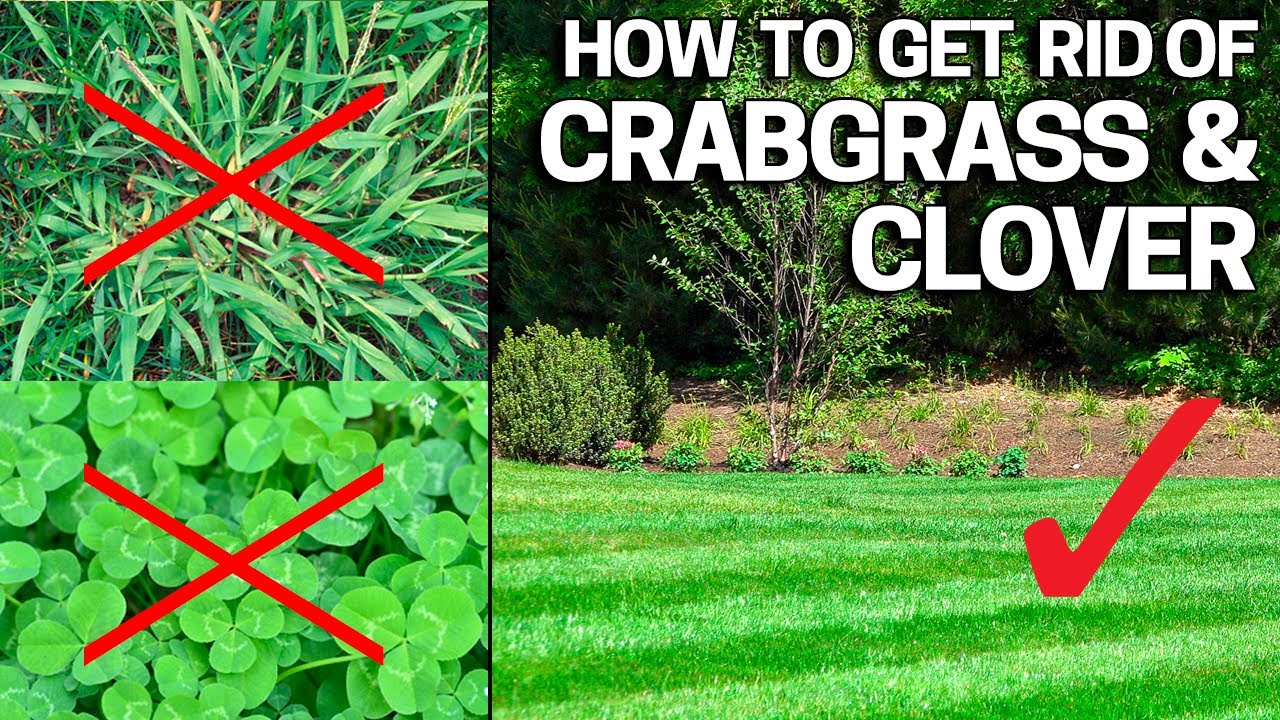
Hey there, lawn-loving friend! So, you've got yourself a little… invasion, haven't you? That's right, I'm talking about the tiny, three-leafed troublemaker that's probably hijacking your otherwise perfect turf. We all know it, we all secretly tolerate it sometimes because, well, it's green, right? But when it starts to take over, becoming the star of your lawn show instead of just a bit player, it's time for a friendly intervention. You know, the kind that involves a bit of elbow grease and maybe a spritz of something. Because let's be honest, a sea of green is nice, but a sea of green with unexpected white flower explosions? Not so much. Unless you're planning a tiny fairy garden, of course. Then carry on!
So, how do we banish this… clover carpet… from our lives? It's not a lost cause, I promise! We’re going to tackle this like seasoned pros, or at least like people who’ve Googled "get rid of clover" at 2 AM. No judgment here. We’ve all been there, staring out the window, pondering the existential dread of… lawn weeds. Deep breaths. We've got this. Think of it as a friendly turf war. And our side? The side that wants a uniformly green, beautifully manicured paradise. Or at least a lawn that doesn’t look like it’s auditioning for a bee convention.
The "Why" Behind the Clover Calamity
Before we unleash our lawn arsenal, let's have a quick chat about why clover is even showing up in the first place. It's not like it just packed its bags and moved in for the drama. Nope. Clover is actually a bit of a sign. A not-so-subtle hint from your lawn that things aren't quite as they should be. Kind of like when your car starts making a funny noise and you know it's time for a visit to the mechanic. Except, you know, less expensive and with more grass.
Must Read
The biggie here is nitrogen. Clover, bless its little green heart, is a nitrogen-fixer. That means it can pull nitrogen from the air and put it into the soil. Pretty neat, right? Except, your grass plants also need nitrogen. And if the soil is a little… depleted… in the nitrogen department, clover sees an opportunity. It's like the ultimate potluck guest who brings their own food, except they end up hogging all the good seats. So, if you’ve got a lot of clover, your lawn might be telling you it’s a bit hungry for the good stuff. Poor thing.
Another reason? Soil compaction. If your lawn gets walked on a lot, or if you have heavy machinery cruising around, the soil can get all squished together. This makes it harder for grass roots to spread and get what they need. Clover, on the other hand, is pretty adaptable. It likes being able to send its roots down into less-than-ideal soil. So, a compact lawn is practically an open invitation for clover to set up shop. It’s like building a luxury condo on a perfectly good patch of land. The grass just can't compete with that kind of real estate grab.
And then there's mowing height. Are you scalping your lawn? Like, taking off way too much? If you're mowing too short, you're stressing out the grass. This makes it weaker, and weaker grass is prime real estate for… you guessed it. Clover. It’s the lawn equivalent of showing up to a fight with no shoes on. Not ideal. So, maybe it’s time to give your mower a little pep talk about giving the grass some breathing room.
Operation: Clover Eviction (The Gentle Approach First!)
Alright, enough with the diagnosis. Let’s get to the good stuff. How do we actually get rid of this leafy interloper? We’re going to start with the friendlier methods. Think of it as a polite request for clover to leave. If that doesn't work, well, we can escalate. But for now, let's try to keep things civil, shall we?
1. The "Feed Your Grass" Strategy
Remember that nitrogen thing? This is where we fight back! A healthy, well-fed lawn is a lawn that can outcompete clover. So, grab yourself some good quality lawn fertilizer. Look for one that’s got a decent amount of nitrogen in it. Your grass will thank you, and the clover will start to feel a little… uninvited. It's like throwing a really awesome party that only your grass is invited to, and the clover is left standing outside, looking in.

When you fertilize, make sure you follow the instructions on the bag. Don't go overboard, or you'll end up with a super-powered, potentially burnt lawn. That’s a whole other problem for another day. The goal here is to give your grass a little boost, a little extra oomph, to help it grow thicker and stronger. A thicker lawn means less space for clover to creep in. It’s all about creating a competitive environment. Like a lawn-based survival of the fittest, but with less roaring and more… greenness.
Timing is key here, too. Generally, the best times to fertilize are in the spring and fall, when your grass is actively growing. This gives it the best chance to absorb those nutrients and really put on a show. So, plan your fertilizing schedule, and let the good times (and good grass) roll!
2. The "Mow High, Mow Happy" Method
Let’s talk about mowing height again. Seriously, this is a big one. If you’re mowing your grass super short, you’re basically giving clover a sunbath and a free pass. Grass thrives when it’s a little longer. It creates shade, which the clover doesn't like. Plus, longer grass has deeper roots, making it more resilient and better able to absorb water and nutrients. It’s like giving your grass a nice, long winter coat. Cozy and protective!
So, what’s the magic number? For most cool-season grasses, aiming for around 2.5 to 3.5 inches is a good bet. Check what’s best for your specific grass type, but the general idea is: don't scalp it! Letting your grass grow a little longer helps it crowd out those pesky weeds, including our leafy green friend, clover. Think of it as a natural form of weed control. Your lawn doing the hard work for you. How efficient!
And while we’re on the topic of mowing, make sure your mower blades are sharp. Dull blades tear the grass, which, you guessed it, stresses it out. So, get those blades sharpened, mow at the right height, and let your grass do the heavy lifting in the fight against clover. It’s a win-win situation, really. More clover-free lawn, less work for you. Sounds pretty good, right?

3. The "Aeration Adventure"
Remember that soil compaction we talked about? This is where we tackle it head-on. Aeration is basically poking a bunch of holes in your lawn. I know, it sounds a little… aggressive. But trust me, it’s a good kind of aggressive. It’s like giving your lawn a much-needed massage, releasing all that pent-up tension in the soil.
When you aerate, you’re creating little pathways for air, water, and nutrients to reach the grass roots. This helps your grass grow stronger and healthier, making it more resistant to weeds. Clover also has a harder time establishing itself in well-aerated soil. It’s like trying to build a sandcastle on a bouncy castle – not very stable! So, grab a garden fork or rent a core aerator, and get to work. Your lawn will breathe a sigh of relief, and the clover will start to feel a little… uncomfortable.
The best time to aerate is usually in the fall or spring, when your grass is actively growing. This allows it to recover quickly and take advantage of the improved soil conditions. After aerating, you can even spread some compost or a thin layer of topsoil. This will further enrich the soil and help your grass thrive. It’s like giving your lawn a spa day and a gourmet meal all at once. Pampered and ready to conquer!
4. The "Overseeding Oasis"
Once you’ve aerated and fertilized, your lawn is basically a blank canvas, ready for a makeover. This is where overseeding comes in. It’s like adding a fresh coat of paint, but with grass seeds! You’re essentially filling in any bare spots and thickening up your existing lawn with new, healthy grass seedlings.
Choose a high-quality grass seed that’s suited to your climate and existing lawn type. Spread the seed evenly over your lawn, and then lightly rake it in. The key is to make sure the seeds have good contact with the soil. Keep the area moist, and you’ll start to see new grass popping up in no time. This new growth will help to crowd out any remaining clover and create a denser, more uniform lawn.
Overseeding is especially effective after aeration because the holes created by the aerator provide a perfect little bed for the new seeds to germinate. It’s like planting tiny little grass babies in cozy little nurseries. And these babies will grow up to be strong, healthy grass plants that are much more competitive than clover. So, embrace the overseeding! It’s a game-changer.

When the Gentle Approach Isn't Enough (It's Okay to Bring Out the Big Guns!)
So, you've tried the feeding, the mowing, the aerating, the overseeding… and you’re still seeing those cheeky little white flowers? Don't despair! Sometimes, clover is just a bit more stubborn than we’d like. When that happens, it's time to consider a more direct approach. We’re talking herbicides. I know, I know. Some people aren’t fans. But sometimes, for a truly clover-free lawn, they’re the most effective tool in our arsenal. Think of it as a targeted strike, not a blanket bombing.
5. The "Selective Herbicide Squad"
The good news here is that you don’t have to kill your entire lawn to get rid of clover. There are specific herbicides designed to target broadleaf weeds, which clover falls under. These guys are like ninjas – they go for the bad guys (clover) and leave the good guys (your grass) mostly unharmed. Pretty neat, huh?
When you’re choosing a herbicide, look for one that lists clover as a target weed. Read the label carefully. Like, really carefully. This is not the time for skimming. Follow the instructions for application rates, mixing, and safety precautions. You don't want to end up with a lawn that looks like a science experiment gone wrong. We're aiming for a healthy lawn, not a biohazard zone.
Some common active ingredients to look for in selective herbicides include 2,4-D, MCPP, and Dicamba. These are often found in products that are specifically designed for broadleaf weed control in lawns. Again, read those labels! You might need to apply it more than once, especially if you have a significant clover problem. Patience, grass warrior!
And remember, the best time to apply these herbicides is when the clover is actively growing and the weather is mild. Avoid applying them when it's too hot, too windy, or when rain is expected. You want the herbicide to have time to work without being washed away or causing damage to your grass. Think of it as timing your attack for maximum effectiveness. Like a well-choreographed lawn battle!
6. The "Manual Labor is Still an Option"
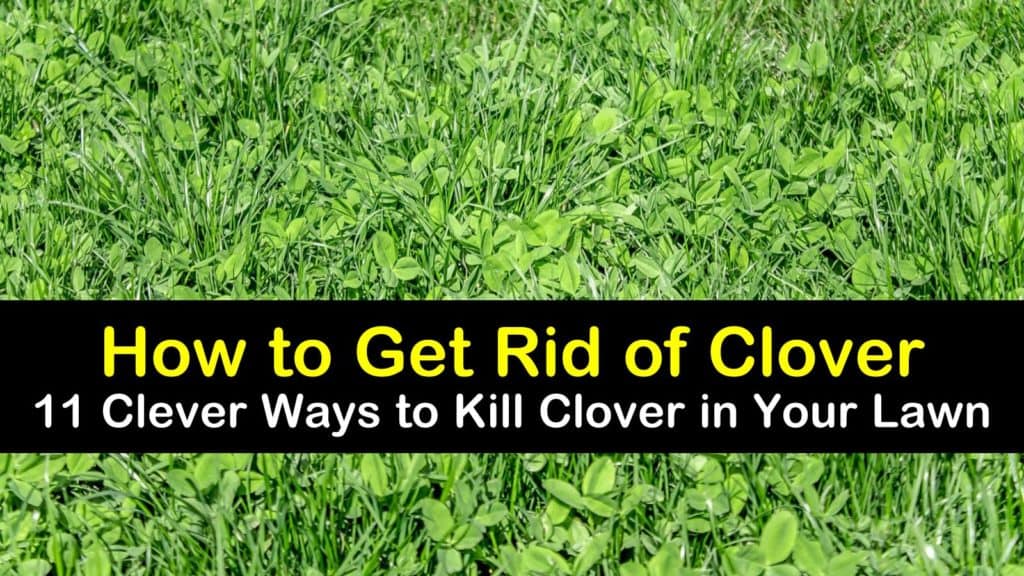
Okay, so herbicides aren't your jam. I get it. Or maybe you’ve got a tiny patch of clover that’s being particularly obnoxious. In that case, there’s always the old-fashioned method: good old-fashioned pulling. Yes, it takes effort. Yes, it might make your back ache a little. But for small infestations, it can be surprisingly effective. Plus, you get to feel like a total superhero when you’re done!
The trick to effective hand-pulling is to do it when the soil is moist. This makes it easier to get the whole root system out. If you just pull off the leaves, the plant will likely regrow. So, after a good rain or a watering session, grab some gloves and get to work. Tug gently but firmly, and try to get as much of the root as possible. Think of it as a treasure hunt for clover roots!
You can also use a garden trowel or a specialized weeding tool to help loosen the soil around the base of the plant. This makes it easier to extract the entire root system. It might seem tedious, but if you’re consistent, you can definitely make a dent in your clover population. Plus, it's a great way to get some exercise and de-stress. Just imagine all that pent-up frustration being channeled into yanking out those clover plants. Cathartic, right?
The Long Game: Keeping Clover at Bay
So, you've vanquished the clover (for now!). But the war isn't over, my friend. Clover is a persistent little beast. To keep it from staging a comeback, you need to maintain a healthy, strong lawn. It's all about prevention, really. Think of it like a healthy diet and regular exercise for your lawn. It’s less about a quick fix and more about a lifestyle change for your turf.
Continue to fertilize regularly, mow at the correct height, and aerate when needed. This will keep your grass healthy and dense, making it a less inviting environment for clover. Pay attention to your soil’s pH. If it’s too acidic, clover will love it. A simple soil test can tell you what your lawn needs. You might need to add lime to raise the pH. It’s like giving your lawn a balanced diet. Who knew gardening could be so complex, right?
And finally, be patient! Lawn care is a marathon, not a sprint. It takes time and consistent effort to achieve and maintain a beautiful, healthy lawn. But with a little dedication, you can definitely win the battle against clover and enjoy a perfectly green, weed-free oasis. Now go forth and conquer your lawn, my friend! Your perfectly green, clover-free kingdom awaits. And maybe, just maybe, you’ll even attract a few less bees. Unless, of course, you’re secretly a beekeeper. Then you can ignore everything I just said about the bees.

