How To Get Rid Of Grain Moths
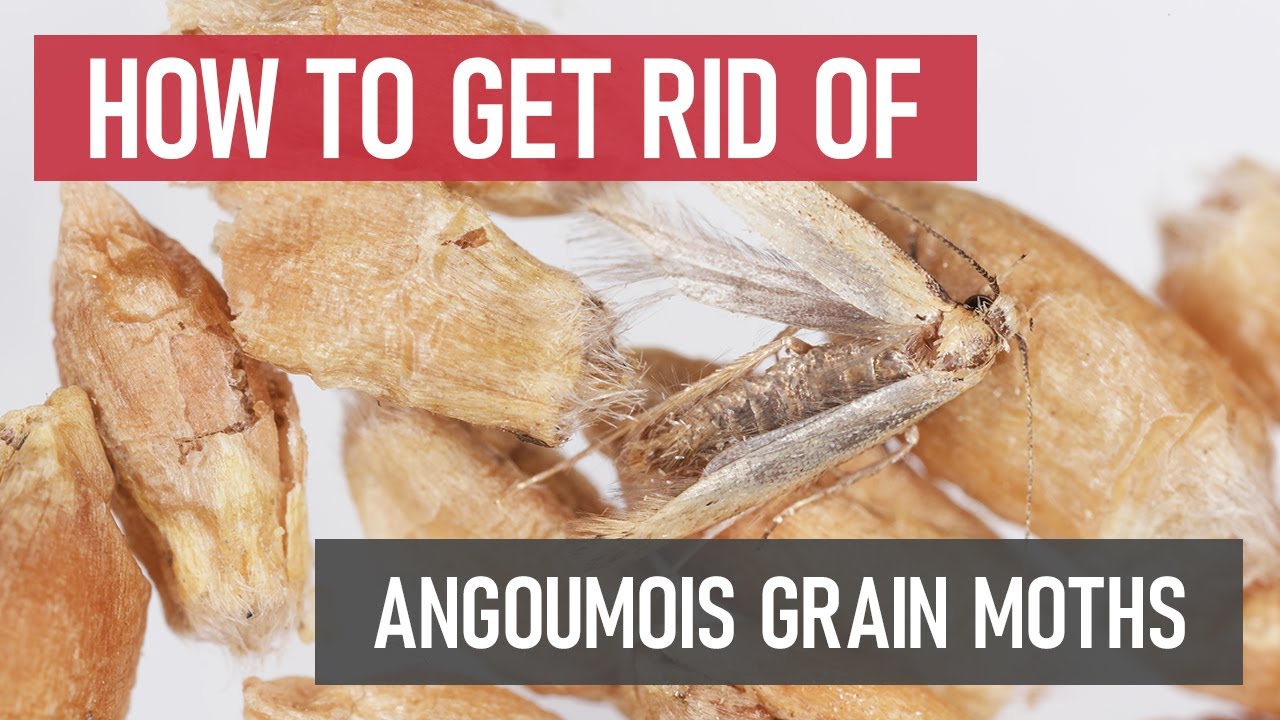
Hey there, fellow kitchen explorers and pantry dwellers! Ever opened your favorite bag of flour, only to find tiny, fluttery things doing a disco inside? Yeah, it’s not exactly the party we were hoping for, is it? Those little guys are our unwelcome houseguests, commonly known as grain moths, or sometimes more dramatically, pantry moths. But don't you worry your pretty little head about it! Getting rid of them is totally doable, and frankly, it’ll make your kitchen a much happier, cleaner place. Think of it like giving your pantry a much-needed spa day.
Why should we even bother with these tiny invaders? Well, besides the obvious "ick" factor, grain moths can contaminate your food. They’re not exactly picky eaters, and they’ll munch their way through all sorts of dried goods – think grains, pasta, cereal, nuts, dried fruits, even pet food. Imagine finding a little moth friend in your morning oatmeal – not exactly the start to the day we’re aiming for, right? Plus, their larvae, which look like tiny white worms, can also infest your food, turning your delicious ingredients into something…less appealing. So, a little bit of effort now can save you a lot of gross surprises later.
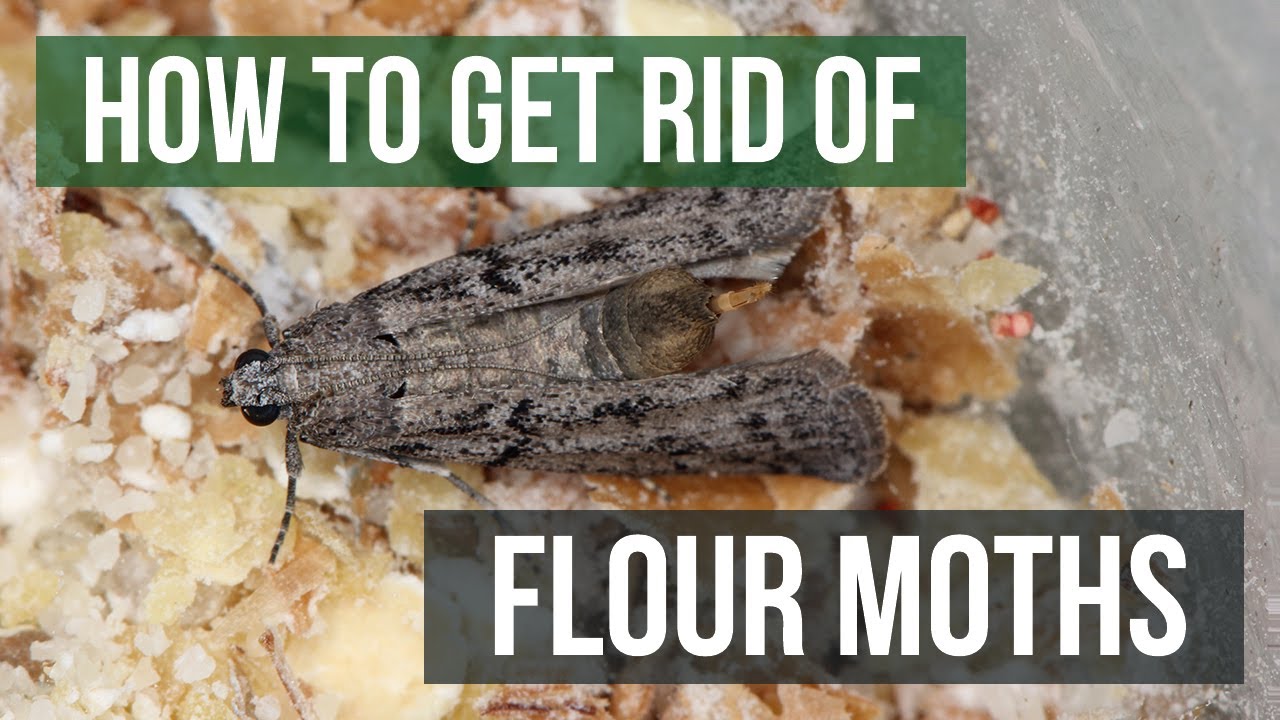
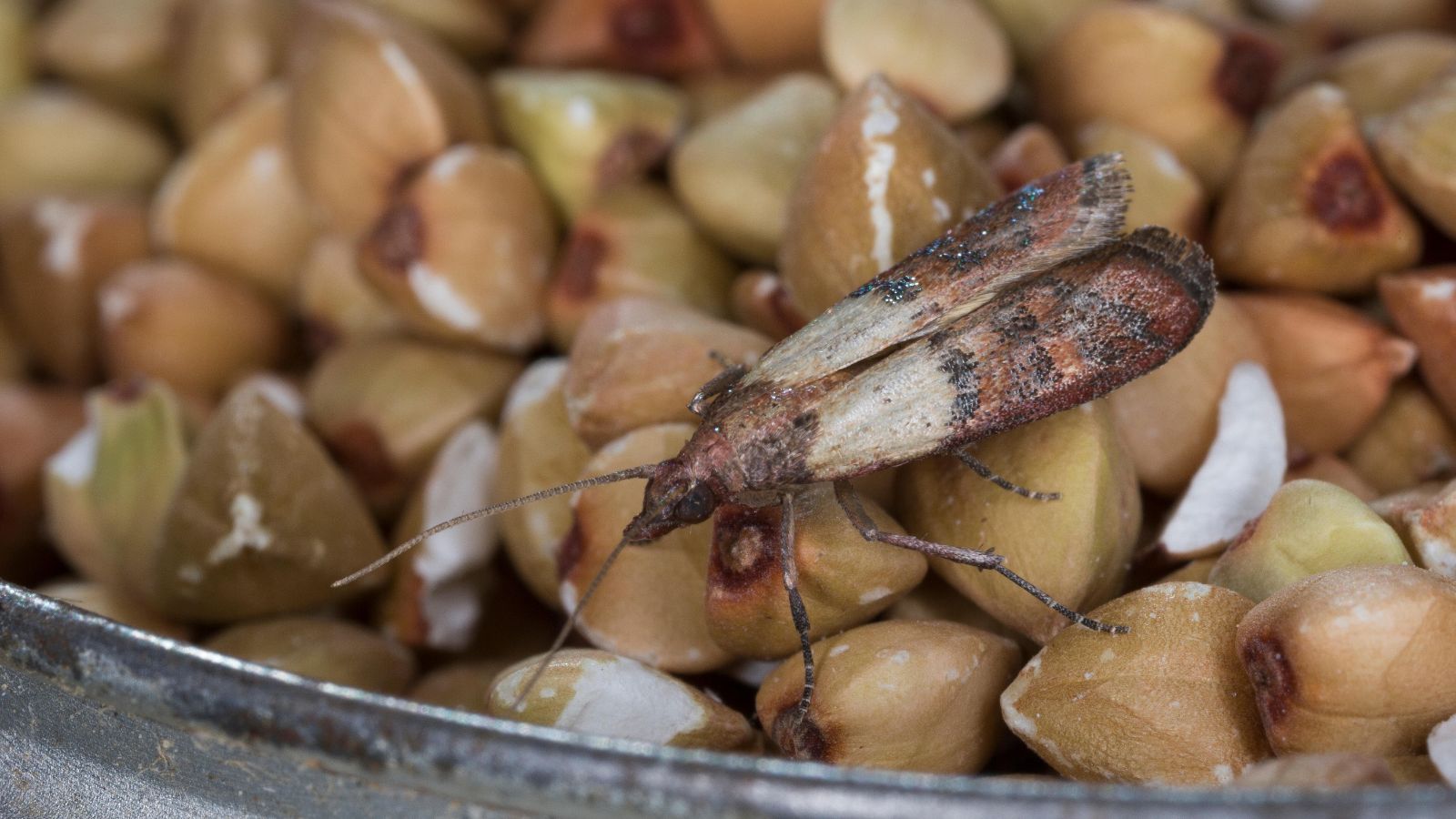
Let’s break down how to banish these little flutterbugs. First things first, we need to be detectives. Yes, channel your inner Sherlock Holmes! The first step is to identify the culprits and find out where they’re hanging out. You’ll often see the adult moths flitting around, especially in the evenings. They’re usually a grayish-brown color and about half an inch long. But the real problem lies with their larvae and eggs, which are hidden away.
Must Read
So, take a deep breath and prepare for a pantry raid. The goal here is to find the source. Open up all those containers, bags, and boxes of dried goods. Look for any signs of infestation: tiny web-like silk strands (they use these to cocoon themselves!), the actual larvae (those little worms I mentioned), or even the moths themselves, especially clinging to the inside of containers or in corners.
Don’t be shy! Empty out your entire pantry. Yes, I know, it sounds like a monumental task, like deciding what to wear on a Monday morning. But trust me, it’s the most effective way to get to the bottom of it. As you empty, inspect everything. Flour, rice, pasta, sugar, oats, crackers, dried beans, even that bag of fancy tea you’ve been meaning to try – they’re all potential hiding spots. If you find anything suspicious, no matter how small the sign, it’s got to go. Yes, even if it’s that expensive bag of almonds you bought last week. Consider it a sacrifice to the pantry gods for a moth-free future.

Where should these infested items go? Directly into a sealed bag and then straight into the outdoor trash. Don't just put them in your kitchen bin; you want to get them as far away from your home as possible. Think of it as an eviction notice, served with a side of extreme prejudice.
Once you’ve cleared out the infected items, it’s time for a good old-fashioned deep clean. This is where you’ll really shine. Grab a vacuum cleaner, and get into all the nooks and crannies. Vacuum the shelves, the walls, the ceiling, the corners, and even the floor of your pantry. This will suck up any stray eggs or larvae that you might have missed. Don’t forget to empty the vacuum cleaner bag or canister outdoors immediately after!
After vacuuming, it’s time for a thorough wipe-down. A solution of warm, soapy water is usually sufficient. You can also use a mixture of white vinegar and water (about 50/50). Vinegar is great because it’s a natural disinfectant and its strong smell can help deter future moth visitors. Get a clean cloth or sponge and wipe down all surfaces. Pay special attention to any sticky residue or crumbs that might be clinging to the shelves. Think of it like giving your pantry a refreshing bath after a long, dusty journey.
Now, for the prevention part, which is arguably the most important! We want to make sure these guys don’t come back for an encore performance. The key to prevention is proper storage. Once you've cleaned everything, invest in some good quality airtight containers. Glass, metal, or sturdy plastic containers with tight-fitting lids are your best friends. Transfer all your opened dried goods into these containers.
Think of these containers as tiny, impenetrable fortresses for your food. No more flimsy cardboard boxes or plastic bags that moths can easily chew through. Even if a moth does manage to sneak into your pantry, it won’t be able to get into your precious food. It’s like putting a security guard on all your delicious ingredients.

What about unopened items? For things like pasta boxes or cereal boxes that are still sealed, you can still be a little cautious. You might want to store them in larger plastic bags or within your airtight containers if you have space. It’s all about creating layers of defense!
Another little trick up our sleeves is using bay leaves. Moths, for some reason, really dislike the smell of bay leaves. You can place a few dried bay leaves on your pantry shelves or even tuck them into your containers of grains and flours. It’s a natural, fragrant deterrent. Who knew your cooking staple could also be a pantry protector? It’s like giving your pantry a subtle, aromatic shield.
If you’re still having trouble, or if you’ve got a particularly persistent infestation, you might consider using pantry moth traps. These are usually sticky traps that contain a pheromone that attracts the male moths. When they land on the trap, they get stuck. This helps to break the breeding cycle by capturing the males before they can mate. Just make sure to place them away from your food sources. It's like setting a gentle, but effective, net for the flying troublemakers.
Remember to check your pantry regularly. Even with the best preventative measures, it's a good idea to do a quick scan every now and then. Take a peek at your stored goods and ensure there are no new unwelcome guests. A little vigilance goes a long way in keeping your pantry pest-free.
So, there you have it! Getting rid of grain moths is less of a battle and more of a well-planned operation. It requires a bit of detective work, a thorough clean, and some smart storage solutions. But the reward is immense: a clean, healthy pantry full of food you can actually enjoy without any tiny, fluttery surprises. Happy cleaning, and may your pantries be forever moth-free!