How To Get Rid Of Garden Soil
So, you’ve been bitten by the gardening bug. Or maybe, you’ve been bitten by the un-gardening bug. Whatever the reason, you’ve found yourself with a surplus of garden soil. It’s that dark, rich stuff, possibly smelling faintly of earthworms and dreams of blooming dahlias. But now it’s just… there. Taking up space. Maybe you’ve downsized your garden, or perhaps your ambitious vegetable patch project didn’t quite pan out as planned. Whatever the scenario, getting rid of excess soil might seem like a chore, but let’s reframe this. Think of it less as ‘disposing’ and more as ‘rehoming’ or ‘repurposing.’ It’s all about finding a new purpose for this valuable, earthy treasure.
We’re not talking about digging up a whole new landscape here. This is about that bag or two of soil you bought for a specific project, or the leftover from a planting spree. The kind that’s currently residing in a corner of your garage, or perhaps making a quiet, dusty statement on your patio. It’s not heavy-duty landscaping; it’s more like a lifestyle declutter, a little bit of an organized purge. And just like clearing out your closet or finally tackling that overflowing inbox, there’s a certain satisfaction to be had. So, let’s dive into the wonderfully earthy world of soil redistribution, with a dash of practicality and a sprinkle of fun.
First things first, let's acknowledge the treasure you have. Garden soil isn’t just dirt. It’s a complex ecosystem, a living entity. Packed with nutrients, beneficial microbes, and the potential to nurture life, it's far more valuable than a pile of discarded clutter. Think of it as organic gold. So, before we even think about where it’s going, let’s appreciate what it is. It’s the foundation of all that green goodness we love, the stuff that fuels everything from a majestic oak to a tiny, cheerful pansy.
Must Read
The "Give It Away" Revolution
The most eco-friendly and, frankly, the most satisfying way to get rid of excess soil is to give it away. This taps into the spirit of community, sustainability, and the general good vibes we all crave. Plus, it saves you the effort of hauling it anywhere.
Your first port of call should be your local gardening community. Think about it: there's always someone starting a new project, a balcony gardener needing a boost for their pots, or a neighbour who’s always admired your green thumb and might be looking to dabble.
Online platforms are your best friend here. Think of Facebook Marketplace, Buy Nothing groups (these are golden for freecycling!), or even neighborhood apps. A simple post like, "Free garden soil! Plenty of good quality stuff for anyone who needs it. Perfect for starting new pots or topping up beds," can work wonders. You might be surprised at how quickly it disappears. People are often actively looking for this kind of resource, especially if they’re on a budget or just starting out.
Local community gardens are also fantastic recipients. They often have communal composting efforts or shared planting areas, and your surplus soil could be a valuable addition. A quick email or phone call to inquire if they have a need can open doors. They might even have a specific drop-off day or a designated spot for donations.
Consider schools with gardening programs. Many educational institutions are keen to incorporate hands-on learning, and a donation of soil could be instrumental in their science or environmental clubs. It’s a win-win: you declutter, and a new generation learns to appreciate the earth.
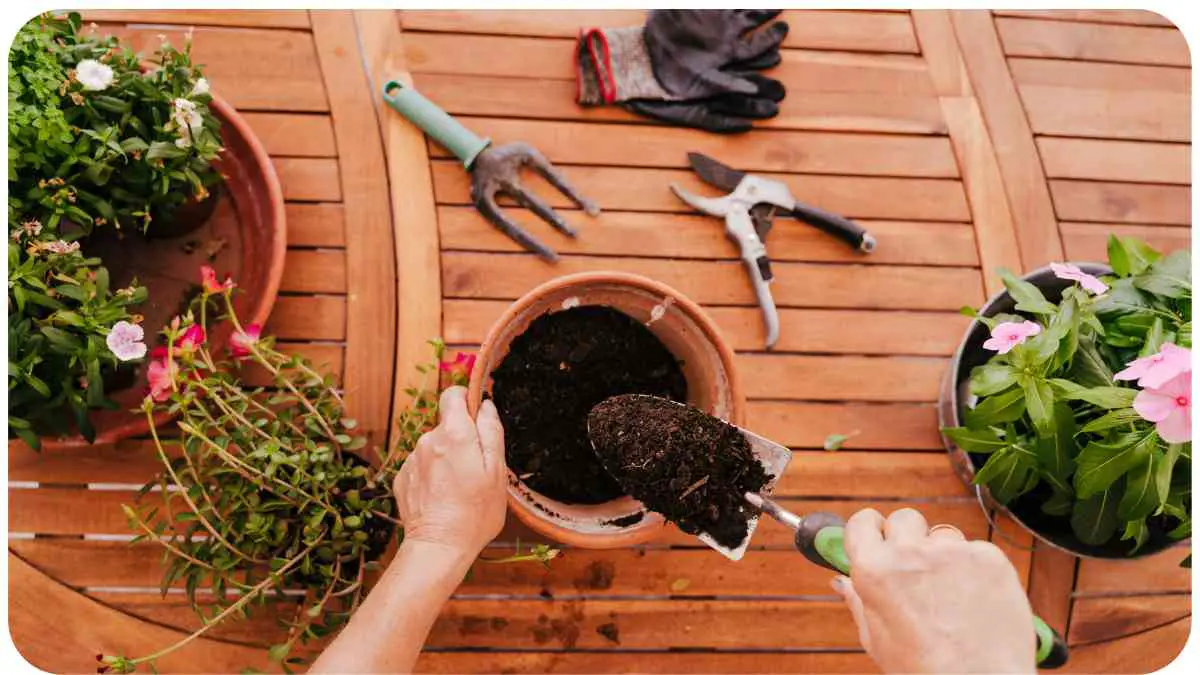
And don’t forget your friends, family, and colleagues who have even a hint of a green thumb. A casual mention during a coffee break or a quick text could lead to a soil-tastic exchange. Sometimes, the simplest solutions are the most overlooked. Imagine the joy on your friend’s face when you present them with a bag of ‘magic dirt’ to kickstart their herb garden. It's a small gesture, but it can be quite impactful.
Pro Tip: When offering soil, be honest about its condition. If it’s been sitting for a while, it might need a bit of aeration or some added compost to perk it up. Mentioning this beforehand sets expectations and ensures a happy recipient. Also, consider how the soil is packaged. If it’s in a heavy-duty bag, ensure it’s sealed well to prevent spills during transport. A little bit of effort in presentation goes a long way.
Repurposing Power: Soil's Second Act
Sometimes, you might want to keep some of that lovely soil, but not in its current form or location. This is where the repurposing magic comes in. Think of it as giving your soil a spa day, a makeover, or a new lease on life.
Compost Booster: Your existing soil can be a fantastic addition to your compost bin. If your compost is looking a bit too wet or sluggish, adding a bit of soil can help balance the moisture and provide beneficial microbes to speed up decomposition. It’s like giving your compost pile a little kickstart. Think of it as adding a dose of earthy probiotics to your organic waste.
Potting Mix Enhancement: If you’re buying new potting mix for container plants, your old garden soil can be a great extender. Mix it in with your store-bought mix, perhaps in a 50/50 ratio. This can save you money and provide a richer, more nutrient-dense base for your plants. Just ensure the soil you're adding isn't compacted or riddled with weeds. A good loosen-up and a quick check for unwelcome guests are key.

Levelling Out Uneven Patches: Got a slight dip in your lawn where water tends to collect? That surplus soil can be a godsend. Use it to gently fill in those low spots, making your lawn more even and preventing waterlogging. This is a practical solution that benefits your entire garden and prevents those pesky puddles.
Mending Bare Spots: If you have any areas in your garden that are looking a bit sparse or have succumbed to the elements, a top-up of good soil can help revitalise them. Gently spread a layer over the bare patches, and consider overseeding with grass or planting some hardy ground cover. It’s a simple fix that can dramatically improve the look of your garden.
Creating Raised Beds: If you’re feeling a bit ambitious and want to create a small raised garden bed, your existing soil is the perfect starting point. Combine it with compost and other amendments, and you’ll have the ideal foundation for growing vegetables, herbs, or flowers. Even a small, manageable raised bed can be incredibly rewarding and reduce bending over.
Fun Fact: Soil is teeming with life! A single teaspoon of healthy soil can contain more microorganisms than there are people on Earth. It’s a miniature universe right beneath our feet, and by repurposing your soil, you’re contributing to this incredible ecosystem.
The Container Garden Revival: If you have pots that are looking a bit tired or just need a refresh, empty them out and mix your surplus soil with some fresh compost. You’ll be ready to plant new seasonal blooms or even start a small indoor herb garden. It’s a cycle of renewal, bringing life back to forgotten corners.

When All Else Fails: The Responsible Disposal Route
While giving away or repurposing is ideal, there might be times when these options aren’t feasible. Perhaps the soil is contaminated, or you’re in a situation where you simply can’t find a taker. In these cases, responsible disposal is the way to go.
Check Local Regulations: This is paramount. Different municipalities have different rules regarding the disposal of soil, especially if it’s treated or contaminated. Your local council or waste management authority website will be your best resource. They’ll tell you if soil can go in your general waste bin (unlikely in large quantities), if there are specific drop-off points, or if you need to arrange for a special collection.
Bulk Waste Collection: Many councils offer bulk waste collection services, and soil can sometimes be included in these. You might need to bag it up or have it contained in a specific way. Again, check the guidelines provided by your local authority. It’s better to be prepared and follow their instructions than to have your carefully bagged soil rejected.
Garden Centres and Nurseries: Some larger garden centres or nurseries might have a disposal service for old soil, especially if you're purchasing new supplies from them. It's worth a call to inquire. They are, after all, in the business of all things horticultural, and might have a system in place.
Landfill (as a last resort): If all other avenues are exhausted and your local regulations permit it, landfill might be the final option. However, this is the least environmentally friendly choice, so it should genuinely be a last resort. Ensure you are complying with all local landfill regulations. Some landfills have specific areas for green waste or inert materials.
What NOT to do: Please, for the love of all things green, do not dump your excess soil into storm drains, rivers, or public spaces. This can cause significant environmental damage, clog waterways, and is often illegal. Let's keep our natural spaces pristine and our infrastructure functioning smoothly.
Cultural Nugget: In many ancient cultures, soil was revered. The Egyptians believed the earth was the body of the god Geb. The Maya, too, had a deep respect for the earth and its fertility. So, while we might be getting rid of a bag of soil, we’re participating in a long, rich human history of interacting with and respecting the ground beneath us.
The Final Flourish: A Mindset Shift
Getting rid of garden soil might seem like a mundane task, but by reframing it, we can find opportunities for connection, sustainability, and even a little bit of fun. It’s about seeing the potential in what we have, even when it’s just sitting there, looking a bit… passive.
Think about your day. We’re constantly decluttering, rehoming, and repurposing in our lives. We clear out old clothes, donate books, and even declutter our digital lives. Applying that same mindful approach to our gardening excess is just an extension of that. It’s about being intentional with our resources, whether they’re physical objects or precious, earthy soil.
The act of giving away soil connects you to your neighbours and your community. Repurposing it is an act of resourcefulness and creativity. And even responsible disposal is about acknowledging our impact and doing our best within the given circumstances. It’s a small piece of living a more conscious, more connected, and frankly, a more satisfying life. So next time you’re faced with a surplus of soil, don’t see it as a burden. See it as an opportunity to nurture, to share, and to keep the cycle of life flowing, one handful of earth at a time. It’s a gentle reminder that even the simplest of tasks can have a profound ripple effect, both in our gardens and in our lives.