
How To Get Rid Of Blocked Pores
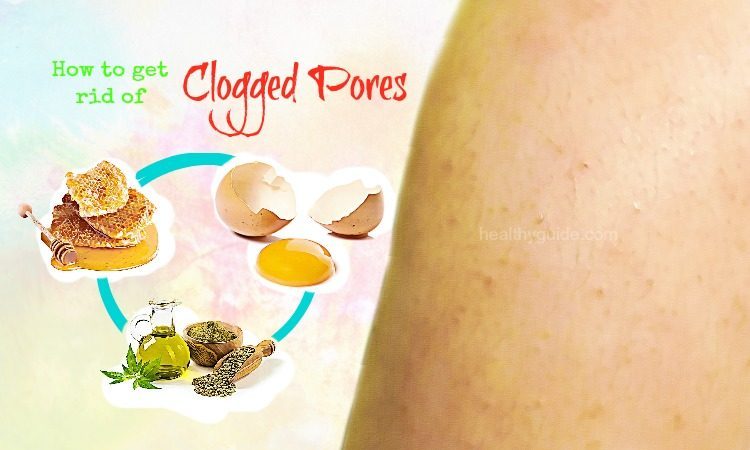
Hey there, skincare warriors and fellow humans navigating the wonderful world of… well, skin! Let’s have a little chat about something that pops up for most of us at some point: those pesky, sometimes rather stubborn, blocked pores. You know the ones. They’re like tiny unwelcome guests who decide to hang out on your face, sometimes making things look a bit rough, bumpy, or just generally not as smooth as you’d like.
Think of your pores like little doorways on your skin. Normally, they’re busy doing their job, letting out sweat and oil to keep things perfectly hydrated and happy. But sometimes, life gets a bit messy. Things like dead skin cells, excess oil (we call it sebum, fancy, right?), and even a bit of environmental gunk can decide to have a party inside these little doorways, effectively blocking them up. It’s not a reflection on you; it's just a thing that happens!
Why should we even care about these little blockages? Well, beyond the obvious aesthetic bits (and there's nothing wrong with wanting your skin to feel and look its best!), blocked pores can lead to a whole cascade of not-so-fun skin situations. We’re talking about those little bumps that aren’t quite pimples, maybe some blackheads that look like tiny specks of dirt that won't wash off, or even contributing to bigger breakouts. It’s like a clogged drain in your kitchen sink – eventually, things just aren't flowing as they should!
Must Read
So, if you're nodding along, feeling a kinship with your own slightly-less-than-perfectly-clear complexion, you're definitely not alone. Let's dive into some easy-going ways to gently encourage those blocked pores to pack their bags and head on out.
Cleansing: Your Daily Doorway Patrol
Our first line of defense, and arguably the most important, is a good old-fashioned cleanse. This isn't about scrubbing your face until it's raw like you're trying to get a stubborn stain out of a t-shirt. It's about gentle persuasion.
Imagine your skin is a busy street. Every day, cars (dirt, oil, makeup) drive along. Cleansing is like the street sweeping crew. You want them to be efficient but not destructive. Washing your face twice a day – once in the morning to remove any overnight build-up and again at night to clear away the day’s adventures – is key.
What kind of cleanser? If you've got oily or combination skin, a gentle foaming cleanser can be a lifesaver. For drier or more sensitive types, a creamy or oil-based cleanser might feel like a soothing hug for your skin. The goal is to lift away the excess without stripping your skin of its natural, protective oils. Over-stripping is like taking away all the guard dogs at a party – suddenly, all sorts of unwanted guests (irritation, more oil production) feel invited!

And a little tip: use lukewarm water. Water that’s too hot can feel nice, like a mini spa moment, but it can also dry out your skin and, you guessed it, encourage it to produce more oil to compensate. Brrr, chilly water can also shock your skin, so lukewarm is the sweet spot!
Exfoliation: The Gentle Decluttering Crew
This is where we get a little more hands-on with the decluttering. Exfoliation is basically helping to sweep away those dead skin cells that are getting cozy in your pores. Think of it like giving your skin a gentle polish.
There are two main types of exfoliants: physical and chemical.
Physical exfoliants are your scrubs. These have little particles that buff away dead skin. But here’s the trick: you need to be gentle. If you’re using a scrub with chunky, jagged bits (like crushed nuts or harsh salts – ouch!), you’re probably doing more harm than good. Look for finer granules, like jojoba beads, or use a soft washcloth. It’s like using a soft duster on a delicate antique versus a stiff broom on concrete. You want to polish, not scratch!
Chemical exfoliants sound a bit scary, but they’re usually super effective and can be very gentle when used correctly. These work by dissolving the "glue" that holds dead skin cells together. Common ingredients include AHAs (Alpha Hydroxy Acids, like glycolic and lactic acid) and BHAs (Beta Hydroxy Acids, like salicylic acid).

Salicylic acid is a bit of a superstar for blocked pores because it's oil-soluble, meaning it can actually get into the pore and break down that oily blockage. It’s like a tiny, targeted cleaner that goes right to the source of the problem. You’ll find it in cleansers, toners, and spot treatments.
How often should you exfoliate? This is where you need to listen to your skin. For most people, 1-3 times a week is a good starting point. If your skin feels sensitive or irritated, dial it back. Over-exfoliating is a common mistake, and it can lead to redness, dryness, and even more breakouts. It's a marathon, not a sprint!
Masking: The Deep Clean Treatment
Clay masks are your best friend when it comes to tackling blocked pores. They’re like little sponges that help to draw out excess oil and impurities from deep within your pores.
Think of your pores as little buckets. Sometimes they get filled with gunk. A clay mask is like dipping that bucket into a specially designed absorbent material that pulls out the unwanted stuff. Bentonite clay and kaolin clay are popular choices.
When you apply a clay mask, you’ll feel it tighten as it dries. This is a good sign it’s working its magic! Just don’t let it dry out completely to the point where your skin feels like it’s cracking. Rinse it off when it’s still slightly tacky. A good rule of thumb is 1-2 times a week, depending on how oily your skin tends to get.
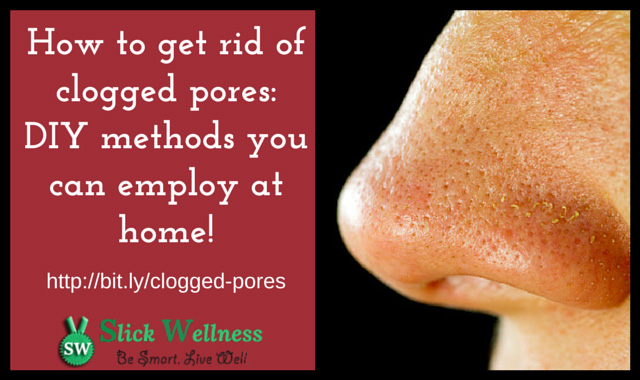
Other masks can also be beneficial. Masks with ingredients like charcoal can also help to draw out impurities. Some hydrating masks can also help to keep your skin balanced, which can indirectly help prevent future blockages.
Hydration: The Balancing Act
This might sound counterintuitive, but proper hydration is crucial for preventing blocked pores. When your skin is dehydrated, it can actually go into overdrive producing more oil to compensate. This is like trying to water a wilting plant by drenching the soil – it doesn’t necessarily help the plant itself and can create other issues.
So, what does proper hydration look like? It means drinking plenty of water throughout the day (your skin will thank you from the inside out!). It also means using a good moisturizer. Even if you have oily skin, you still need to moisturize. The trick is to choose an oil-free, non-comedogenic (meaning it won’t clog pores) moisturizer. Lightweight gels or lotions are often perfect for oily and combination skin types.
Applying moisturizer to slightly damp skin can also help it absorb better, giving you that plump, happy look. It’s like misting your skin before applying a serum – it helps everything glide and soak in beautifully.
Lifestyle Factors: The Bigger Picture
While skincare products are fantastic tools, our overall lifestyle plays a huge role too. Think of it as the overall health of your environment, not just the individual cleaning tools.

Diet: While not everyone reacts the same way, some people find that certain foods can contribute to skin issues. High-glycemic foods (think sugary snacks and refined carbs) and excessive dairy can sometimes be triggers. Keeping a food diary might help you identify any personal connections. Focusing on a balanced diet rich in fruits, vegetables, and healthy fats is generally beneficial for your skin and your whole body!
Stress: Ugh, stress. It’s a real skin villain. When we’re stressed, our bodies can produce more cortisol, which can, in turn, lead to increased oil production. Finding ways to manage stress – whether it’s through exercise, meditation, hobbies, or just taking a few deep breaths – can have a surprisingly positive impact on your skin.
Sleep: This is when your skin does a lot of its repair and regeneration. Aiming for 7-9 hours of quality sleep a night is like giving your skin a mini spa treatment while you dream. And try to change your pillowcases regularly – they can be little incubators for oil and bacteria!
Touching your face: This one is a no-brainer, but we all do it! Our hands touch countless things throughout the day, picking up dirt, oil, and bacteria. Try to break the habit of touching your face, especially with unwashed hands. It’s like bringing a dirty rag to a clean window – not ideal!
Getting rid of blocked pores isn’t about achieving some impossible standard of perfection. It's about understanding your skin, being kind to it, and using the right techniques to help it function its best. With a little consistent effort and a dash of patience, you can help those doorways stay clear and your skin feel smooth, happy, and ready to face the world!

