How To Get Rid Of A Wasps Nest

So, you've noticed a bit of buzzing around your place lately. Not the pleasant, "summer vibes" kind of buzzing, but more of a "uh-oh, there might be tiny winged overlords" kind of buzzing. Yep, you might have a wasp nest. Before you panic and start picturing yourself as the star of a B-movie horror flick, let's take a deep breath and approach this like the curious explorers we are.
Wasp nests, right? They're kind of fascinating when you stop and think about it. These little architects, working tirelessly, building these intricate paper structures. It's like a miniature, buzzing metropolis sprung up overnight. Kind of impressive, wouldn't you say?
But then there's the reality. Wasps aren't exactly known for their cuddly personalities. A nest too close for comfort can turn your peaceful backyard barbecue into a tactical operation. So, the big question is: how do you politely (or maybe not so politely) ask these buzzy tenants to pack their bags?
Must Read
First Things First: Is It Actually a Wasp Nest?
Before we go all Rambo on it, let's make sure it's not just a particularly enthusiastic bee convention or some other harmless winged insect. Bees, for instance, are generally much more chill and, you know, essential for our food. Wasps, on the other hand, can be a bit more… assertive when defending their turf.
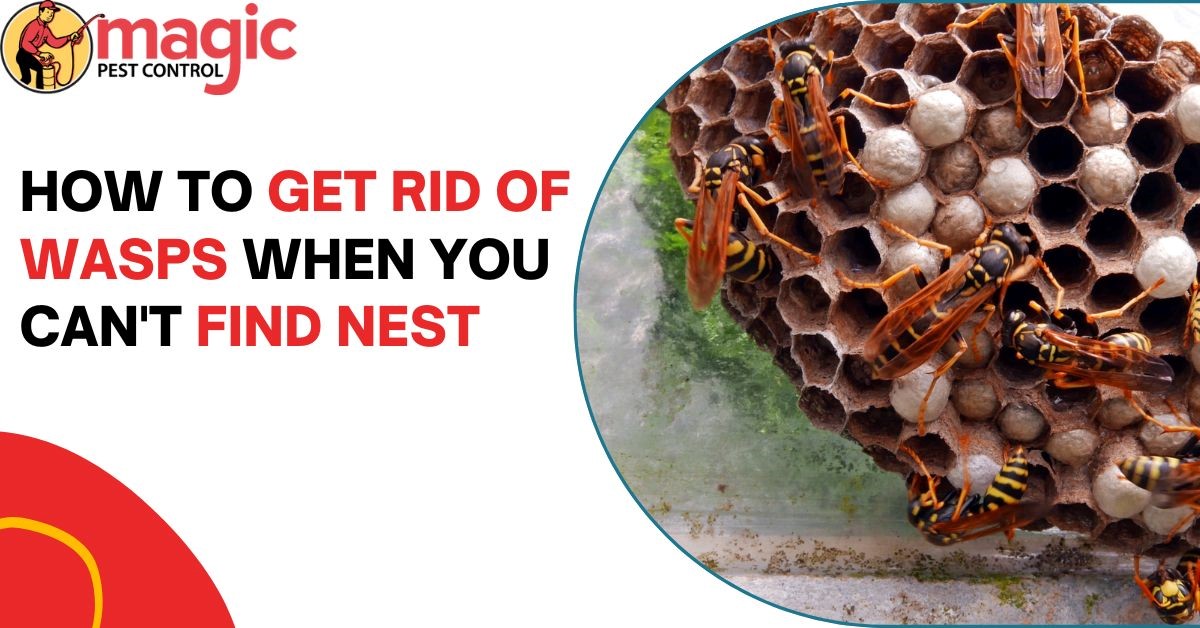
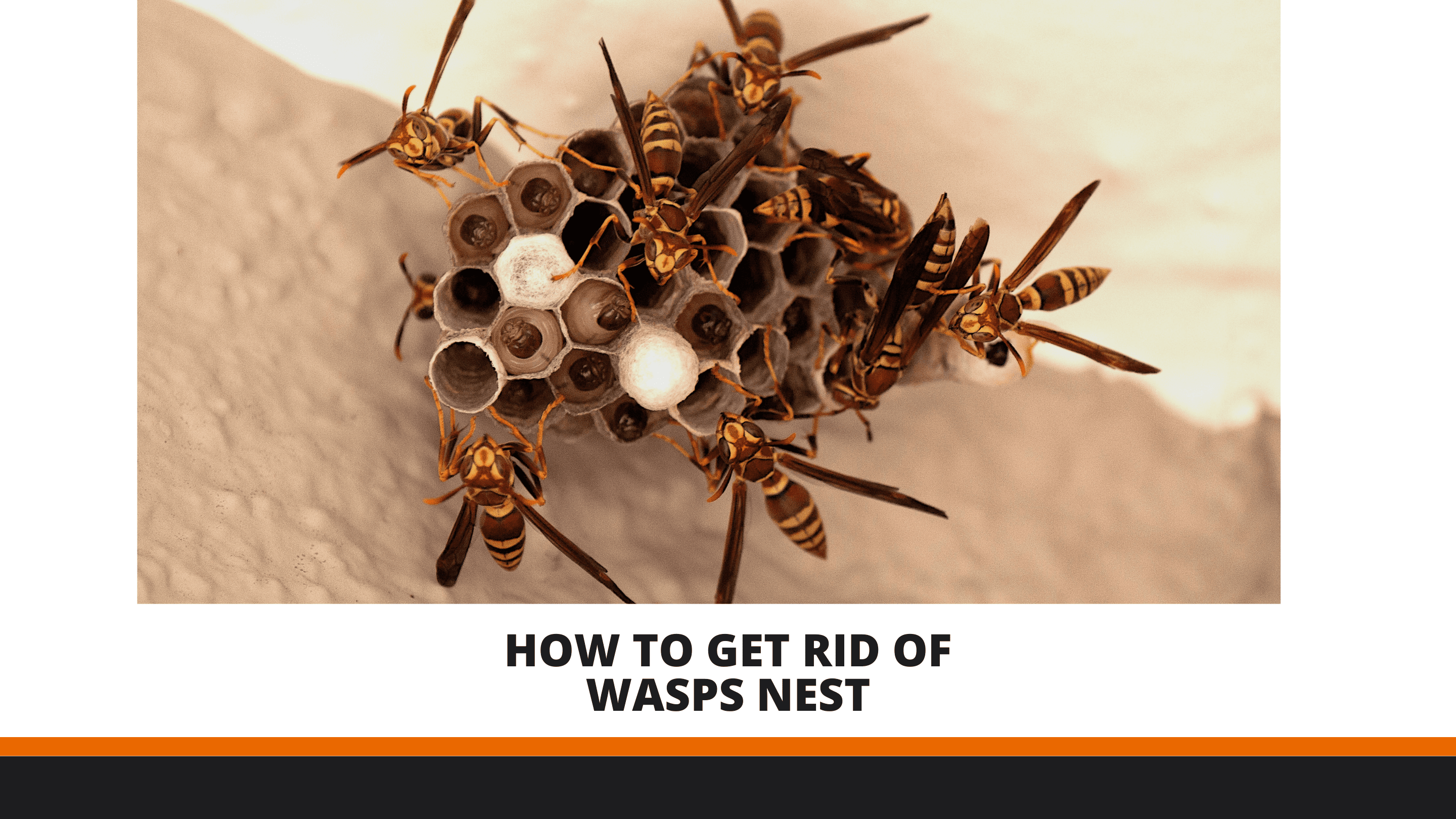
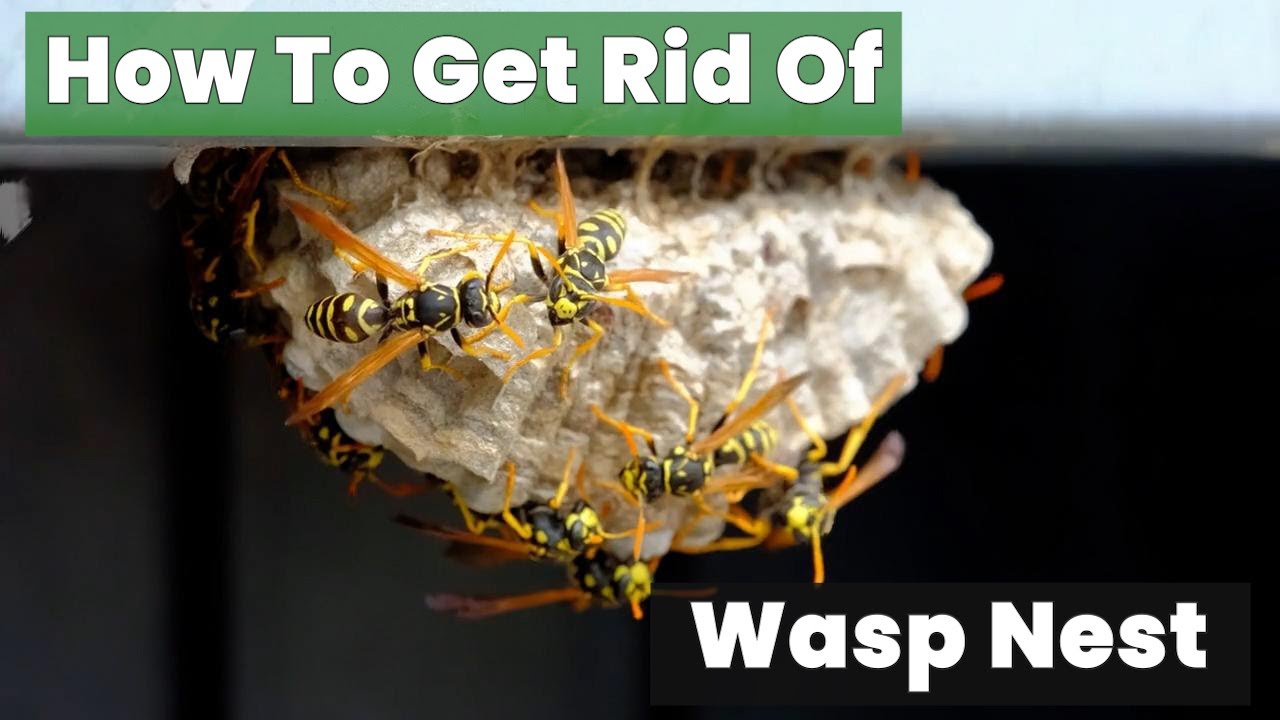
So, what are you looking for? Often, wasp nests have a papery appearance, made from chewed-up wood fibers mixed with saliva. They can be greyish or tan, and they're usually quite sturdy. You might find them hanging from eaves, tucked into attics, or even burrowed underground. Yes, underground! Talk about hidden surprises.
If it looks like a papery sphere or a sort of open, honeycomb-like structure with a constant stream of activity, you're likely dealing with wasps. And if you're still not sure, a quick peek from a safe distance (and I mean a safe distance, folks) might give you the clues you need. Don't get too close, though. We're curious, not suicidal.
Why Do We Even Need to Get Rid of Them? (Besides the Obvious Stings)
Okay, let's be real. The primary reason is the sting. Nobody wants to be the recipient of a wasp's pointy persuasion. It's like a tiny, angry exclamation point on your day. But beyond the immediate pain, a large, active nest can be a genuine nuisance and, in some cases, a risk.

Think about it: if they're nesting right by your front door, every time you step outside, you're playing a game of "will they or won't they" with a venomous insect. Not exactly a recipe for relaxation. And if you have kids or pets, the stakes get even higher. We want our outdoor spaces to be a sanctuary, not a battlefield.
Plus, some wasp species can become quite aggressive when their nest is threatened. They're not trying to ruin your picnic; they're just defending their home and their babies. Still, "defending their home" often involves a lot of painful buzzing around your head.
The "When" Matters: Timing is Everything
This is where our inner strategists can really shine. If you're dealing with a nest, the best time to tackle it is early in the morning or late in the evening. Why? Because that's when the wasps are less active. They're all tucked up inside, dreaming of nectar and maybe plotting world domination, but mostly sleeping.
Think of it like trying to have a conversation with a teenager before they've had their coffee. They're just not at their most receptive. Wasps are the same, but with more venom. So, when they're groggy and less inclined to chase you down a block, that's your window of opportunity.
If you can catch a nest when it's really small – like, the size of a golf ball – it's a lot easier to deal with than when it's the size of a cantaloupe and teeming with thousands of angry wasps. So, keeping an eye out in the spring can save you a lot of grief later on.

So, How Do We Actually Do It? The Methods
Alright, the moment of truth. You've identified the nest, you've picked your optimal time, and you're ready to take action. Now, what are your options?
DIY: The Brave & Bold Approach
For the truly adventurous (and those with a healthy dose of caution), there are DIY methods. These usually involve a special wasp spray. These sprays are designed to kill on contact and often have a long-range nozzle, which is a major plus for staying out of the wasps' immediate personal space. It’s like giving them a one-way ticket to the great beehive in the sky, from a safe distance.
Safety first, always. When using any kind of pesticide, follow the instructions on the can meticulously. Wear protective clothing – long sleeves, long pants, gloves, and ideally, eye protection. Think of yourself as a hazmat operative, but with more potential for a dramatic escape.
If the nest is accessible, aim the spray directly into the entrance. If it's underground, try to find the main entrance and spray in there. And then, the most important part of the DIY approach: leave the area immediately and stay away for at least 24 hours. Let the spray do its work, and let the surviving wasps disperse or perish.
Remember, this is for nests that are manageable. If it's a massive nest in a hard-to-reach place, maybe reconsider this option. Your courage is admirable, but your well-being is paramount.
The Professional Touch: For the Smart & Sensible
Honestly, for most people, and especially for larger or more difficult-to-reach nests, calling a professional pest control service is the smartest and safest bet. These folks are the ninjas of wasp removal. They have the specialized equipment, the expertise, and the knowledge to handle these situations efficiently and safely.
Think of them as the highly trained special forces of insect management. They know the wasps' weaknesses, they have the tools of the trade, and they're trained to minimize risk to themselves and to you. It's like calling in the cavalry when you're facing a dragon – you let the experts handle the fire-breathing.
They'll assess the situation, identify the type of wasp, and use the most effective and safest methods to remove the nest. You get your peace of mind back, and you don't have to worry about accidentally becoming a wasp's new favorite chew toy. It’s an investment in your sanity and your skin.
What NOT to Do (Seriously, Don't Do These Things)
This is where we channel our inner voice of reason. There are some classic "bad ideas" when it comes to wasp nests that you absolutely want to avoid.
First off, don't just swat at them or try to knock the nest down with a broom. This is like poking a sleeping bear. It's going to enrage the entire community, and you'll have a swarm of angry wasps on your hands, literally. It’s a recipe for disaster, and not the fun kind.
Also, don't try to seal up the entrance of a nest if it's occupied. If they can't get out, they'll find another way, and that way might be into your house. Suddenly, your problem has gone from an outdoor nuisance to an indoor invasion. Nobody wants that. It's like trying to put a lid on a volcano.
And for the love of all that is calm and sting-free, don't use water, fire, or any other sort of primitive "solution." Water might seem like a good idea, but it can actually make them more aggressive and just prolong the issue. Fire? Let's just say that can get out of hand very quickly and is a huge safety hazard. Stick to proven methods, folks.
After the Great Wasp Exodus
Once the nest is gone, whether you handled it yourself or called the pros, there's a little bit of post-operation cleanup. You might want to remove any remnants of the nest to discourage future builders. Wasps can be quite territorial, and if they find evidence of a past nest, they might think it's a prime piece of real estate.
It's also a good idea to identify any attractants that might have drawn them to your property in the first place. Are there overflowing garbage cans? Sweet drinks left out? Pet food? Addressing these can help prevent a repeat performance next season.
So there you have it. A little bit of knowledge, a healthy dose of respect for these tiny creatures (from a distance, of course), and a plan. Getting rid of a wasp nest doesn't have to be a terrifying ordeal. It can be a manageable task, and with the right approach, you can reclaim your yard and enjoy the sunshine without the constant threat of a stinging surprise. Now, go forth and be wasp-wise!