How To Get Mold Out Of Curtains

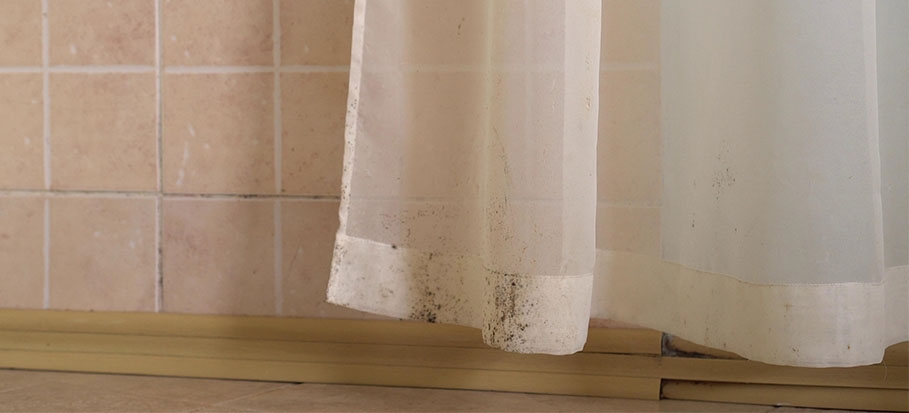
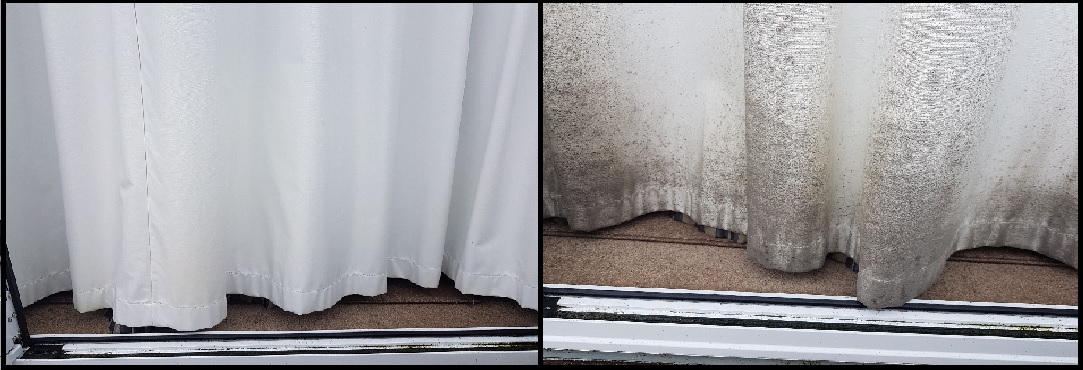
Ah, curtains. Those graceful drapes that whisper elegance and privacy. They’re supposed to make our homes feel cozy. But sometimes, they have other plans. Plans involving a certain fuzzy, green or black, unwelcome guest. Yes, we’re talking about mold. Don’t you just love that word? It conjures up images of damp basements and forgotten bread, not your pristine living room.
Let's be honest, discovering mold on your curtains feels like a personal affront. It's like your home is secretly judging you for that time you forgot to open the window after a particularly steamy shower. But fear not, fellow curtain connoisseurs! We’re about to embark on a gentle, dare I say, fun adventure to banish these tiny, unwanted tenants.
First things first. Take a deep breath. It’s just mold. Not a dragon. Not an alien invasion. Just a mild inconvenience that a bit of elbow grease (and maybe some science) can fix. Now, before we dive headfirst into a tub of bleach, let’s consider the curtain's feelings. They’ve been through a lot. Sunlight, dust bunnies, maybe even a rogue pet hair or two. They deserve a gentle approach.
Must Read
So, what’s our secret weapon? Forget those fancy, overpriced mold removers that promise the moon. We're going old school. Think of it as a spa day for your fabric. Our star player? A good old-fashioned mixture of white vinegar. Yes, that same stuff you use on your fish and chips. It’s surprisingly powerful. Think of it as nature's little cleaning superhero. It’s like the mild-mannered reporter who, when duty calls, transforms into a crime-fighting dynamo. That’s vinegar for your mold problem.
Now, you don't want to just pour undiluted vinegar onto your precious drapes. That would be like giving them a shot of espresso – a bit too much. We need to dilute it. A 50/50 mix of white vinegar and warm water is your golden ratio. Get yourself a spray bottle. Those are fun, right? They make you feel like a chemist in a lab, minus the safety goggles and the existential dread. Just give it a good shake. And then, the moment of truth. Gently spray the affected areas. Don't go overboard. We’re not trying to waterboard the mold.

After you've given your curtains a good misting, let it sit for a bit. Let the vinegar do its magic. Think of it as a tiny, silent battle happening on your fabric. The mold is probably freaking out, whispering to its buddies, “Abort mission! The humans are deploying the pungent liquid!” Give it about 15-30 minutes. This is your time to grab a cup of tea, maybe catch up on that show you’ve been meaning to watch. Multitasking at its finest.
Once the waiting game is over, it’s time for the gentle persuasion. Grab a soft cloth or a sponge. And by soft, I mean soft. No scrubbing like you’re trying to polish a knight's armor. We’re talking about a gentle wipe. Imagine you’re dabbing away a tiny tear from a sad teddy bear. You want to lift the mold away, not grind it deeper into the fabric. If it’s a stubborn patch, you might need to repeat the spraying and gentle wiping. Think of it as a delicate dance, a tango of cleanliness.
Now, what about those really persistent little invaders? The ones that seem to be clinging on for dear life? For those, we might need to escalate things. But don’t panic! We’re not going full industrial cleaner yet. We’re just bringing out the reinforcements. Another option, if you're feeling brave, is a bit of baking soda. Sprinkle a little onto the damp, vinegar-treated area. It’s like a gentle exfoliant for your curtains. Let it sit for a while, then gently brush it off. It’s amazing how much power these humble kitchen staples hold. They’re the unsung heroes of the household.
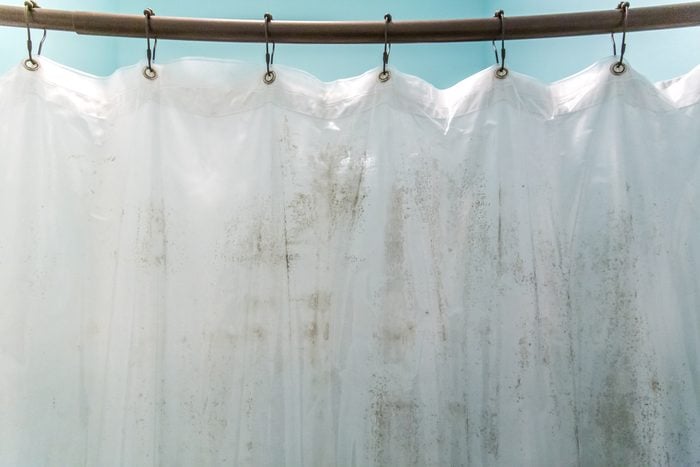
My personal, slightly unconventional, opinion? Mold removal should be a weekend ritual. Like Sunday brunch, but with less avocado toast and more… well, vinegar.
After you’ve done your best mold-wrangling, it’s time for the grand finale: rinsing. If your curtains are machine washable, that’s a dream! Just pop them in on a gentle cycle with your usual detergent. If they’re too big or delicate for the machine, a good old-fashioned rinse with clean water will do. You can use a damp cloth to wipe away any lingering vinegar residue. The goal here is to get them smelling fresh and clean, not like a salad dressing factory.

And then, the most crucial step: drying. This is where you can really prevent future mold attacks. Air circulation is your best friend. Hang those curtains up in a well-ventilated area. Open those windows! Let the fresh air do its thing. If it’s a sunny day, even better. Sunshine is a natural mold deterrent. Think of it as a solar-powered mold exterminator. If the weather is gloomy, a fan can be your ally. Just don't put them in a damp, enclosed space. That's like inviting the mold back for a sequel.
Some people might tell you to use bleach. And yes, bleach can be effective. But, let's be real, bleach can be harsh. It can fade colors, weaken fabric, and frankly, it smells like a swimming pool that’s been left open for a decade. Vinegar, on the other hand, is gentler, often just as effective, and leaves your curtains smelling… well, like a clean kitchen. Which, in my book, is a definite win.
So there you have it. Mold, vanquished. Your curtains, revitalized. You, the triumphant hero of your own home. It’s a victory worthy of a small celebration. Perhaps with some vinegar-based salad. Just kidding. Mostly. Remember, a little bit of attention, a dash of vinegar, and a whole lot of gentle persuasion can make your curtains look and feel as good as new. And that, my friends, is a beautiful thing.