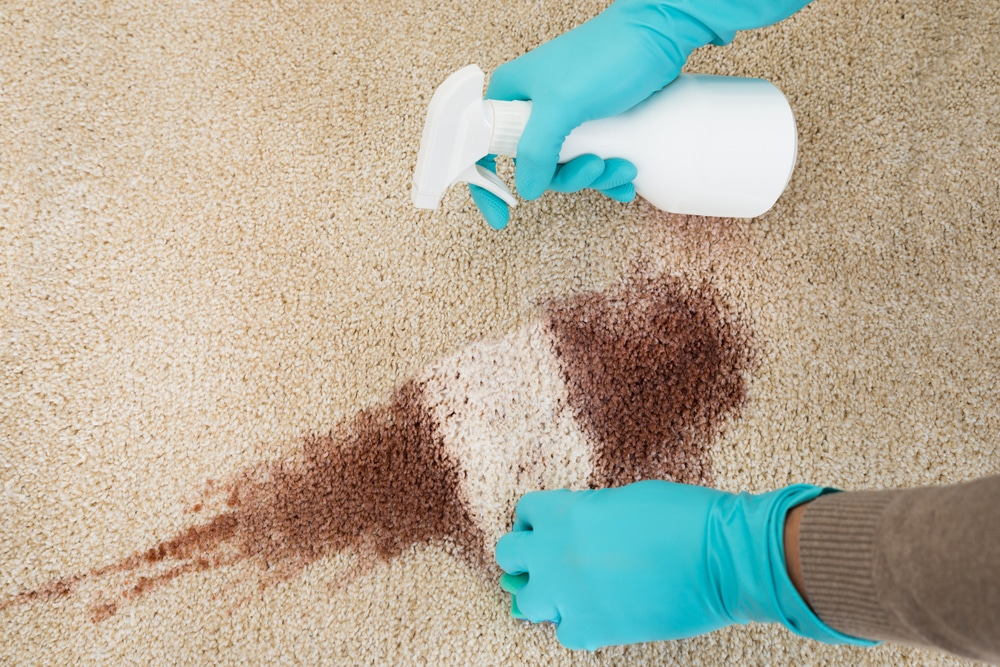
How To Get Dog Poop Off Carpet

Let's be honest, the joyous whirlwind that comes with dog ownership sometimes includes a less-than-glamorous moment. You know the one. You walk into a room, sniff the air, and a familiar, unpleasant aroma hits you. Yep, it’s that unmistakable scent of… a freshly deposited landmine on your pristine carpet. We’ve all been there, right? Whether it’s a puppy’s first “accident” (bless their fuzzy little hearts) or a senior dog’s unfortunate timing, a dog poop situation on the carpet can feel like a scene straight out of a bad sitcom. But fear not, fellow dog lovers! Getting your carpets back to their former glory is totally achievable without resorting to a full-blown cleaning exorcism. Think of this as your chill guide to conquering carpet conundrums, a little bit of science, a little bit of zen, and a whole lot of practical magic.
We're not here to make you feel guilty or overwhelmed. Life with dogs is messy, and that's part of the charm. Embrace the chaos, but let's also learn how to clean it up with as little fuss as possible. So, grab a cup of your favorite calming beverage – maybe a lavender latte or a chamomile tea – and let's dive into the art of poop-patrol on your Persian rugs, your modern Berber, or even that trusty old shag.
The Unwelcome Surprise: When Nature Calls (Incorrectly)
First things first, deep breaths. Panicking won't help, and it might even make the stain set in further. The key to a successful carpet cleanup is speed and the right tools. The longer that little gift sits there, the more it becomes one with your carpet fibers, and nobody wants that. Think of it like a surprise pop quiz – the sooner you tackle it, the better the outcome.
Must Read
Your mission, should you choose to accept it, is to remove the offending material and then tackle the stain and odor. We’re aiming for a multi-pronged attack, like a seasoned detective solving a case. And the culprit? Well, that’s pretty obvious.
Step 1: The Gentle Extraction (No Smearing Allowed!)
This is where your inner surgeon comes out. The goal here is to remove as much of the solid waste as possible without pushing it deeper into the carpet. You don't want to create a Picasso of poop on your floor.
What you’ll need:
- Paper towels (the more absorbent, the better)
- A plastic bag or a disposable glove for hygienic disposal.
- A small spatula or the edge of a sturdy card (like an old library card or gift card).
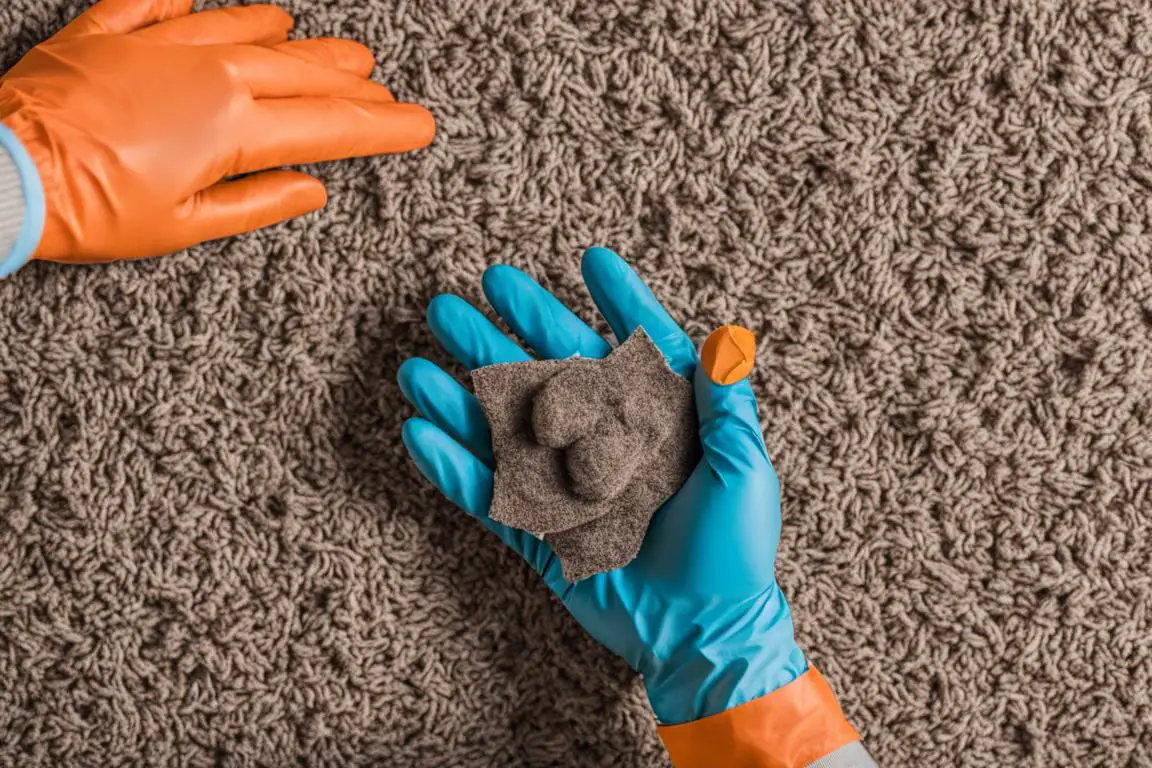
Here’s the technique: Grab your paper towels and gently scoop up any visible solids. Use your spatula or card edge to carefully scrape away any remaining bits clinging to the carpet fibers. Imagine you’re being incredibly delicate, like you’re extracting a rare artifact from an archaeological dig. Avoid rubbing or scrubbing at this stage; it’ll only spread the mess.
Pro Tip: If the poop is particularly… mushy, a quick blast of cool water from a spray bottle can sometimes help firm it up slightly, making it easier to lift. Just a light mist, though, we’re not aiming for a water feature here.
Cultural Nod: Think of this like the meticulous process of clearing a crime scene. Every bit counts, and precision is key. We’re not just cleaning; we’re conducting an investigation!
Step 2: The Stain Slayer: Banishing the Evidence
Now that the bulk of the offense is gone, it’s time to address the lingering stain and any potential discoloration. This is where your cleaning arsenal truly comes into play. We’re looking for solutions that break down organic matter and lift stains without damaging your carpet.
Your go-to cleaning agents:
- Enzyme cleaner (This is your superhero. Seriously.)
- Mild dish soap (like Dawn, the OG stain fighter)
- White vinegar (a natural deodorizer and mild disinfectant)
- Cold water
- Clean white cloths or sponges
Let’s talk about the star of the show: enzyme cleaners. These magical concoctions contain specific enzymes that break down the organic proteins found in pet waste. It’s basically nature’s tiny cleaning crew working overtime. You can find them at most pet stores or supermarkets. Follow the instructions on the bottle carefully. Typically, you'll spray it liberally on the affected area, let it sit for a good 10-15 minutes (or longer, depending on the product), and then blot it up.
If you don’t have an enzyme cleaner readily available, a DIY solution can work in a pinch. Mix a tablespoon of mild dish soap with two cups of cold water. Apply this mixture to a clean cloth and gently blot the stain from the outside in. Again, blotting is key, not rubbing. Think of it as pressing a sponge onto the stain, absorbing it rather than pushing it around.
White vinegar is another fantastic ally, especially for odor neutralization. After you've used your primary stain remover and blotted it up, you can mix a solution of equal parts white vinegar and water. Lightly spray this onto the area and let it air dry. The vinegar smell will dissipate as it dries, taking the unpleasant odors with it. Fun Fact: The acetic acid in vinegar is what gives it its powerful deodorizing properties, similar to how it’s used in some commercial cleaning products!
Always remember to test any cleaning solution on an inconspicuous area of your carpet first to ensure it doesn’t cause discoloration or damage. Nobody wants to swap one problem for another!
The Blotting Technique: Your New Best Friend
I cannot stress this enough: blot, blot, blot! Rubbing will spread the stain and can damage carpet fibers. Imagine you're gently dabbing a delicate watercolor painting; you wouldn't scrub it, would you? Use a clean section of your cloth for each blot, working from the outer edge of the stain towards the center. This prevents the stain from spreading outwards.
What you're doing is essentially transferring the stain from the carpet onto your cloth. It’s a patient process, but it’s incredibly effective. If you feel like you’re not picking up much, switch to a fresh cloth. It's better to use several cloths than to try and push your luck with a saturated one.
Step 3: The Deodorizing Duel: Erasing the Scent
Even after the stain is gone, that lingering odor can be a persistent foe. Dogs have an incredible sense of smell, and if they can still detect the scent, they might be tempted to revisit the same spot. So, we need to be thorough.
Your arsenal for odor annihilation:

- Baking soda (The classic odor absorber)
- White vinegar solution (as mentioned above)
- Commercial carpet deodorizer (specifically for pet odors)
Baking soda is a miracle worker when it comes to absorbing odors. After the area has dried from your cleaning solution, sprinkle a generous amount of baking soda over the affected spot. Let it sit for at least a few hours, or even overnight if the odor was particularly strong. Then, simply vacuum it up. It’s like a silent ninja, working its magic while you’re not looking.
If the vinegar and water solution didn’t quite do the trick, consider a specialized pet odor carpet cleaner. These often contain enzymes designed to break down the odor-causing molecules at their source, rather than just masking them. Again, always read and follow the product instructions carefully.
A little-known fact: The molecular structure of baking soda is such that it can absorb and neutralize acidic odor molecules, making it a highly effective and natural deodorizer. It’s the unsung hero of clean-smelling homes!
The Drying Process: Patience is a Virtue
Once you've treated the stain and deodorized, it's important to let the carpet dry thoroughly. Damp carpet can lead to mildew and other unpleasantries, which is the last thing we need. You can speed up the drying process by opening windows, using fans, or even a hairdryer on a cool setting held at a distance.
Avoid walking on the damp area until it’s completely dry. Your dog might also be tempted to investigate the still-damp spot, so keep an eye on them! Think of it as protecting your freshly painted walls – keep everyone off until it’s good and ready.
When to Call in the Cavalry (Professional Cleaners)
Sometimes, despite your best efforts, a stain or odor might be stubborn. If you’ve tried all the above and are still seeing a shadow of the incident, or if the accident was particularly large or old, it might be time to call in the professionals. They have specialized equipment and stronger cleaning solutions that can tackle even the most challenging carpet catastrophes.
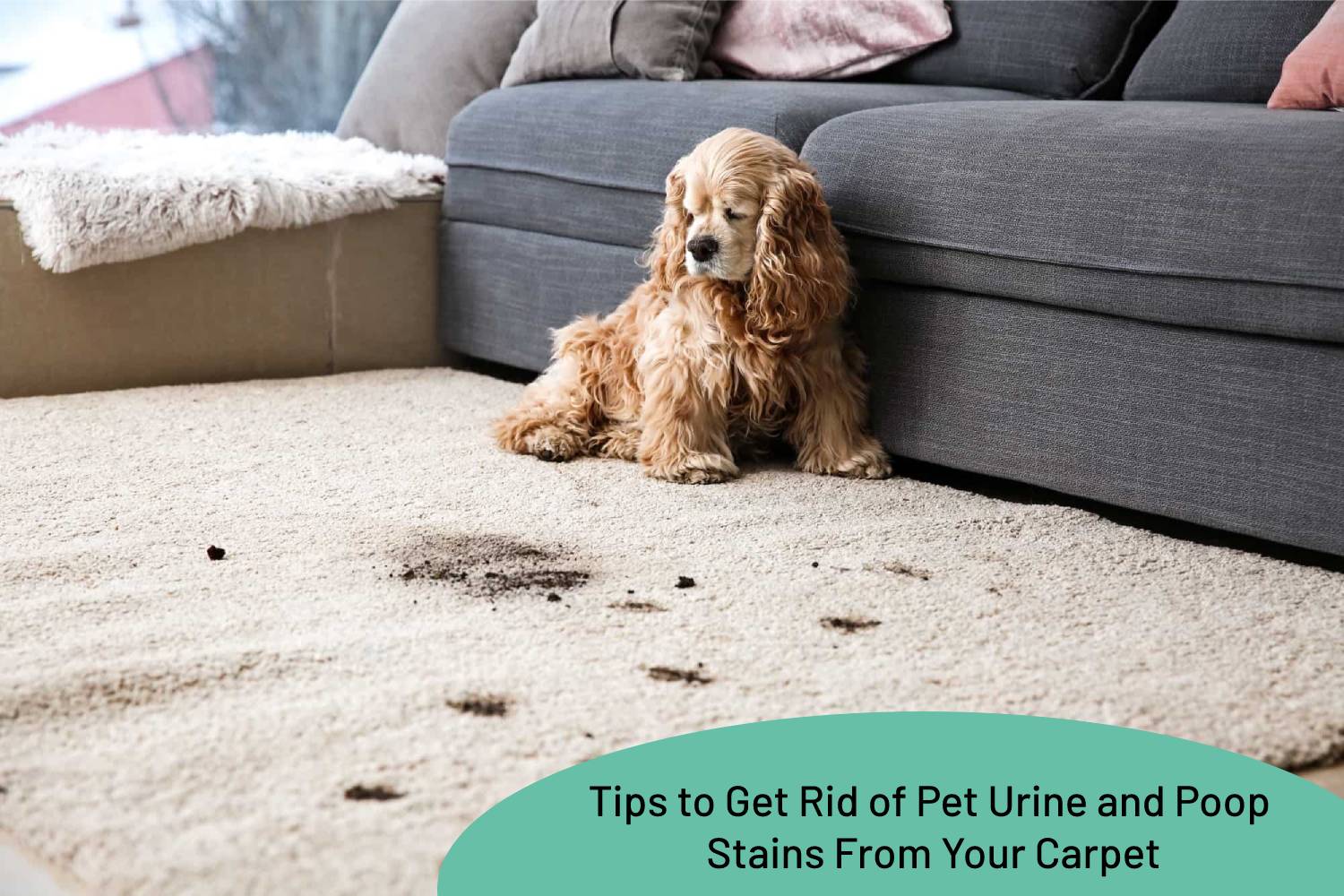
Don't feel defeated if you need to call in the experts. It’s a sign that you’re a dedicated dog parent who wants the best for your home. It’s like seeking advice from a seasoned chef when you’re attempting a complex recipe – sometimes, a little professional expertise makes all the difference.
Prevention is the Best Medicine (and Cleaning Strategy!)
While this article is all about tackling the aftermath, a little bit of preventative thinking can save you a lot of hassle. Regular potty breaks for your dog, especially after waking up, eating, and playing, can significantly reduce the chances of indoor accidents. Positive reinforcement for successful potty breaks outside is, of course, key.
For puppies or dogs with medical issues, consider using puppy pads or strategically placing old towels in areas they tend to favor. This way, if an accident does happen, you’re dealing with a smaller, more manageable mess on a disposable surface.
And let’s not forget the power of a good routine. Dogs thrive on predictability. A consistent schedule for walks and potty breaks can help them understand when and where they’re expected to do their business. It’s all about setting them up for success!
A Final Thought on Life's Little Messes
Life with dogs is a beautiful tapestry, woven with threads of unconditional love, goofy antics, and yes, the occasional… incident. Cleaning up dog poop from the carpet might not be the most glamorous part of pet ownership, but it’s a testament to our commitment and care. It’s a reminder that our homes are lived-in spaces, filled with the warmth and chaos of furry family members. Each time you tackle a mess, you’re not just cleaning your carpet; you’re reinforcing the bond you share. You’re saying, “I love you, even when you make a mess.” And in the grand scheme of things, that’s a pretty beautiful thing.
So, the next time you find yourself faced with a brown surprise, remember these tips, take a deep breath, and approach it with a calm, methodical mindset. You’ve got this. And hey, at least it’s not glitter. We’ll save that one for another article.