How To Get A Cat To Like You

So, the other day, I was visiting my friend Sarah, and her notoriously grumpy Persian, Bartholomew, was doing his usual thing. You know the drill. He was perched on the highest bookshelf, looking down at me like I was a particularly uninteresting dust bunny. Every time I so much as breathed in his general direction, he’d let out a low, rumbling growl that sounded suspiciously like a tiny, furry Godzilla warning of impending doom. Sarah just sighed and said, "He's not a people cat, you know." And I thought, "Challenge accepted, Bartholomew."
I spent the next hour just… existing. I didn't try to pet him, didn't coo at him, didn't even make direct eye contact (which, let's be honest, is harder than it sounds when you're trying not to stare at a fluffy dictator). I just sat on the floor, read a book, and occasionally offered him a piece of dried salmon from a safe distance. Slowly, very slowly, Bartholomew’s ears started to twitch. His tail gave a tentative flick. And then, the unthinkable happened. He hopped down, did a casual lap around my feet (while pointedly not looking at me), and then, with the air of someone bestowing a royal favor, rubbed against my leg for approximately 0.7 seconds before retreating to his fortress of solitude.
That, my friends, is the magic of understanding cats. It's not about force, it's not about pleading, and it's definitely not about wearing a cat-shaped costume and speaking in meows (though I've considered it). It’s about learning their language, respecting their boundaries, and playing the long game. And today, we’re going to dive deep into the art of becoming your cat’s favorite human. Buckle up, buttercups, because this is going to be fun!
Must Read
The Golden Rule: They're the Boss (Even When They're Not)
Let's get this straight from the get-go. You didn't get a cat; the cat allowed you to be its servant. This is crucial. If you’re coming into this with a “my way or the highway” attitude, you’re already on the wrong path. Cats are independent creatures. They have their own schedules, their own preferences, and their own very important naps to attend to. Your job is to fit into their world, not the other way around.
Think of it like this: you wouldn't barge into someone's house and start rearranging their furniture, right? Even if you think you know better. Cats are the same. They have their own established routines and comfort zones. Disrupting those willy-nilly is a surefire way to earn their eternal distrust. And trust me, once you've lost a cat's trust, it's harder to get back than a runaway laser pointer dot.
Respect Their Space, Please and Thank You
This is where Bartholomew excelled in his initial rejection of me. He had his high-up perch, his designated nap spots, his preferred sunbeams. And I, the interloper, was expected to acknowledge and respect these sacred spaces. So, what did I do? I stayed on the floor. I didn’t reach for him. I didn’t try to block his path or corner him. I just… was. And that made all the difference.
Cats need to feel safe. If you're constantly looming over them, trying to scoop them up when they're not in the mood, or generally being a bit too… much, they're going to retreat. It’s a primal instinct. Think of yourself as a potential predator. Would you approach a creature that’s constantly in your face? Probably not. You’d wait for it to relax, for signs of openness. Cats are no different. So, give them room to breathe.
This also means no surprise cuddles, no forced belly rubs (unless they explicitly invite you, which is rare and a sign of ultimate trust), and no chasing them around the house when they've clearly made a break for it. If they're under the bed, let them be under the bed. If they're in their carrier, maybe it’s a sign they need some alone time. Observe and adapt.
The Art of the Slow Blink: Your Secret Weapon
You know how sometimes you make eye contact with your cat and it feels… intense? Like they’re staring into your soul, judging your life choices? Well, that direct, unwavering stare can be perceived as aggressive by felines. They’re not saying, “I love you.” They’re more likely saying, “What are you looking at, human? Are you a threat?”
The solution? The slow blink. It’s the feline equivalent of a gentle smile and a nod. You look at your cat, meet their gaze for a moment, and then slowly close and open your eyes. It’s a sign of trust and relaxation. If they blink back, congratulations! You’ve just had a profound conversation without uttering a single word. It’s like a secret handshake, but way more adorable.
Practice this regularly. When you enter a room and your cat is there, offer a slow blink. When they’re looking at you, return the gesture. It might feel silly at first, but it’s incredibly effective. It’s a non-threatening way to acknowledge their presence and communicate that you’re not a danger. Think of it as building a bridge of trust, one slow blink at a time.
Food is Love (and Also, Just Food)
Okay, let’s be real. While love and respect are paramount, let's not underestimate the power of a good treat. Cats are motivated by food. It’s a universal truth. So, if you want to be the source of all that deliciousness, you’re already on your way to becoming their favorite.
This doesn't mean stuffing them with unhealthy junk. It means having high-quality treats on hand and using them strategically. When you’re first trying to get a shy cat to warm up to you, try tossing a treat in their direction. Don’t force it into their mouth. Just let them come to you and snag it. This associates you with positive, delicious experiences.
Another trick? When you’re sitting down to eat, if your cat is around and you have some plain, cooked chicken or fish (no seasoning!), you can offer a tiny morsel. This reinforces the idea that you’re a benevolent provider of good things. Just remember, moderation is key. We’re not trying to create a feline Garfield here, just a happy, well-fed companion.
Patience, Grasshopper, Patience
This is probably the hardest part for most of us. We want that instant, purring cuddle-bug connection. But cats don’t operate on our timeline. Some cats are naturally more outgoing and will warm up to you in days. Others, like Bartholomew, are more… reserved. They take their sweet time. And that’s okay.
You need to have the patience of a saint. Think of it as tending to a delicate flower. You can’t just yank it out of the ground and expect it to bloom. You have to water it, give it sunlight, and let it grow at its own pace. Your cat is that flower. Your gentle actions, your respect for their space, and your consistent positive reinforcement are the water and sunlight.
Don’t get discouraged if you have a setback. Maybe your cat hissed at you after you tried to pet them. Don’t take it personally. Just go back to basics. Give them space, offer a slow blink, and try again tomorrow. The progress might be incremental, but it will happen. Consistency is your superpower.
Playing Games: It’s More Than Just Fun
Interactive play is a fantastic way to bond with your cat. It taps into their natural hunting instincts and allows them to expend energy in a healthy way. Plus, it’s a great way to show them that you’re not just a food dispenser, but a fun and engaging companion.
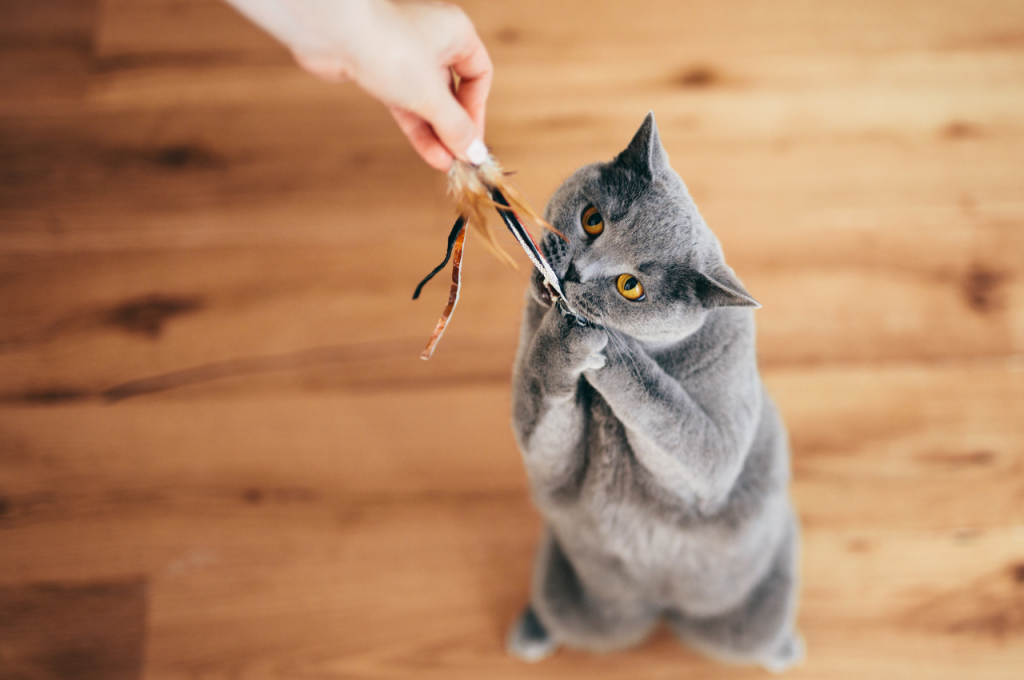
Use toys that mimic prey. Wand toys are excellent because they allow you to control the movement and create a realistic chase. Feather wands, laser pointers (use them responsibly, never directly in their eyes!), and even crinkle balls can be great. The key is to let them “catch” their prey occasionally. If the toy always escapes, they can get frustrated. You want them to feel a sense of accomplishment.
Try to have at least one or two play sessions a day. Kittens need a lot of playtime to develop properly, but adult cats benefit immensely too. It’s a way for them to release pent-up energy and anxiety. And honestly, watching a cat go absolutely bonkers over a little red dot is pure entertainment for everyone involved. It’s a win-win situation!
Understanding Cat Body Language: Speak Their Language
This is where you go from just a human to a cat whisperer. Learning to read your cat’s subtle cues is like unlocking a secret level of understanding. It’s the difference between guessing what they want and knowing what they want.
We’ve already talked about the slow blink. But what about their ears? Forward-pointing ears usually mean interest or alertness. Pinned-back ears? Uh oh, probably not happy. Are their pupils dilated? They might be excited, curious, or a little bit scared. Are their pupils like tiny slits? They’re probably relaxed or focused.
A purr isn’t always a sign of happiness, though it often is. Sometimes, cats purr when they’re stressed or in pain. Pay attention to the context. A purring cat rubbing against you with relaxed body language is a happy camper. A purring cat hunched over and avoiding eye contact might be trying to soothe themselves. Context is everything.
A tail held high with a slight curve at the tip? Happy and confident. A tail tucked between their legs? Fear. A tail flicking back and forth rapidly? Agitation or overstimulation. Learn these signals, and you’ll be able to navigate your relationship with your cat much more smoothly.
Don’t Force Affection, Let It Happen Organically
This is the flip side of respecting their space. When your cat does initiate contact, cherish it. If they rub against your legs, lean into you, or even jump onto your lap, this is a huge deal. This is them saying, “I trust you. I want to be near you.”
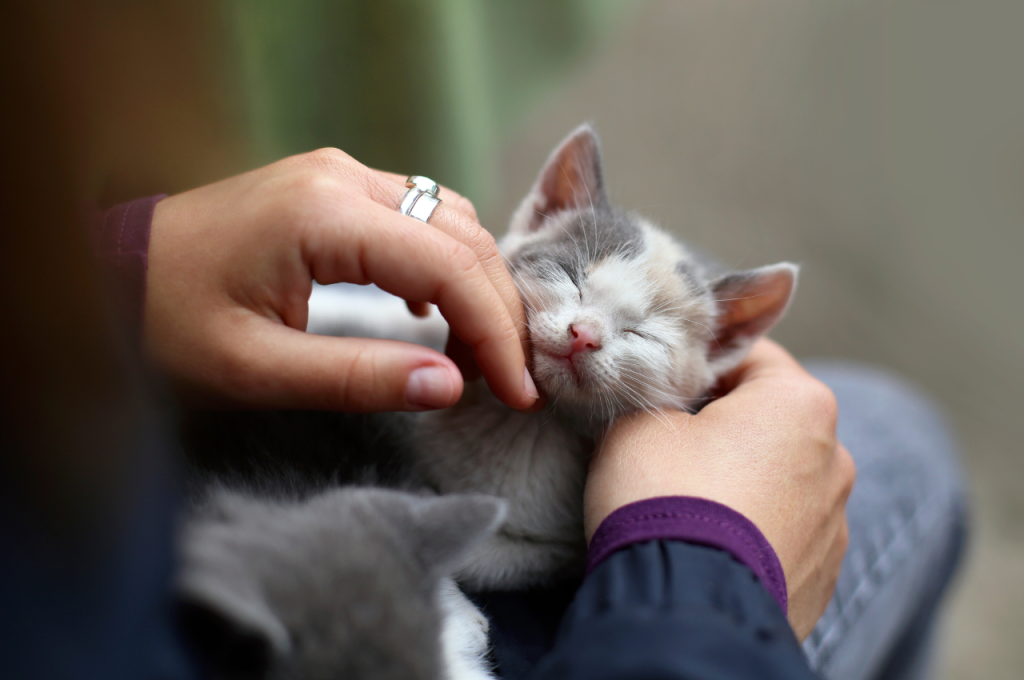
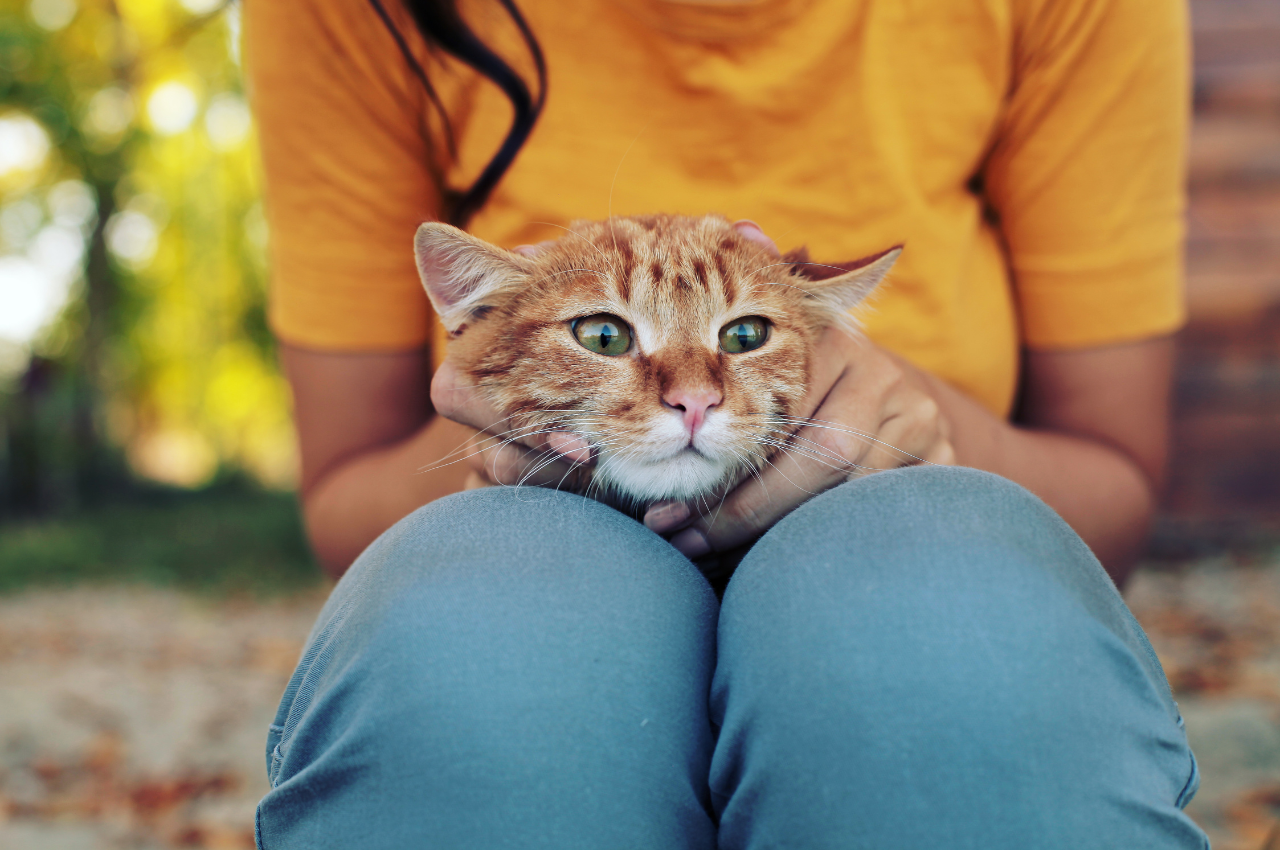
Respond appropriately. If they want to be petted, pet them where they like it (usually around the head, neck, and back – avoid the belly unless they roll over and invite it with all their heart). If they want to sit on your lap, let them. Resist the urge to move, to get up, to do anything that might disturb their blissful moment. You are now their preferred resting spot, and that’s a position of honor.
If they’re kneading you, that’s a sign of contentment and a throwback to kittenhood when they kneaded their mother to stimulate milk production. It’s a sign of deep trust and comfort. Don’t pull away. Let them work their little paws. It’s a compliment!
The Power of Routine and Predictability
Cats thrive on routine. They like to know what’s coming next. So, if you can establish a predictable schedule for feeding, playing, and even just quiet time together, you’ll create a sense of security and trust for your feline friend.
Try to feed them at roughly the same time each day. Engage in a play session around the same time. Even having a consistent time for your own quiet reading on the couch where they can join you if they choose can be beneficial. This predictability makes your presence a comforting constant in their lives.

When things are unpredictable, cats can become anxious. A new person in the house, a change in schedule, or even just a loud noise can throw them off. By being a consistent, calm presence, you become their rock. You’re the one reliable thing in their world, and that’s a powerful way to earn their affection.
Be the Calm in Their Storm
Cats are sensitive creatures. They can pick up on our emotions. If you’re stressed, anxious, or angry, your cat will sense it. And that can make them feel uneasy too. So, when you’re interacting with your cat, try to be as calm and relaxed as possible.
This doesn't mean you have to be a Zen master 24/7. But when you’re in their presence, try to project a sense of calm. Speak in a soft, gentle voice. Move slowly. Avoid sudden loud noises or movements. The more you can be a source of calm and stability, the more likely your cat is to feel safe and comfortable around you.
It's like the difference between approaching a skittish deer versus a friendly dog. You use different tactics, right? With the deer, you’re quiet, slow, and non-threatening. With the dog, you might be more boisterous. Cats are definitely more in the “skittish deer” category when you first meet them. Be the gentle presence.
When All Else Fails, Consult the Experts (or at least good resources)
Sometimes, despite your best efforts, a cat might be particularly shy, fearful, or just plain stubborn. If you’re struggling, don't be afraid to seek advice. Talk to your veterinarian, a reputable animal behaviorist, or even experienced cat owners. There are tons of online resources, books, and forums dedicated to understanding feline behavior.
Remember, every cat is an individual. What works for one might not work for another. The key is to be observant, be patient, and be willing to learn. And if, after all this, your cat still occasionally gives you the Bartholomew-stare from the top of the bookshelf, well, at least you know you’ve done your best. And sometimes, just being in the same room is a victory in itself.
So go forth, my friends, and may your days be filled with gentle head boops, soft purrs, and the occasional stolen nap on your lap. You’ve got this!