How To Get A Car On Disability
Okay, so picture this: it was a sweltering Tuesday afternoon, the kind where the air itself felt like a warm, fuzzy blanket you couldn't escape. I was waiting for the bus, you know, the usual scene. The bus stop was basically an oven, and I was trying to distract myself from the sheer discomfort by scrolling through my phone. Suddenly, this bright yellow convertible zipped past, top down, music blasting. The driver, a woman with a huge smile and what looked like the coolest sunglasses I’d ever seen, gave me a little wave. And in that moment, I had a fleeting, slightly jealous thought: "Man, I wish that was me, with the wind in my hair, not… this." You know that feeling, right? That little pang of "if only"?
But then, reality hit. My reality, and maybe yours too, involves a bit more… planning. And for many of us who are navigating life with a disability, that dream of freedom, of just zipping off whenever and wherever, can feel a whole lot further away than a yellow convertible. It’s not just about wanting a cool ride; it’s about access. It’s about independence. It’s about not having to meticulously plan every single outing, or rely on the unpredictable kindness of others (bless them, but still!). So, how, how do you actually get a car when you’re on disability? Let’s dive in, shall we?
The Big Question: Can I Actually Afford a Car on Disability?
This is the million-dollar question, isn't it? Because let’s be honest, disability benefits aren't exactly overflowing with cash. Most of us are living paycheck to paycheck, or rather, benefit check to benefit check. The thought of car payments, insurance, gas, and maintenance can feel like a joke. Spoiler alert: it’s not impossible, but it requires some serious strategy.
Must Read
First off, let's talk about the elephant in the room: income limitations. If you're receiving Supplemental Security Income (SSI), there are strict limits on how much money you can have and how much you can earn. This is where things get a little tricky, because buying a car, even if it's a used one, can potentially push you over that limit and affect your benefits. It’s like a delicate balancing act, and nobody wants to jeopardize their essential income. So, always, always, always check with your local Social Security Administration (SSA) office before making any big financial decisions. They can give you the most up-to-date and personalized information.
If you're on Social Security Disability Insurance (SSDI), the rules are generally a bit more flexible regarding assets. You might have more leeway with savings. But again, it’s your responsibility to understand how buying a car will impact your specific situation. Don't be afraid to be a squeaky wheel at the SSA – that's what they're there for!
The "Dream Scheme": How to Actually Get the Wheels
Alright, so we’ve established that it’s not just a matter of walking into a dealership and saying, "Gimme the keys!" There are a few avenues you can explore, and some of them are surprisingly helpful.
1. State Vocational Rehabilitation (VR) Services: Your Secret Weapon
This is, in my opinion, one of the most powerful resources available to people with disabilities looking for employment and the tools to get there. Your state's VR agency is designed to help individuals with disabilities overcome barriers to employment. And guess what? Transportation is a huge barrier for many.
How does it work? You'll typically apply for VR services, and if you're eligible, you'll be assigned a counselor. You'll work with your counselor to develop an Individualized Plan for Employment (IPE). If a car is deemed a necessary tool for you to get to and maintain employment, VR can often help fund all or a significant portion of it. This could include:

- Purchasing a vehicle.
- Modifying a vehicle (if you need special equipment).
- Providing assistance with driver training.
- Helping with ongoing transportation costs like insurance and gas, at least initially.
This is the golden ticket for many. It’s a government-funded program specifically designed to get people back on their feet and working. The catch? You generally need to be working towards employment, or already be employed, for VR to fund a vehicle. So, if your goal is to get a car for general independence and not specifically for work, VR might not be the direct route. But it’s always worth exploring their possibilities!
2. Disability Grants and Assistance Programs: Hunting for Treasure
Beyond VR, there are other organizations and programs that offer financial assistance, sometimes specifically for transportation. These can be a bit more hit-or-miss, and they often have very specific eligibility requirements. Think of it like a treasure hunt!
Some national organizations might offer grants, and you’ll also want to look at local charities and foundations in your area. A quick Google search for "disability transportation grants [your state]" or "car assistance programs for disabled individuals" can sometimes turn up surprising results. Be prepared to do a lot of digging and filling out applications. These grants are often competitive.
Some programs might not give you cash directly but could help with things like:
- Down payments for a vehicle.
- Paying for car insurance premiums.
- Assistance with adaptive equipment installation.
Remember to read the fine print very carefully on any grant you apply for. What exactly does it cover? Are there any stipulations? The devil is always in the details, as they say.
3. Veterans Affairs (VA) Benefits: A Special Thank You
If you are a veteran with a service-connected disability, the VA has programs specifically designed to help you get around. This is a significant benefit that many eligible veterans might not be aware of.
The VA can provide a grant for the purchase of a motor vehicle, as well as certain adaptive equipment if you need it. They can also cover certain related expenses. The eligibility criteria typically involve having a specific disability rating related to your service that impacts your ability to drive or get around.
This is a really important one to highlight because it’s a direct pathway for eligible veterans. If this applies to you, make connecting with your local VA a top priority.
4. Financing Options: The "Regular" Way (with a Twist)
Okay, so what if the grant route isn’t an option, or you need a car for reasons outside of immediate employment needs? Then you're looking at financing, which can feel a bit daunting. But it's not impossible!
Dealership Financing: Some dealerships have special programs or connections with lenders who are more willing to work with individuals who have limited credit or income. You might be looking at higher interest rates, unfortunately, but it's a possibility. Be sure to shop around at different dealerships and don't feel pressured into the first offer you get.
Credit Unions: These member-owned financial institutions often have more flexible lending practices than big banks. They might be more willing to look at your overall situation rather than just a credit score. A personal relationship with your credit union can go a long way.
Subprime Lenders: These lenders specialize in working with people who have less-than-perfect credit. The interest rates will likely be higher, so be incredibly diligent in understanding the total cost of the loan over time. You don't want to get trapped in a cycle of debt.
Co-signer: If you have a trusted family member or friend with good credit who is willing to co-sign for you, this can significantly improve your chances of getting approved for a loan and potentially get you a better interest rate. This is a big ask, so ensure everyone involved understands the commitment.
The Importance of a Budget: Regardless of how you finance it, you must have a solid budget. This means calculating not just the car payment, but also:
- Insurance: This can be a HUGE expense, especially if you have a less-than-perfect driving record or live in certain areas. Get quotes before you buy the car.
- Gas: How much will you actually be driving?
- Maintenance and Repairs: Cars break down. Period. Set aside a dedicated fund for this.
- Registration and Taxes.
Being realistic about these ongoing costs is crucial. It's better to have a slightly less fancy car that you can actually afford to keep on the road than to end up with a car you can't afford to drive.

Adaptive Equipment: Making the Car Work for YOU
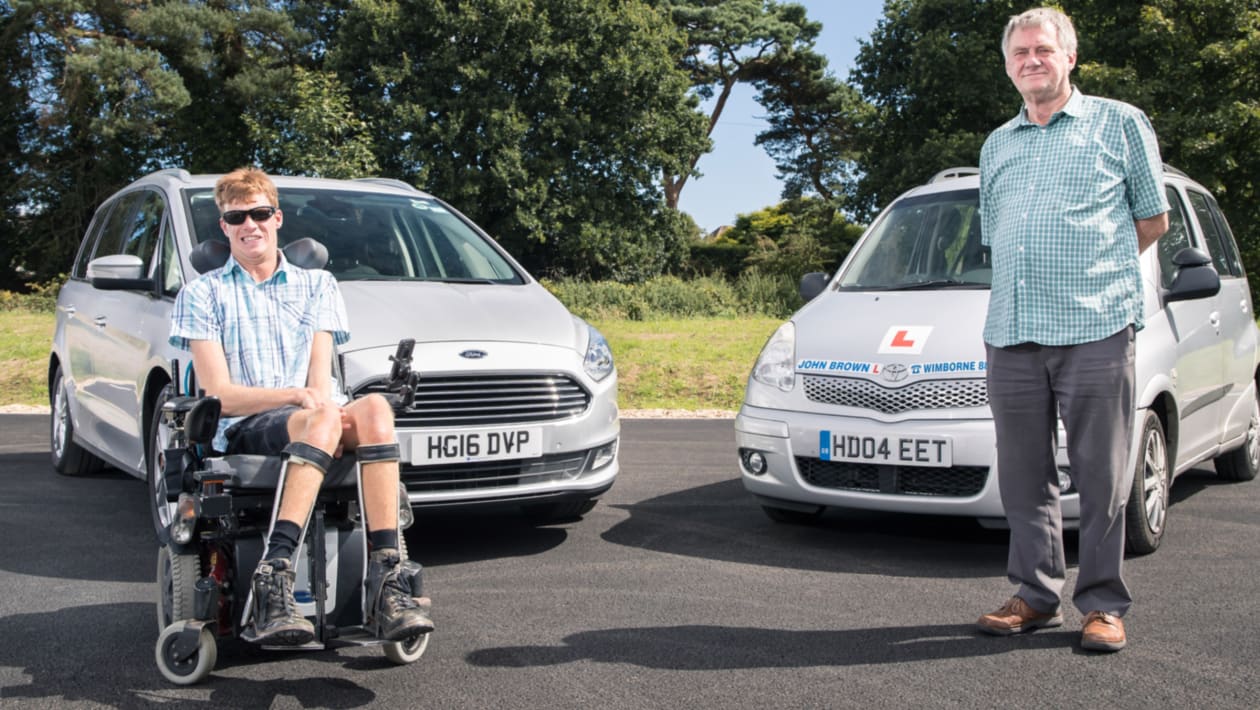
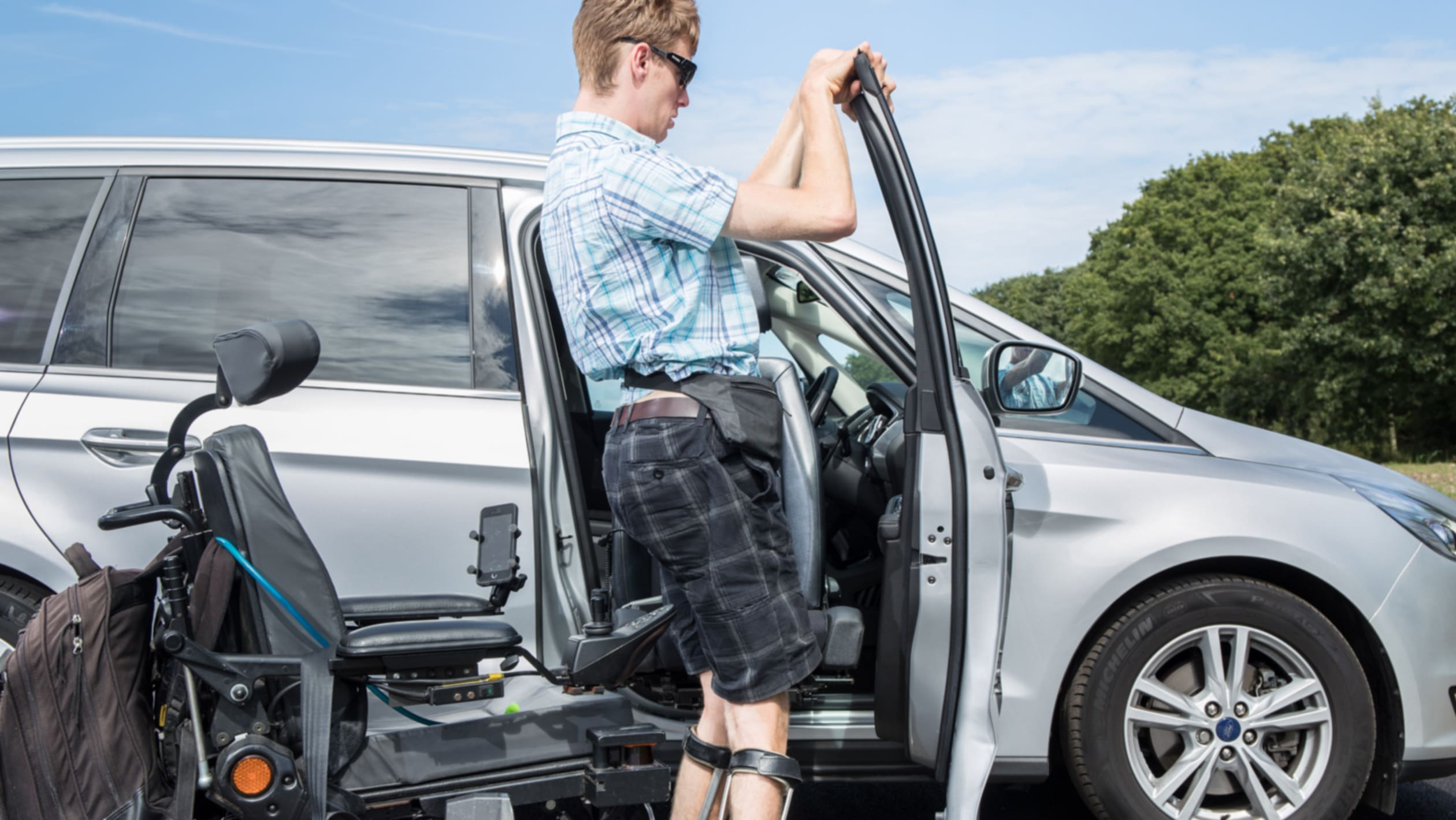
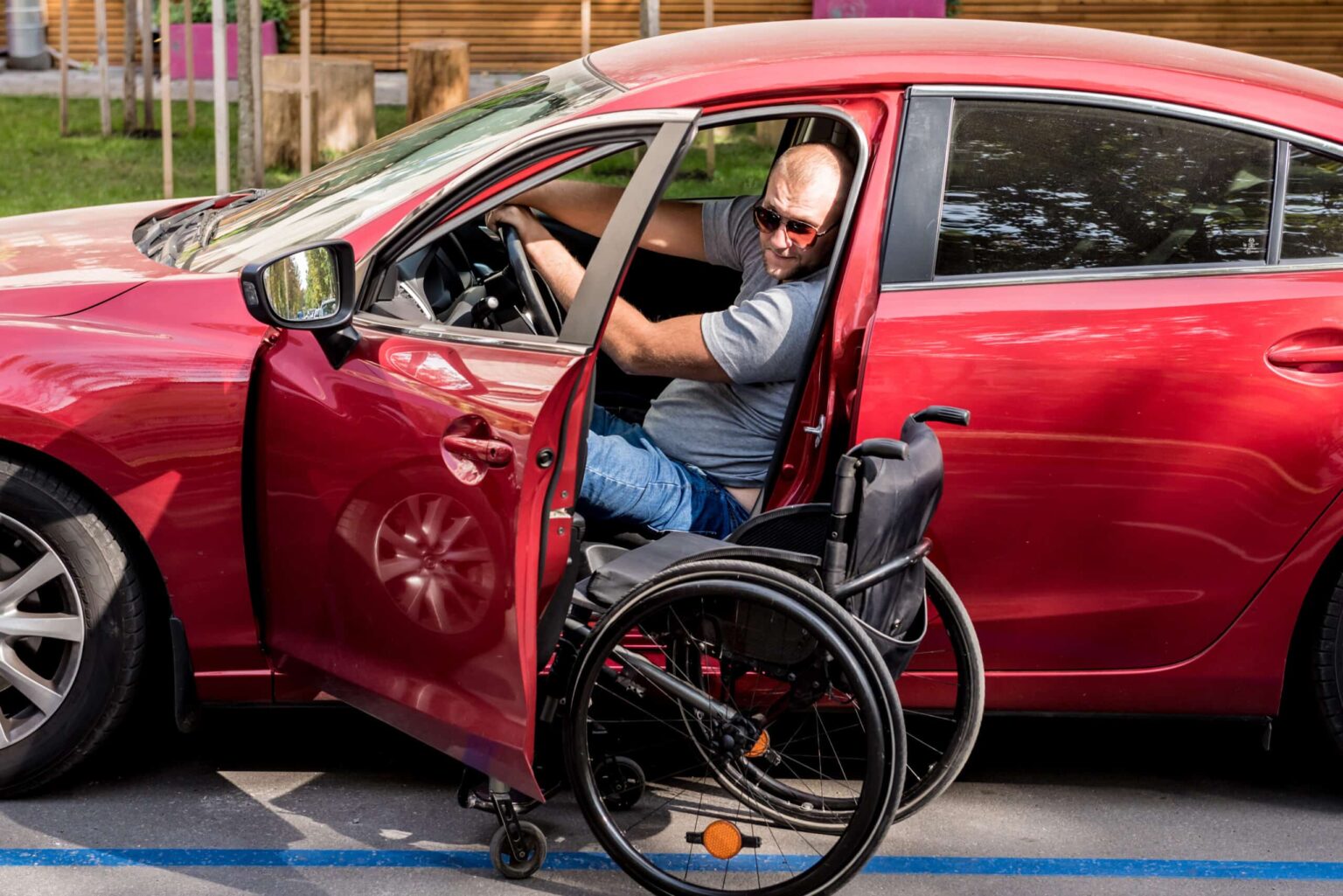
This is where the "disability" part really comes into play for many. If you have physical limitations that affect your ability to drive, adaptive equipment is essential. This can include things like:
- Hand controls for gas and braking.
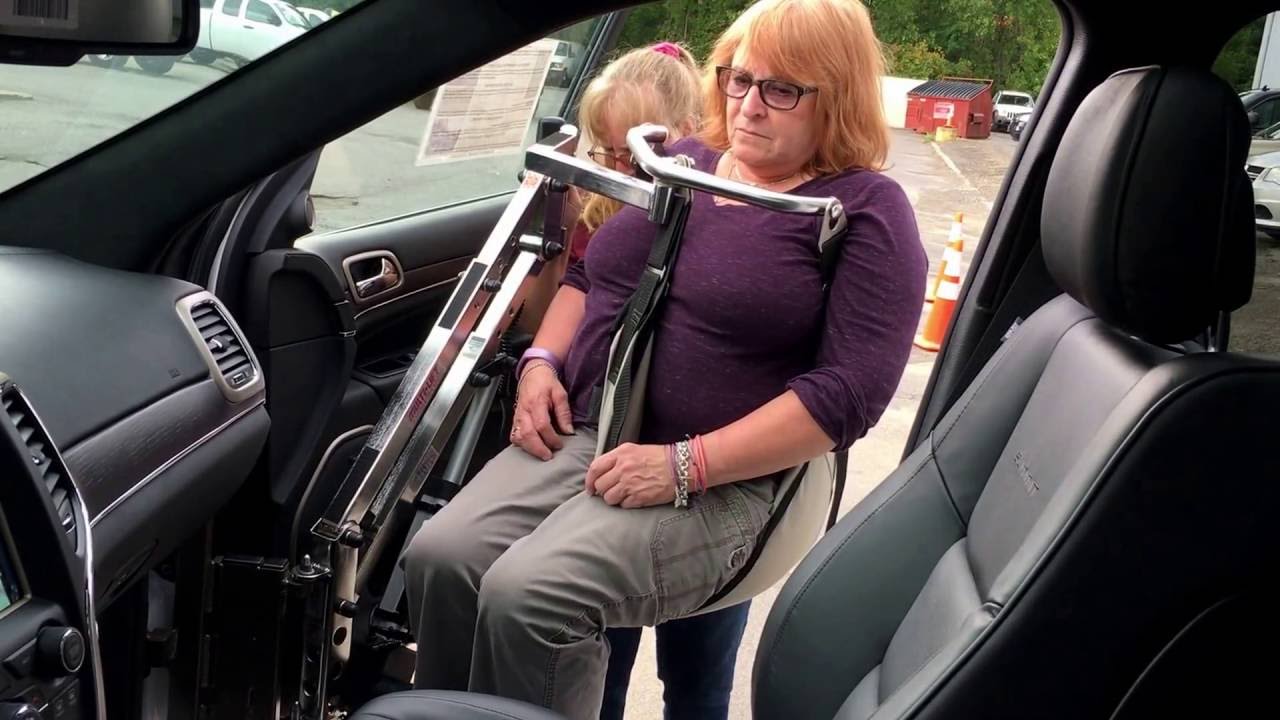
- Wheelchair lifts or ramps.
- Swivel seats.
- Spinner knobs for steering.
Many of the programs we've discussed (like VR and the VA) can help fund these modifications. If you're buying a car yourself, you'll need to research specialized upfitters and the costs involved. It’s worth getting a consultation early in the process to understand what’s available and what might work best for your specific needs.
Sometimes, you can find used vehicles that already have adaptive equipment installed. This can be a significant cost saver, but you'll need to ensure the equipment is compatible with your needs and in good working order. A pre-purchase inspection by a specialist is a must in these cases.
Tips for Success: Navigating the Maze
So, we’ve covered the main ways to get a car. Now, here are a few parting tips to help you on your journey:
- Start with Research: Don't just walk into a dealership. Understand your local resources, grant opportunities, and your own financial situation.
- Be Prepared to Advocate for Yourself: You know your needs best. Be clear, be persistent, and don't be afraid to ask for what you need.
- Get Multiple Quotes: For financing, insurance, and even vehicle prices. Knowledge is power!
- Consider Used: A reliable used car can be a much more financially sound choice than a new one.
- Prioritize Reliability and Safety: Especially when dealing with adaptive equipment.
- Build a Support Network: Talk to others who have gone through this process. Online forums and disability advocacy groups can be invaluable.
Getting a car on disability is definitely not a simple, one-size-fits-all process. It involves research, persistence, and sometimes a bit of creative problem-solving. But that feeling of freedom, of being able to go where you want, when you want? That's a dream worth chasing. So, keep that vision of the open road (or at least the ability to get to your doctor's appointment on time!) in mind, and tackle it one step at a time. You've got this!