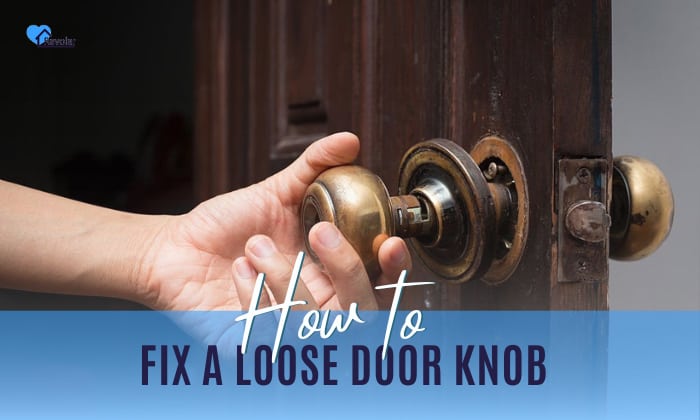
How To Fix A Loose Door Knob

Okay, so confession time. The other day, I was trying to briskly exit my kitchen, you know, the kind of exit where you're mentally already on the couch with a cuppa and a good book. I reached for the door knob – the one on the pantry door, because obviously, there are snacks in there that are calling my name – and it just… wobbled. Like, a lot. Enough to make me do a little startled hop and almost drop my imaginary tea. It wasn't a gentle sway; it was a full-on, "I'm-about-to-detach-myself-and-make-a-break-for-it" kind of wobble. And it got me thinking, “Seriously? This thing is supposed to be a bastion of snack security, and it's acting like a loose tooth!”
It’s funny how we take these everyday things for granted, isn't it? Until they decide to have a little tantrum. This loose door knob was a prime example. It’s not like it’s a structural failure, right? It’s not the foundation of the house groaning. It’s just… a doorknob. But a loose doorknob can be surprisingly infuriating. It’s like that one squeaky floorboard in a silent house, or a tangled headphone cord when you’re in a rush. It’s a small annoyance, but man, does it get under your skin.
And then, a lightbulb moment (which, thankfully, is still firmly attached to its fixture). Why do door knobs get loose? Is it cosmic alignment? A tiny gnome living inside, jiggling it for fun? Probably not. More likely, it’s just good old-fashioned wear and tear. Over time, the screws that hold everything in place can loosen up, and poof, you’ve got a wobbly doorknob situation. It’s a perfectly normal, albeit slightly irritating, part of life.
Must Read
So, instead of letting this minor inconvenience fester and turn into a full-blown “I’m-going-to-put-tape-on-it” emergency (which, let’s be honest, has probably crossed all our minds at some point), I decided to tackle it. And guess what? It’s surprisingly easy to fix. Like, really easy. You don't need to be a master craftsman or have a toolbox the size of a small car. Just a few common items you probably already have lying around. So, if your doorknobs are starting to feel a bit… floppy, stick around. We’re going to get them back in shape.
The Mystery of the Wobbly Doorknob: Unraveling the Shenanigans
Alright, so let's get down to the nitty-gritty of why your beloved doorknob has decided to join the circus. As I alluded to earlier, it’s usually not some grand conspiracy. Most of the time, it’s the screws. You know, those little metal workhorses that hold everything together? They can, and they will, loosen up over time. Think about it: you’re opening and closing that door multiple times a day, every single day. That’s a lot of action for those screws!
The main culprits are usually the screws that attach the two halves of the doorknob mechanism to the door itself, and the screws that hold the latch mechanism in place. These guys are constantly being stressed and vibrated, and eventually, they just get a little tired and decide to take a break from being tight. It’s like us after a long week, am I right?
There’s also the possibility that the spindle (that’s the square rod that connects the two knobs) isn't seated properly, or that the internal workings of the knob itself have become a bit… janky. But for the most part, it’s the screws. And the good news is, that’s the easiest fix.
Sometimes, it’s not just one screw. It can be a combination of things. But we’ll start with the most common and easiest to address, and if that doesn’t solve your problem, we can then delve into slightly more complex scenarios. No need to panic just yet!
Step 1: The Great Screw Hunt – Finding the Usual Suspects
So, before you start unscrewing random things (please, for the love of all that is stable, don't do that!), we need to identify where the problem likely lies. For most standard interior doorknobs, you’ll find two main sets of screws:
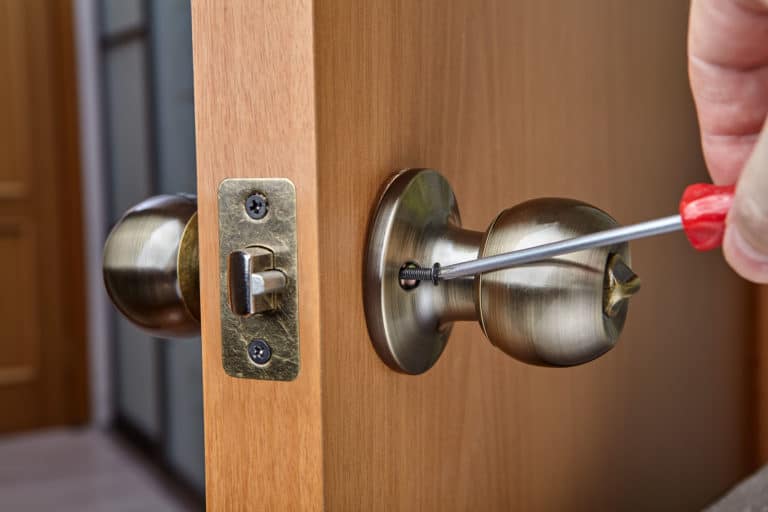
- The ones on the side of the door knob: These are usually the most obvious. You’ll see two small screws, typically on the side of one of the knobs, that go through the door and into the other knob. These are what hold the two halves of the knob together and secure them to the door.
- The ones on the latch plate: This is the metal plate on the edge of the door where the latch (the part that slides in and out) resides. There are usually two or more screws here that hold the entire latch mechanism inside the door.
Take a good look at your doorknob. Can you see any screws on the side of the knob itself? If so, that’s your first target. If those look tight, then move your attention to the latch plate on the edge of the door. Sometimes, the screws on the latch plate are hidden under a little decorative cover, but on most basic knobs, they’re right there, begging to be tightened.
What if you can’t find any screws? This is where things get a little more interesting. Some modern doorknobs have a different mechanism. They might have a small hidden set screw on the underside or back of the knob that needs to be loosened to remove the knob, and then other screws might be revealed. Don’t worry, we’ll get to that if needed! But let’s try the easy stuff first.
It’s always good to have a bit of a visual inspection. Are any of the decorative covers loose? Is there any obvious damage? Sometimes a quick glance can tell you a lot. Think of it as a mini-doorknob CSI investigation.

Tools You’ll (Probably) Need for This Adventure
Now, before you go rummaging through your toolbox like a squirrel preparing for winter, let's talk about what you might actually need. The beauty of fixing a loose doorknob is that you usually don't need much.
- Screwdriver(s): This is your MVP. You'll most likely need a Phillips head screwdriver. If you don't have one, a flathead might work for some, but a Phillips is your best bet. It’s also a good idea to have a couple of different sizes on hand. Sometimes those screws are tiny, and sometimes they're a bit more substantial.
- A small bowl or container: To hold those pesky screws when you’re working. Trust me, you do not want to lose these. They’re small, they blend in with everything, and they have a mischievous way of disappearing into the carpet abyss.
- (Optional) A soft cloth: For wiping things down or protecting surfaces.
- (Optional) A small dab of Loctite (blue): This is for advanced users or if your screws are really determined to loosen up. We'll talk about this later, but it’s good to know it exists.
Seriously, that’s usually it for the basic fix. If you have one of those fancy, high-tech doorknobs, you might need a specific tool like an Allen wrench, but for 99% of standard home doorknobs, a screwdriver will be your knight in shining armor.
Don't have a screwdriver? No problem! Ask a neighbor, pop into a local hardware store (they're usually super helpful!), or even check those "junk drawers" you know you have. We've all got one!
The Tightening Tango: Let's Get This Knob Solid Again!
Okay, armed with your tools and a can-do attitude, it’s time to perform the tightening tango. This is where the magic happens, and your doorknob goes from floppy to fabulous.
Scenario 1: The Obvious Screws on the Knob Face
This is the most common scenario. You’ve found those two screws on the side of one of the doorknob halves. Here’s what you do:
1. Gently test the wobble: Give the knob a little wiggle to confirm exactly where the looseness is coming from. Is it the entire knob spinning? Or is one side looser than the other?
2. Insert your screwdriver: Find the correct size Phillips head screwdriver. Carefully insert it into one of the screws.
3. Tighten, but don't overtighten: Turn the screwdriver clockwise. You’re looking for a firm feel, not a bone-crushing grip. The goal is to snug it up. If you hear any creaking or feel like you’re forcing it, stop. You don't want to strip the screw or damage the knob mechanism.
4. Repeat for the other screw: Do the same for the second screw.
5. Test it out: Give the doorknob a good, firm turn. Does it feel solid? Does it operate smoothly? If yes, congratulations! You’ve conquered the loose doorknob! If it’s still a bit wobbly, proceed to the next step.
It’s amazing how a few turns of a screwdriver can make such a difference. It’s like giving your doorknob a little pep talk and a firm handshake. You’re telling it, “Alright, buddy, let’s get back to work!”
Scenario 2: The Screws on the Latch Plate
If tightening the screws on the knob face didn’t do the trick, or if you couldn’t find any there, your next stop is the latch plate. This plate is on the edge of the door, and it houses the part that slides in and out to keep the door shut.
1. Locate the screws: You should see two (sometimes more) screws holding the latch plate to the door.
2. Unscrew the latch plate (if necessary): In some cases, to get better access to the internal mechanism that might be loose, you might need to slightly loosen or even remove the screws holding the latch plate. Be careful here! If you remove them completely, the latch mechanism might fall out of the door. If this happens, don’t panic. It’s usually easy to put back in. Just make sure you have your little bowl ready for those screws!
3. Tighten everything: Once you have access, look for any screws that seem loose within the latch mechanism itself. Gently tighten these. If you’ve removed the latch plate, reinsert the latch mechanism and then re-secure the plate. Again, tighten firmly but don’t overtighten.
4. Test the operation: Make sure the latch still slides smoothly in and out. Then, test the doorknob.
This step is about ensuring the entire core mechanism is secure within the door. If the latch itself is loose, the knob will naturally feel less stable. It’s like trying to hold up a flag with a wobbly pole – the whole thing is compromised.
When Things Get Tricky: Advanced Doorknob Debacles
So, you’ve tightened all the screws you can find, and your doorknob is still giving you the side-eye? Don’t despair! There are a couple of other things that might be going on.
The Mysterious Set Screw
Some modern doorknobs, especially those with a more streamlined or contemporary design, don't have visible screws on the knob face. Instead, they have a small "set screw" that you might need an Allen wrench to access. This set screw holds the knob onto the spindle.
1. Look for a tiny hole: Carefully inspect the underside or back of the doorknob. You're looking for a very small hole.
2. Use an Allen wrench: If you find a hole, try inserting an Allen wrench (also known as a hex key). You might need to experiment with different sizes to find the one that fits.
3. Tighten the set screw: Once you find the right fit, turn the Allen wrench clockwise to tighten the set screw. This will pull the knob tighter onto the spindle.
4. Test the knob: Give it a good wiggle. If this was the culprit, you should feel an immediate improvement.
This one can be a bit sneaky because the set screw is often hidden. It’s the doorknob equivalent of a secret handshake. And if you don’t have an Allen wrench set, they are super cheap and useful to have around for all sorts of things!
The Spindle Situation
The spindle is that square metal rod that passes through the door and connects the two doorknobs. If the spindle isn't properly seated in the mechanism, or if it's slightly damaged, it can cause looseness.
1. Remove the knobs: This might involve removing the set screws we just talked about, or if you have older knobs, you might need to pry off a decorative cover to reveal the screws holding the knob assembly together. Again, that little bowl is your friend!
2. Inspect the spindle: Once the knobs are off, you can see the spindle more clearly. Make sure it's fully inserted into the latch mechanism and the knob spindles.
3. Reassemble carefully: Put everything back together, ensuring the spindle is aligned correctly. Then, tighten your screws or set screws as before.
This is where things get a bit more involved. If you're feeling comfortable, go for it! If not, and you’ve tried everything else, it might be time to call in a handy friend or a professional. But honestly, for most people, the screws are the answer.
The Extra Mile: Making Sure It Stays Fixed
You’ve done it! Your doorknob is tight, secure, and no longer threatening to make a dramatic exit. But how do you keep it that way?
The Blue Loctite Trick (Use Sparingly!)
For those of you who are just super annoyed by loose things, or if you’ve had to fix this particular doorknob more than once, you might consider using a tiny amount of blue Loctite (threadlocker) on the screws. This is a special adhesive that hardens and prevents screws from vibrating loose.
Important Note: Use blue Loctite, not red! Red Loctite is permanent and can make it incredibly difficult to remove the screws later. Blue is designed for temporary fixes and can be broken free with a bit of force.
1. Apply a tiny drop: After you've tightened the screws, remove them, apply a very small drop of blue Loctite to the threads, and then re-screw them in.
2. Let it cure: Allow the Loctite to cure according to the product instructions (usually a few hours).
3. Test again: Once cured, test your doorknob. It should be rock solid.
This is like giving your doorknob a security detail. It's a bit of overkill for most situations, but if you're in a high-traffic area or just want that extra peace of mind, it's a solid option. Just remember, a little goes a long way!
Regular Check-ups
The best way to prevent a wobbly doorknob is to give it a quick check now and then. Every few months, just give all your doorknobs a little twist. If you feel any looseness, tighten them up. It’s like a quick health check for your doors!
You’ll save yourself a lot of frustration in the long run. And think of the satisfaction! You’re not just fixing a doorknob; you’re maintaining the smooth operation of your home. It’s a small victory, but a victory nonetheless.
The Grand Finale: A World of Tight Doorknobs
So there you have it! Fixing a loose doorknob is less of a DIY disaster and more of a simple, satisfying fix. From the pantry door that guards your precious snacks to the bedroom door that offers a moment of privacy, having a solid, reliable doorknob is one of those small comforts that makes a big difference.
Remember, it’s usually just a few screws. Don’t let those wobbly bits get you down. Grab a screwdriver, get to it, and enjoy the sweet, sweet satisfaction of a doorknob that doesn’t try to escape its duties. Happy tightening!