
How To Find Tangent Of A Curve

Hey there, fellow curious minds! Ever looked at a wiggly line on a graph and thought, "What's its deal at this exact spot?" You know, like that rollercoaster loop or the path of a perfectly tossed frisbee? Well, get ready to have your mind gently tickled, because we're about to dive into the wonderfully elegant world of finding the tangent of a curve! Don't let the fancy word scare you – it's less about complex calculus spells and more about understanding the instantaneous vibe of a line.
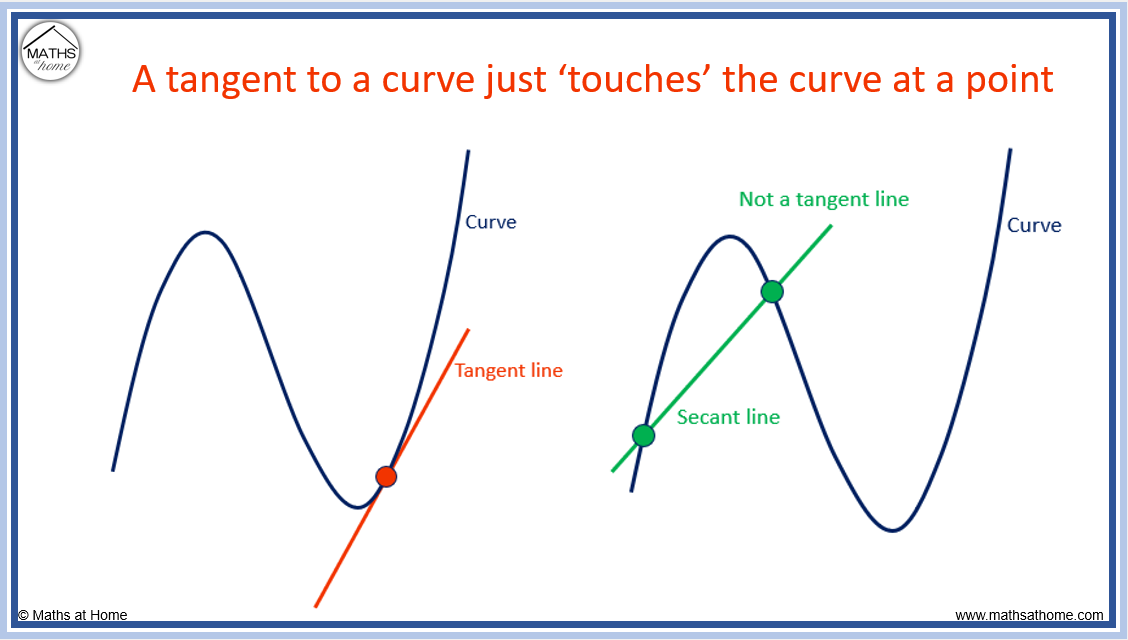
Think of it like this: a curve is a whole journey, right? It’s got twists and turns and maybe even a dramatic dip. But at any single point on that journey, the curve has a specific direction it's heading. It's like asking, "Okay, at this exact moment, which way am I going?" That’s precisely what a tangent line tells us!
Imagine you're riding that rollercoaster. The curve is your entire ride. But at the very peak of a loop, you feel like you're momentarily going straight across, don't you? That straight line you're almost on at that instant? That’s your tangent line!
Must Read
So, how do we actually find this magical tangent line? It’s not like we can just pull out a protractor and measure it on a squiggly thing. Nope! We need a tool. And the coolest tool in our mathematical toolbox for this is something called the derivative.
Now, before you groan and think of nightmare math tests, let’s reframe this. The derivative is essentially a super-smart way to calculate the slope of the tangent line at any point on the curve. And the slope, as you might remember from your algebra days, tells us how steep something is and in which direction it's going. Upward? Downward? Perfectly flat?
Think of the derivative as a slope-finder machine. You feed it the equation of your curve, and it spits out another equation. This new equation, the derivative, tells you the slope of the original curve at any x-value you choose. Pretty neat, huh?
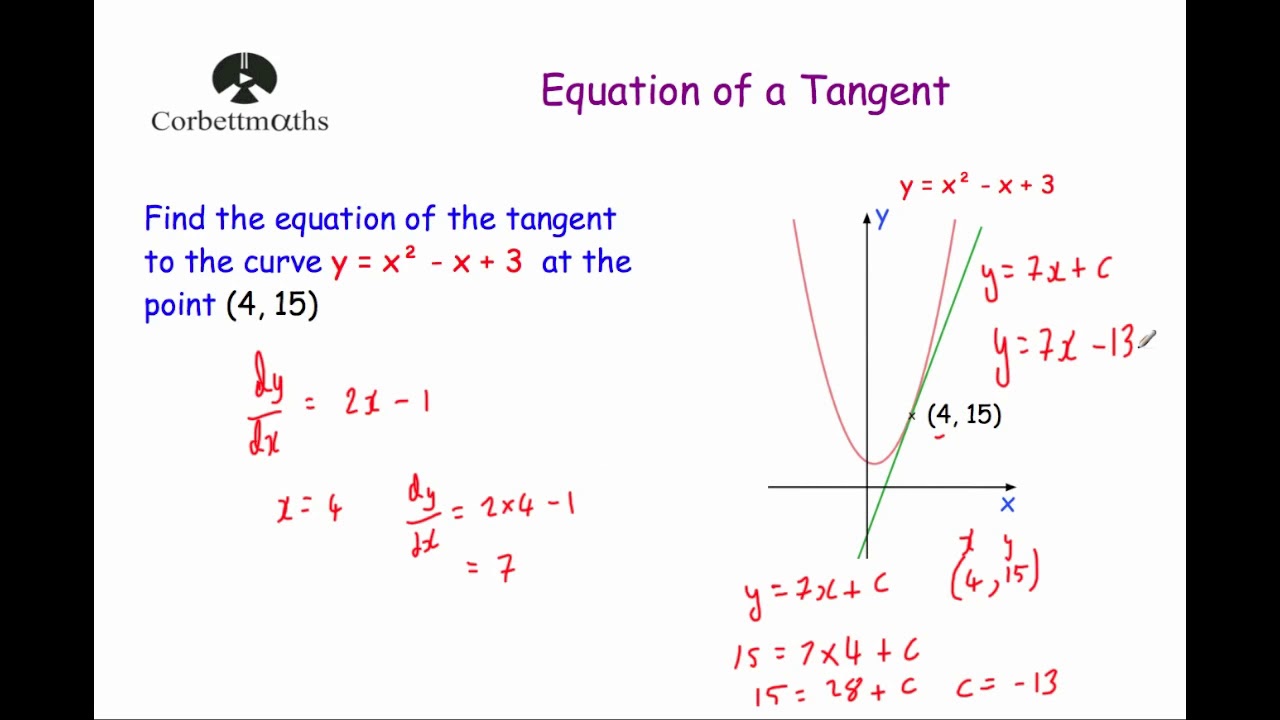
Let’s say you have a simple curve, like a parabola (you know, the U-shaped ones!). The slope of a parabola is constantly changing, right? It's steep going up, flat at the bottom, and steep going down the other side. The derivative is what gives us the exact number for that steepness at any point.
So, step one is to find the derivative of your curve's equation. This usually involves a set of rules – think of them as mini-recipes for differentiating. Don't worry, they’re not as complicated as they sound, and there are tons of resources online to help you master them. It’s like learning new keyboard shortcuts for your brain!
Once you've got your derivative equation, finding the tangent line becomes a two-step tango. First, you need to know which point on the curve you're interested in. Let's say you want to know the tangent at x = 2. You plug this x-value into your derivative equation. Voila! You get a number. That number is the slope of your tangent line at x = 2.
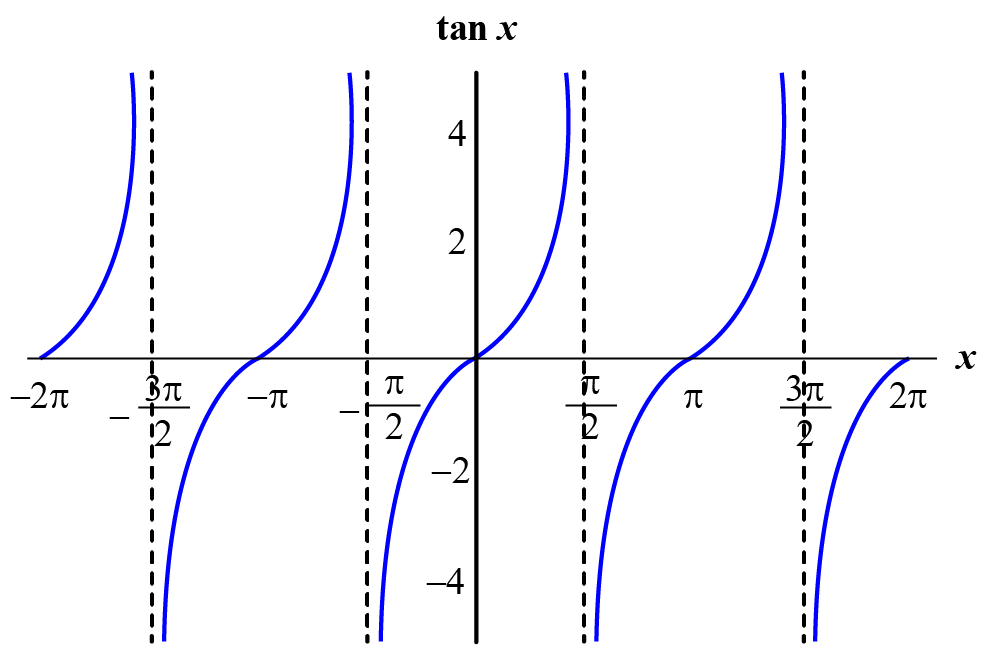
Okay, but what about the line itself?
A line, as we know, is defined by its slope and a point it passes through. We just found the slope! And the point is the one on the original curve where x = 2. To find the y-coordinate of that point, you just plug x = 2 back into the original equation of the curve. Now you have a specific point (x, y) and the slope (m) of your tangent line.
With that magical duo, you can use the point-slope form of a linear equation: y - y1 = m(x - x1). Just substitute your point (x1, y1) and your slope (m), and rearrange it into your favorite form (like y = mx + b, the classic!). And there you have it – the equation of your tangent line!
Why is this even cool?
Oh, let me tell you! Understanding tangents is like unlocking a secret language of motion and change. In physics, it tells you the instantaneous velocity of an object. In economics, it can help predict market trends. In engineering, it's crucial for designing everything from bridges to airplane wings! It’s the mathematical equivalent of saying, "I understand how this is moving right now."
It's also incredibly satisfying to take something that looks chaotic and understand its precise behavior at any given moment. It’s like taming a wild beast with the power of pure logic. How empowering is that?

And on a more personal level, it’s a fantastic way to exercise your brain. Learning about derivatives and tangents is a journey into abstract thinking that can actually make you sharper at problem-solving in all areas of your life. It’s like a mental workout with a seriously rewarding payoff.
So, don't shy away from these concepts! Embrace the challenge. Think of it as adding a new superpower to your mental arsenal. The world is full of curves – from the graceful arc of a dancer to the complex trajectory of a satellite. By understanding tangents, you gain a deeper appreciation and a powerful tool for analyzing them.
Go forth, explore those curves, and let the beauty of the tangent line inspire your curiosity! You’ve got this, and the universe of mathematics is waiting to reveal its wonders to you. Happy exploring!

