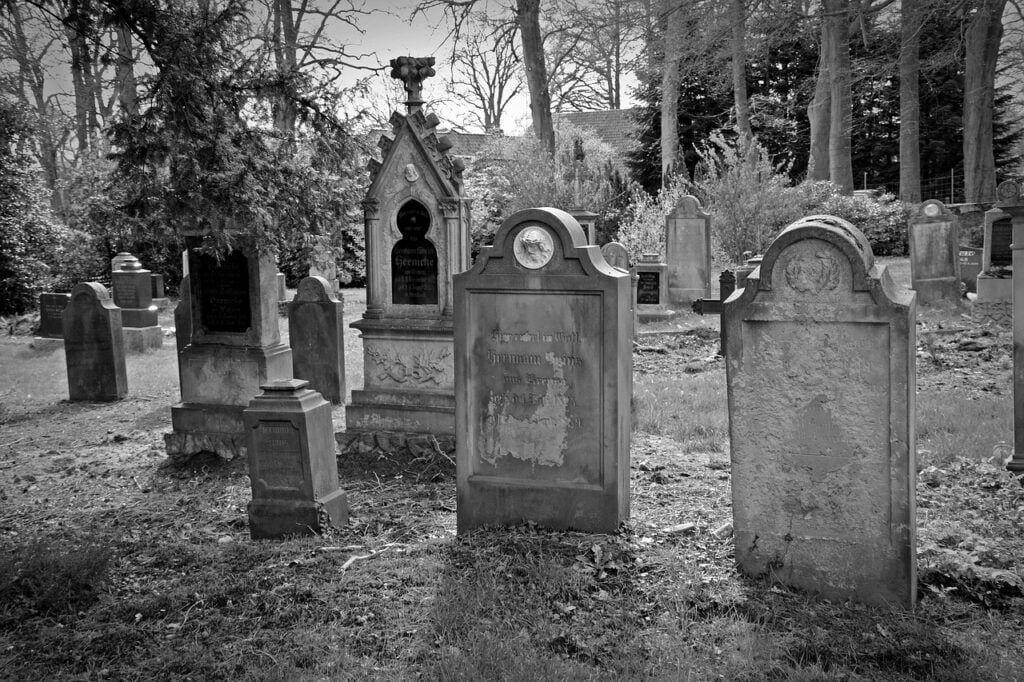
How To Find Someone's Grave
So, you've decided it's time. The urge to connect with a dearly departed has struck. Maybe it's a grandparent you never met, a distant relative, or even just someone who piqued your historical curiosity. Whatever the reason, you’ve set your sights on finding their final resting place.
Let’s be honest, this isn’t exactly a thrilling adventure most people dream about. It’s not like finding buried treasure, though sometimes the knowledge you gain can feel just as valuable. Think of it as a slightly more somber scavenger hunt. One where the prize is a little patch of earth and a name etched in stone.
Where do you even begin? It’s not like there's a giant “Find My Grave” app for the recently deceased. Though, wouldn't that be something? Imagine the convenience. No more cryptic clues or dusty archives. Just a quick tap and there it is, a GPS pin on their eternal address.
Must Read
But alas, we live in the real world. And the real world, when it comes to locating loved ones (or slightly less loved ones), can be a bit of a… well, a process. It requires a certain amount of detective work. The kind that usually involves more sniffing around than actual sniffing.
First things first, you need a name. A full name, ideally. Just "Bob" isn't going to cut it. Unless you're looking for every Bob buried in a particular area, which, let's face it, would be a rather large undertaking. Think of it as the first puzzle piece. Without it, you’re just staring at a blank wall.
Next, you need a general location. Did they live in New York City? Or perhaps a charming little village in rural England? Knowing the city, town, or even county can narrow things down considerably. It’s like knowing the continent before you start searching for a specific beach.
Now, the fun really begins. You’ll likely need to tap into some old-fashioned research. Think family trees, obituaries, and word-of-mouth. Grandma always said Aunt Mildred is buried near the big oak tree. That’s gold, Jerry, gold! Even if the oak tree is no longer there, the information is a starting point.
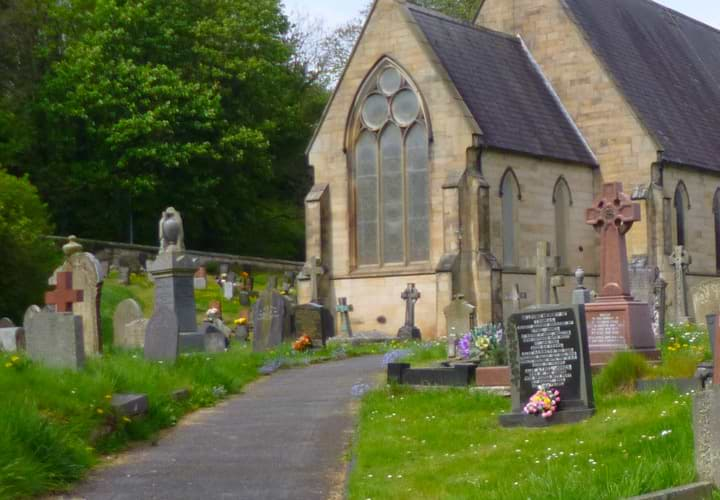
Online resources are your best friend here. Websites like Find A Grave and BillionGraves are incredible resources. They’re essentially massive databases of cemetery records. Think of them as the Wikipedia of the departed. You might find names, birth and death dates, and even photos of the headstones.
But what if your person isn't on those sites? Don't despair just yet. Sometimes, especially for older records, they might not be digitized. This is where local historical societies and libraries come into play. They often have old cemetery records, plot maps, and even newspaper archives.
You might have to physically go to the cemetery. Yes, I know. It sounds… intense. But sometimes, there’s no substitute for boots on the ground. And if you're lucky, the cemetery staff can be incredibly helpful. They’ve seen it all, believe me. They know their way around their little city of stones.
When you do visit a cemetery, be prepared. It can be a surprisingly serene place. Or it can be… a little overgrown. You might need to be prepared to do some light landscaping of your own. A bit of weed-whacking might be in order.
Bring a notebook. And maybe a magnifying glass. You never know what tiny inscription you might miss. Think of yourself as a forensic genealogist. Your mission: to uncover the truth, one headstone at a time.
And the truth, my friends, is that finding someone's grave is often about piecing together fragments. A birth certificate here, a faded newspaper clipping there, a cryptic clue from an elderly relative. It’s a puzzle, and you are the master puzzle solver.
Sometimes, you might get lucky. You might be looking for your great-great-aunt Agnes, and BAM! She's right there on Find A Grave, with a lovely photo of her headstone, even a little epitaph. You’ll feel a surge of triumph. You’ve conquered the grave-finding quest!
Other times, it's more like a slow crawl through molasses. You have a name, a city, but no cemetery. You start calling every cemetery in the city. “Do you have a Mildred Buttercup buried between 1920 and 1960?” The answer, more often than not, is a polite “No, sorry.”

This is where your detective skills really get a workout. You might have to research local newspapers for an obituary. Obituaries often list the funeral home and the cemetery. It’s like finding a breadcrumb trail left by the funeral director.
What if they were buried in a private family plot on their own land? This is a rarer situation, but it happens. In this case, you might need to look at old property records. Or, you know, ask the current landowners very nicely if they’ve ever stumbled upon an unexpected headstone in their backyard.
And let’s not forget the possibility of cremation. Not everyone chooses burial. If your person was cremated, finding their resting place might mean finding an urn in someone’s home, or a columbarium niche. That’s a whole other ballgame.
There’s a certain charm to the old ways, though. The days when you’d ask around the local church. Or visit the town hall and sift through dusty ledgers. It had a certain… gravitas. See what I did there?
The key is patience. And persistence. You might have to try different spellings of names. People’s names weren’t always recorded perfectly back in the day. “McLeod” could easily become “McCloud” or even “MacLeod.”
Don’t get discouraged if your first few attempts yield nothing. Every dead end is just a signpost pointing you in a different direction. Think of it as the universe testing your resolve. Are you really committed to finding this person?
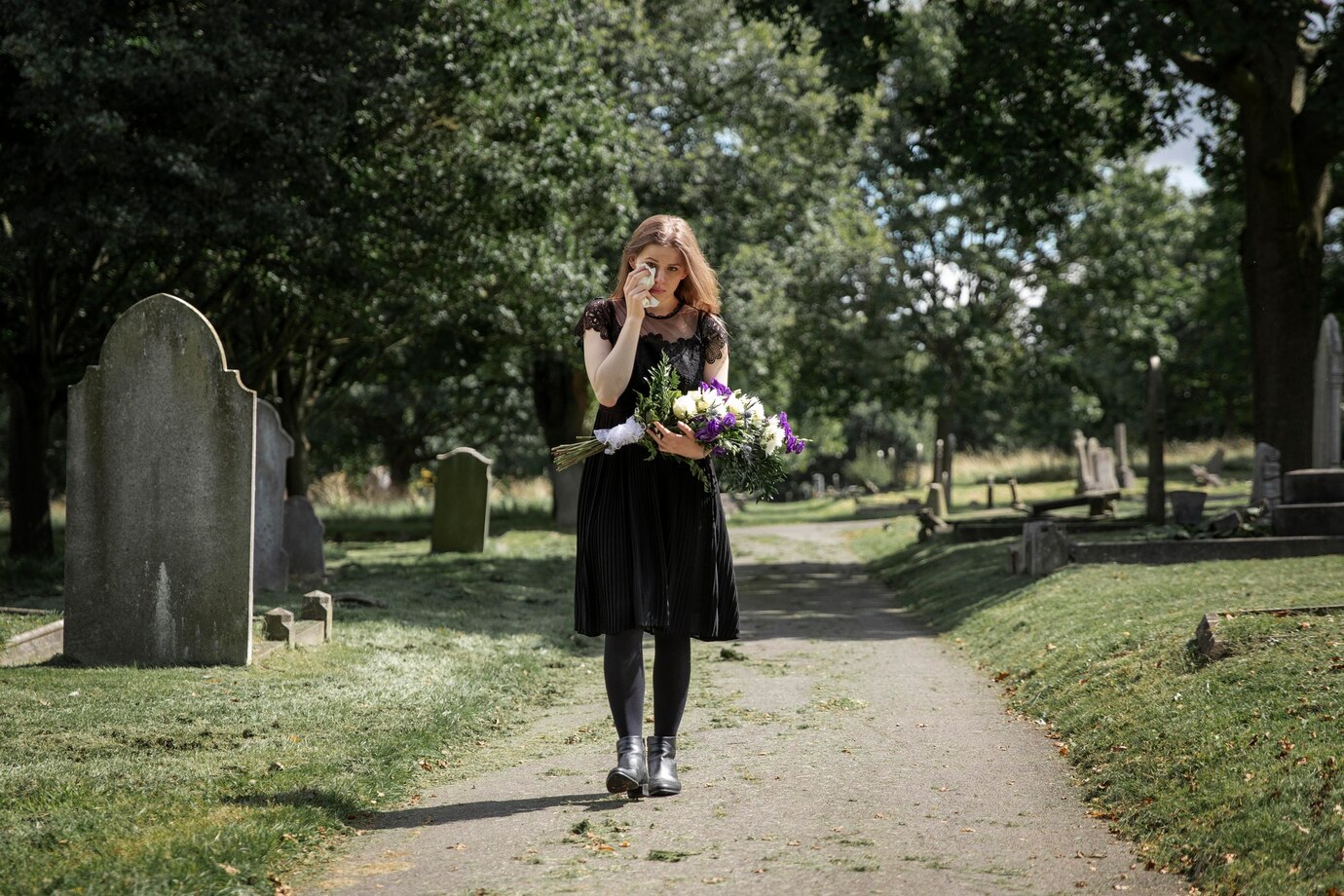
And when you finally find it? That little patch of grass, that inscribed stone, that quiet moment of reflection. It’s surprisingly rewarding. You’ve done it. You’ve connected with a piece of history, a forgotten name, a life lived.
It's not for everyone, this grave-finding business. It’s not exactly a party activity. But for those of us who feel that pull, that desire to know where a story ends, it’s a journey worth taking. So, go forth, intrepid grave-hunter. May your searches be fruitful, and your discoveries… illuminating.