How To Find Out My Tyre Size
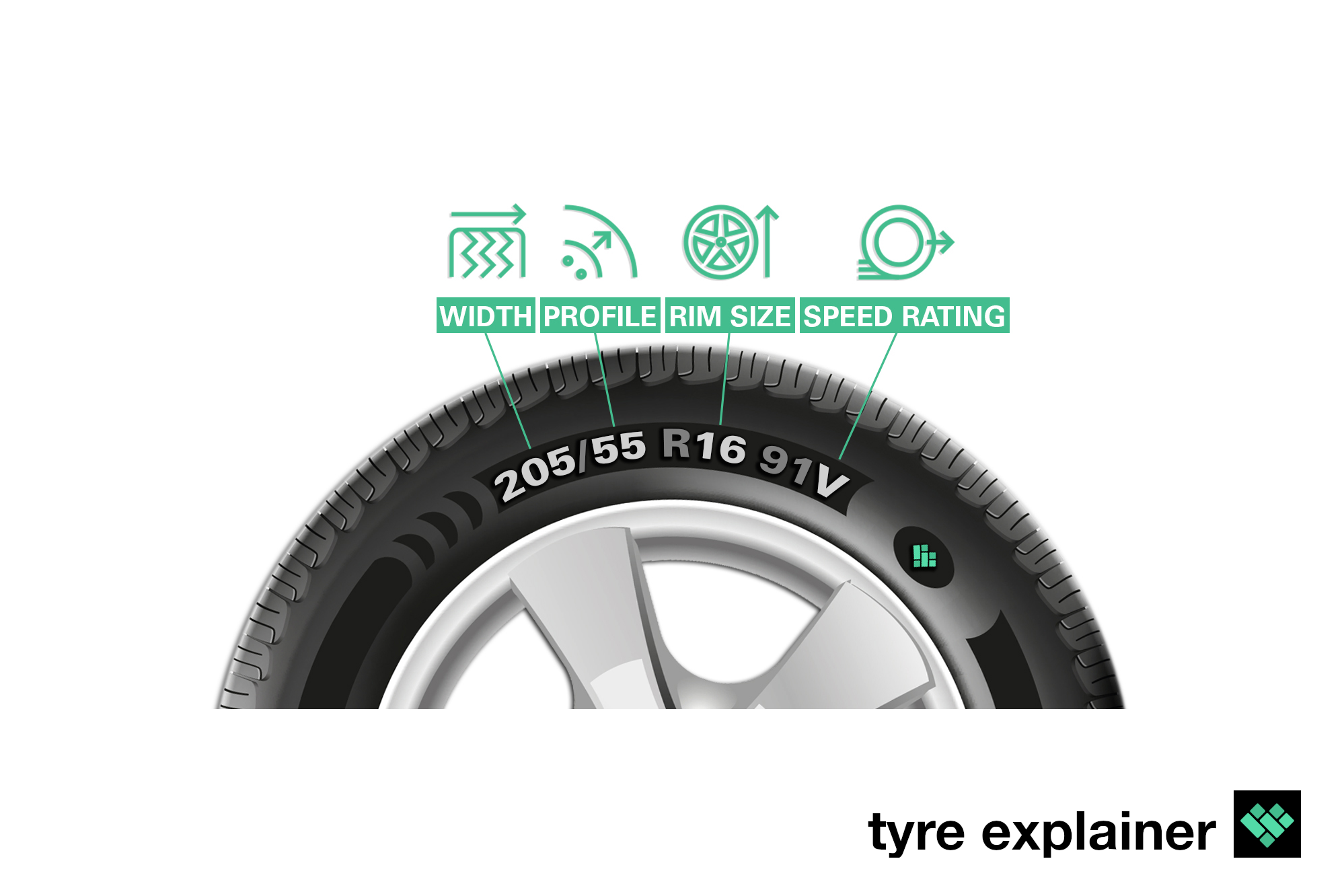
Ever found yourself staring at your car's wheel, a little bewildered by the string of numbers and letters etched into the rubber? You're not alone! For many of us, deciphering our tyre size isn't exactly a hobby we pursue with gusto, but understanding it is surprisingly satisfying, almost like cracking a secret code that keeps you rolling smoothly. Think of it as the key to your car's comfort and safety, a tiny detail with a huge impact on your driving experience.
So, why bother with this seemingly cryptic information? Well, knowing your tyre size is absolutely essential for a few very practical reasons. Firstly, it's the blueprint for buying new tyres. Get the size wrong, and those shiny new tyres won't fit, leaving you with a rather expensive and useless paperweight. Secondly, it impacts your car's performance and even its fuel efficiency. The right size ensures your speedometer is accurate, your car handles as it should, and you're not needlessly burning extra fuel. Imagine trying to wear shoes that are two sizes too big or too small – it’s not going to be a pleasant or effective experience, and the same applies to your car and its tyres!
The most common place you'll encounter tyre sizes is, of course, when you need to replace them. But it also comes into play if you're considering upgrading your wheels, as different wheel diameters often require different tyre profiles. Some car enthusiasts might even delve into tyre sizing for performance tuning, looking for specific characteristics like wider treads for better grip or lower profiles for sharper handling. It's a fundamental piece of information that underpins many decisions about your vehicle.
Must Read
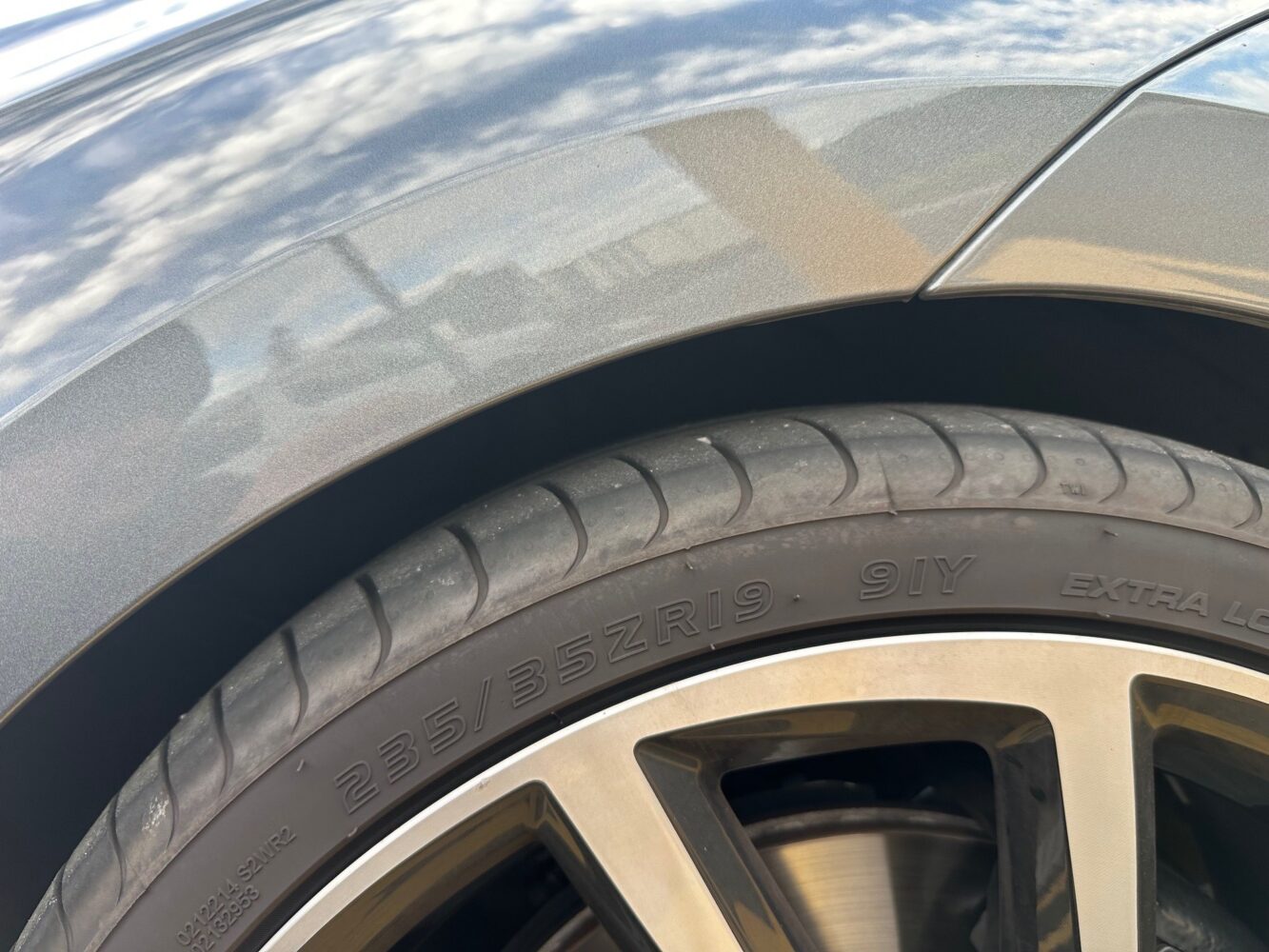
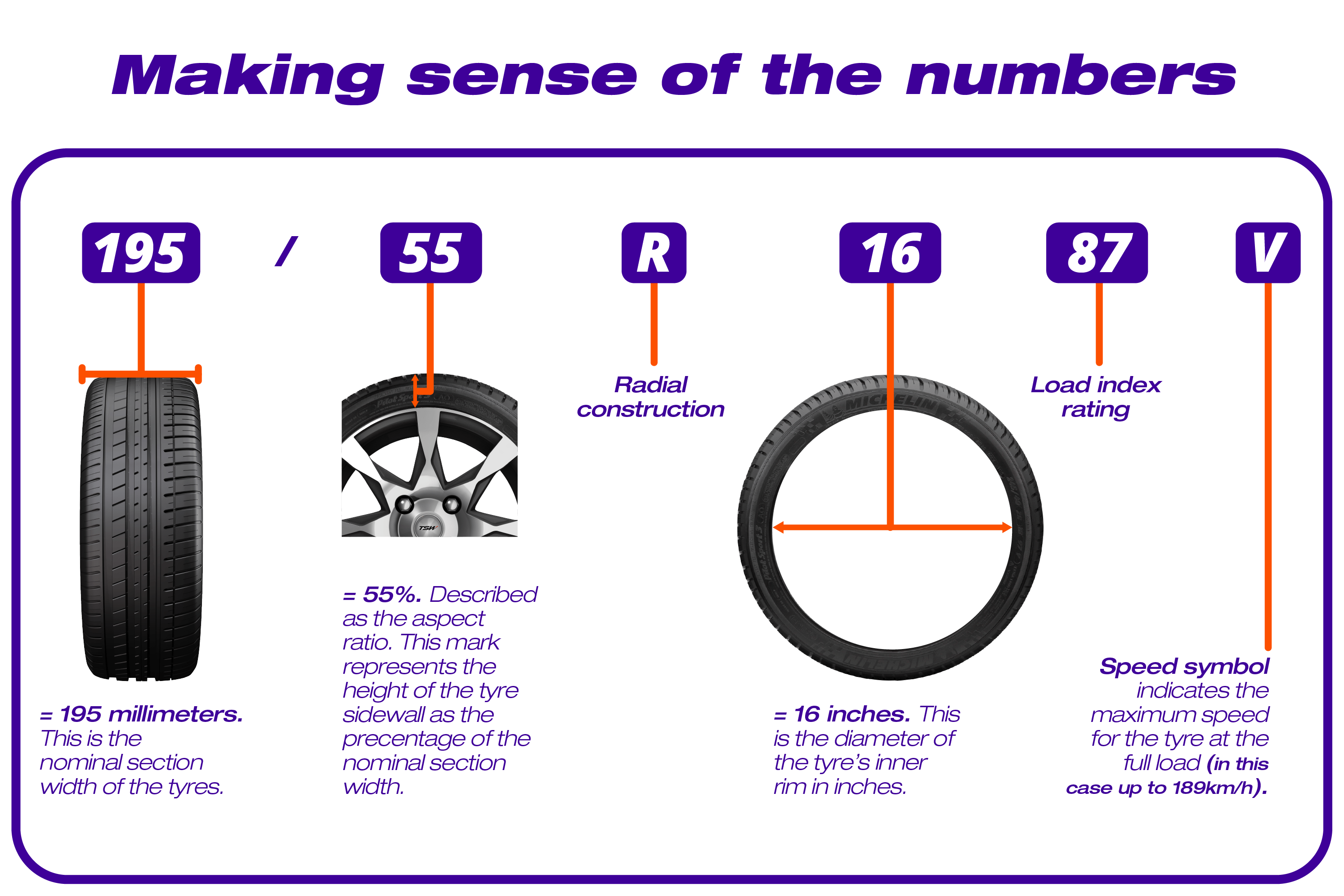
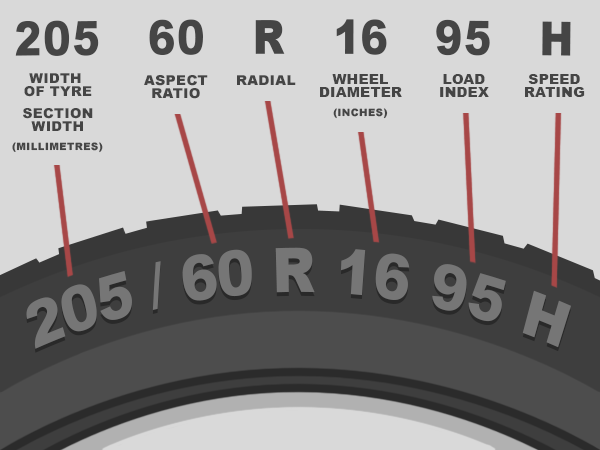
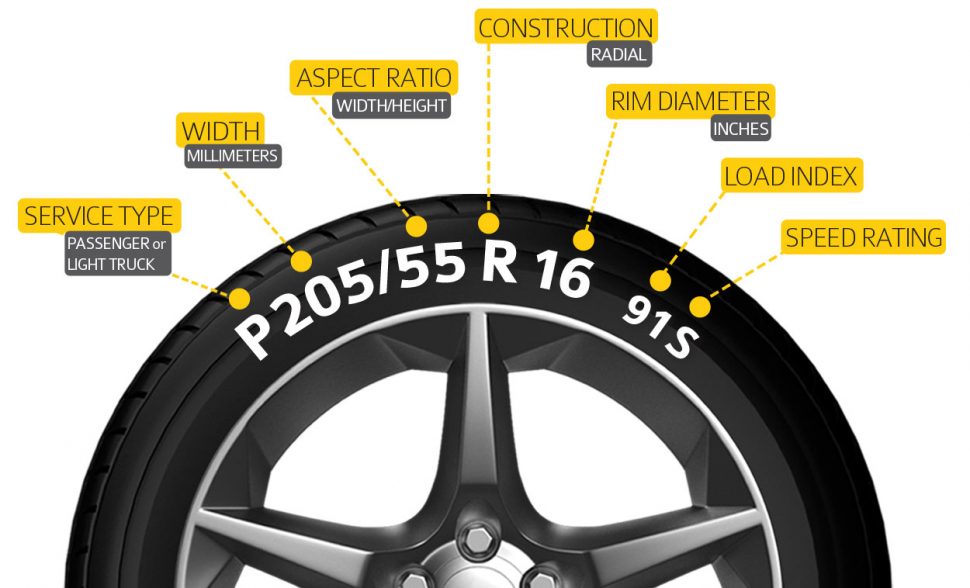
Now, for the fun part – how to actually find your tyre size! It's surprisingly straightforward. The easiest way is to simply look at the sidewall of your current tyre. You'll see a sequence of numbers and letters, typically something like "P215/65R15 95H". Let's break that down without getting too technical: the "215" is the width of the tyre in millimeters, the "65" is the aspect ratio (the height of the tyre's sidewall as a percentage of its width), and the "R" indicates it's a radial tyre. The "15" is the diameter of the wheel in inches. The last two, "95H", refer to the load index and speed rating, respectively. Don't stress too much about those last two for basic replacement, but they're good to be aware of.
If the sidewall is too worn or you can't quite make it out, don't despair! Your car's owner's manual is another goldmine of information. Flip through it, and you'll find a section detailing the recommended tyre sizes for your specific make and model. Many cars also have a sticker on the driver's side doorjamb or inside the fuel filler flap that lists the original tyre size. For those who love a digital approach, a quick online search for your car's make, model, and year, combined with "tyre size," will often yield results from reputable tyre retailers or automotive forums. To enjoy this process even more, take a picture of the sidewall with your phone so you have it handy when you're browsing online or at a tyre shop. It's all about making life a little easier and ensuring your car continues to serve you well on every journey. Happy deciphering!