How To Find Colour Code Of Car

Ever found yourself admiring a particularly vibrant car cruising down the street, or perhaps you're embarking on a DIY paint touch-up project and suddenly realize you've forgotten that lovely shade of "Ocean Breeze" your car used to be? Discovering your car's colour code might sound like a niche quest, but it’s surprisingly useful and can even be a bit of fun! It’s like unlocking a secret language of your vehicle, a small detail that unlocks a whole world of possibilities, whether for aesthetic perfection or practical necessity.
So, what exactly is a car's colour code, and why bother? Simply put, it's a unique identifier for your car's paint finish. Manufacturers use these codes to ensure consistency across their production lines and to make it easy for them (and for us!) to find the exact shade needed for repairs or customization. Think of it as the paint's DNA. The primary benefit? Accuracy. When you need to buy touch-up paint, order a new panel, or even just understand the original finish of a classic car, having the correct code means you're getting a perfect match. No more unsightly splotches of "close enough" paint!
Beyond the practical, understanding colour codes can be surprisingly engaging. In educational settings, it’s a fantastic real-world application of data organization and identification systems. Imagine a lesson on how products are manufactured and how specialized information is tracked – car paint codes are a perfect, tangible example. For the budding auto enthusiast, it’s a step towards a deeper appreciation of automotive design and engineering. In daily life, the benefits are immediate. Have you ever tried to get a tiny scratch fixed? Without the code, the repair shop might have to 'eyeball' the colour, leading to a less-than-perfect blend. With the code, it’s a science.
Must Read
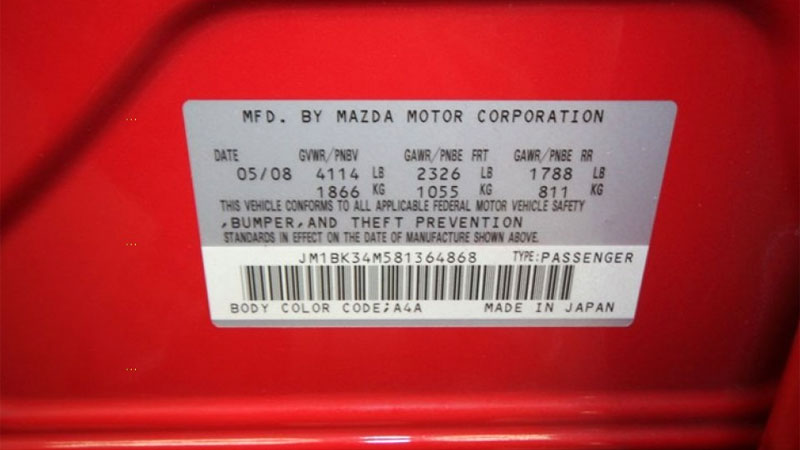
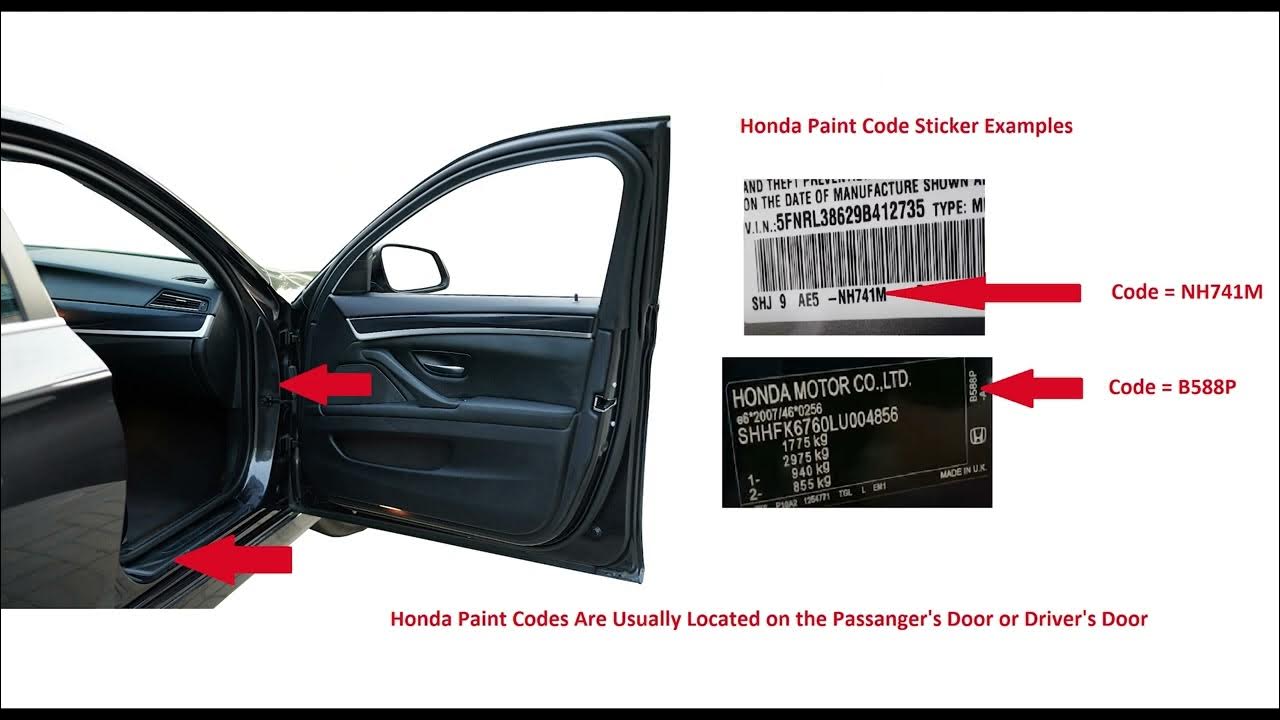
Finding your car's colour code is often easier than you might think. The most common place is on a sticker or plaque located in a few key areas. Pop your driver's side door jamb open – that's a prime spot. You might also find it on the firewall (under the hood, on the panel separating the engine from the cabin) or in the glove compartment. These stickers often have a VIN (Vehicle Identification Number) and a separate code, sometimes labelled 'Paint', 'Colour', or with a specific manufacturer's designation. Don't be alarmed if the code looks like a combination of letters and numbers; this is normal! Many manufacturers use their own specific formats, so it’s worth doing a quick online search for your car's make and model to see common locations and code formats.
If the sticker is missing or unreadable, don't despair! Your car's owner's manual might contain this information, or you can always contact your car's dealership. They have access to your car's complete manufacturing records and can usually look it up using your VIN. Sometimes, the colour code is also listed on your car's registration or insurance documents. So, next time you're curious about that specific shade of "Midnight Black" or "Crimson Red," you’ll know where to look. It’s a small detail, but a powerful tool for maintaining, understanding, and appreciating your vehicle.