How To Find A Tracker On My Car
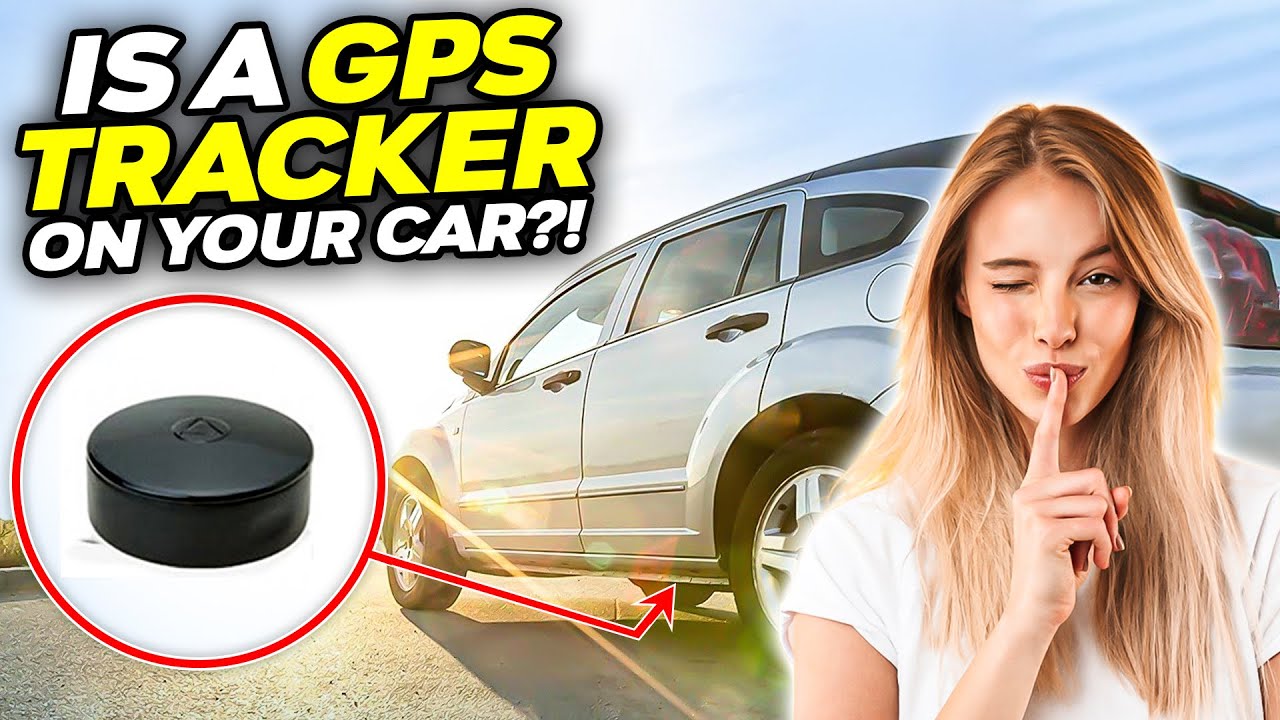
Hey there, cool cats and kittens! Ever get that nagging feeling that someone might be a little too interested in your daily commute? Maybe you've seen one too many spy thrillers, or perhaps you've just had a weird gut feeling. Whatever the reason, the thought of a hidden tracker on your car can be, well, a bit of a buzzkill. But before you start channeling your inner James Bond and plastering tin foil all over your dashboard, let’s take a deep breath and approach this with a bit of laid-back detective work. Think less cloak-and-dagger, more a leisurely Sunday drive of discovery.
In today’s hyper-connected world, it’s not entirely out of the realm of possibility. From concerned (or maybe just very curious) exes to overzealous employers, there are folks out there who might consider a little electronic snooping. But here’s the good news: most of these devices aren't exactly invisible nano-bots deployed by MI6. They’re often pretty straightforward, and with a keen eye and a little patience, you can often spot them.
So, let's ditch the paranoia and embrace the practical. This isn't about being paranoid; it's about being informed and feeling secure. It's like knowing how to change a flat tire – a useful skill that gives you peace of mind, not an invitation to join a roadside assistance cult. We’re going to break down how to do a thorough sweep of your ride, turning you into your own personal automotive investigator, without the fedora and trench coat. Ready to roll?
Must Read
The Art of the Visual Scan: What to Look For
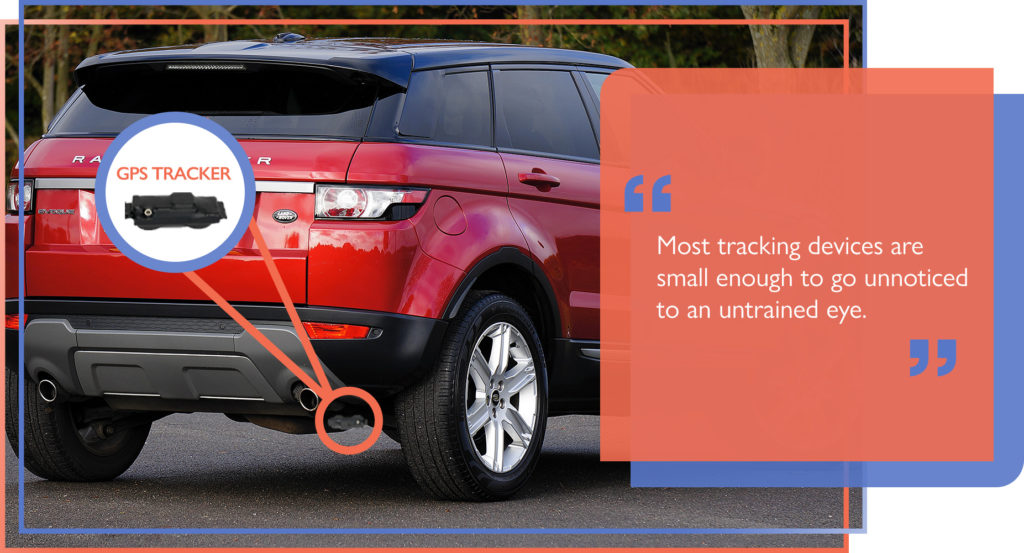
Our first line of defense is good old-fashioned observation. Think of it like a meticulous spring cleaning, but instead of dusting the forgotten corners, you're looking for anything that doesn't belong. Most GPS trackers are designed to be relatively small, often no bigger than a deck of cards, and they usually have an antenna. They also need a power source, which is key to where you'll be looking.
Exterior Check: The Underbelly Expedition
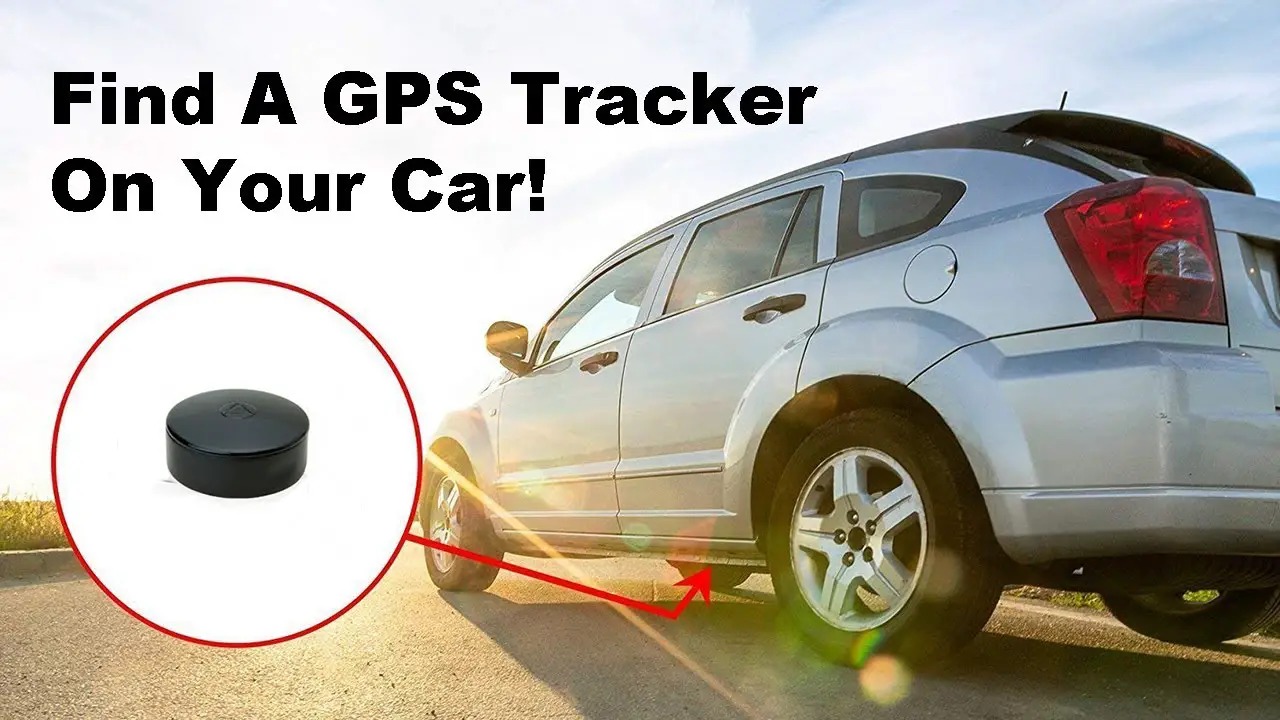
This is where most trackers are deployed. Why? Because they're usually magnetically attached and out of sight. So, grab a flashlight – a good, bright one, like the kind you'd use for camping or a midnight snack raid. Get down low, or have a friend with a slightly more flexible back help you out. You’re looking for anything that’s:
- Oddly attached: Is there a small black box, perhaps with an antenna sticking out, that’s been stuck to the underside of your chassis, your wheel wells, or behind your bumpers?
- Neatly tucked away: Sometimes they're hidden in plastic housings or tucked into nooks and crannies. Run your hand along the frame and feel for anything unusual.
- Newly installed-looking: Does the area where something might be attached look cleaner or have different paint than the surrounding metal? This could indicate it's been recently tampered with.
A fun little fact: Many of these magnetic trackers are designed to withstand the elements, but extreme conditions or rough road surfaces could dislodge them. So, a good visual scan of the entire undercarriage is your best bet.
Interior Check: The Hidden Pockets of Your Ride
While less common for long-term tracking (as they might lose satellite signal), some trackers can be hidden inside the cabin. Think of it as searching for lost change or that rogue french fry that’s been playing hide-and-seek. Here are the prime suspects:

- Under the dashboard: Get on your back and look up! Use that flashlight to peer into the abyss above your feet. Check for anything taped or velcroed to the back of the dashboard panels.
- Inside the center console: This is a classic hiding spot. Empty it out completely. Look for anything unusual in the lining or attached to the underside of the lid.
- Seat pockets and upholstery: Feel along the seams of your seats, especially in the back. Sometimes, smaller devices can be wedged or taped into these spaces.
- The trunk: Don’t forget the back! Lift up the carpet lining and check underneath. Look behind the spare tire well as well.
Pro Tip: If you have a newer car with a lot of built-in tech (like charging ports and sensors), it can be harder to spot something out of place. This is where understanding your car's usual layout becomes important. If something looks off, it probably is.
Beyond the Visual: What Else to Consider
So, you’ve done a thorough visual sweep and found nothing immediately obvious. Don't despair! Sometimes, trackers are more sophisticated or cleverly disguised. Let’s talk about the other clues that might point to your car being… monitored.
The Battery Drain Detective
Many real-time GPS trackers have their own internal battery. However, some might be designed to tap into your car’s electrical system for a continuous power source. If you’ve noticed a significant and unexplained drain on your car battery, especially if it seems to happen even when the car isn't being used for extended periods, it's worth investigating.
How to Check:
- Monitor your battery health: If your car has a battery health indicator, keep an eye on it.
- Observe starting patterns: Does your car struggle to start after sitting for a while, more so than usual?
- Seek professional advice: If you suspect a battery drain issue, a mechanic can help diagnose if there's an unauthorized electrical draw. This isn't a guaranteed tracker indicator, as there are many reasons for battery drain, but it's a piece of the puzzle.
The Mysterious "Beep" or "Hum"

This is more in the realm of spy movies, but some older or more basic tracking devices might emit a faint sound. This is less common with modern GPS trackers, which are typically silent. However, if you hear unusual clicking, beeping, or humming noises coming from specific areas of your car, especially when it's turned off, it's worth a closer listen.
Listen carefully: Park your car in a quiet location, turn off the engine, and just listen. Pop the hood, open the doors, and try to pinpoint the source of any strange sounds.
The "Glow" Factor
Some older tracking devices, particularly those that might be trying to communicate wirelessly, could have small indicator lights. These are usually very faint and might only be visible in complete darkness. If you’re doing a nighttime inspection, keep an eye out for any tiny, unusual blinking or steady lights, especially on the exterior or under the dash.
Your Car's Familiarity is Your Friend
This is perhaps the most powerful tool in your arsenal: knowing your car. Think about it. You know where that squeaky sound comes from, you know how the dashboard lights usually behave, and you know the usual smell of your car’s interior. Anything that deviates from that familiar norm is worth a second look.

When in doubt, consult your manual: If you're unsure about a specific wire or component you find, cross-reference it with your car's owner's manual. It's the ultimate guide to what should be there.
When to Call in the Professionals
Let’s be real, not everyone is a DIY mechanic or a master of automotive espionage. If you’ve done your best, followed these steps, and are still feeling uneasy, or if you’ve found something genuinely suspicious but aren’t sure what it is, it’s perfectly okay to get some help.
Your Trusted Mechanic: They see cars all day, every day. They know what belongs and what doesn’t. If you suspect a hidden device, they can perform a more thorough inspection, especially of the electrical system and undercarriage. Be upfront with them about your concerns. They’ve likely encountered similar situations before.
Security Specialists: For those who are really concerned or have a specific reason to believe they are being targeted, there are professional counter-surveillance specialists. They have the tools and expertise to detect even the most sophisticated tracking devices. This is, of course, a more significant step, but it offers the highest level of assurance.
A Quick Cultural Note: Think of this like hiring a private investigator in a classic detective novel. Sometimes, the best solution is to outsource the really tricky bits to someone who’s an expert. It saves you time, stress, and potentially a lot of head-scratching.
What If You Find Something?
Okay, deep breaths. You’ve found it. It’s a small, rectangular box with a blinking light, magnetically attached under your driver’s side door. What now?
1. Don't Panic, Don't Touch (Yet): Resist the urge to rip it off immediately. If it's connected to something, you could damage it or even your car. Also, if this is part of an investigation (which we hope it's not!), tampering could compromise evidence.
2. Document Everything: Take clear photos and videos of the device, its location, and its condition. Note the time and date of discovery. This is crucial if you decide to involve law enforcement or legal counsel.
3. Contact the Authorities (If Necessary): If you have reason to believe this is part of a criminal activity, harassment, or stalking, contact your local police department. They can advise you on the next steps and how to handle the device safely and legally.
4. Remove It Safely (With Professional Help if Unsure): If you've contacted the police and they advise removal, or if you're confident it's not part of an ongoing investigation and you want it gone, a mechanic can help. They can disconnect it carefully and ensure no damage is done.
A Little Dose of Reality: Most people will never find a tracker on their car. The vast majority of cars are just… cars, going about their business. So, while it’s good to be aware, don't let it become a constant worry. Think of this as a proactive check-up, like getting your oil changed – a sensible habit for maintaining your peace of mind.
In the grand scheme of things, whether you're looking for a hidden tracker or just trying to find that elusive parking spot, it’s all about being observant and taking a little ownership of your personal space. Our cars are like extensions of our homes on wheels. They’re where we commute, where we escape, and where we often spend a good chunk of our lives. Ensuring they feel safe and private is just an extension of keeping our homes secure.
So, next time you're giving your car a quick wash, or even just waiting at a red light, take a moment. Look around. Feel that sense of control. It’s not about expecting the worst; it’s about embracing the confidence that comes from knowing you’re on top of things. And honestly, that feeling of being prepared is just as good as finding a perfectly brewed cup of coffee on a Monday morning. Now go forth and drive with a little extra peace of mind!