How To Figure Pitch Of A Roof
Ever looked up at your house and wondered, "What's the deal with that roof pitch?" It sounds super technical, like something only a contractor with a hard hat and a clipboard would worry about. But guess what? Understanding your roof's pitch – that's just its slope, how steep it is – is actually pretty useful, and dare I say, kinda fun to figure out. Think of it like trying to guess how steep a ski slope is before you strap on your skis. You can tell if it's a gentle bunny hill or a heart-stopping black diamond just by looking!
So, why should you, an everyday awesome person, care about roof pitch? Well, it's not just for bragging rights at your next neighborhood barbecue. Your roof's pitch plays a big role in how well it sheds water and snow, how much attic space you have, and even how much those shingles cost to replace. A steep roof might be a pain to walk on, but it's a champ at keeping water away. A flatter roof, on the other hand, might need a bit more TLC to prevent leaks.
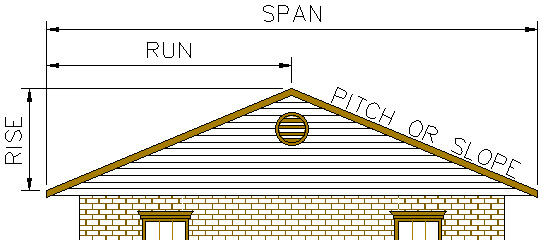
Let's break it down. Imagine your roof is a giant triangle sitting on top of your house. The pitch is basically the steepness of the two sloping sides of that triangle. In the world of roofing, we talk about pitch as a ratio. It's usually something like "4 in 12" or "6 in 12." What does that even mean? Let's ditch the jargon for a sec and get relatable.
Must Read
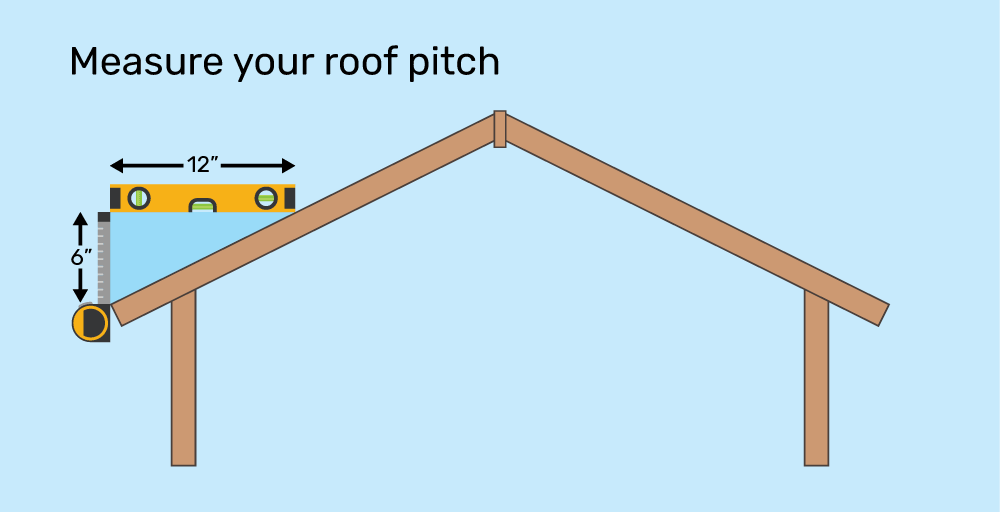
Think about climbing stairs. For every 12 inches you walk horizontally (that's across, like walking on flat ground), how many inches do you go up? That's your roof pitch! So, if you hear "4 in 12," it means for every foot (12 inches) you move horizontally, your roof rises 4 inches. A "6 in 12" roof rises 6 inches for every foot across. See? Not so scary!
Now, how do you actually figure this out without a degree in advanced trigonometry? Don't worry, we're not pulling out protractors here. There are a few super simple ways to get a handle on your roof's pitch.

The Super-Simple Eyeball Test (with a little help)
This is for those "I just want a general idea" moments. Stand back from your house and look at your roof. Does it look almost flat, like a gentle ramp? That's probably a low pitch, maybe a 2 in 12 or 3 in 12. Think of a slight incline on a sidewalk. If it looks like a standard house roof, the kind you see most often, it's likely in the middle range, around a 4 in 12 to a 6 in 12. This is your everyday, reliable roof.
If it looks really steep, like you might need climbing gear, that's a higher pitch, maybe a 7 in 12 or 8 in 12. Think of the roof on a classic A-frame cabin or a dramatic cathedral. These roofs are built for shedding snow like a pro!
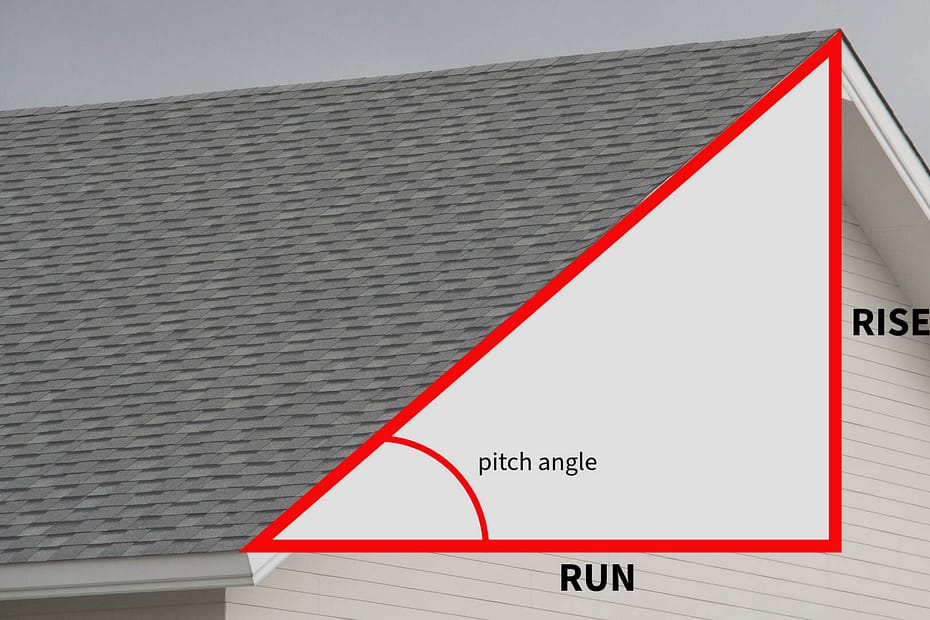
To make this a little more accurate, you can use a simple tool. Grab a measuring tape and a level. Stand on the ground and hold the level against the sloping part of your roof (or get a friend to help you reach safely!). Imagine a point 12 inches out from where the level touches the roof. Now, measure how much the roof rises from the level line to that imaginary point. That's your rise!
Or, a slightly more advanced version of the eyeball test: Find a roof section that's easily accessible from the ground (maybe a porch roof or a dormer). Take your measuring tape and measure 12 inches horizontally along the roof surface from a rafter or a visible seam. Then, measure how much the roof rises vertically from that point to the peak of the roof. If it rises, say, 5 inches, you've got a 5 in 12 pitch! Easy peasy.
The "Borrow a Contractor's Tool" Method (if you're feeling bold)
If you're friendly with a roofer or a handy neighbor, they might have a handy tool called a pitch finder or a roofing gauge. These gadgets are specifically designed to tell you the roof pitch. It's like having a magic wand for roof slopes! You just hold it against the roof, and poof, it tells you the ratio. If you ever get a chance to play with one, go for it!
The "Staircase Analogy" Revisited (for the mathematically inclined)
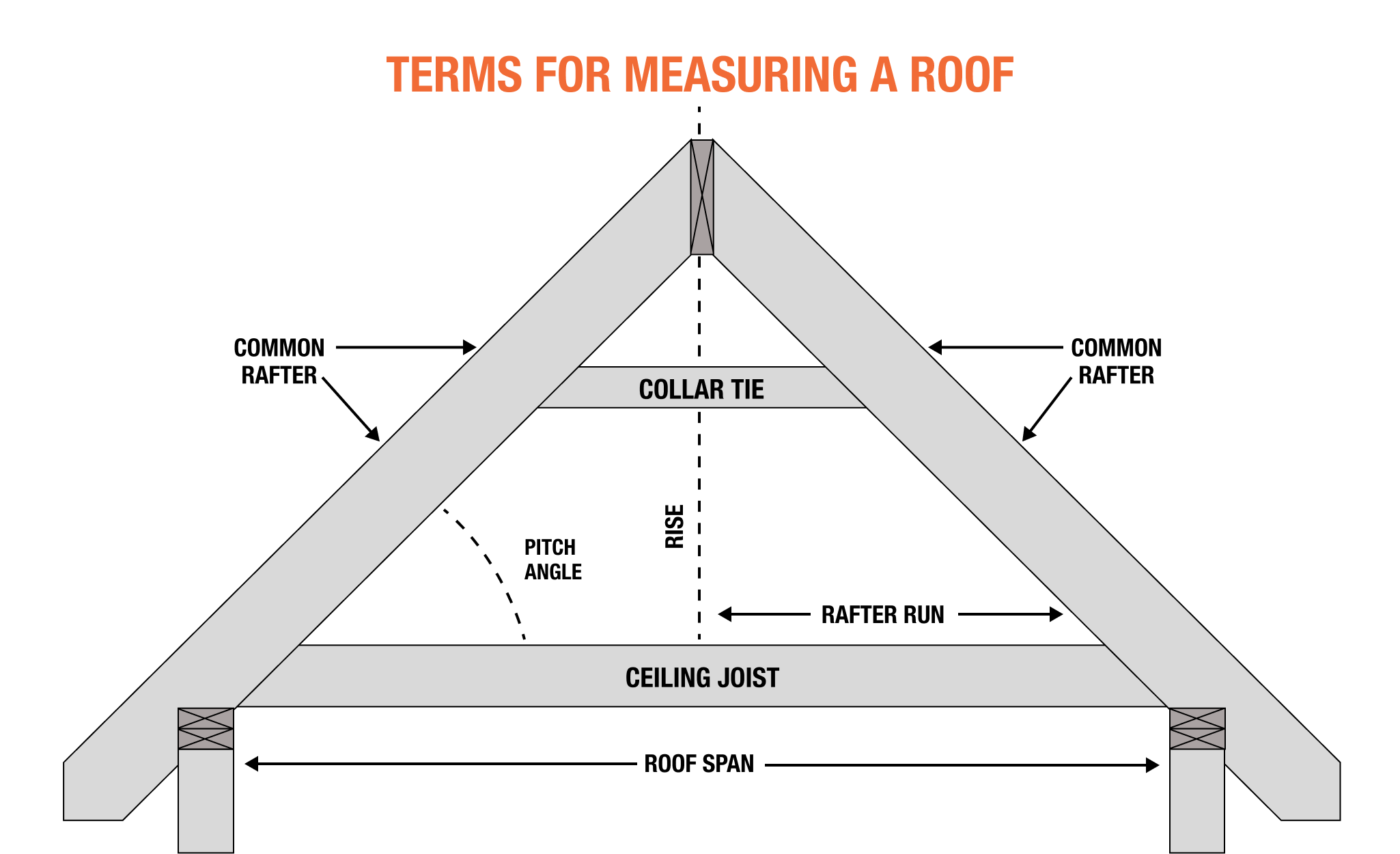
Let's say you're up in your attic. You can actually measure this yourself! Find a rafter – that's one of the big wooden beams that make up the roof's skeleton. Measure 12 inches horizontally along the rafter from the outer wall of your house. Now, measure the vertical distance from that 12-inch mark straight up to the underside of the roof decking. That vertical measurement is your "rise." So, if you measured 12 inches horizontally and it rose 5 inches vertically, you've got a 5 in 12 pitch. This is the most accurate DIY method.
Why is this important? Well, imagine you're looking to get new shingles. Certain types of shingles are better suited for different pitches. A low-slope roof might need special underlayment or even a different type of roofing material altogether to prevent water from seeping in. Think of it like wearing a raincoat for a drizzle versus a full-on downpour. You need the right protection for the job!
Also, if you're ever thinking about adding an attic room or just want to know how much headroom you really have, the pitch is a big clue. A steeper roof means a more dramatic, cathedral-like ceiling in your attic space. A flatter roof means you might feel a bit more… cozy. And let's be honest, who doesn't love a little extra headroom?
Another fun fact: roof pitch can affect how much snow and rain your roof can handle. Those super steep roofs are fantastic at shedding snow quickly, preventing heavy snow loads from weighing down your house. Those lovely slopes are like natural water slides for the winter!
So, the next time you look up at your roof, don't just see a covering. See a slope, a pitch, a protector of your cozy abode. And if you're feeling adventurous, try to figure out its pitch. You might be surprised at how much you can learn, and you'll definitely have a more informed conversation next time your roof needs a little love. It’s all about understanding the personality of your house!