How To Do Umrah Step By Step

So, you’re thinking about embarking on a journey of a lifetime, a spiritual pilgrimage that’s as enriching as it is profoundly moving – Umrah. It’s that beautiful little cousin of the Hajj, accessible year-round and offering a chance to connect with your faith in the most sacred of places. Forget any notions of complicated itineraries or overwhelming preparations. We’re going to break it down, step by step, with a vibe that’s more relaxed getaway with a divine purpose, and less military operation.
Think of Umrah not just as a religious duty, but as an experience. It's a chance to press pause on the everyday hustle, to trade your to-do lists for soul-searching, and to immerse yourself in an atmosphere unlike any other. From the moment you start planning, you’ll feel a gentle shift, a stirring of anticipation that’s truly special. And trust us, the memories you make will stay with you long after you’ve unpacked your suitcase.
Getting Ready: The Chill Before the Thrill
Before we even think about stepping foot in Makkah, there’s a little bit of prep to do. It’s not about stress; it’s about making sure your journey is as smooth as a perfectly brewed cup of Arabic coffee.
Must Read
Visas and Flights: The Essential Bookings
This is where the adventure truly begins! You’ll need to secure your Umrah visa. The good news is, many countries now offer e-visas, which are super convenient. Check with your local travel agents or the Saudi Arabian embassy for the most up-to-date information. Think of it as getting your golden ticket. As for flights, book them in advance to snag the best deals. Makkah and Madinah are buzzing with pilgrims, so early booking is your best friend here.
Pro Tip: Consider booking your flights and accommodation together through reputable Umrah travel agencies. They often have packages that simplify the whole process and can be a lifesaver, especially if this is your first time.
Health Checks and Vaccinations: A Little Self-Care
Just like any trip, a quick check-up with your doctor is a smart move. Make sure you’re up-to-date on any recommended vaccinations. This isn't about worrying; it's about taking care of yourself so you can fully embrace the spiritual experience without any health hiccups. Staying healthy is key to a fulfilling journey.
Packing Smart: Less is More, Especially Spiritually
When it comes to packing for Umrah, think comfort and practicality. You’ll be doing a lot of walking and spending time in prayer. Pack light, breathable clothing. For men, the Ihram attire is essential. It’s two unstitched pieces of white cloth. Make sure it’s good quality and comfortable. For women, loose-fitting, modest clothing is key. Think long dresses, hijabs, or scarves.
Don’t forget a comfortable pair of walking shoes or sandals – your feet will thank you! A small prayer mat can be a nice personal touch, though many mosques provide them. And of course, a Quran and a notebook for reflections.
Fun Fact: The Ihram clothing symbolizes purity and equality, stripping away any worldly status or differences as pilgrims prepare to stand before their Creator.

Entering the Sacred State: The Ihram Ritual
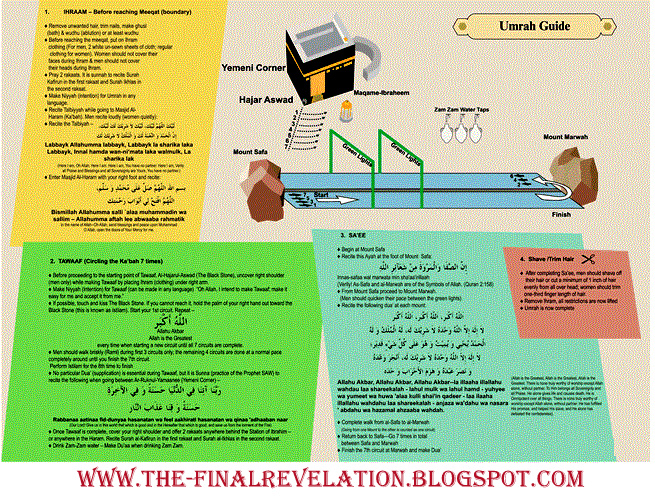
This is a pivotal moment. The Ihram is more than just clothing; it’s a spiritual state of intention and purity. You’ll typically enter this state at a designated Miqat (a specific boundary point) before reaching Makkah.
The Intention (Niyyah)
Before changing into your Ihram, you’ll make your intention to perform Umrah. This is a deeply personal moment. You’ll say, “Labbayk Allahumma Umrah” (Here I am, O Allah, for Umrah). This is the spiritual ignition switch for your pilgrimage.
The Change and the Talbiyah
Once you’ve made your intention, you’ll change into your Ihram garments. Then, you’ll begin reciting the Talbiyah: “Labbayk Allahumma Labbayk, Labbayk la sharika laka Labbayk, innal-hamda wa-ni'mata laka wal-mulk, la sharika lak.” This is a declaration of your submission and devotion to Allah. You’ll find yourself reciting it with fellow pilgrims, a chorus of devotion that’s incredibly powerful.
Cultural Insight: The Talbiyah is a constant refrain during Umrah and Hajj, a beautiful reminder of your purpose and commitment. You’ll hear it everywhere – a truly immersive soundscape.
In Makkah: The Heart of the Journey
Arriving in Makkah is an experience that words can barely capture. The air itself feels different, charged with an ancient, sacred energy. Your heart will likely swell with emotion as you catch your first glimpse of the Kaaba.
The Tawaf: Circling the Kaaba
This is the first major act of Umrah. You’ll perform Tawaf, which involves circling the Kaaba seven times counter-clockwise. It’s a mesmerizing ritual. You’ll start at the Black Stone (Hajr-e-Aswad), touching or kissing it if possible. Each circuit is a step closer to divine connection.
As you perform Tawaf, you’ll notice people from all walks of life, from every corner of the globe, united in this sacred act. It’s a powerful visual of the Ummah, the global Muslim community. Find your rhythm, focus on your prayers and remembrances, and let the spiritual flow carry you.
Practical Tip: Keep your Ihram garments neat. It can get crowded, so be mindful of others. If you can’t reach the Black Stone, simply point towards it with your hand.
The Sa'i: Walking Between Safa and Marwah
After Tawaf, you’ll perform Sa’i. This involves walking or jogging seven times between the hills of Safa and Marwah, commemorating the desperate search for water by Hagar, the wife of Prophet Ibrahim (peace be upon them).
This part of Umrah is often described as a test of endurance and a reminder of perseverance. As you walk, reflect on the strength and faith of Hagar. The path between Safa and Marwah is now a beautifully renovated, air-conditioned walkway, making it more comfortable for pilgrims.
Fun Fact: The Sa’i symbolizes the effort and struggle we make in seeking our needs, both spiritual and worldly, and the ultimate reliance on Allah.
The Tahallul: Emerging from Ihram
Once you’ve completed your Tawaf and Sa’i, you’ll perform Tahallul. This signifies emerging from the state of Ihram. For men, this involves shortening or shaving their hair. For women, they cut a small lock of hair. This is symbolic of renewal and shedding the old.

After Tahallul, you are officially out of the state of Ihram and can wear your normal clothes. It's a moment of accomplishment and spiritual rejuvenation. You’ve completed the core rituals of Umrah!
Beyond the Core: Embracing the Spirit of Makkah
While the core rituals of Umrah are focused and transformative, the spirit of Makkah offers so much more. Don’t rush through your time here. Allow yourself to soak it all in.
Visiting Madinah (Optional but Recommended)
While not a mandatory part of Umrah itself, most pilgrims extend their journey to include Madinah, the city of the Prophet Muhammad (peace be upon him). It’s a profoundly peaceful and spiritual place. You’ll visit the Prophet’s Mosque (Al-Masjid an-Nabawi), a breathtakingly beautiful place of worship, and his blessed tomb.
Walking through the gardens of Madinah and experiencing the serenity of Al-Masjid an-Nabawi is an unparalleled feeling. It’s a chance to connect with the legacy of the Prophet and feel his presence in a unique way.
Cultural Insight: Makkah is the birthplace of Islam and the Kaaba is its spiritual center, while Madinah is where Islam flourished under the guidance of the Prophet Muhammad (peace be upon him) and is his final resting place. Both hold immense significance.
Exploring Makkah
Beyond the Grand Mosque, Makkah has other sites of historical and spiritual importance. Consider visiting the Cave of Hira (Jabal an-Nur), where Prophet Muhammad (peace be upon him) received the first revelations of the Quran. The climb can be a bit strenuous, but the view and the significance of the place are rewarding.

You might also explore Jabal Thawr, where Prophet Muhammad (peace be upon him) and Abu Bakr (may Allah be pleased with him) hid from the Meccans. These places offer a deeper understanding of the early struggles and triumphs of Islam.
Dedicating Time for Prayer and Reflection
The most precious commodity in Makkah and Madinah is time. Use it wisely. Spend ample time in prayer, both your obligatory prayers and voluntary ones. Engage in recitation of the Quran, make Dua (supplication), and reflect on your life and your connection with Allah. The atmosphere here is conducive to introspection and spiritual growth.
Pro Tip: Hydrate! Makkah can be very warm, so carry a water bottle and sip frequently. Zamzam water is abundant and a blessed source of hydration – drink as much as you can!
The Return Journey: Carrying the Spirit Home
As your Umrah journey draws to a close, there’s a sense of fulfillment mixed with a tinge of sadness that it’s time to leave. But the spirit of Umrah doesn't end when you depart. It stays with you.
Saying Goodbye
Perform a final Tawaf al-Wada’ (farewell Tawaf) if you are departing from Makkah. This is a last opportunity to connect with the Kaaba before you leave. It’s a moment of gratitude and heartfelt supplication for acceptance of your pilgrimage.
Bringing the Lessons Home
The true measure of your Umrah is how you integrate its lessons into your daily life. The peace, the patience, the humility, the connection with Allah – these are not meant to stay within the sacred walls of Makkah and Madinah. They are meant to be carried with you, to transform your everyday existence.
Reflection: Think of your Umrah as a spiritual reset button. Just like a phone needs occasional updates and restarts to function optimally, our souls benefit from these dedicated periods of spiritual rejuvenation. The discipline of Ihram, the focus of Tawaf and Sa’i, the peace of Madinah – these are not just rituals. They are practices that can be woven into the fabric of our daily lives. Can you find moments of Tawaf-like focus in your busy day? Can you approach challenges with the perseverance of Hagar? Can you strive for the humility and purity of Ihram even when you’re not wearing it? Umrah is a beautiful reminder that our faith is a living, breathing entity, meant to guide and uplift us, every single day.