
How To Do A Respirator Fit Test
Ever wondered how some folks seem to breathe so easily in situations where you might feel a bit… challenged? Maybe you've seen images of construction workers, healthcare professionals, or even hobbyists with funny-looking masks on. Well, there's a bit of science and a surprisingly straightforward process behind making sure those masks actually work. We're talking about respirator fit testing, and trust me, it’s not as intimidating as it sounds! In fact, understanding it can be quite interesting, offering a little peek into personal safety and how we protect ourselves from things we can't see.
So, what exactly is a respirator fit test, and why should you care? Think of it like trying on a perfectly tailored suit. A respirator mask is designed to create a tight seal around your face, preventing harmful particles, vapors, or gases from entering your airways. A fit test is the way to confirm that this seal is actually happening – that there are no leaks where the mask meets your skin. Without a proper fit, even the most advanced respirator is basically just a fancy face decoration. The primary benefit is ensuring you’re getting the intended level of protection, which can be crucial in preventing serious health issues.
Where might you encounter this? In a professional setting, it’s a regulatory requirement for many jobs. For example, nurses and doctors use them when caring for patients with airborne illnesses, and construction workers wear them to protect against dust and fumes. But let's think a little more broadly. Imagine a painter working on a DIY project at home, wanting to avoid inhaling paint fumes. Or perhaps someone with severe allergies wanting to create a more protected bubble when venturing into a high-pollen environment. Even for certain craftspeople working with adhesives or fine powders, a well-fitting respirator can make a world of difference to their well-being and ability to focus on their creative pursuits.
Must Read
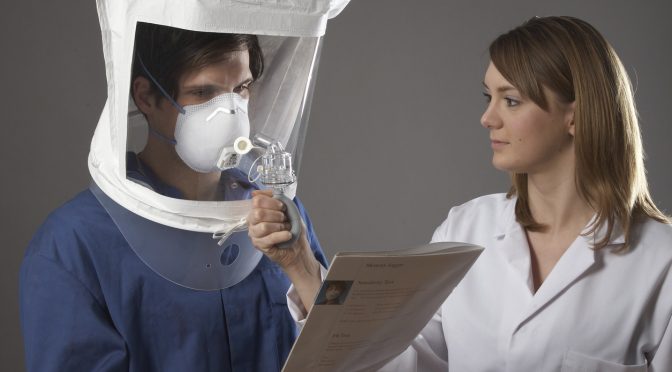
The beauty of it is that the core concept is quite simple. There are generally two main types of fit tests: qualitative and quantitative. Qualitative fit testing is the more common and often simpler method for many types of respirators. It usually involves the wearer performing a series of exercises while wearing the respirator, like bending over, talking, or breathing deeply. The tester then checks for any signs of leakage, often by introducing a harmless test agent (like a sweet or bitter vapor) and asking you if you can detect its taste or smell. If you can, there's a leak, and adjustments need to be made. Quantitative fit testing is a bit more high-tech, using a machine to measure the amount of air leaking in. It gives a more precise numerical result.
So, how can you explore this further without needing a specialized lab? While a professional fit test is the gold standard for safety-critical applications, you can get a feel for the principle. When you next put on a disposable mask or a reusable respirator for any reason, take a moment to consciously check the fit. Does it feel snug around your nose and chin? Can you feel air escaping when you exhale? Try smiling or turning your head – does the seal break? This simple mindfulness can help you appreciate the importance of a good seal and what to look for. If you’re considering using a respirator for a hobby or at home, looking up videos online demonstrating qualitative fit tests can be quite informative and give you a visual understanding of the process. It’s all about making sure your protective gear works as hard as it’s supposed to!


