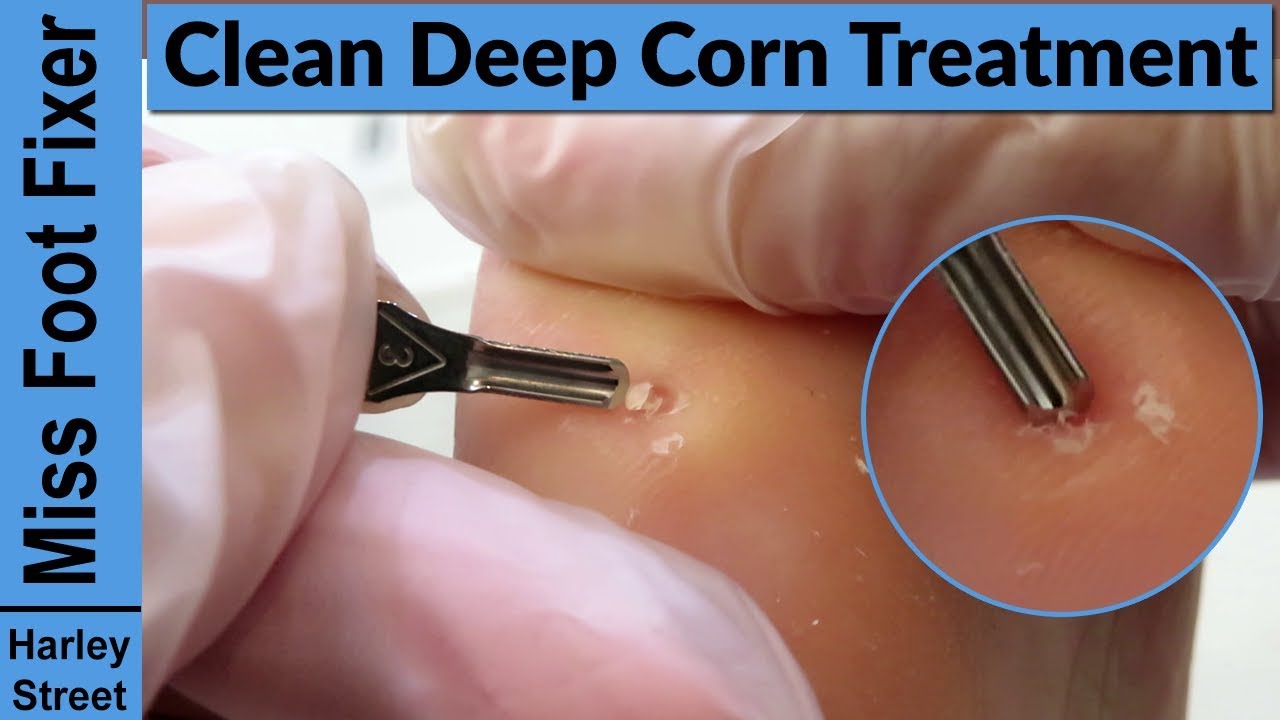
How To Cure A Corn On The Toe
Ah, the humble corn. That little, unwelcome guest on our toes, making every step feel like a tiny rebellion. We've all been there, right? That persistent bump that turns a breezy stroll into a strategic negotiation with our own footwear. But fear not, fellow wanderers of the world! Today, we’re diving into the wonderfully uncomplicated art of banishing these toe terrors and reclaiming your comfortable stride.
Think of this as your personal foot spa, but without the cucumber slices and fluffy robes. We’re going for practical, effective, and dare I say, a little bit zen. Because honestly, who has time for foot drama?
The Anatomy of an Annoyance
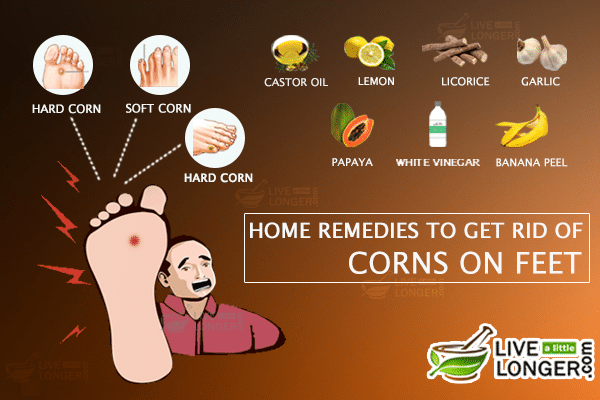
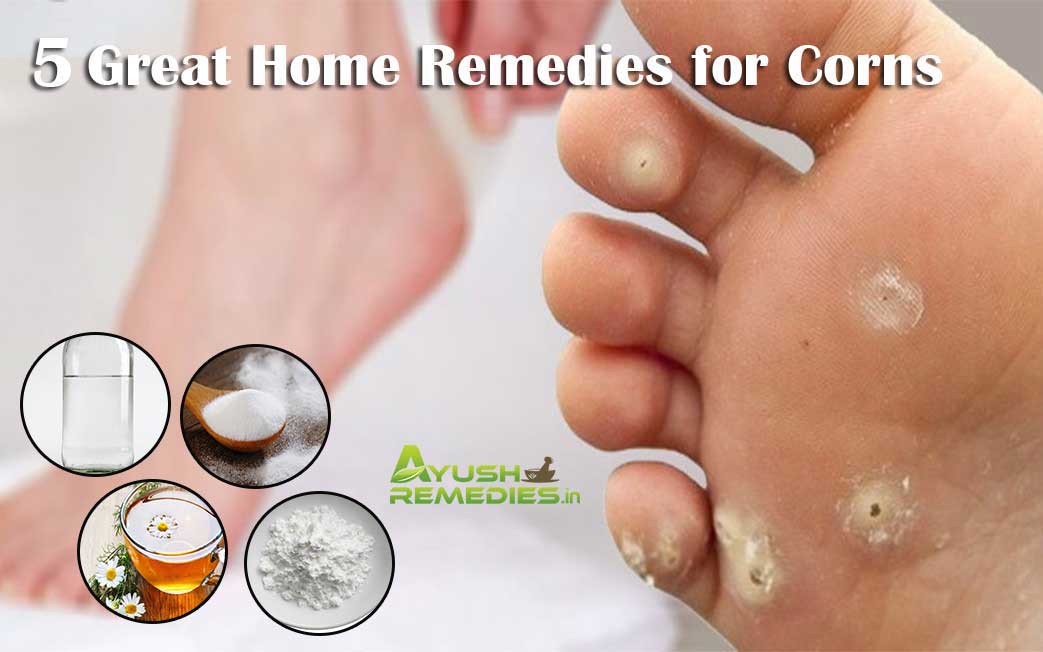
Before we start wielding our at-home remedies, let’s get a tiny bit acquainted with our adversary. A corn, or clavus in fancy medical speak, is essentially a hardened patch of skin that develops as a protective response. Your body is just trying to shield itself from repetitive pressure or friction. Usually, this comes from ill-fitting shoes – the usual suspects: those killer heels you love for a night out, or even those perfectly good sneakers that just aren’t a perfect fit for your unique foot architecture. It’s your skin’s way of saying, “Hey, something’s not quite right here, let’s build a tiny fortress!”
Must Read
The most common spots? The tops of your toes, the sides, and sometimes even the sole. They can be a little sensitive, a little sore, and definitely a little… well, corny.
When to Seek Professional Help (Because Sometimes You Just Need a Pro)
Now, before you go full DIY dermatologist, let’s set some boundaries. If you have diabetes, poor circulation, or nerve damage in your feet, it's super important to chat with a doctor or a podiatrist before attempting any home treatments. These conditions can make your feet more vulnerable to infection, and we want to avoid any unnecessary complications. Think of it as a friendly heads-up from your body’s advanced warning system!
Also, if your corn is incredibly painful, looks infected (redness, swelling, pus), or you’re just feeling overwhelmed, don't hesitate to book an appointment. A podiatrist is a foot wizard, and they can often zap away those corns with minimal fuss.
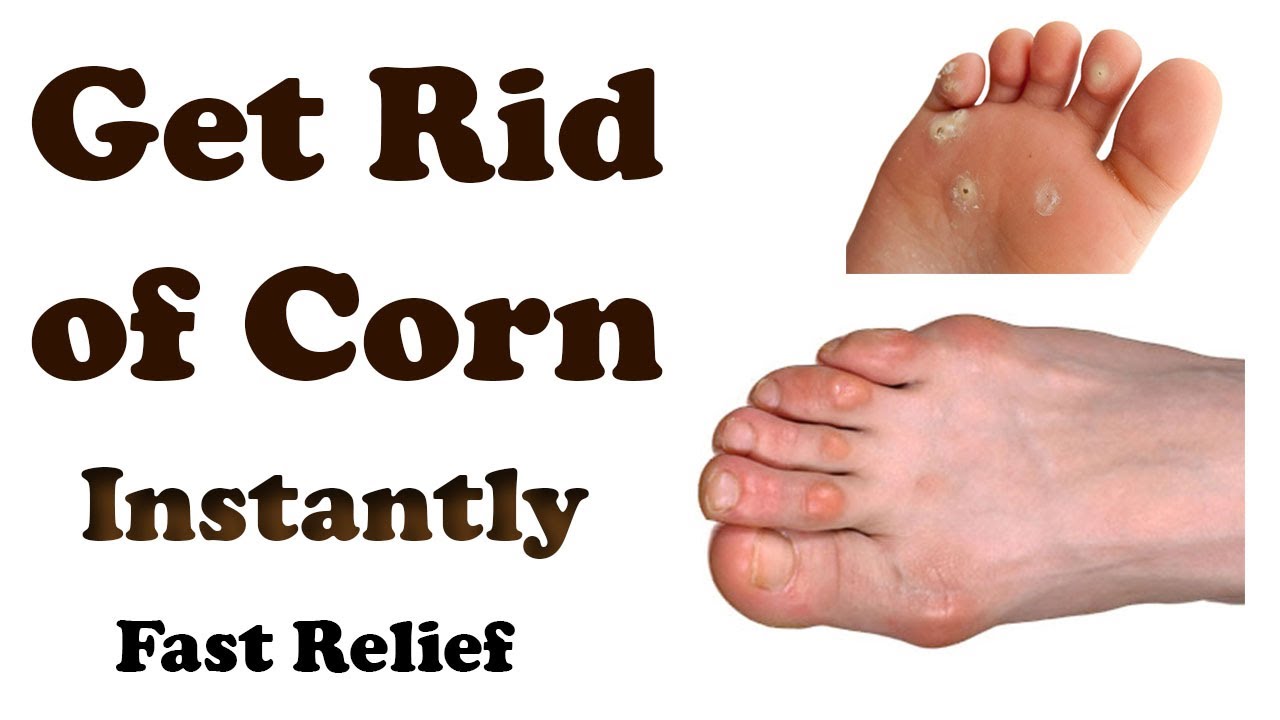
The Gentle Gauntlet: Your Home Remedy Toolkit
Alright, for the rest of us, the home remedy route is usually pretty effective and surprisingly satisfying. It’s all about being patient and consistent.
Soaking Your Sorrows Away
This is your foundational step. Think of it as a spa day for your feet, but way more purposeful. A good soak softens the tough skin, making it much easier to deal with.
- Warm Water Wonders: Fill a basin or your bathtub with warm water. Not scalding, just comfortably warm.
- The Salt Surprise: Add a tablespoon or two of Epsom salts. Epsom salts are fantastic for soothing tired muscles and can help with skin softening. It's like a mini-vacation for your feet!
- A Touch of Magic (Optional): You can also add a few drops of essential oils like lavender (for relaxation) or tea tree oil (known for its antiseptic properties). Just a tiny bit goes a long way.
- Time Well Spent: Aim for about 10-20 minutes of soaking. During this time, you could be catching up on your favorite podcast, reading a chapter of that book you’ve been meaning to finish, or simply closing your eyes and breathing.
Think of this as your daily ritual, your moment of calm before you tackle the corn itself. It’s like prepping the stage for the main act!

The Gentle Exfoliation Ritual
Once your skin is soft and pliable, it’s time for the gentle removal. This is where you want to be super careful. We’re not aiming for a harsh scrub-down; we’re aiming for a gradual reduction.
- Pumice Stone Power: After soaking, gently rub the softened corn with a pumice stone. These natural volcanic rocks are perfect for buffing away layers of dead skin. Move in a circular motion, and don't scrub too hard. You’re not trying to reinvent your toe!
- The File Friend: A foot file can also be a great tool. Again, be gentle. The goal is to remove a little bit of skin at a time, over several sessions.
- Aftermath Care: After exfoliating, rinse your foot and pat it dry thoroughly.
Pro Tip: Never use sharp objects like razors or scissors to try and cut away a corn. This is a big no-no and can lead to serious infection. Let’s keep it safe and sensible!
Moisturize, Moisturize, Moisturize!
This is the unsung hero of corn care. After softening and exfoliating, you need to keep that skin hydrated and supple. Dry skin is more prone to developing calluses and corns.
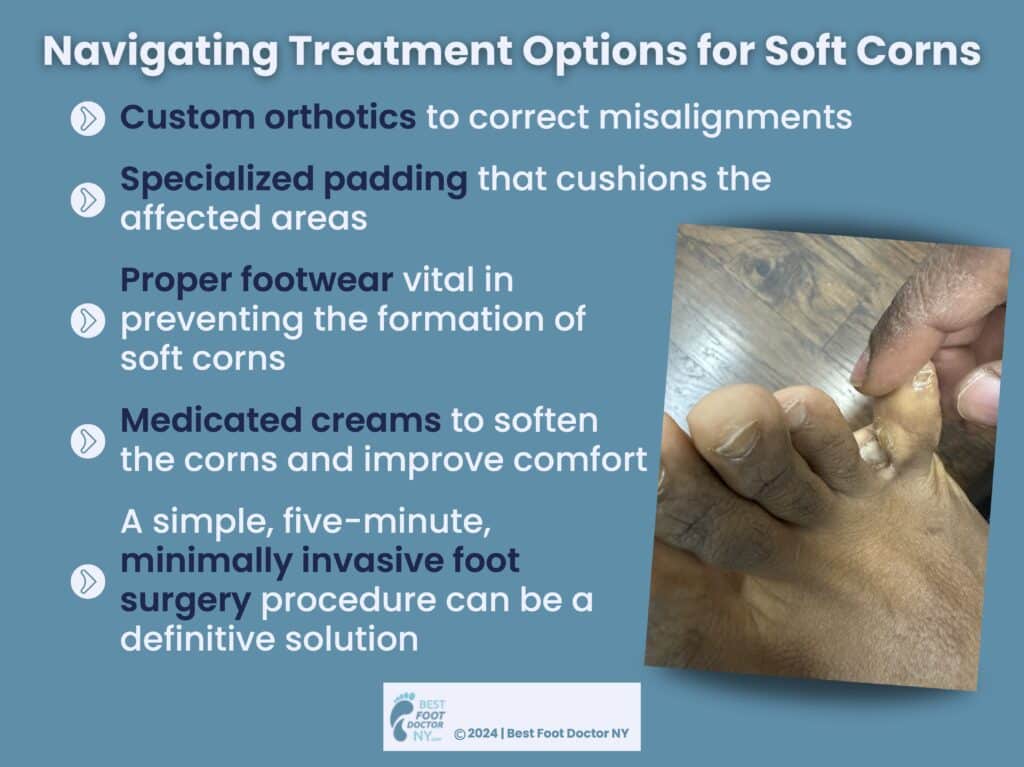
- Rich and Creamy: Apply a thick, nourishing foot cream or lotion. Look for ingredients like urea, salicylic acid, or lactic acid, which help to further soften and break down hardened skin.
- Nighttime Ninja: The best time to moisturize is before bed. Slather on that cream, put on a pair of cotton socks (old ones, in case of greasy transfer!), and let your feet soak up all that goodness overnight. It’s like a mini overnight facial for your feet!
This consistent moisturizing will help prevent corns from reforming and keep your feet feeling soft and happy.
Over-the-Counter Allies
Sometimes, you want a little extra help. The pharmacy aisle is brimming with corn-busting heroes.
Corn Pads and Medicated Treatments
- The Protective Cushion: Corn pads, especially the ones with a gel or foam center, can provide immediate relief by reducing pressure on the corn. Think of it as a tiny, personal bodyguard for your toe.
- Salicylic Acid Solutions: Many over-the-counter corn removers contain salicylic acid. This chemical gently exfoliates and breaks down the thickened skin. They come in various forms: pads, liquids, gels, and ointments.
- Read the Instructions, Seriously! These products are effective, but it’s crucial to follow the instructions precisely. Apply them only to the corn, and avoid contact with healthy skin.
A Little Cultural Insight: In some parts of the world, traditional remedies for skin conditions have been passed down for generations. For example, applying a poultice made from crushed herbs was a common practice. While we have modern science now, it’s fascinating to see how people have always sought natural ways to heal.
Prevention is the Best Medicine (or, The Art of Happy Feet)
Honestly, the easiest way to "cure" a corn is to prevent it from showing up in the first place. It’s all about being mindful of your footwear.
- The Shoe Whisperer: Invest in well-fitting shoes. Your shoes should have enough room for your toes to wiggle, and they shouldn't rub or pinch anywhere. If a shoe feels even slightly uncomfortable in the store, it’s probably not going to get better with time.
- Material Matters: Opt for breathable materials like leather or canvas. This helps to keep your feet dry and reduces friction.
- Sock It To Me: Wear comfortable socks made of moisture-wicking materials. Avoid socks that are too tight or have thick seams that can create pressure points.
- The Periodic Check-Up: Make it a habit to check your feet regularly for any signs of redness, irritation, or developing calluses. Early detection is key!
Think of your feet as your trusty steeds, carrying you through life. A little bit of care and attention goes a long way in keeping them happy and healthy.
A Moment of Reflection
Dealing with a corn, in its own small way, is a reminder of our physical selves and the sometimes-uncomfortable ways our bodies communicate with us. It’s a tiny, localized inconvenience that can throw off our entire gait, our mood, and our ability to enjoy a simple walk in the park. But the solutions are often so accessible, so manageable.
This journey of softening, buffing, and moisturizing isn't just about banishing a bump; it's about a small act of self-care. It's about taking a moment to acknowledge something that's bothering you and actively, gently, addressing it. In a world that often demands we push through, sometimes the most powerful thing we can do is slow down, soak our feet, and listen to what our bodies are telling us. And perhaps, in the quiet moments of this simple ritual, we can find a little bit of peace, one comfortable step at a time.