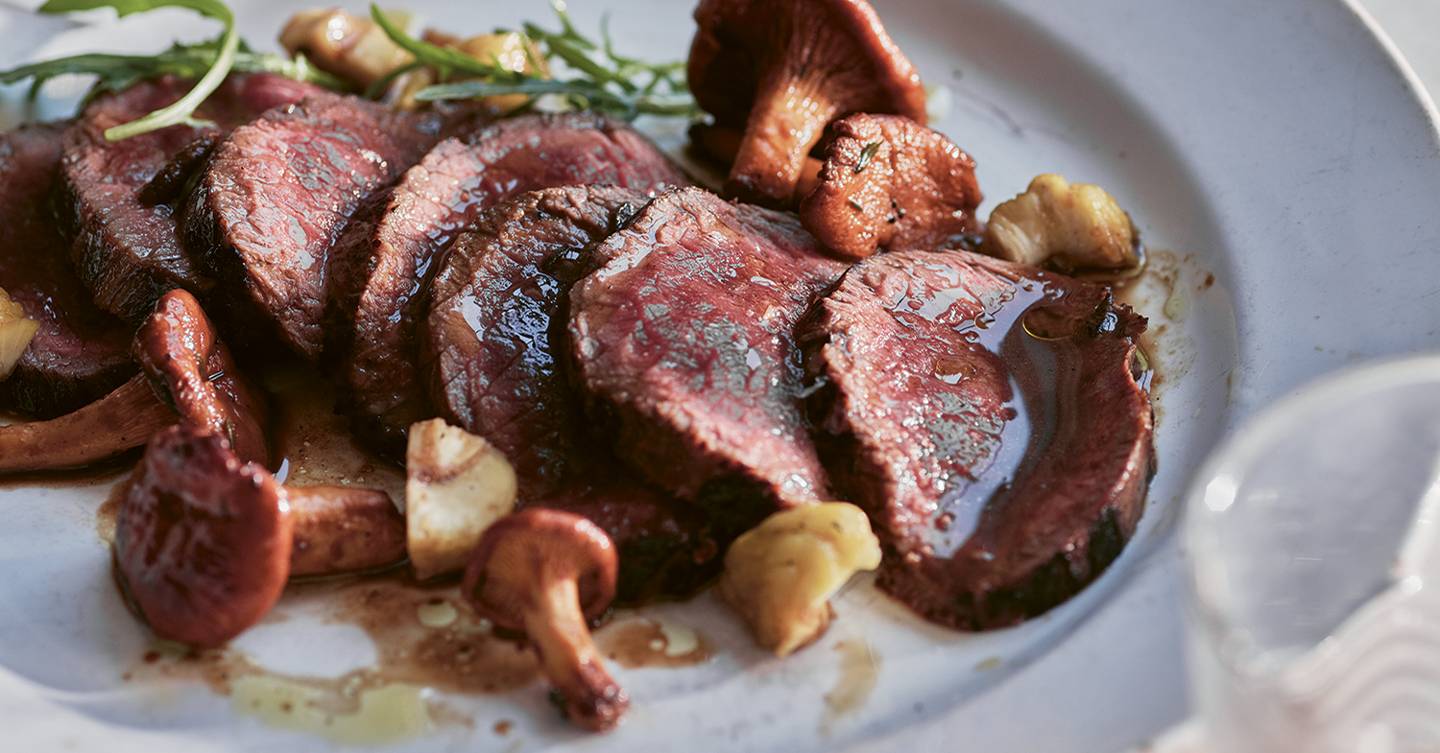
How To Cook A Fillet Of Venison
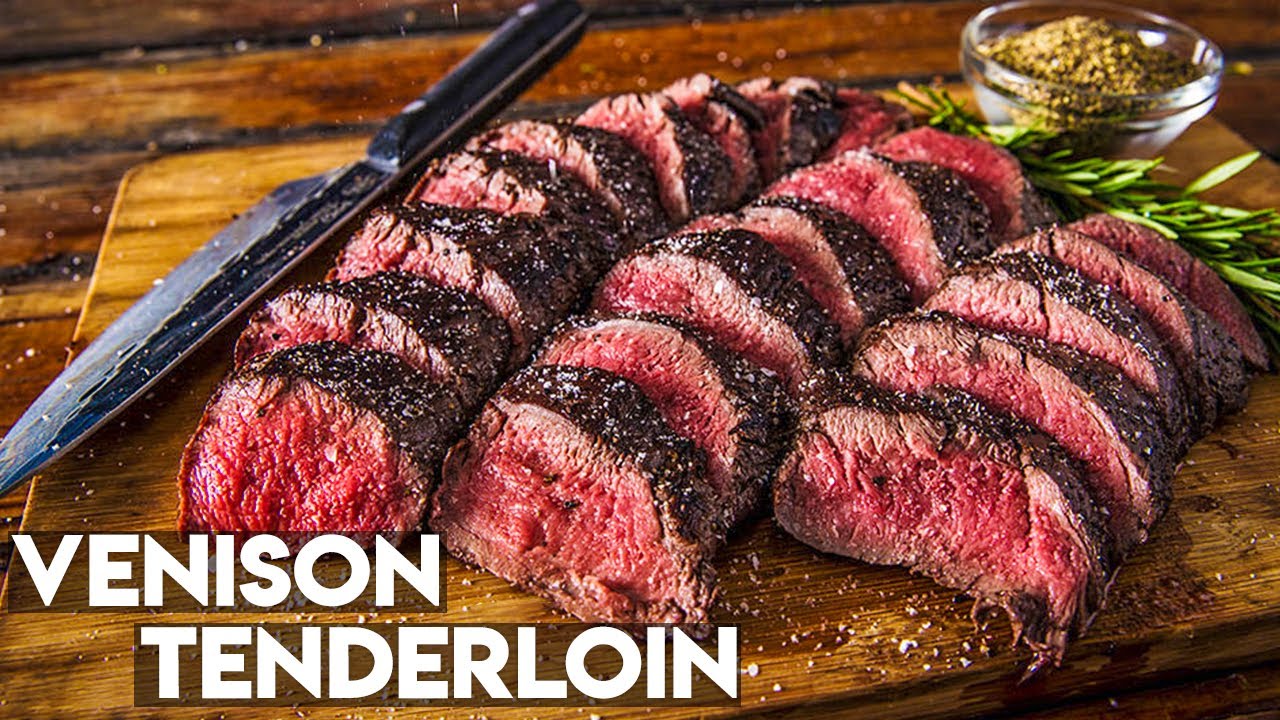
So, you’ve got a beautiful hunk of venison fillet. Maybe it came from a lucky hunting trip, or perhaps a friendly butcher handed it over, whispering tales of the wild. Whatever its origin story, this isn't just any steak; it's a little piece of the great outdoors, ready to transform your kitchen into a woodland feast.
Think of it like this: this fillet has spent its days gamboling through meadows and rustling through forests. It's lean, it's flavorful, and it’s a far cry from the supermarket beef we're all so used to. Cooking it is less about following a rigid recipe and more about having a little conversation with nature’s bounty.
First things first, let’s talk about temperature. Venison is wonderfully lean, which means it can go from perfectly cooked to a little tough faster than you can say "deer on the run!" So, we want to be gentle, giving it just enough heat to coax out its deliciousness without making it a chewy adventure.
Must Read
Before we even think about the pan, let your venison fillet relax. Take it out of the fridge about 30 minutes before you plan to cook it. This little bit of downtime is crucial. It helps the meat cook more evenly, preventing those sad, cold centers we all dread.
Now, for a bit of seasoning. Don't go overboard here. The star of the show is the venison itself. A generous pinch of salt and a good grind of black pepper is usually all you need. Think of it as dressing up a nature-made masterpiece, not trying to disguise it.
For searing, you’ll want a nice, hot pan. A cast-iron skillet is your best friend for this. It gets screaming hot and holds that heat, giving you that perfect, caramelized crust we’re all after.
Add a splash of oil to the pan. Something with a high smoke point, like canola or grapeseed, works wonderfully. You want the oil to shimmer, not smoke and burn. That’s your cue to carefully place the fillet in.
Listen to that sizzle! It’s the sound of flavor developing, of deliciousness being locked in. Let it sear undisturbed for a few minutes. We’re building a beautiful brown crust, a flavor shield for our tender meat.
Once you've got a gorgeous crust on one side, it’s time to flip. Use a good pair of tongs for this. No poking with a fork, please! We don’t want to let any of those precious juices escape.
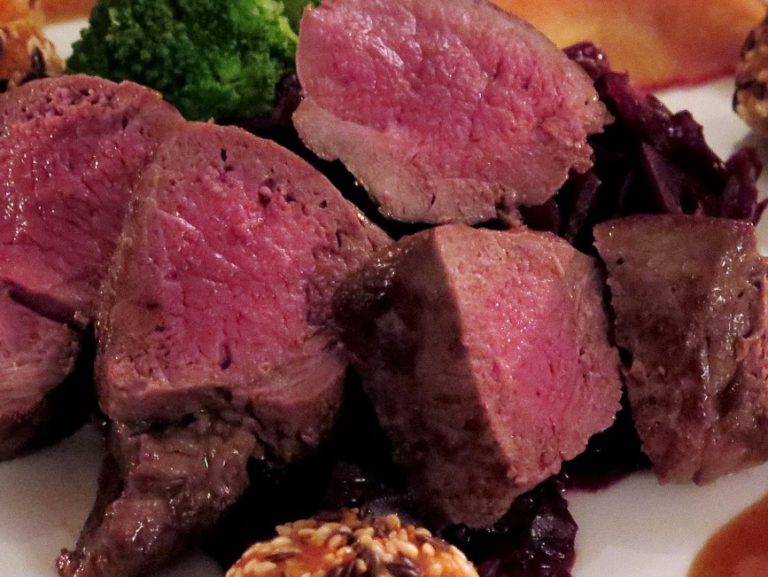
Now, here’s where the magic really happens. We’re not aiming for well-done here. Think medium-rare. It’ll be pink in the middle, juicy, and incredibly tender. A meat thermometer is your secret weapon for precision.
If you’re aiming for medium-rare, you’re looking for an internal temperature of around 130-135°F (54-57°C). For medium, nudge it up to about 140-145°F (60-63°C). Anything beyond that, and you risk turning your exquisite fillet into something a bit… uninspiring.
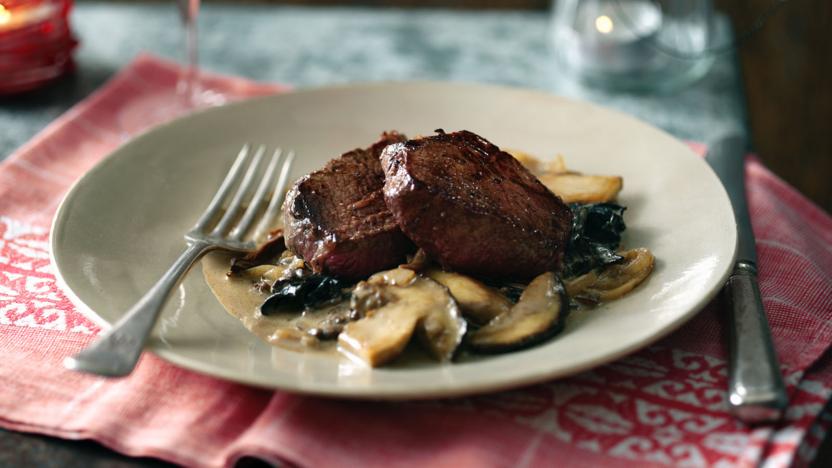
As the fillet cooks, you can add some aromatics to the pan. A clove or two of garlic, smashed, and a sprig of fresh rosemary or thyme can infuse incredible flavor. Swirl them around in the pan juices. It’s like giving your fillet a little herbal spa treatment.
Once it’s reached your desired temperature, it's time for the most important step: resting. This is non-negotiable. Take the fillet out of the pan and let it sit on a cutting board for at least 5-10 minutes. Tent it loosely with foil.
This resting period allows the juices to redistribute throughout the meat. If you cut it too soon, all that lovely moisture will spill out onto the board, leaving you with a dry steak. Patience, my friends, is a virtue, especially in the kitchen.
While your venison is resting, you can make a quick pan sauce. Deglaze the pan with a splash of red wine or some beef broth. Scrape up all those delicious brown bits from the bottom. Add a knob of butter for richness and a hint of sweetness from a tiny splash of balsamic vinegar if you’re feeling fancy.

This sauce is like the perfect soundtrack to your venison’s solo performance. It complements, it enhances, it doesn’t overpower. It’s the supporting cast that makes the star shine even brighter.
When it's time to slice, use a sharp knife. You want to cut against the grain. This makes the meat more tender and easier to chew. Look for the direction the muscle fibers are running and slice perpendicular to them.
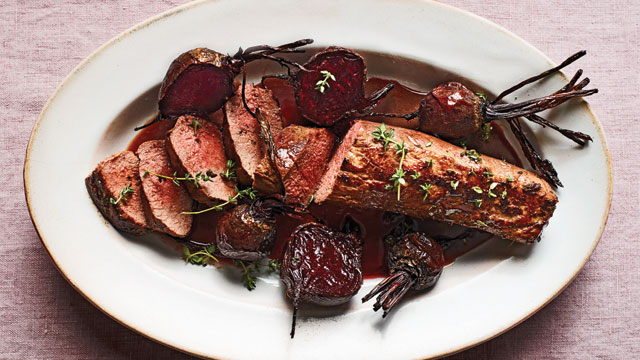
Serve your beautifully cooked venison fillet with your simple pan sauce drizzled over the top. It pairs wonderfully with roasted root vegetables, a simple green salad, or even some creamy mashed potatoes. It’s a meal that feels both rustic and elegant.
The first bite is always a moment of truth. You’ll taste that rich, slightly gamey flavor, the tender texture, and the subtle hints of the herbs and seasoning. It’s a taste of the wild, brought right to your table, and it’s incredibly satisfying.
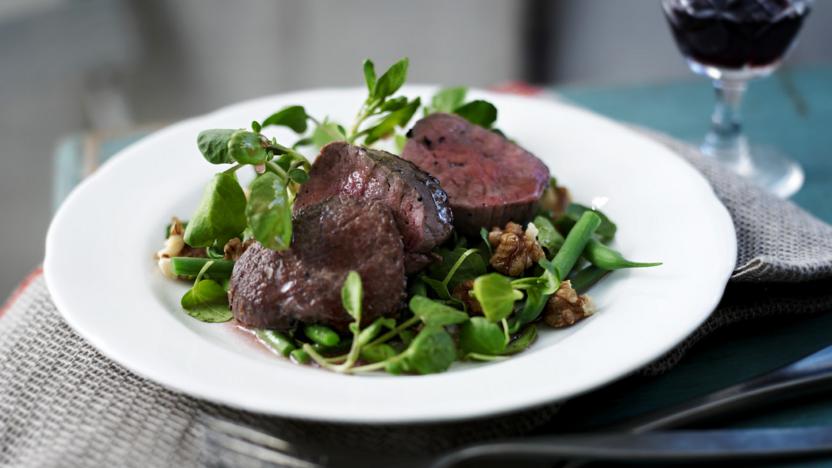
Remember, cooking venison isn't about perfection; it's about connection. It’s connecting with where our food comes from, with the effort that goes into it, and with the joy of sharing a delicious meal.
So, the next time you find yourself with a venison fillet, don’t be intimidated. Embrace the simplicity, trust your instincts, and enjoy the process. You’re not just cooking; you’re creating a culinary story, a taste of adventure that’s sure to be a hit.
It’s a reminder that sometimes, the best things in life are the simplest. A good cut of meat, a few well-chosen seasonings, and a little bit of care can go a long way. Your venison fillet is ready to impress, and you’re the one holding the magic wand.
And who knows, maybe after this, you’ll even be inspired to try your hand at some other wild game. The culinary world is a vast and exciting place, and your venison fillet is just the beginning of your delicious exploration.
So, go forth and conquer that fillet! Let its natural goodness shine, and savor every single bite. It’s a taste of the wild, a testament to nature’s incredible flavors, and a truly delightful meal waiting to happen.