How To Control Clover In A Lawn

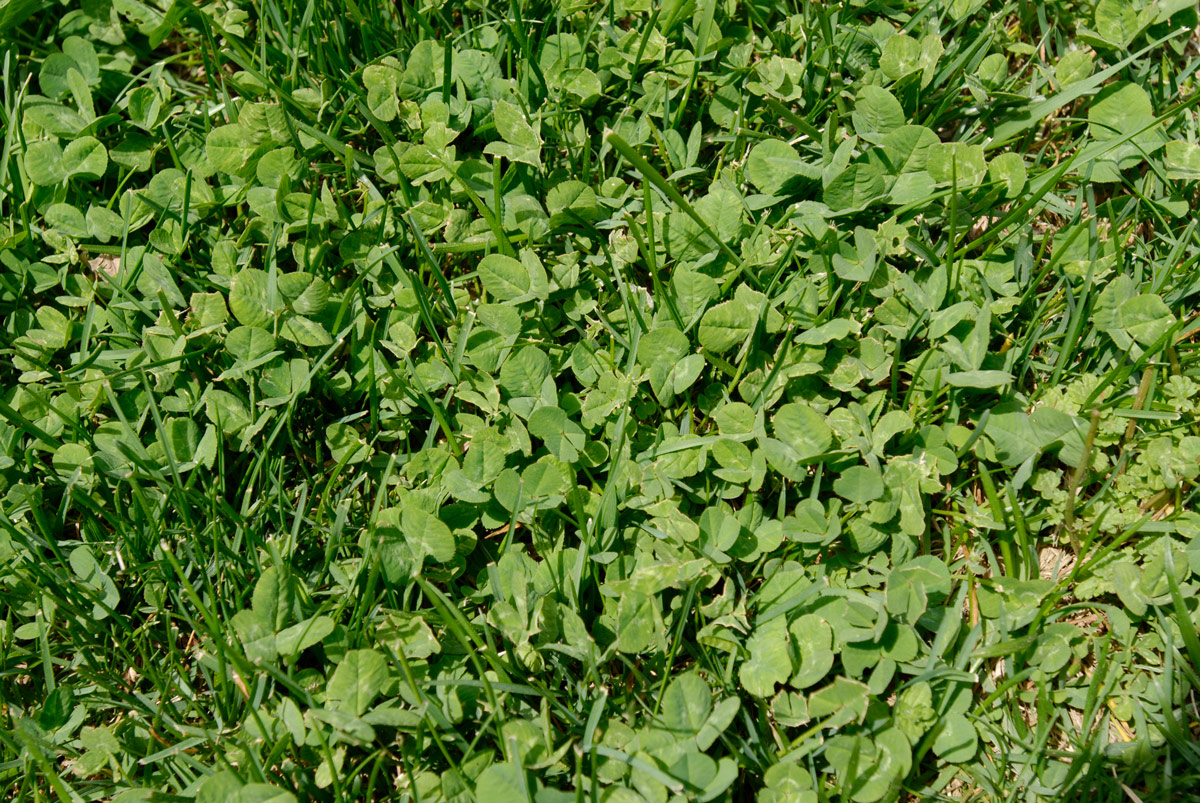
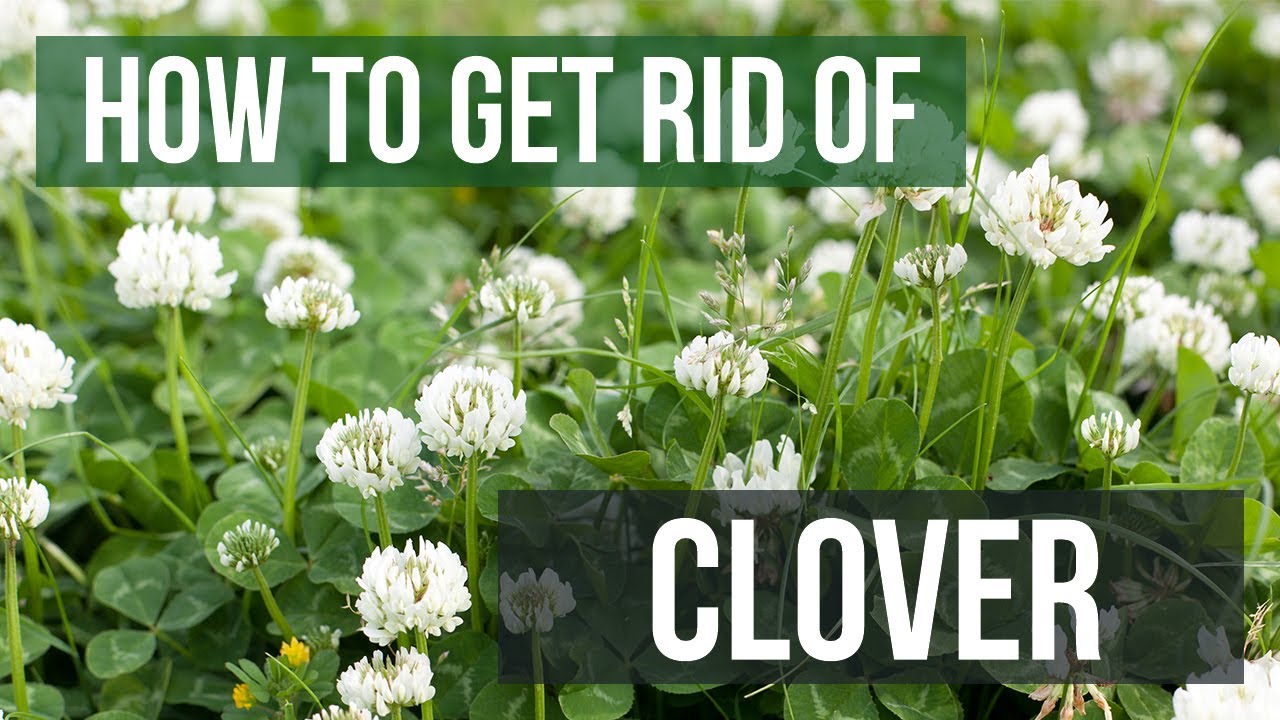
Let's talk about something near and dear to many a homeowner's heart: the lawn. Specifically, the green, green grass of home. And then, let's talk about the sneaky, white-flowered interloper that often crashes the party. Yes, we're talking about clover. That little trifoliate wonder that seems to multiply faster than dust bunnies under the sofa. For some, it's an unwanted guest. For others, well, we'll get to that.
Now, I know what you're thinking. "Control clover? Isn't that the whole point of a lawn?" And to that, I say, "Hold your horses, my friend." Because here's my little secret, my whispered, perhaps even heretical, opinion: clover isn't always the enemy. In fact, sometimes, it's kind of a friend. A low-maintenance, nitrogen-fixing friend that can make your lawn look… well, a little more interesting.
But I get it. You have an image in your head. A pristine, uniform carpet of emerald green. No rogue white blossoms daring to peek through. You want that golf-course perfection. And I respect that. So, let's dive into the nitty-gritty of managing this charming little plant, shall we? Think of it less as "warfare" and more as "diplomacy."
Must Read
One of the most popular ways to wage war on clover is with a good old-fashioned herbicide. Now, before you reach for the industrial-strength stuff, let's consider our options. There are selective herbicides that are designed to target broadleaf weeds (and clover is definitely in that club) while leaving your grass relatively unharmed. Think of it as a targeted strike, not a carpet bomb. You'll want to read the label very carefully. These things aren't toys. Follow the instructions to the letter, or you might end up with a lawn that looks like a patchwork quilt of brown and sad green.
Then there's the natural approach. Some people swear by vinegar. Yes, plain old household vinegar. Mixed with a bit of soap, it can act as a natural weed killer. Now, this is where things get a little less precise. Vinegar can and will zap anything it touches, so you need to be careful where you spray. Think of it as a very enthusiastic gardener wielding a squirt bottle. You might want to do this on a calm day, otherwise, your neighbor's prize-winning petunias might get an unexpected shower of acidity. And trust me, that's not a good look for lawn diplomacy.

Another tactic is to simply embrace the chaos. This is where my unpopular opinion really shines. What if, just what if, you let the clover be? Hear me out. Clover is actually pretty good for your lawn. It fixes nitrogen, which is a natural fertilizer for your grass. So, it's like having tiny little garden helpers working for free. Plus, those little white flowers are quite pretty, aren't they? Bees love them too. Think of your lawn as a more biodiverse ecosystem. A mini-wildflower meadow in your own backyard. Revolutionary, I know.
Now, if you're still firmly in the "clover is the enemy" camp, there are a few other things you can do. One is to strengthen your grass. A healthy, thick lawn is your best defense against weeds. This means proper mowing, watering, and fertilizing. Think of your grass as a well-fed, well-trained army. It's less likely to be overrun by opportunistic invaders. Make sure you're mowing at the right height. Taller grass shades the soil, which makes it harder for clover seeds to germinate.

Hand-pulling is also an option, especially if you have a small infestation. It's a good workout, and it's incredibly satisfying to see those little clover plants come right out, roots and all. Imagine it as a mindful activity. A little bit of zen gardening, but with less dirt under your fingernails and more triumphant yanking. You can even make a game of it. See who can pull the most clover in five minutes. Loser has to do the dishes.
Aeration and overseeding can also help. Aerating your lawn creates small holes in the soil, which improves air and water circulation. This helps your grass roots grow stronger. Overseeding involves adding new grass seed to your lawn. This helps to thicken the turf and make it more resistant to weeds. So, you're basically inviting more of your preferred guests to the party, and they're good at pushing out the uninvited ones.

So, the next time you see that little white flower popping up, take a moment. Consider its humble nature. It’s not trying to ruin your day. It’s just trying to be a clover. And maybe, just maybe, a little bit of clover isn't so bad after all. It might even make your lawn… dare I say it… more interesting. A conversation starter, perhaps. "Oh, that? That's my clover patch. It's very natural."
Ultimately, the "control" of clover is entirely up to you. It’s your patch of green, your domain. Whether you wage a full-scale herbicide war, engage in gentle hand-pulling diplomacy, or simply shrug and declare, "Welcome, little clover!" is entirely your prerogative. Just remember, your lawn is a reflection of you. And sometimes, a little bit of imperfection can be perfectly charming.