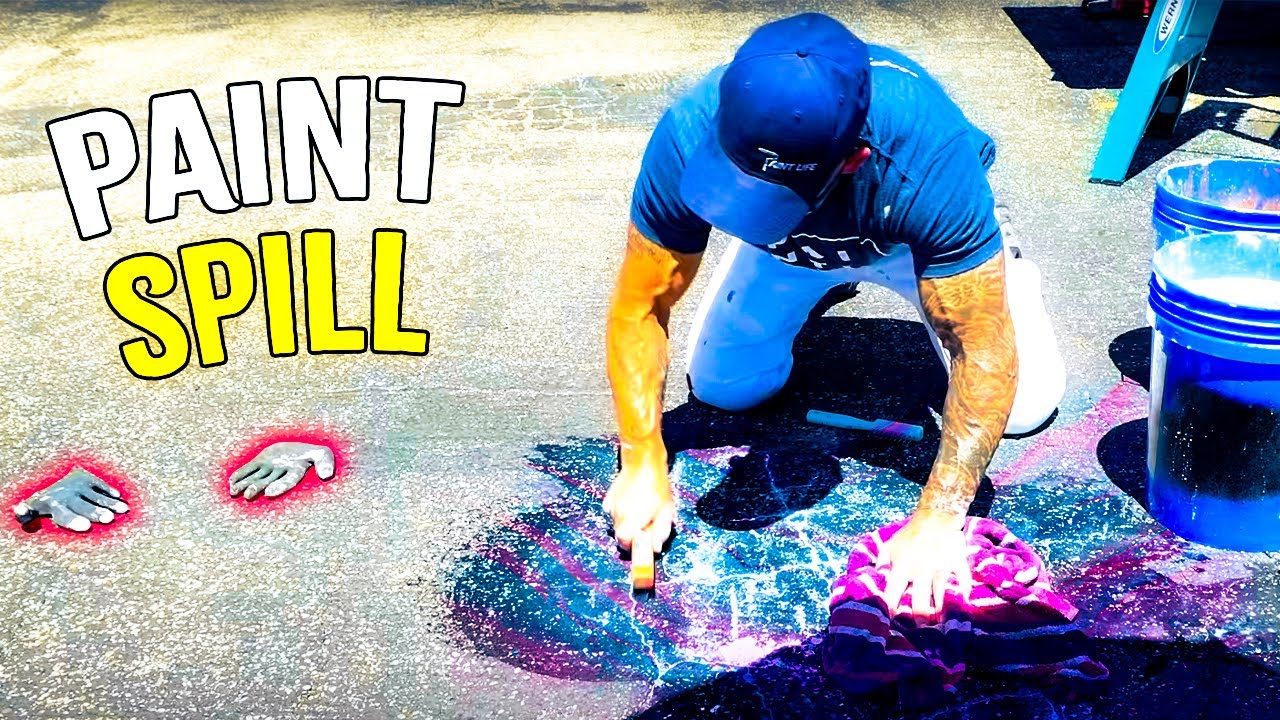
How To Clean Up A Paint Spill
Hey there, fellow DIY warriors and accidental art critics! So, you’ve just had a little… oopsie. That glorious can of paint you were so excited to use has decided to take a joyride, painting your floor, your pet, or maybe even your brand new couch in a shade you definitely didn’t choose. Don't panic! We've all been there. Think of it as an impromptu art installation. A messy, sticky, potentially relationship-testing art installation, but an art installation nonetheless.
Before you start hyperventilating into a paper bag (which, let's be honest, might end up with a Jackson Pollock vibe of its own), take a deep breath. Cleaning up a paint spill might sound like a disaster, but it’s totally manageable. It’s less about a tragic accident and more about a quick, tactical intervention. You've got this! We're going to turn this potential catastrophe into a minor inconvenience, and maybe even a funny story to tell later.
So, grab your comfiest sweatpants, maybe a pair of gloves (unless you’re going for that "artist's hands" look, which I wouldn't recommend after this), and let's dive into the wonderful world of paint spill recovery. It’s like being a forensic cleaner, but with much more vibrant evidence.
Must Read
First Things First: Assess the Situation (Before It Assesses You)
Alright, detective, time for your first clue. What kind of paint are we dealing with? This is super important, because the cleanup method for latex paint is like a gentle spa day compared to the full-on mud wrestling required for oil-based paints. No pressure, but the fate of your flooring hangs in the balance!
Is it that water-based, easy-peasy latex or acrylic stuff? Or is it the more stubborn, "I mean business" oil-based paint? If you’re unsure, check the can. It usually gives you a hint, like a tiny, grumpy label saying, "Good luck, buddy!"
Also, where did the paint decide to set up camp? Is it on a hard floor like tile or laminate? Did it land on your carpet, which is basically a fuzzy monster that loves to absorb things? Or did it grace your furniture with its presence? Each surface demands a slightly different approach. Don't worry, we'll break it down.
The Great Latex Spill: Your New Best Friend (Relatively Speaking)
If you've spilled latex or acrylic paint, consider yourself lucky! This is the easiest kind to clean. Think of it as the "oops, I spilled juice" level of a spill, not the "oh no, I spilled a vat of nuclear waste" level.
Your immediate goal is to act fast. The longer latex paint sits, the more it starts to bond with the surface, and then you’re in for a real adventure. So, no time for a dramatic sigh or a selfie with the splodge. Get moving!
First, grab some paper towels or a clean rag. Gently blot up as much of the wet paint as you can. You want to soak it up, not spread it around like you’re frosting a cake. Think dabbing, not scrubbing. Scrubbing can push the paint deeper into porous surfaces, and nobody wants that.

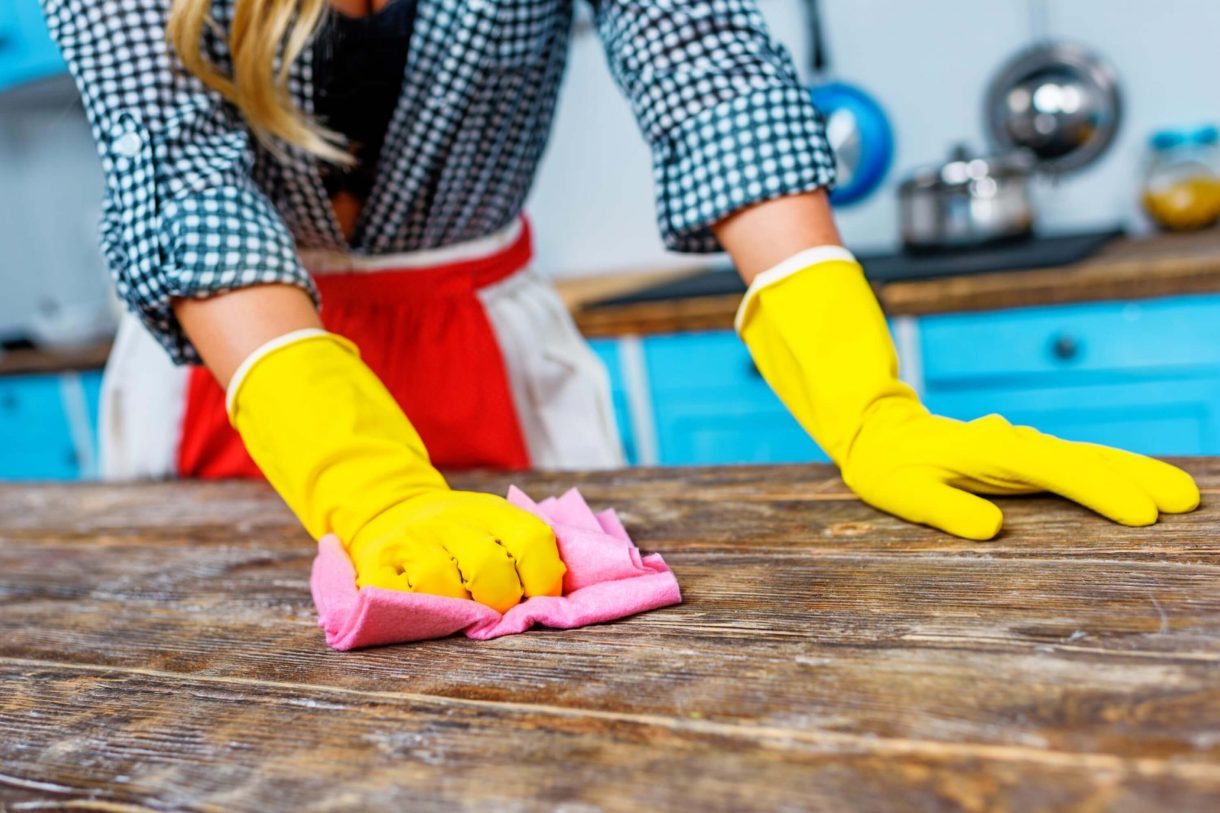
Once you’ve got the bulk of it, it’s time for the magic potion: warm, soapy water. Seriously, this is your superhero. Fill a bucket or a bowl with warm water and add a good squirt of dish soap. Dip your rag into the soapy water, wring it out so it's damp, not dripping, and start gently wiping the area. You’ll see the paint start to lift. Keep rinsing your rag and repeating the process. Patience, grasshopper!
For tougher spots, or if the paint has started to dry a little, a little bit of gentle scrubbing with a soft brush or a sponge might be necessary. Just don’t go at it like you’re trying to win a championship wrestling match. You’re aiming for clean, not a shredded surface.
If you’re dealing with a particularly stubborn patch that just won't budge, a specialty latex paint remover can be a lifesaver. Just make sure to test it on an inconspicuous area first, because you don’t want to trade one paint problem for another!
The Oil-Based Nemesis: Where Things Get a Little… Smelly
Okay, so you’ve gone and splattered oil-based paint. Deep breaths. This is where things get a little more involved, and you might want to open a window. The fumes from the solvents used to clean oil-based paint can be… robust. Let's just say your home might smell like a sophisticated art studio for a while.
Just like with latex, speed is your friend. But instead of soapy water, you’ll need a solvent. Common options include mineral spirits or paint thinner. These are your heavy artillery. However, and this is a big BUT, these can be harsh on surfaces. So, just like a secret agent, test in a hidden spot first. You don't want to accidentally dissolve your floorboards while you're trying to remove the paint!
For wet oil-based paint, the blotting technique is still your go-to. Blot, blot, blot! Get up as much as you can before it really sinks in.
Then, soak a clean rag with your chosen solvent. Again, wring it out so it’s damp, not a dripping mess. Gently dab at the paint spill. You should see the paint start to dissolve and transfer onto the rag. Keep using clean sections of the rag, or grab fresh ones, as the paint builds up.

This might take a bit of elbow grease and several rag changes. Don’t be tempted to just go wild with the solvent; a little goes a long way, and too much can damage the finish of your surface.
Once you've removed the paint, you'll likely need to clean the area again with soapy water to remove any solvent residue. Then, rinse thoroughly with clean water and dry the area completely.
If the paint has dried, you might need to let the solvent sit on the spot for a few minutes to soften it before you can start blotting and wiping. For really stubborn dried oil paint, you might need to use a paint scraper or putty knife very carefully to lift it, but this is a last resort and carries the highest risk of surface damage.
Dealing with Different Surfaces: A Mini-Guide to Disaster Mitigation
Now, let's talk about where your paint masterpiece (or disaster) has landed.
Hard Floors (Tile, Vinyl, Linoleum, Laminate): Your Best Bet
These are usually the easiest to clean. For latex, warm, soapy water is your go-to. For oil-based, follow the solvent instructions above, but be extra cautious with solvents on laminate as they can damage the finish.
If you have grout lines on tile, you might need a stiff brush (not wire!) to gently scrub out any paint that’s seeped in. Think of it as giving your grout a little spa treatment after a very messy guest has visited.

Carpet: The Fuzz Monster’s Feast
Ah, carpet. The fluffy nemesis of all paint spills. This is where you need to be extra gentle and patient. The goal is to lift the paint out of the fibers, not push it deeper in.
For wet latex paint, blot, blot, blot with clean cloths or paper towels. Once you've got the bulk, use a damp cloth with warm, soapy water. Work from the outside of the spill inward to avoid spreading it. You might need to repeat this many times.
If it's starting to dry, you can try a paste of baking soda and water. Apply it to the stain, let it sit for a bit to absorb, and then gently blot it up. You might also consider a carpet stain remover specifically designed for paint. Always test in an inconspicuous spot first!
For oil-based paint on carpet, this is tougher. You’ll need to use the appropriate solvent (mineral spirits, etc.) very sparingly. Apply a small amount to a clean cloth, and then gently dab the stain. You’ll need a lot of rags and patience. Work from the outside in. After you've lifted the paint, clean the area with mild soap and water and then rinse thoroughly.
A wet/dry vacuum can be a lifesaver for soaking up excess liquid during the cleaning process. Just make sure you clean it thoroughly afterwards so you don't end up with paint-scented carpet for weeks!
Upholstery and Fabric: Delicate Touch Required
This is where you might want to consult the manufacturer's cleaning instructions for your furniture, if possible. For latex paint, start by blotting up as much as you can. Then, use a damp cloth with a mild soap solution. Again, work from the outside in. Don't oversaturate the fabric, as this can lead to water stains.
For oil-based paint on fabric, it's a similar process to carpet but even more cautious. Use your chosen solvent on a cloth, and gently dab. You might need to place a clean cloth underneath the fabric to catch any excess that soaks through.

If the paint is stubborn, a professional upholstery cleaner might be your best bet. Trying to aggressively remove it yourself could cause more damage than the spill itself. Remember, you’re trying to remove the paint, not create a new, abstract pattern with your cleaning attempts!
When All Else Fails: The "Embrace the Art" Contingency Plan
So, you’ve tried everything, and there’s still a faint smudge, a tiny speck, or your cat is now sporting a rather fetching blue Mohawk. Sometimes, you just have to accept defeat. Or, as I like to call it, a "creative opportunity."
Can you strategically place a rug over it? Does it look like a quirky design element that adds character? Is it on a surface that you can easily repaint anyway? Embrace it! Think of it as your very own, unplanned, avant-garde interior design choice.
And if your pet got involved? Well, give them a gentle bath (they probably deserve it for being such a good sport) and maybe a few extra treats. They're probably more confused than you are!
The Uplifting Conclusion: You Survived (and Possibly Learned Something!)
See? You tackled that paint spill! You faced the sticky, colorful beast and emerged victorious (mostly). Even if there’s a tiny, lingering reminder of the incident, you handled it with grace, determination, and probably a few choice words you’d rather not repeat. That’s more than most people can say!
Cleaning up a paint spill is like life's way of testing your problem-solving skills with a splash of color. You might have a bit of a mess, but you also have the satisfaction of knowing you can handle unexpected challenges. Plus, you now have a fantastic story to tell. Next time you’re at a party, you can regale everyone with tales of your epic battle against the rogue paint can. They’ll be so impressed!
So, give yourself a pat on the back. You’ve earned it. Now go forth and conquer any future DIY adventures, armed with your newfound knowledge and a healthy respect for the power of a well-placed drop cloth. And remember, even the messiest spills can lead to a cleaner, and often funnier, outcome. You’re a paint-spill-fighting champion!