
How To Clean A Carpet By Hand
Let's be honest, life gets messy. Whether it's a rogue spaghetti sauce incident, the enthusiastic greetings of a muddy dog, or just the slow, steady accumulation of crumbs from all those midnight snack raids, our carpets seem to have a magnet for trouble. And while the idea of wrestling a giant carpet cleaning machine can feel a bit like preparing for battle, sometimes, all you need is a little elbow grease and some common sense.
Think of your carpet like a beloved, slightly worn-out sofa. You wouldn't just ignore a spill, right? You'd grab a cloth, maybe a bit of soap, and gently coax it back to its former glory. Cleaning your carpet by hand is kind of like that, but on a grander scale. It’s about showing your floors some love, and in return, they'll make your home feel a whole lot cozier and, dare I say, happier.
Why Bother With Hand Cleaning?
Now, you might be thinking, "But there are machines for this!" And you're absolutely right! Those big, noisy beasts can be fantastic for a deep clean. But hand cleaning has its own charm and, more importantly, its own advantages. For starters, it’s super accessible. No need to rent a machine, haul it up the stairs, or spend hours figuring out the instructions. Plus, it's often gentler on delicate carpet fibers than a high-powered machine, which can sometimes feel like a tiny, fluffy tornado.
Must Read
And let's not forget the satisfaction! There's a certain primal joy in tackling a problem with your own two hands and seeing the immediate, visible difference. It's like being a superhero for your home, minus the cape (though you could totally wear one if you wanted – no judgment here!).
The Pre-Game: Preparation is Key!
Before we dive into the sudsy fun, let's get our ducks in a row. Just like you wouldn't start cooking without washing your hands, you don't want to clean a carpet without a little prep. The first and arguably most important step is to get rid of all the loose stuff.
This means a thorough vacuuming. Think of it as giving your carpet a good brushing. You want to suck up all those dust bunnies that have taken up permanent residence, any stray pet hair that's clinging on for dear life, and those little bits of glitter that somehow seem to multiply overnight. Get into all the corners, under the furniture (yes, really!), and make sure you’re not just pushing the dirt around.
Once you've vacuumed, it’s time to spot treat any visible stains. This is where you’re going to be a detective. Look closely. Is it that red wine that you accidentally knocked over during a particularly dramatic movie scene? Or is it the mystery smudge that appeared after your toddler’s latest artistic endeavor with a crayon?
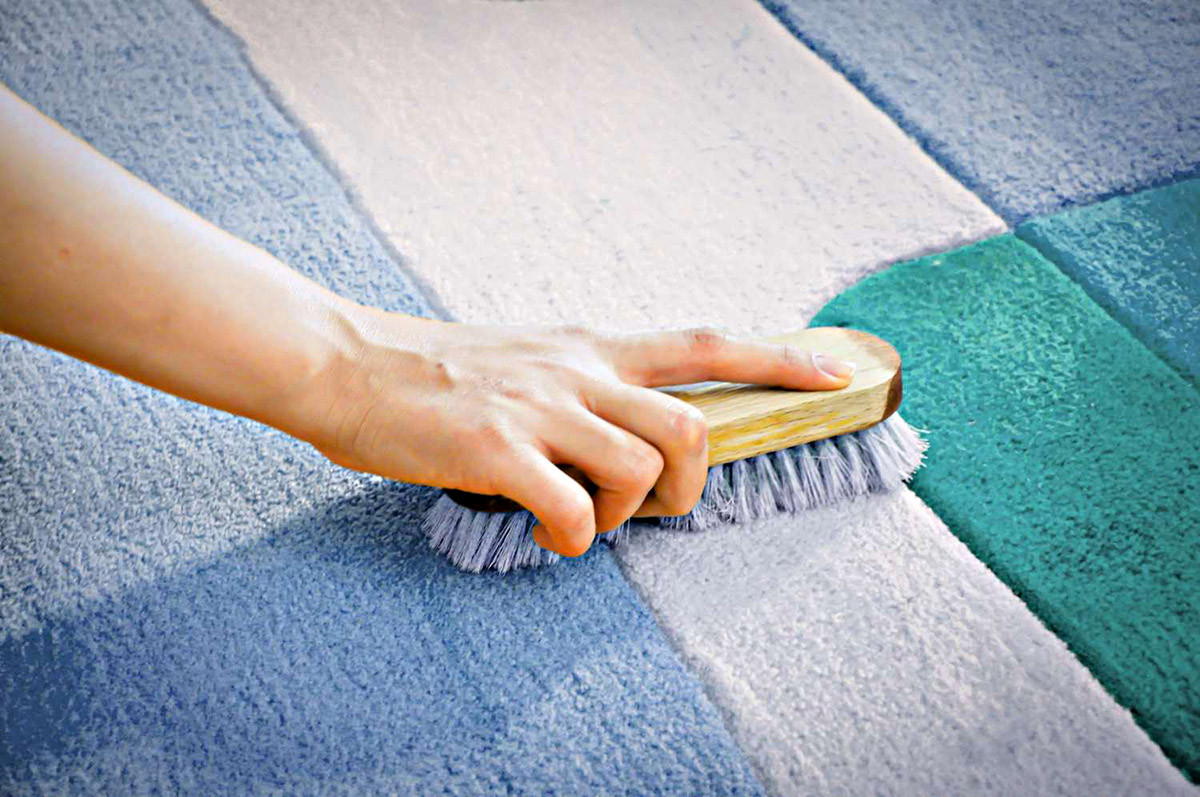
For most common stains, a simple mixture of warm water and a few drops of mild dish soap can work wonders. Gently dab the stain with a clean cloth soaked in this solution. Remember, dab, don't rub! Rubbing can push the stain deeper into the fibers and make it harder to remove. Think of it as a gentle conversation with the stain, not an aggressive interrogation.
For tougher stains, you might need to call in a specialist. This could be a store-bought carpet stain remover, or a DIY concoction like a baking soda paste (baking soda mixed with a little water until it forms a paste). Apply it, let it sit for a bit – giving it time to work its magic – and then gently blot it up.
The Main Event: Getting Down to Business
Alright, the stage is set! You've got your sparkling clean, prepped carpet. Now for the actual cleaning. You have a couple of main approaches here, depending on how ambitious you're feeling and what you have on hand.
Option 1: The Bucket and Sponge Method (For Smaller Areas or Targeted Cleaning)
This is your go-to for when you don't want to get your entire carpet soaked, or if you just need to tackle a specific section that's seen better days. You'll need a bucket, warm water, and a good carpet cleaning solution. You can buy dedicated carpet shampoo, or use a mild detergent. A tablespoon or two should be plenty for a bucket of water.
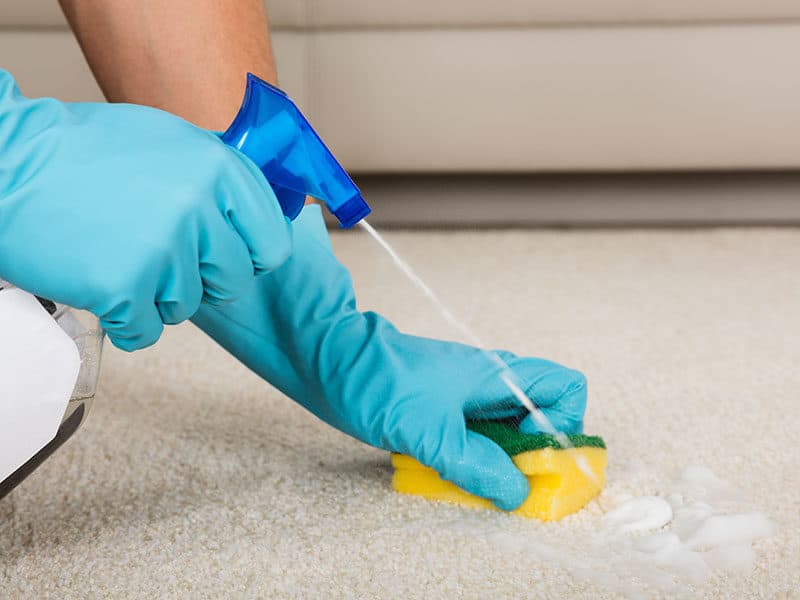
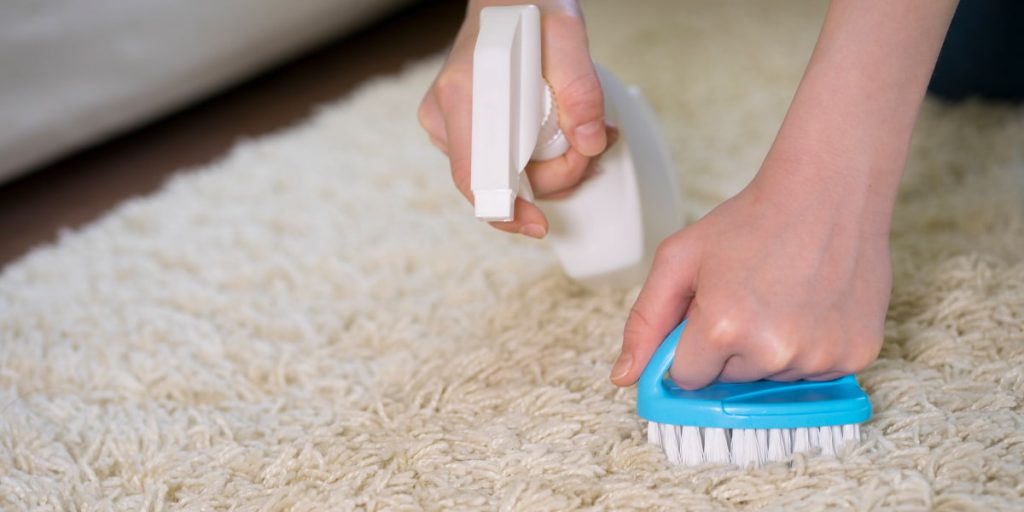
Dip a sponge or a soft brush into the soapy water and wring it out so it's not dripping wet. Now, you're going to work in small sections. Gently scrub the carpet, using circular motions. Don't go crazy with the pressure; you're not trying to excavate ancient artifacts. Just a nice, even scrub to lift the dirt and grime.
As you finish a section, you'll need to "rinse" it. This is crucial to avoid that sticky, soapy residue that attracts even more dirt. Fill another bucket with clean, cool water and use a clean sponge or cloth to blot up the soap. Again, gentle blotting is key. You’re essentially lifting the suds out of the carpet fibers.
Option 2: The Mop and Bucket Method (For Larger Areas)
If your entire living room is looking a bit tired, or you’ve had one of those “everyone came over and everything happened” kind of weekends, a mop might be your best friend. Grab a clean mop (a microfiber mop works really well for this) and your bucket of warm, soapy water.
Dip the mop into the solution and wring it out thoroughly. You don't want to flood your carpet! Mop the floor in overlapping strokes, just like you would if you were washing a hard floor. Again, work in sections.
Once you've mopped a section with the soapy water, it's time to rinse. Empty your bucket, fill it with clean, cool water, and rinse your mop thoroughly. Go back over the same sections, mopping with the clean water to lift out the soap. You might need to do this a couple of times to ensure all the detergent is gone.
A little tip: if you're worried about water damage or your carpet taking too long to dry, try to use as little water as possible. You're aiming for damp, not drenched.
The Drying Game: Patience is a Virtue
This is often the most overlooked step, but it's incredibly important. A damp carpet is a breeding ground for mold and mildew, which nobody wants. So, let's get that carpet dry!
The best thing you can do is increase ventilation. Open up windows, turn on ceiling fans, or use portable fans. The more air circulation you have, the faster your carpet will dry. Think of it like airing out a damp towel – the more air, the better.

Avoid walking on the carpet while it's still damp. You’ll just be reintroducing dirt and potentially causing footprints that could set into the fibers. If you absolutely must walk on it, wear clean socks.
For stubborn damp spots, you can also use dry towels to blot up any excess moisture. Just press them down firmly. It's like giving your carpet a good pat-down to help it shed the water.
The Aftermath: Admire Your Handiwork!
Once your carpet is completely dry, give it a good vacuuming again. This will help to lift and fluff the fibers, making your carpet look and feel its best. Step back and admire your work. You did that! You transformed your tired, grubby carpet into something fresh and inviting, all with your own effort.
It might seem like a bit of a chore, but think of the benefits. A cleaner carpet means a healthier home, free from dust mites and allergens. It means your home looks and feels more welcoming for guests (or just for you!). And honestly, there's a real sense of accomplishment that comes with taking care of your space. So next time a spill happens, don't despair. Grab your bucket, put on some tunes, and get ready for a little carpet-cleaning adventure. Your feet (and your home) will thank you!

