How To Check If Gold Is Real

Alright, settle in, grab a virtual muffin, and let's talk about that shiny, alluring metal we all know and love: gold! You know, the stuff pirates buried and royalty draped themselves in. But here's the tricky bit – not all that glitters is necessarily gold. Nope, sometimes it's just really, really shiny brass that's been told a few too many bedtime stories about its own importance. So, how do you, my discerning reader, navigate this glittering minefield without getting fleeced by a sneaky charlatan? Fear not, for I have embarked on this noble quest and emerged with wisdom to share. Consider me your friendly neighborhood gold detective, minus the trench coat and the perpetually sad expression.
We've all seen those movies, right? Where the hero whips out a little bottle of acid and a suspiciously specific rock to test their loot. While dramatic, that's probably not your best bet for a quick coffee-shop appraisal. Unless your café also happens to have a fully equipped alchemy lab, which, if it does, please send me the address. For the rest of us mere mortals, there are simpler, less explosive methods. Think of it as gold-testing for the common folk, the people who might also accidentally put their keys in the fridge. You know who you are.
The "Is It Even Worth My Time?" Stare-Down
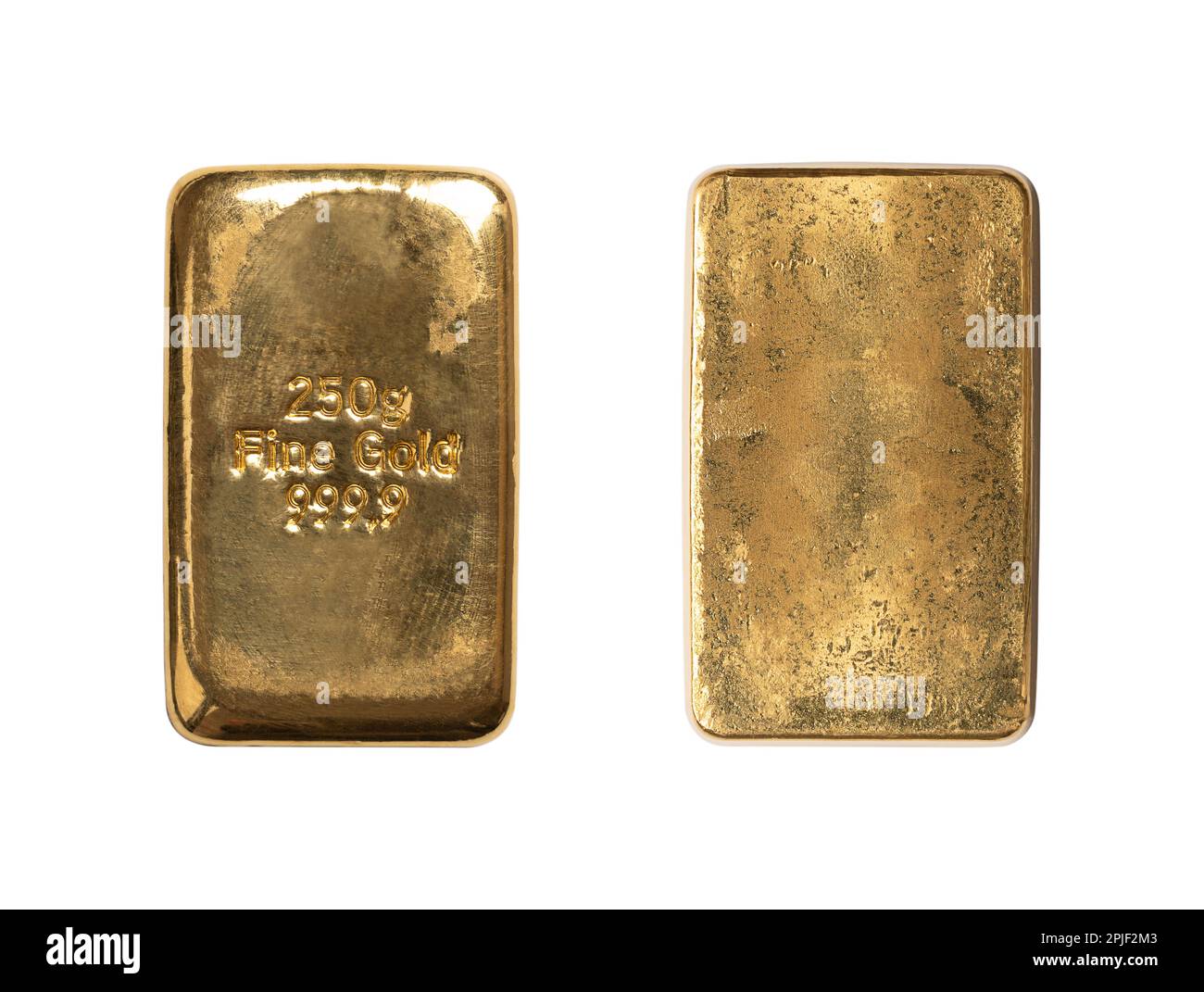
First things first, let's engage in a little ocular reconnaissance. Does this so-called gold look... right? Real gold, especially pure gold, has a distinct color. It's a warm, rich yellow. If it looks a bit too brassy, like a trumpet that's had a bit too much sun, or a strange, orangey hue, that's a tiny alarm bell. Think of it as the gold politely clearing its throat, saying, "Ahem, are you sure about this?"
Must Read
Now, here's a fun, slightly absurd fact: pure gold is actually quite soft. Like, really soft. You could, in theory, scratch it with your fingernail. Don't go around aggressively scratching your potential treasure, though, because you'll just ruin it. But the idea is, if it's super hard and unyielding, it's probably not pure gold. It's more likely an alloy, or, dare I say it, a clever imposter.
The "Stamp of Approval" (Or Lack Thereof)
Many pieces of real gold jewelry, especially newer ones, will have a tiny stamp on them. This isn't some secret code for assassins; it's usually a hallmark indicating the purity of the gold. You might see things like "10K," "14K," "18K," or "24K." Think of these like speed limits for gold purity. 24K is the express lane, 99.9% pure. 14K is more like a moderately busy highway, still good stuff. 10K is more like your local street – definitely gold, but mixed with more other metals.
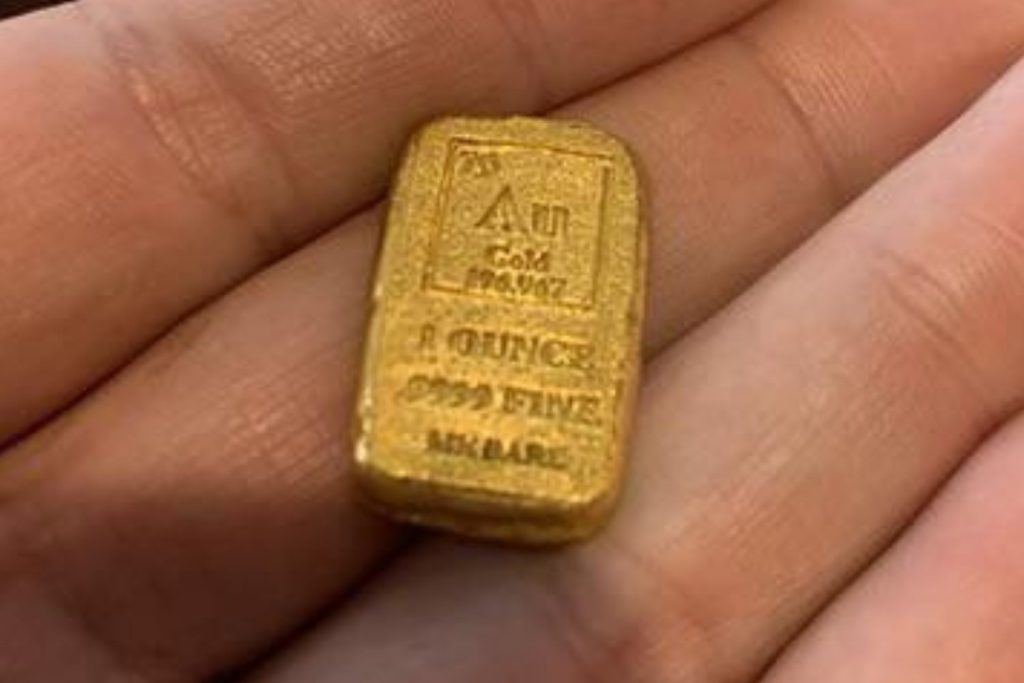
So, if you see these markings, that's a good sign! It means someone tried to tell you what it is. Now, the caveat: some sneaky folks will stamp fake gold. It's like a fake ID for jewelry. So, the stamp is a clue, not a sworn affidavit. If there's no stamp at all on a piece that looks like it should have one (like a ring or necklace), that's another tiny red flag flapping in the breeze. A very small, gold-colored flag.
The Magnet Test: Gold's Arch-Nemesis
This is where things get a little science-y, but don't worry, it's so simple you could do it blindfolded. Probably. Gold is not magnetic. Nope, not even a little bit. So, if you have a magnet handy (a strong one is best, like the kind you find on a fancy fridge), try holding it near your suspected gold. If it sticks like a desperate barnacle to a ship's hull, then congratulations, you've likely got yourself some very convincing painted iron or steel. Gold just shrugs and walks away from magnets like they're that awkward cousin at a family reunion.
This is a super useful test because so many base metals used in fakes are magnetic. It’s like a simple personality test for your potential treasure. "Are you shiny and magnetic?" "Nope, get outta here!" This test is so reliable, it's practically the gold standard… literally.
The "Bite Test" (Please, For the Love of All That is Shiny, Don't Do This!)
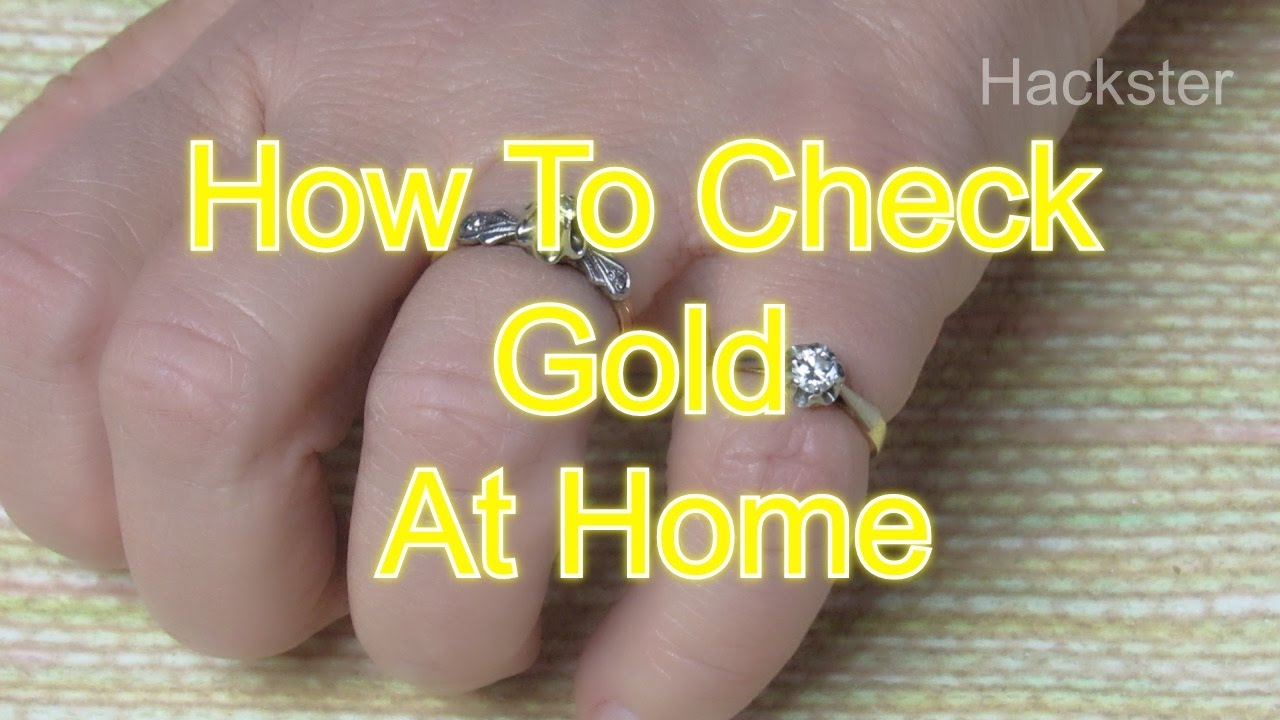
Okay, so you've probably seen this in cartoons or old movies. The rugged adventurer chomps down on a gold coin. Why? Because pure gold is soft enough to leave a tooth mark. Now, let me be crystal clear here: unless you're an actual pirate with a dental plan of steel and an insatiable desire to chip your teeth, DO NOT BITE YOUR GOLD. This is a terrible, no good, very bad idea. You'll probably just hurt yourself, maybe break a tooth, and at best, leave a microscopic imperfection that only a mole with a magnifying glass could see. Plus, think of the germs! No thank you. We have better ways. Let's leave the biting to the actual gold miners, and even they probably stopped doing that decades ago.
The Ceramic Plate Test: A Smooth Operator
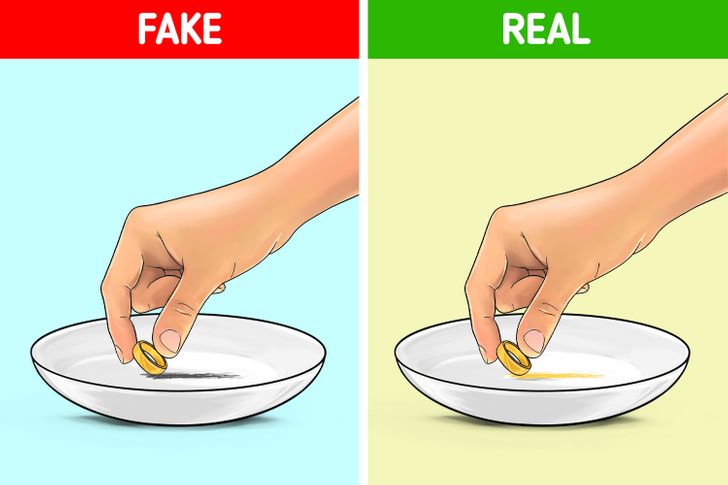
Here's another relatively simple one that won't cost you an arm and a leg (or a tooth). Find an unglazed ceramic plate. You know, the kind that looks a bit rough on the bottom. Now, gently drag your suspected gold across the plate. If it leaves a gold streak, you're likely holding the real deal. If it leaves a black streak, it’s probably not gold. Black is the color of disappointment in this scenario. Think of it as the ceramic plate giving your gold a quick, honest critique. "Yup, this is gold." or "Nah, this is just fancy charcoal."

Again, be gentle! You don't want to scratch your precious item. Just a light swipe is all you need. This test works because real gold, being relatively soft, will transfer a tiny bit of itself onto the rough surface. Fake stuff, being harder or made of different materials, will either leave no mark or a different colored mark.
The "Density is Destiny" (But a Bit Fiddly) Method
This one is for the more dedicated gold enthusiasts, the ones who like a bit of precision. Gold is quite dense. This means a small piece of gold will weigh more than a small piece of many other metals. You can theoretically test this by comparing the weight and volume of your suspected gold to something you know is made of a different, less dense metal. Or, you can get fancy with Archimedes' principle and water displacement. It’s all about measuring how much water your item pushes aside and then comparing that to its weight. If the numbers line up with gold's known density, you're probably in business!
However, this is where things can get a bit complicated, especially with plated items. A thick layer of gold over a cheaper metal might fool this test initially. Plus, who has a super accurate scale lying around, right? Unless you're a baker who's really, really serious about cookies. This is the kind of test that makes you feel like a mad scientist, brewing up a potion in your kitchen. "Eureka! It displaces 10ml of water and weighs 5 grams! It must be gold... or a very dense gummy bear."
When in Doubt, Seek the Dudes (and Dudettes) in the Know
Honestly, if you've tried a few of these simpler tests and you're still squinting at your potential treasure like it's a cryptic crossword puzzle, it's time to call in the cavalry. Take it to a reputable jeweler or a coin dealer. These folks have the specialized tools and the decades of experience to tell you, with near-certainty, if what you have is the real deal. They've seen it all, from genuine heirlooms to incredibly convincing fakes that would make a seasoned con artist blush.
Think of it as the ultimate gold-testing cheat code. They can often do tests that are more accurate and definitive, like using an XRF analyzer, which is basically a high-tech gadget that tells you the elemental composition of the metal. No biting, no scratching, just pure, unadulterated truth. And if it is real, they can even give you a rough idea of its value. See? Easy peasy, lemon squeezy, and much less likely to involve accidental dental work.
So there you have it! A few tricks up your sleeve to help you discern the genuine article from the glittery impostor. Remember, a little skepticism and a few simple tests can save you from a lot of future headaches. Now go forth and test your treasures, responsibly and with a healthy dose of amusement. And if all else fails, just remember the advice of my wise old aunt: "If it looks too good to be true, it probably is. Especially if it's being offered to you by a man wearing a fedora in a dimly lit alleyway. That's just good life advice, really."