How To Be A Film Extra Uk
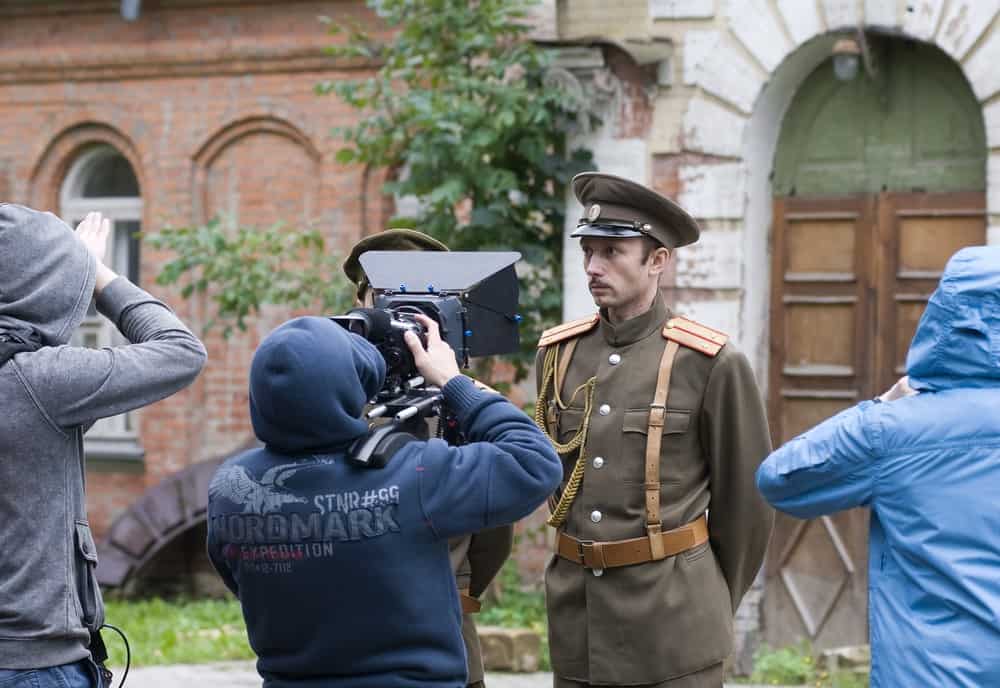
Ever found yourself on the sofa, binge-watching the latest Netflix hit, and thinking, "I could totally do that?" Maybe you’ve pictured yourself strolling casually in the background of a gritty London drama, sipping a latte in a rom-com, or even sporting a historical costume for a period piece. Well, you might be surprised to learn that being a film extra in the UK isn't the exclusive domain of aspiring actors. It's a surprisingly accessible gig, offering a unique glimpse behind the silver screen and a chance to earn a bit of extra cash while doing something utterly different. Forget the intense auditions and dramatic monologues; this is about being part of the magic, one perfectly timed walk-by at a time.
Let's be honest, the idea of being a film extra sounds pretty cool. It's like having a secret superpower: you're in the movie, but you're also just a regular person blending in. Think of it as becoming a human prop, but way more interesting. It's a chance to see how the sausage is made, to witness the controlled chaos of a film set, and to maybe, just maybe, get a fleeting mention in the credits (okay, probably not, but a girl can dream!).
So, how do you actually go from armchair critic to background player? It's simpler than you might think. The first and most crucial step is to register with a reputable extras agency. These are the gatekeepers, the ones who connect eager individuals with casting directors for various productions. Think of them as your personal film set matchmakers. The UK has a thriving film industry, and consequently, a good number of these agencies operate across the country. You'll find them in London, Manchester, Cardiff, Glasgow – pretty much wherever the cameras are rolling.
Must Read
When choosing an agency, do your homework. A quick Google search will reveal plenty of options. Look for agencies with a strong track record, good reviews, and clear communication. Some of the bigger, more established names in the UK include StarNow, Casting Call UK, Extra People, and The Casting House. Don't be afraid to register with a few different ones to maximise your chances. It’s like casting a wide net – the more nets you cast, the more fish you might catch (or, in this case, film roles!).
The Registration Process: What to Expect
Once you've chosen your agency (or agencies!), it's time to sign up. This usually involves creating a profile on their website. You’ll need to provide some basic information, your contact details, and of course, your measurements. Yes, your measurements are important! They need to know if you’ll fit the costumes that are available. Think chest, waist, hips, inside leg, shoe size, and even hair and eye colour. Be accurate – there’s nothing worse than showing up for a fitting and discovering the only available kilt is three sizes too small.
The most vital part of your profile will be your photos. These are your first impression, your digital calling card. You'll typically need a couple of headshots and a couple of full-body shots. Aim for clear, recent, and natural-looking photos. No professional studio shots needed here; in fact, they might be discouraged! The casting directors want to see what you actually look like. Think a friendly smile, good lighting (natural light is your best friend), and simple, plain clothing that doesn’t distract. A white t-shirt or a simple black top is usually a safe bet. Imagine you're meeting a friend for a coffee – that's the vibe you’re going for. Avoid heavy makeup, filters, and anything that might make you look dramatically different in person.
Some agencies might also ask for a short video introduction. This is your chance to let your personality shine. Keep it brief, enthusiastic, and professional. Smile, introduce yourself clearly, and mention any particular skills or types of roles you're interested in. Are you a great walker? Can you ride a bike? Do you have a specific accent? Every little detail counts.
The Perks of the Job (Beyond the Big Screen Dreams)
Let's talk about the nitty-gritty: the pay. While you won't be buying a mansion on your extra earnings, it's a decent way to supplement your income. Rates vary depending on the production, the type of role, and the hours, but you can generally expect to earn around £10-£15 per hour, often with a minimum number of hours guaranteed per day (usually 8-10). Some roles might offer a higher daily rate, especially if they require specific skills or a longer commitment.
The beauty of being an extra is the sheer variety. One day you could be a bustling shopper in a modern-day high street scene, the next you might be a stoic peasant in a historical epic. You might find yourself shivering on a cold night shoot for a gritty detective drama or basking in the sun for a feel-good summer film. It's a fantastic way to experience different parts of the UK too, as productions often shoot on location in picturesque towns, historic buildings, and stunning natural landscapes.
Think about it: you could be sipping tea at a fancy historical estate one week and dodging pretend explosions in a sci-fi film the next. Where else can you get that kind of job description? And the people you meet! You'll encounter fellow extras, who often become great friends, sharing stories and tips. You'll also rub shoulders with the crew – the tireless individuals who make the magic happen. It’s a fantastic networking opportunity, even if you don’t plan to pursue a career in film.
A Day in the Life of an Extra
So, you've been booked! The email arrives, thrilling you with the prospect of a day on set. What happens next? Firstly, you'll receive a call sheet. This is your bible for the day. It details your call time (when you need to be on set), the location, what to wear (often with specific instructions on colours and styles), and any other pertinent information. Pay close attention to the dress code. They often want specific colours to avoid clashing with the main actors or the set design. Think neutral tones, avoid logos, and err on the side of simplicity.
On the day, your call time is paramount. Being late is a cardinal sin in the film world. Arrive on time, or even a little early, to allow for parking, finding your way around, and checking in. You'll likely be directed to a holding area, where other extras will be waiting. It’s a relaxed atmosphere, with people chatting, reading books, or scrolling on their phones. Don't expect to be instantly whisked away to the set; there’s often a bit of waiting involved. This is part of the experience, so embrace the downtime.

Once you're called to set, you'll be directed by the continuity supervisor and the assistant director (AD). They are the ones who will guide you on where to stand, when to walk, and what to do. Listen carefully to their instructions. Your job is to follow them precisely. You might be asked to walk across a room, sit at a table, or simply stand and look at something. It sounds simple, but doing it naturally and convincingly, shot after shot, is where the skill lies.
Remember, you are background. Your job is to create atmosphere and realism. Avoid looking directly at the camera unless instructed to do so. Try not to draw attention to yourself. Think about what a real person would be doing in that situation. Even if you’re just standing there, your posture and your subtle movements can add a lot to the scene.
Navigating the Set: Etiquette and Practicalities
Set etiquette is crucial. The set is a professional environment, and while it can be fun, it's important to remember that everyone is working. Respect the crew. They are the backbone of the production. Be polite, say please and thank you, and don't interrupt them while they're working. They have demanding jobs and a tight schedule.
Food is usually provided on set, and it's generally decent fare – think hot meals, sandwiches, and snacks. It’s another perk of the job, saving you from packing a packed lunch. However, it's always a good idea to bring your own water bottle and some snacks, just in case. You never know when hunger might strike between scenes!
What about your phone? Mobile phones are strictly prohibited on set unless you are in a designated area. This is to prevent spoilers, leaks, and accidental photos from getting out. If you're caught using your phone, you could be asked to leave. So, resist the urge to Instagram your star moment – enjoy it in the moment instead!

Comfort is key. You might be on set for many hours, so wear comfortable shoes. You might be asked to wear specific shoes, but if you have some flexibility, opt for comfort. Also, bring layers. Film sets can have fluctuating temperatures, and you might be inside one minute and outside the next. Think of yourself as a well-prepared explorer, ready for any climatic conditions.
Beyond the Basics: Tips for Success
If you're looking to make yourself a more valuable asset to casting directors, consider building up your versatility. The more you can do, the more likely you are to be called. Can you speak another language? Do you have any special skills like juggling, playing a musical instrument, or even basic first aid? These can all be listed on your profile and might open up specific opportunities.
Think about your look. While you don’t need to be a supermodel, having a distinctive look can sometimes be an advantage. Interesting hair colours, facial hair, or unique features can make you stand out. However, if you’re looking for frequent work, it’s often better to have a more neutral look that can be adapted to various roles.
Be reliable and professional. This is the most important advice of all. Turn up on time, follow instructions, and maintain a positive attitude. If you’re a pleasure to work with, casting directors and ADs will be more likely to book you again. Word of mouth is powerful in this industry.
Don't get discouraged. Not every application will result in a booking. There will be times when you're not right for a role, or a production gets cancelled. It's part of the game. Keep your profile updated, keep an eye on new opportunities, and keep putting yourself out there.

Cultural Touchpoints: From Shakespeare to Star Wars
The UK has a rich tapestry of film and television production, from grand historical dramas that hark back to the glory days of the British Empire, to gritty, contemporary thrillers set against the backdrop of our bustling cities. You could find yourself amongst the crowds in a Dickensian street scene, a jiving flapper in a 1920s speakeasy, or even a bewildered bystander in a futuristic sci-fi epic. Imagine being an extra in a BBC period drama like 'Downton Abbey' or 'Bridgerton', surrounded by stunning costumes and opulent sets. Or perhaps you'd prefer to be part of the action in a blockbuster franchise, like a Star Wars spin-off or a Marvel movie filmed on these shores. The possibilities are endless.
The nature of the work means you’ll be exposed to different genres and styles of filmmaking. One week it might be the meticulous detail of a historical recreation, the next it’s the high-octane energy of a contemporary action film. This exposure is invaluable, offering a unique perspective on the craft of filmmaking that you simply can't get anywhere else. You're not just watching the movie; you're a tiny, yet essential, piece of its creation.
And let's not forget the often-unsung heroes: the costume department and the makeup artists. These talented individuals are responsible for transforming you into whatever the director envisions. One day you might be having your face painted like a warrior, the next you might be meticulously styled to look like a Victorian socialite. It's a fascinating glimpse into the artistry that goes into creating characters and worlds, even for those in the background.
A Final Thought: Finding Your Place in the Frame
Being a film extra in the UK is less about becoming a star and more about becoming part of something bigger than yourself. It’s about contributing to the collective effort that brings stories to life on screen. It's a chance to step outside your usual routine, to experience the buzz of a film set, and to see your city or country from a new perspective.
In our fast-paced, often digitally disconnected lives, there’s something incredibly grounding about being physically present on a set, contributing to a tangible creation. It’s a reminder that even small roles can be significant, that being part of a team effort is rewarding, and that sometimes, the most interesting experiences are found on the periphery, just outside the main spotlight. So, if you're looking for a bit of an adventure, a way to earn some extra cash, and a unique insight into the magic of filmmaking, consider becoming a film extra. You might just find your perfect place in the frame.