How To Attach A Flag To A Pole

There’s something about a flag flapping in the breeze, isn’t there? It’s more than just fabric on a stick. It’s a symbol, a story, a feeling. Whether it’s your nation’s colors proudly displayed, your favorite sports team’s banner, or even a silly pirate flag you’ve got for your backyard adventures, attaching that bit of cloth to its trusty pole is a ritual. And it’s a surprisingly simple one, one that connects you to a long line of flag-flyers, from ancient warriors to the neighborhood dad who just wants to show his patriotic spirit.
Let’s imagine you’ve just unwrapped your brand new flag. It’s crisp, it’s bright, and it’s practically humming with potential energy, just waiting for its moment in the sun. You’ve got your flagpole, a sturdy sentinel that’s seen its share of weather and wind. The first thing you’ll notice are the little bits that come with your flag – they’re not just random accessories, oh no. They’re the unsung heroes of flag attachment.
Often, you’ll find a set of grommets. Think of these as the flag’s buttonholes. They’re usually made of metal, shiny and strong, designed to be punched through. You’ll see them along the edge of your flag, usually two or four, depending on the size. They’re like little metal rings, and they’re your primary connection points. Some flags might have reinforced edges, and that’s a good thing – it means they’re built to last, to withstand the tugs and pulls of a good gust.
Must Read
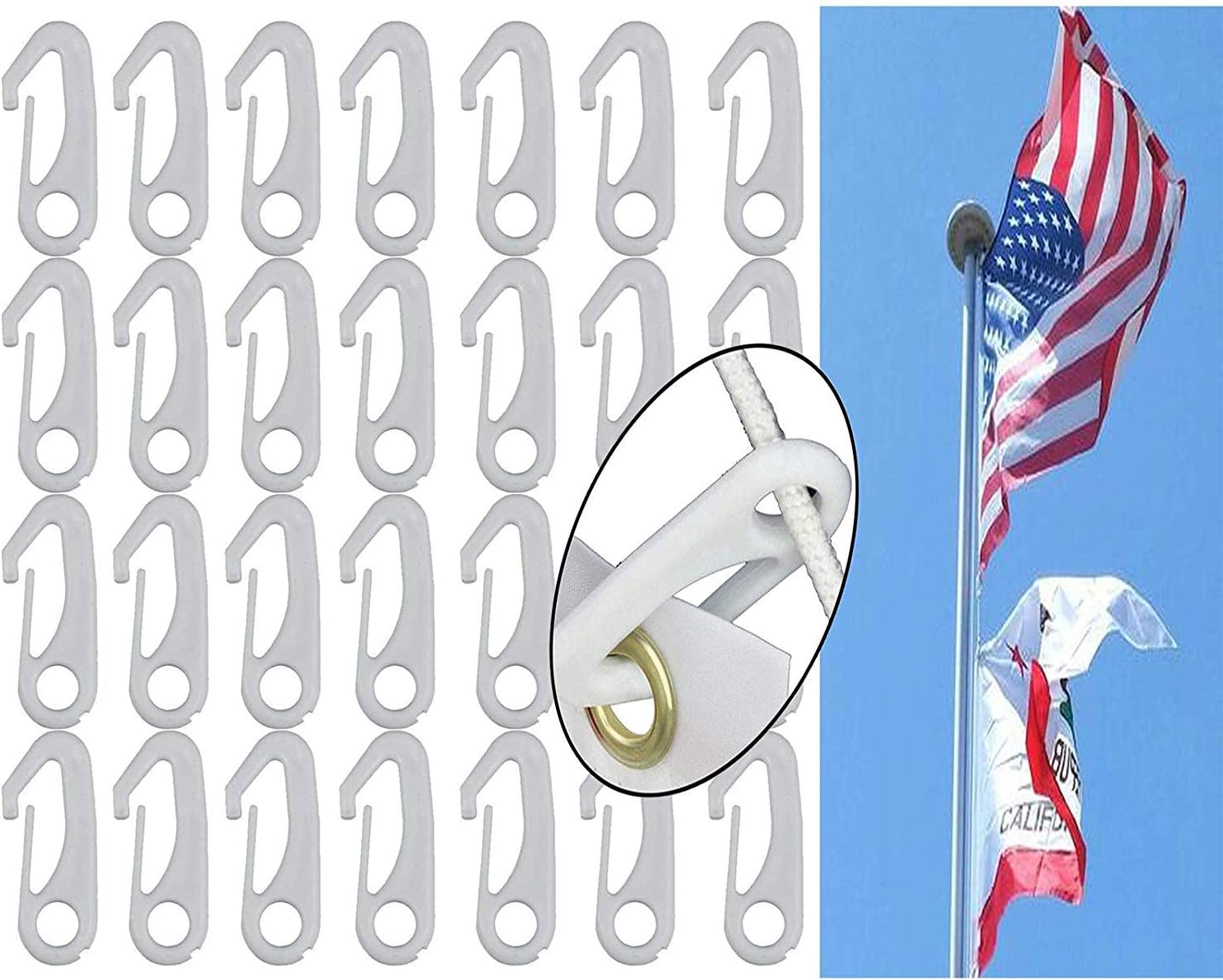
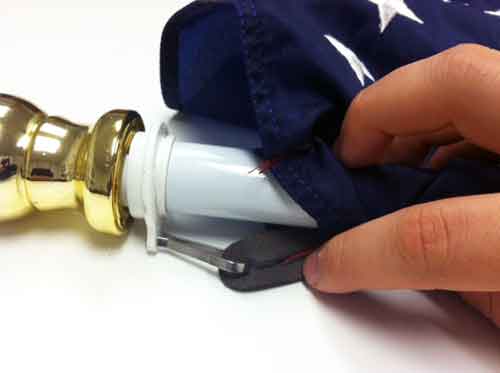
Then there are the flag fasteners. These can come in a few different flavors, but the most common are probably the carabiner clips or simple rope ties. If you’ve got carabiners, think of them as tiny, super-strong metal gates. They’re designed to loop through your grommets and then attach to something else. It’s like a tiny, quick-release system for your flag. They’re satisfyingly clicky when they open and close, and they feel incredibly secure.
If your flagpole came with rope, often called a halyard, then you might be dealing with rope ties. These are usually short pieces of strong cord, often with a loop at one end and a knot at the other. The idea is to thread the rope tie through the grommet of the flag, then tie it securely to the halyard rope that runs up and down your flagpole. It’s a more traditional method, and there’s a certain charm to it. It feels a bit like tying a sailor’s knot, a connection to a time when ships and sails ruled the waves.
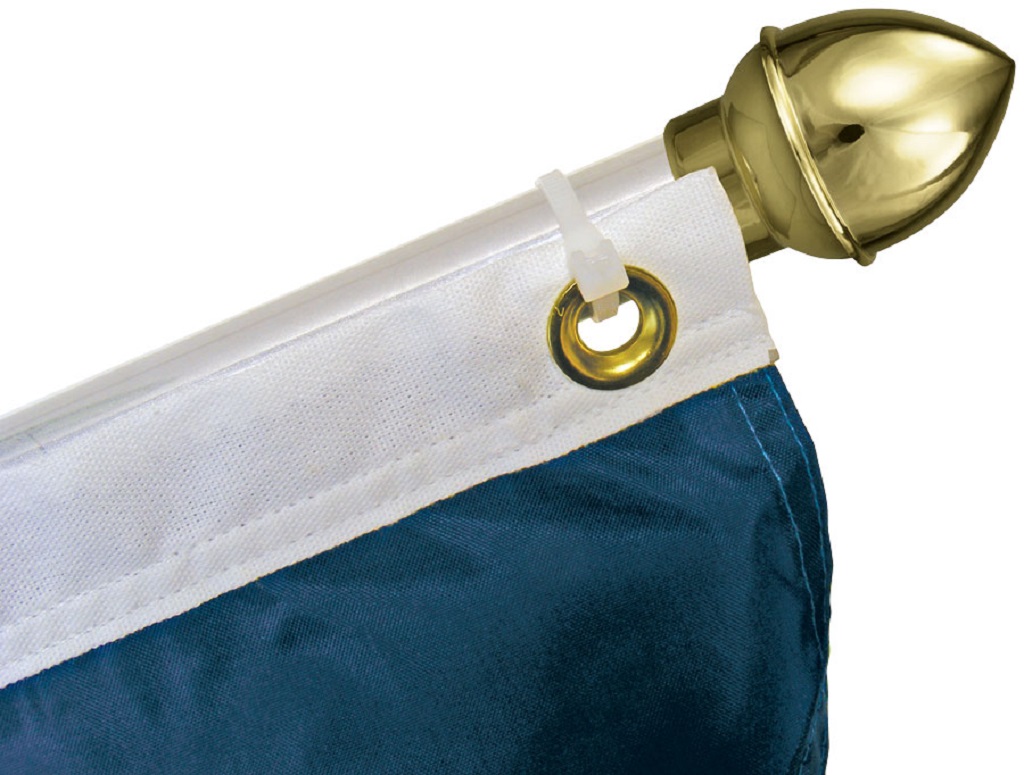
So, how do you bring it all together? Well, it’s less about brute force and more about a gentle, strategic dance. You’ll take your flag, and lay it out. Imagine you’re preparing for a very important picnic, but instead of a blanket, it’s your flag. You’ll look for those grommets. If you’re using carabiner clips, you’ll simply clip one through the top grommet of the flag and then attach it to the appropriate point on your flagpole. Then you’ll do the same for the bottom grommet. It’s like giving your flag little handcuffs, but friendly ones, to keep it attached.
If you’re using rope ties, it’s a little more involved, but still straightforward. You’ll thread one end of the rope tie through a grommet. Then, you’ll take that same rope tie and loop it around the halyard rope on your flagpole. You’ll want to tie a secure knot – nothing too fancy, just something that won’t slip. Think of it like tying your shoelaces, but with a bit more confidence. You’ll repeat this for each grommet and corresponding point on the halyard.

The surprising thing is how this simple act can feel so momentous. It’s not just attaching fabric; it’s an act of declaration. It’s saying, “This is what I stand for,” or “This is what I love,” or even, “This is my house, and I’m proud of it!” It’s a moment that can be shared. Imagine a child’s gleeful face as they help attach their first flag, their small hands fumbling with the clips, their pride swelling with every successful attachment. It’s those small, heartwarming moments that make the whole process special.
It’s the whisper of history, the echo of cheers, the silent salute to something bigger than ourselves, all tied together with a simple clip or a sturdy knot.
And then, the moment of truth. Once your flag is attached, it’s time to hoist it up. There’s a certain rhythm to it, a steady pull on the rope, or a smooth slide of the pole. As the flag unfurls and catches the wind, it’s like watching a story come to life. It dances, it dips, it soars. It’s a visual poem, written on the wind. And all of this, from the shiny grommets to the satisfying click of a carabiner, is what allows that story to be told.
It’s a beautiful simplicity, really. The technology is basic, the materials are straightforward, but the effect is profound. It’s the whisper of history, the echo of cheers, the silent salute to something bigger than ourselves, all tied together with a simple clip or a sturdy knot. So, the next time you see a flag flying high, remember the humble act of attachment. It’s more than just a connection; it’s a bridge between the maker and the observer, a testament to the power of symbols and the simple joy of putting something you care about on display.