How Old A Cat Is In Human Years
:strip_icc()/cat-age-to-human-age-chart-554306_FINAL-5b1e7a7fba61770037b6b655.png)
Ever looked at your furry overlord, the one who naps for 18 hours a day and demands tuna at precisely 3 AM, and wondered… "How old are they, really?" Like, in human years?
It’s a question that pops into our heads more often than we’d like to admit. And honestly, it’s just plain fun to think about. Comparing our own aging process to our feline companions is a quirky little hobby, right?
So, let’s dive into the fascinating world of cat years. It’s not as simple as, say, a dog’s year-to-human-year ratio. Nope, cats are way more complex. And a little bit cooler. Obviously.
Must Read
Think of it this way: your kitten isn't just a tiny bundle of fluff. They're practically a super-fast-growing toddler the moment they pop out. We’re talking serious growth spurts here. Like, overnight changes. Blink and you might miss it!
The Speedy Startup: Kittenhood
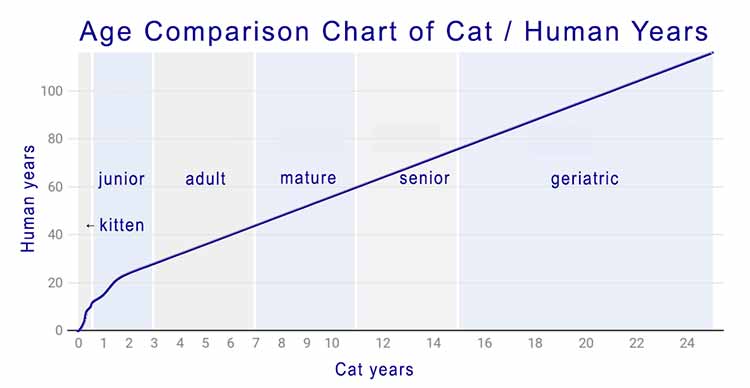
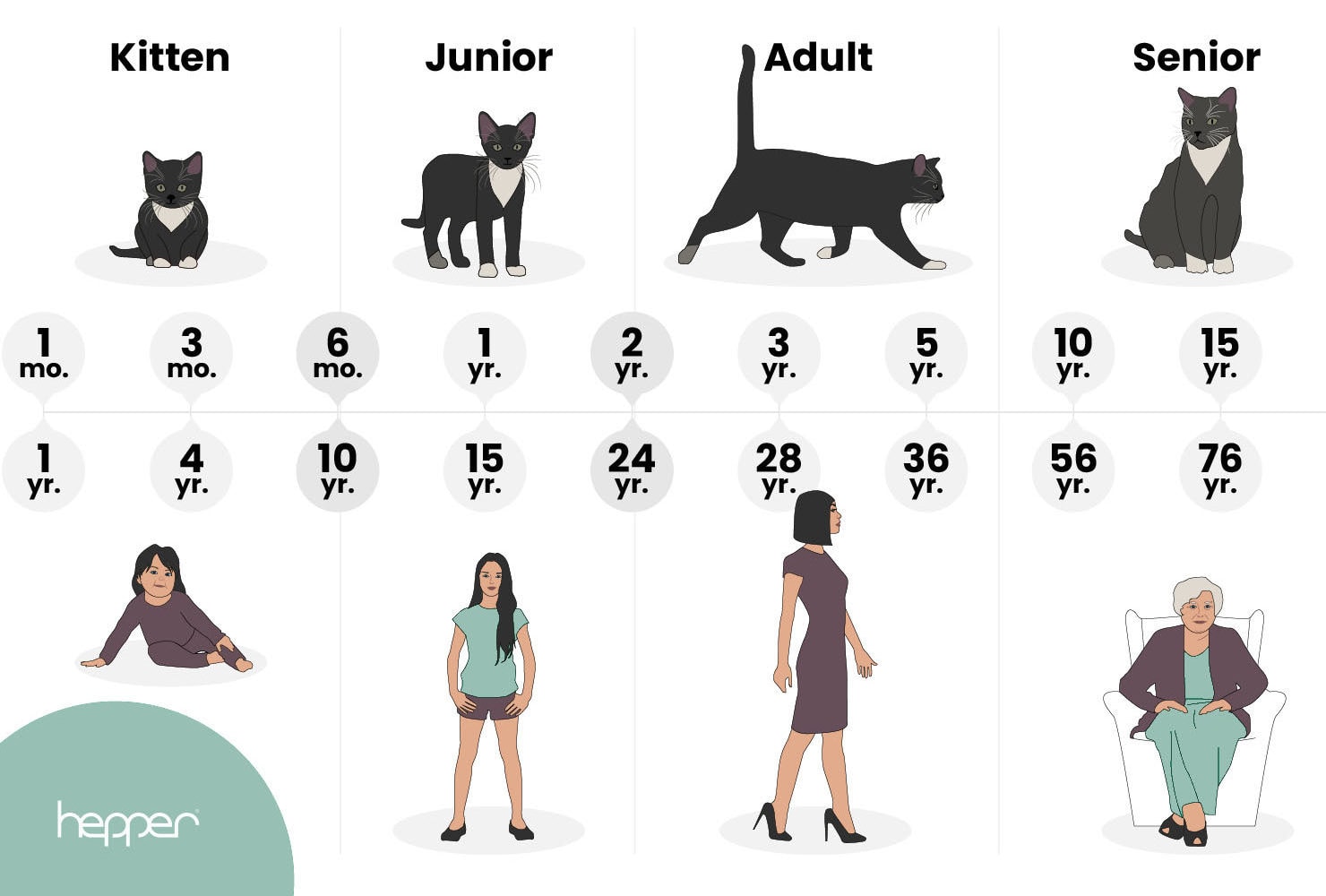
For starters, that first year of a cat’s life is the equivalent of, like, 15 human years. Whoa, right?
A newborn kitten is basically a helpless little squish. But by the time they’re six months old? They’re practically teenagers. They’re exploring, getting into mischief, and probably starting to ignore you a little. Sound familiar?
It’s during this whirlwind first year that they hit all their major milestones. Walking, pouncing, maybe even mastering the art of knocking things off shelves with impressive accuracy. All before they can even legally vote, let alone buy their own catnip.
The Prime Time: Adulthood
Now, once your cat hits their first birthday, things start to slow down. But not that much.
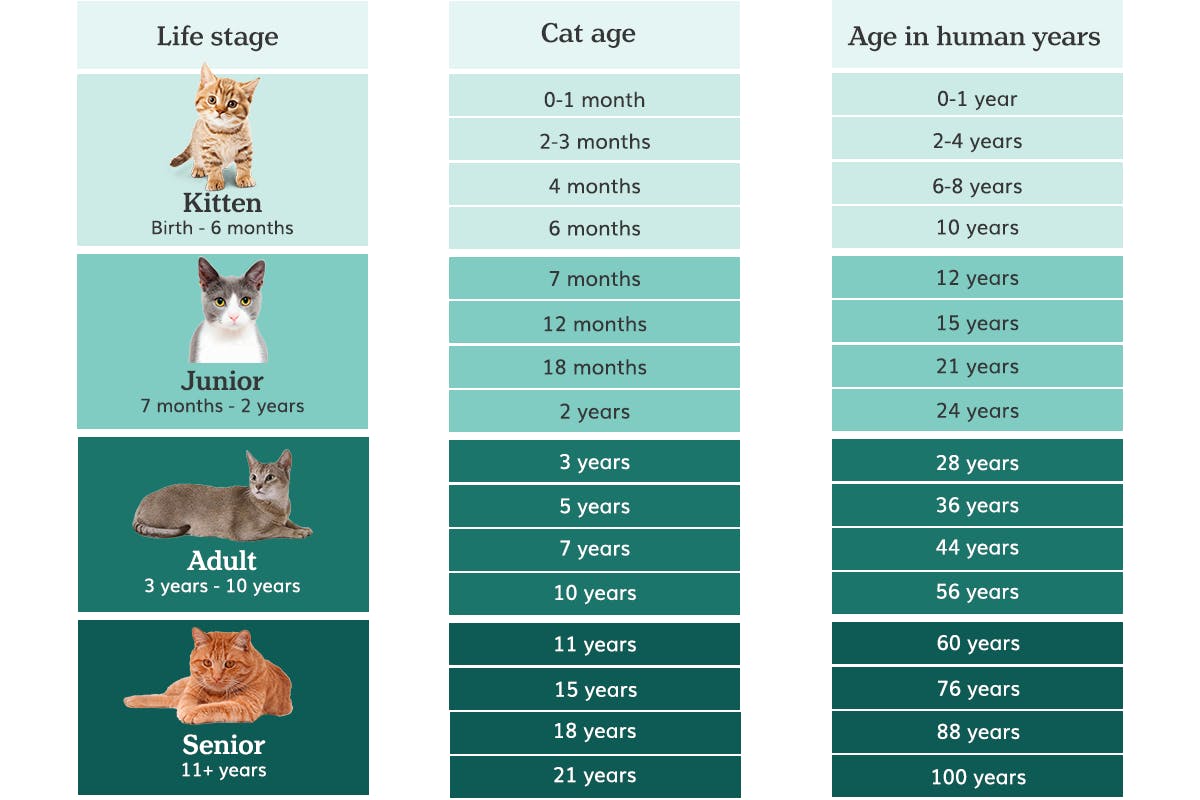
That second year? That’s like adding another 9 human years. So, a 2-year-old cat is roughly 24 in human years. They’re hitting their stride, their prime. This is when they’re usually at their most playful and energetic. They’ve figured out the world, and their place in it (usually on your lap or in a sunbeam).
After that, it’s generally a steady pace. Each subsequent cat year is roughly equivalent to about 4 human years.
So, if you have a 5-year-old cat, they’re about 36 in human years. Pretty cool, huh? They’re like a sophisticated adult, probably enjoying a nice quiet evening… or plotting their next zoomie session.
And a 10-year-old cat? That’s around 56 human years. They’re entering their more seasoned years. Maybe they nap a little more. Maybe they judge your life choices a little more. But they’re still your best buddy.
The Golden Years: Senior Cats
What about the wise old souls? The ones who’ve seen it all, or at least a lot of naps?
When your cat hits 10, they’re officially considered a senior cat. This is when the "4 human years per cat year" rule might get a little fuzzy. Some sources say it’s still 4, others lean towards 5 as they get even older.

But the point is, they're definitely hitting that "golden years" territory. Think of a 15-year-old cat. That’s roughly 76 human years. They’re practically grandparents!
And a 20-year-old cat? That's well into their 90s in human years. Some cats even live into their mid-20s, which is like being 110+! Talk about a long, happy life.
Why Does This Even Matter? (Besides Fun!)
Okay, so it’s fun to imagine your cat as a tiny human. But there’s actually a practical reason behind this whole "human years" thing.
Understanding your cat’s "human age" can help you recognize when they’re entering different life stages. And that means being aware of potential health changes.
Kittens need different care than adult cats. Adult cats have different nutritional needs than senior cats. Knowing their approximate human age can help you anticipate these changes and provide the best care possible.

For example, a senior cat might start to develop things like arthritis or kidney issues. Just like humans do! Paying attention to their energy levels, appetite, and any changes in their behavior can help you catch these things early.
It’s like having a little health cheat sheet for your feline friend.
The Quirky Details and Fun Facts
Let’s not forget the fun stuff! This whole age conversion isn't just about numbers.
Did you know that the reason cats mature so quickly in their first year is because they're reaching reproductive maturity? Yep, they're basically getting ready to start their own feline dynasties.
And the reason older cats sometimes get a bit… slower? It’s the same reason older humans do. Joints can get stiff, energy levels can drop. They’re not being grumpy; they’re just experiencing the joys of aging.
It’s also fascinating to think about how our perception of our cats changes with age. A bouncy kitten is all about play. A mature cat is a calm companion. A senior cat is a wise, cuddly elder.
Each stage has its own unique charm. And its own set of adorable quirks.
You might notice your senior cat developing "halo eyes" where their pupils seem permanently dilated. Or maybe they start to sleep even more, which, let’s be honest, is a tough act to follow.
And let's talk about their personalities. A cat's personality can really develop and shift as they get older. Some become more affectionate, while others might become a little more set in their ways. It's like watching a person evolve!
The whole cat-to-human year calculation is, of course, an approximation. Different sources might give you slightly different numbers. But the general idea remains the same: cats grow up fast, and then they age at a more steady pace.
So next time you’re looking at your cat, whether they’re a tiny terror or a fluffy sage, take a moment to appreciate their journey. Think about how old they are in human years, and marvel at how much life they’ve lived.
It’s a fun little mental exercise that reminds us just how special our feline companions are. And how much we love them, no matter their age. Now, if you’ll excuse me, I think my 7-year-old cat (around 44 human years, mind you) is demanding a treat. The life of a feline elder is a busy one!