How Often Should U Feed A Dog
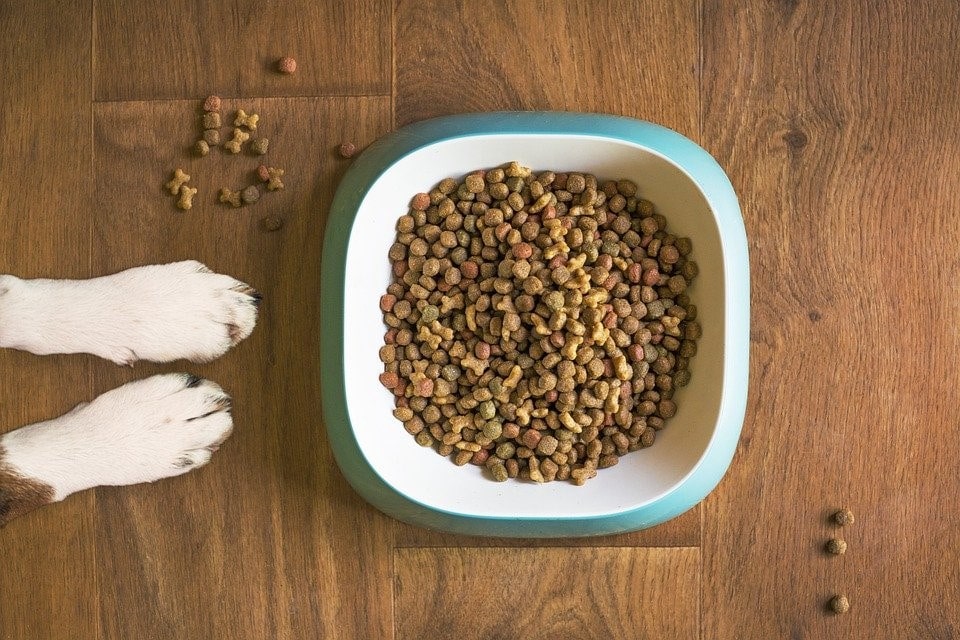
Hey there, fellow dog lover! So, you've got a furry best friend and you're wondering about the golden question: "How often should I feed my dog?" It's a common query, and honestly, there's no single, magic number that fits every wagging tail. Think of it like this: your dog isn't a robot with a pre-programmed kibble dispenser. They're living, breathing, treat-gobbling goofballs with unique needs!
We're going to dive into this whole feeding frenzy in a super chill way. No complicated charts or scary science words here, just practical, friendly advice to keep your pup happy and healthy. After all, a well-fed dog is a happy dog, and a happy dog means a happy you, right? And who doesn't want more tail wags and less "hangry" puppy eyes?
Let's get started on figuring out the best feeding schedule for your canine companion. It's all about understanding a few key things, and once you get them, you'll be a feeding guru in no time!
Must Read
The Age Factor: Puppies vs. Grown-Ups
This is probably the biggest factor. Think of it like humans – a tiny baby needs way more frequent snacks than a grown adult who can probably survive on a single, massive pizza (okay, maybe not, but you get the drift!).
Puppies, bless their energetic little souls, are basically tiny food vacuums. They're growing at an incredible rate, building bones, muscles, and developing their little brains. This means they need more frequent meals to fuel all that amazing development.
For most puppies, especially those under six months old, you're looking at feeding them three to four times a day. Yep, it can feel like you're constantly filling a bowl, but it's crucial for their growth. Think of it as short bursts of energy to power their zoomies and chewing adventures.
Why so often? Well, their little tummies can't hold a huge amount of food, and they burn through calories like a wildfire. Spreading out their meals helps prevent tummy upset and ensures they're getting a steady supply of nutrients.
Now, once your puppy hits about six months, you can usually start to transition them to two meals a day. This is a pretty standard schedule for most adult dogs. It's a good balance between keeping their energy levels up and not having them feeling stuffed all the time. You might notice they're not quite as frantic for food as they were when they were tiny tots.
As they get older, you might even be able to stick with two meals a day. Some very senior dogs, or those with certain health conditions, might benefit from smaller, more frequent meals, but for the average adult dog, two meals is usually the sweet spot. We'll touch on health considerations later, because your vet is your best buddy in this whole process!
Breed Size Matters: The Tiny Terror vs. The Gentle Giant
This might surprise you, but your dog's breed and size can actually play a role in how often you should feed them. It's not just about how much food they need, but also their metabolism and how quickly they digest things.
Smaller breeds, like Chihuahuas or Yorkshire Terriers, often have faster metabolisms. This means they burn through calories pretty quickly. So, even though they eat less overall, they might do better with a slightly more frequent feeding schedule, perhaps sticking to two or even three smaller meals a day. This can help prevent their blood sugar from dropping too low, which can be a concern for very small dogs.
On the flip side, larger breeds, like Great Danes or Mastiffs, tend to have slower metabolisms. They can usually manage perfectly well with two good-sized meals a day. In fact, for very large and giant breeds, some vets recommend feeding them two meals a day to reduce the risk of bloat, a serious and potentially life-threatening condition.
Bloat, also known as Gastric Dilatation-Volvulus (GDV), is when the stomach fills with gas and can twist. Feeding one massive meal can increase the risk. So, for those gentle giants, splitting their daily food intake into two portions is a really good idea. Always chat with your vet about this, especially if you have a giant breed!
It’s not about overfeeding, it’s about optimizing digestion and preventing potential health hiccups. So, give your dog a good look – are they a pocket rocket or a lumbering lovable giant? That can give you a clue!
Activity Level: The Couch Potato vs. The Marathon Runner
Let's be honest, some dogs are born athletes, and others are more like professional nappers. Your dog's activity level is a HUGE factor in determining their feeding needs.
A dog who goes on daily hikes, participates in agility training, or simply has boundless energy for chasing squirrels all day is going to burn a lot more calories than a dog who enjoys leisurely strolls and spending most of their time snoozing on the sofa. Think of it as the difference between a professional athlete and someone who works at a desk.
If your dog is a super-active dynamo, they're going to need more fuel. This might mean ensuring they get their two meals a day, and perhaps even considering a slightly larger portion size (always guided by their body condition, of course!). You don't want your energetic pup to be running on fumes, do you?
On the other hand, if your dog is more of a "couch connoisseur," they won't need as much food. Overfeeding a less active dog can lead to weight gain, which, as we all know, can bring a whole host of health problems. For them, sticking to a sensible two meals a day with appropriate portion sizes is key.
It's about matching their food intake to their energy output. If you're unsure about your dog's ideal weight or how much they should be eating based on their activity, your veterinarian is the best person to ask. They can help you assess your dog's body condition score and give you personalized recommendations.
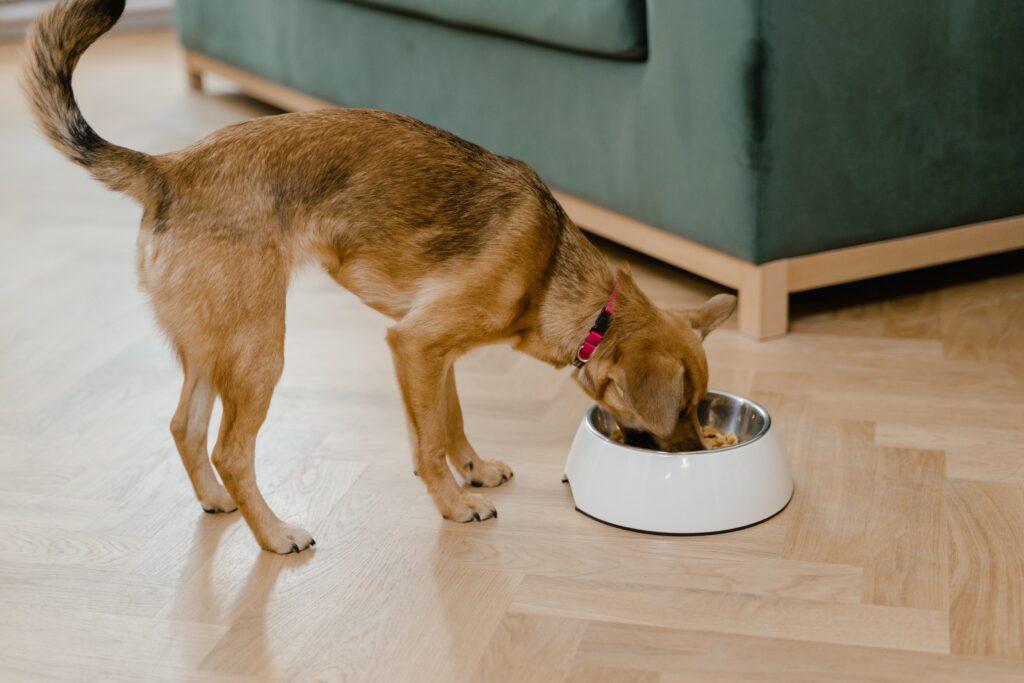
And hey, if your dog is particularly active, consider giving them a tasty, healthy treat as a reward after a strenuous play session or training. It's a win-win: they get a boost of energy and you get to spoil them!
Health Considerations: When to Call in the Pros
Now, this is where things get a bit more serious, but still important to cover. Sometimes, your dog's feeding schedule might need to be adjusted due to health reasons. And guess who's the ultimate expert on your dog's health? Your veterinarian!
Certain medical conditions can affect how your dog processes food or their energy needs. For example:
- Diabetes: Dogs with diabetes often need carefully regulated meal times and specific types of food to manage their blood sugar levels.
- Kidney Disease: Dogs with kidney issues might need a special diet and a specific feeding schedule to help manage their condition.
- Digestive Issues: Some dogs might have sensitive stomachs or specific intolerances that require smaller, more frequent meals or a different type of food.
- Senior Dogs: As dogs age, their metabolism can slow down, and they might have different nutritional needs. Some senior dogs may benefit from smaller, more easily digestible meals.
If your dog has any underlying health issues, or if you notice any significant changes in their appetite, energy levels, or digestion, please, please, please talk to your vet. They can diagnose any problems and create a tailored feeding plan just for your furry friend.
Don't try to self-diagnose or make drastic changes to your dog's diet without professional guidance. Your vet is your partner in keeping your dog healthy and happy, and they have the knowledge to steer you in the right direction.
Sometimes, a simple dietary change or a slight adjustment in feeding times can make a world of difference to a dog's comfort and well-being. So, if in doubt, always reach for the phone and call your vet!
What Kind of Food Are We Talking About?
The type of food you're feeding your dog also plays a role, though it's less about the frequency and more about the quality and how it's formulated.
Generally, high-quality kibble is formulated for adult dogs to be fed twice a day. These foods are balanced to provide all the necessary nutrients in each serving. If you're feeding a premium brand, it's usually designed with that standard feeding schedule in mind.

If you're feeding a raw diet, or a home-cooked diet, the approach might be slightly different. Raw diets, for instance, can be very digestible, and some owners might feed them once a day or even twice, depending on the dog and the components of the diet. Home-cooked meals also require careful balancing of nutrients, and frequency might be adjusted based on the digestibility of the ingredients.
Wet food can sometimes be more easily digested than kibble. If your dog is a picky eater or has trouble with dry food, wet food might be a good option. However, the frequency of feeding will likely remain similar, with two meals being the standard for adult dogs.
The key takeaway here is that whatever food you choose, make sure it's appropriate for your dog's life stage (puppy, adult, senior) and meets their nutritional needs. And again, if you're exploring less conventional diets like raw or home-cooked, consulting with a veterinary nutritionist is a wise move.
Ultimately, the best food is one that your dog thrives on, keeps them at a healthy weight, and provides them with all the energy they need for their daily adventures. And of course, one that they actually enjoy eating – because a happy dog is a dog who cleans their bowl!
Tips for a Smooth Feeding Routine
So, we've covered the main factors. Now, let's chat about making this whole feeding thing a smooth and enjoyable experience for both you and your furry companion.
Consistency is key! Try to feed your dog at roughly the same times each day. This helps regulate their digestive system and can even help with house-training. Imagine trying to predict when your dog needs to go out if their mealtimes are all over the place – it would be chaos!
Observe your dog. Are they looking a bit too thin? Are they constantly begging for food even after they've eaten? Or are they getting a bit of a "chonk" going on? Your dog will give you clues about whether their current feeding schedule and portion sizes are working. Pay attention to their body language and their physique.
Measure their food. Resist the urge to just eyeball it. Using a measuring cup ensures you're giving them the right amount, preventing overfeeding or underfeeding. Trust me, it's easy to be a little too generous with that scoop when you're in a rush!
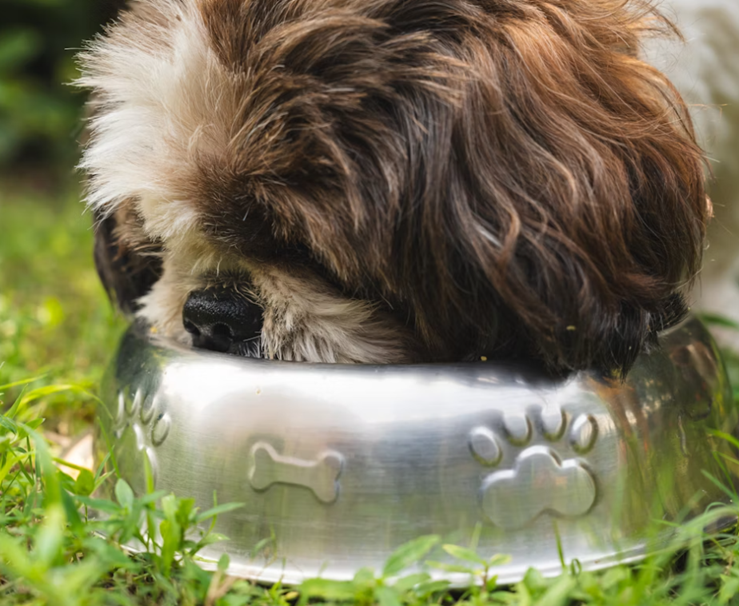
Don't let them graze all day. Unless your vet specifically recommends it for a medical reason, it's generally better to feed your dog at designated meal times. This helps them learn when food is available and prevents them from constantly snacking, which can lead to obesity and dental issues.
Clean bowls are happy bowls. Wash your dog's food and water bowls regularly to prevent bacteria buildup. Nobody likes to eat out of a dirty dish, not even your four-legged friend!
Make mealtime a positive experience. This is a great time for bonding. You can even incorporate some simple training commands before they eat, like "sit" or "stay." It's a good way to reinforce good behavior and make mealtime a structured part of their day.
And remember, if you're ever in doubt, your vet is your go-to guru. They can help you fine-tune portion sizes and feeding schedules based on your dog's individual needs.
The Verdict: Two Meals is Usually the Magic Number
So, after all that chatter, what's the general consensus? For most healthy adult dogs, feeding them twice a day is the most common and recommended schedule.
This provides a good balance of energy throughout the day without overwhelming their digestive system. It’s a simple, effective, and widely accepted approach that works for a vast majority of our canine companions. From the energetic terrier to the laid-back lab, two meals usually hits the sweet spot.
However, as we've discussed, this is a guideline, not a rigid rulebook. Puppies need more frequent meals, and certain breeds, ages, or health conditions might call for adjustments. Always remember to consider your dog's individual circumstances.
Ultimately, the goal is to provide your dog with the nutrition they need to live a long, happy, and healthy life. And that, my friends, is a pretty pawsome goal to have!
So, go forth and feed your furry overlords with confidence! You've got this. And remember, a happy, well-fed dog is a reflection of your amazing care. Keep those tails wagging and those bowls clean!