How Often Do You Worm Your Dog
Hey there, fellow dog lovers! Ever find yourself staring at your furry best friend, wondering about all the unseen stuff going on in their world? Like, what's actually happening inside their adorable little tummies? Today, we’re diving into a topic that’s super important for keeping our pups happy and healthy, but sometimes feels a little… icky. Yep, we’re talking about worming your dog. Don’t worry, we’re keeping it super chill and curious, no scary medical jargon here. Think of it like a fun peek behind the curtain of doggy health!
So, how often should you be worming your dog? It’s a question that pops up a lot, and the truth is, there’s no single, one-size-fits-all answer. It’s a bit like figuring out how often to give your dog a bath – it depends on a bunch of things! But that’s what makes it so interesting, right? We get to be like little canine detectives, figuring out the best plan for our unique doggo.
Why Bother With Worming Anyway?
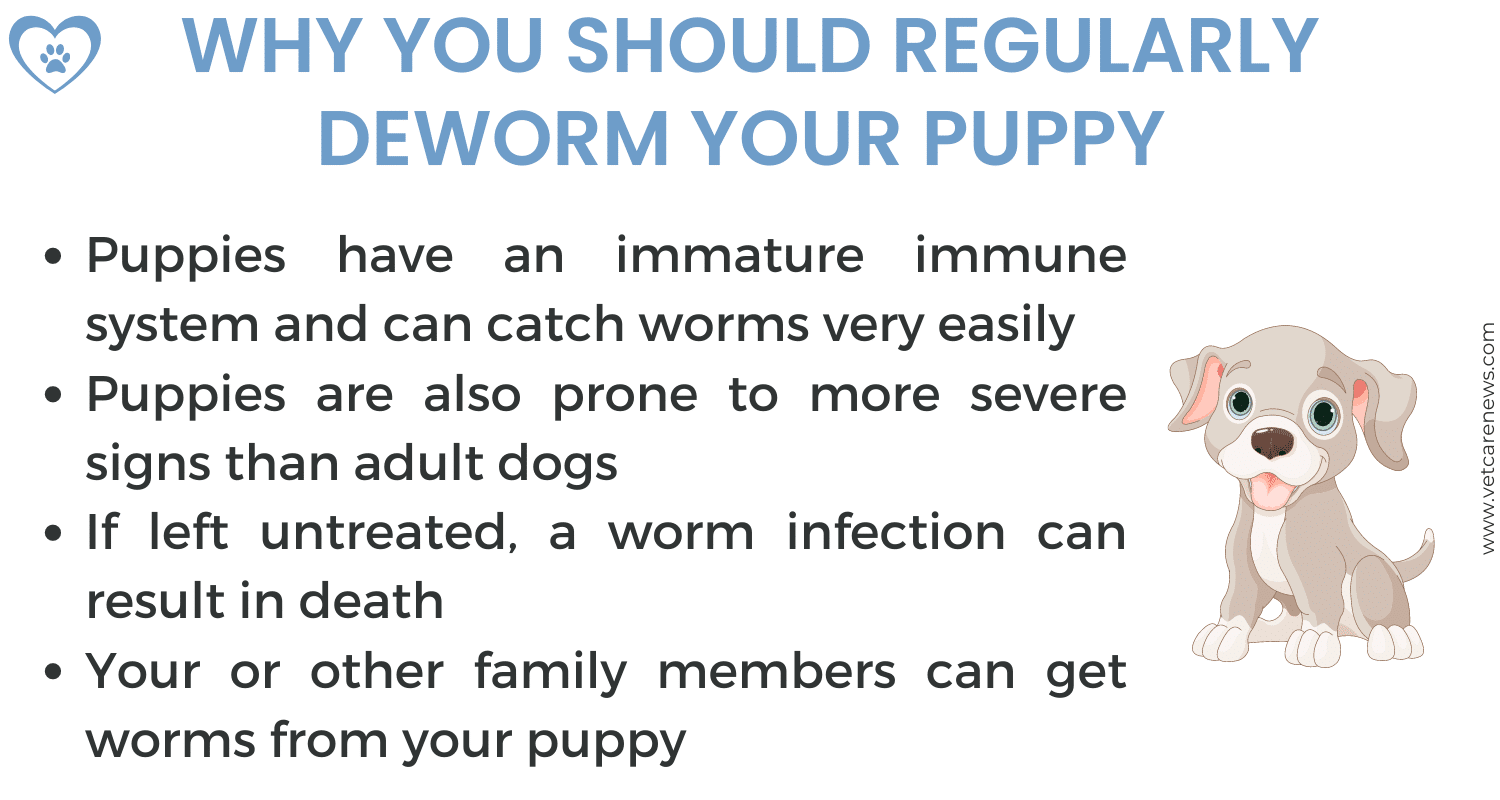
Before we get into the when, let’s touch on the why. It might seem a bit dramatic to think about tiny creatures living inside our beloved pets, but worms are a real thing. And they’re not exactly the polite houseguests we’d want them to be. These little critters can steal nutrients, cause tummy troubles, and even lead to more serious health issues if left unchecked. It’s like they’re throwing a sneaky party in there, and our dogs are footing the bill with their energy and health.
Must Read
Think of it this way: you wouldn’t let a bunch of uninvited guests raid your fridge, right? Worms are kind of like that, but for your dog’s insides. By worming them, we’re essentially sending those freeloaders packing and making sure our pups are getting all the good stuff from their food to fuel their zoomies and tail wags.
Plus, and this is a pretty neat fact, some of these internal nasties can actually be passed on to us humans! So, worming your dog isn't just good for them; it's a little act of kindness for the whole family. Pretty cool how interconnected we are, even with our furry companions, huh?
So, What’s the General Guideline?
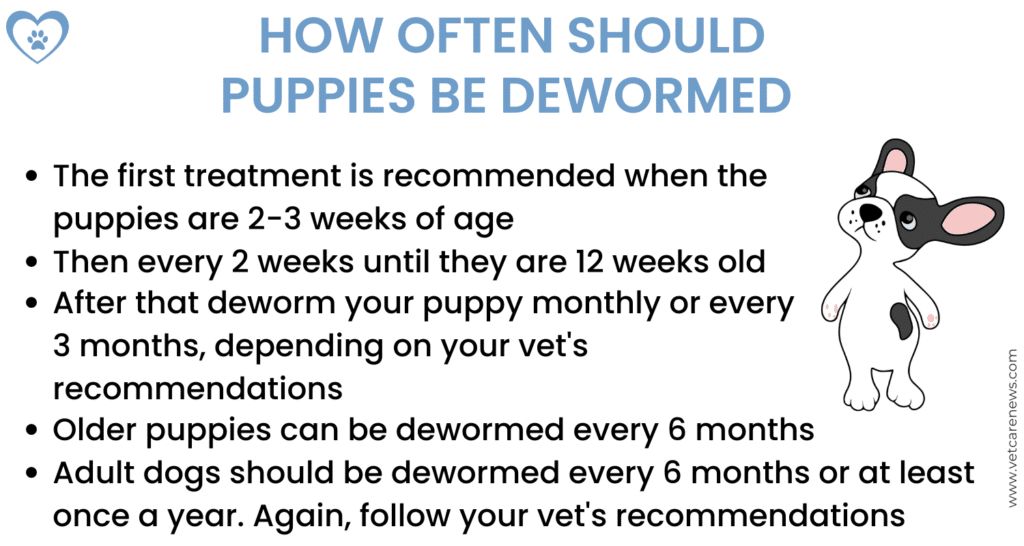
Okay, back to the big question! For most adult dogs, a common recommendation you'll hear is to worm them every three to six months. This is a good starting point, a sort of “default setting” for keeping most dogs protected. It’s like having a regular check-up for your car – you want to catch things before they become big problems.

But remember that “it depends” part? Let’s break down what those dependencies are. It's not just about how many months have passed since the last de-worming. It’s about your dog's lifestyle and where they live.
The Life of Your Dog Matters!
Is your dog a total homebody, happy to lounge on the sofa and occasionally venture into the garden? Or are they an adventurer, constantly sniffing, exploring, and maybe even sampling the local wildlife? The more they’re out and about, the higher their exposure to potential worm eggs is.
Think about it like this: a dog that loves to dig in the park, chase squirrels, and perhaps even snack on interesting things they find on the ground is going to have a much higher chance of encountering worm eggs than a pampered pooch who only strolls on meticulously manicured lawns. It’s a bit like comparing a seasoned explorer to a cozy home decorator – both have their adventures, but the explorer encounters more unpredictable elements!
Puppies are a special case, and they usually need more frequent worming. Why? Because they’re still building their immune systems and are more susceptible to picking up parasites. They’re like little sponges, soaking up everything around them, and unfortunately, that can include worm eggs. So, for puppies, you’re often looking at worming them more frequently, sometimes as often as every two weeks until they’re a few months old, and then transitioning to a less frequent schedule.

When to Get a Little More Proactive
Here are some scenarios where you might want to chat with your vet about worming more often than every six months:
- The avid hunter/scavenger: If your dog loves to eat things they shouldn't, like dead animals or just random bits of who-knows-what they find on walks, their risk is higher.
- The park enthusiast: Dogs who spend a lot of time in dog parks or areas where many dogs frequent have a greater chance of exposure.
- The farm dog: Dogs living on farms, especially those with livestock, can be exposed to different types of worms.
- Dogs who eat raw food: While there are benefits to raw diets, they can sometimes come with a higher risk of parasites. Your vet can advise on safe practices.
- Contact with other dogs: If your dog regularly plays with other dogs, especially if their worming status is unknown, it increases the potential for transmission.
It’s all about assessing the risk. Think of it like a game of high-stakes hide-and-seek for your dog’s health. The more they’re out in the open, the more likely they are to get found… by worms!
The Vet is Your Best Friend (and Your Dog’s!)
Here’s the really, truly best way to figure out the perfect worming schedule for your dog: talk to your veterinarian. Seriously, they’re the pros! They know your dog, they know the local parasite risks, and they can recommend the most effective worming treatments.
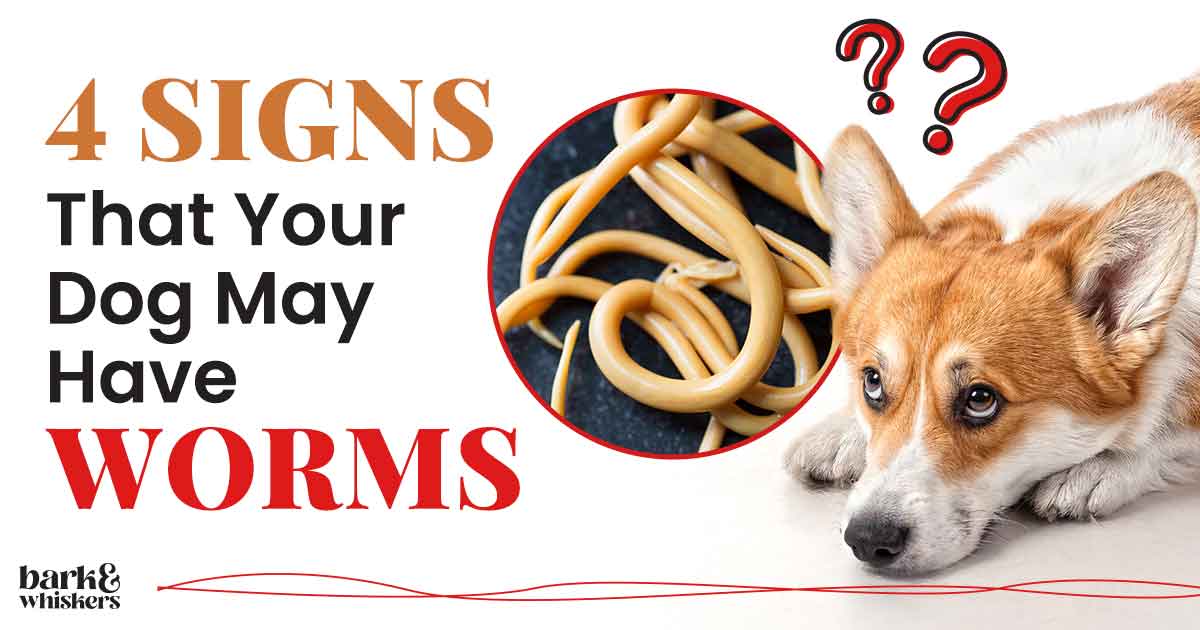
Your vet might suggest a fecal test every so often. This is like a mini-inspection of your dog’s… well, you know. It can detect if worms are actually present, and what type of worms they are. Knowing the enemy makes it easier to fight them, right? It’s way more precise than just guessing.
Some vets also recommend a year-round prevention strategy, especially in areas where certain types of worms are prevalent. This is similar to how we use flea and tick preventatives. It’s a proactive approach to keep those pesky parasites at bay.
Don't be shy about asking questions! Your vet is there to help you navigate this stuff. They can explain which worming products are available, how they work, and how to administer them. It’s all part of being a responsible and loving pet parent.
What About the Worming Products Themselves?
There are various types of worming treatments available, from chewable tablets and spot-on applications to liquid suspensions. The product your vet recommends will depend on the types of worms they're targeting and your dog's preferences. Some dogs will happily gobble down a worming tablet like it’s a tasty treat, while others might need a bit more persuasion!
It’s also important to use products specifically designed for dogs. Human worming medications are not suitable for our canine companions. Always follow the dosage instructions carefully. It’s like following a recipe – get it wrong, and things might not turn out as planned!

And remember, worming treatments are designed to get rid of existing worms. They don't usually provide long-term immunity. That’s why regular treatment is so crucial – it’s an ongoing effort to keep your dog’s internal environment clean and healthy.
The Takeaway: Stay Curious and Consult Your Vet!
So, to wrap it all up, while a general guideline of every three to six months is a good starting point for many adult dogs, the ideal worming frequency is a bit more nuanced. It's a blend of your dog's lifestyle, their age, their environment, and potentially, your vet's professional recommendation based on local parasite prevalence.
The key is to be curious, observant, and proactive. Keep an eye on your dog’s health, notice any changes in their behavior or physical condition, and don’t hesitate to reach out to your vet. They’re your ultimate guide in ensuring your dog is protected from these unwelcome microscopic freeloaders.
It's a small but mighty act of love to keep your dog wormed. It means fewer tummy upsets, more energy for playtime, and a happier, healthier companion by your side for years to come. And isn't that what it's all about?