
How Often Do You Flea A Dog
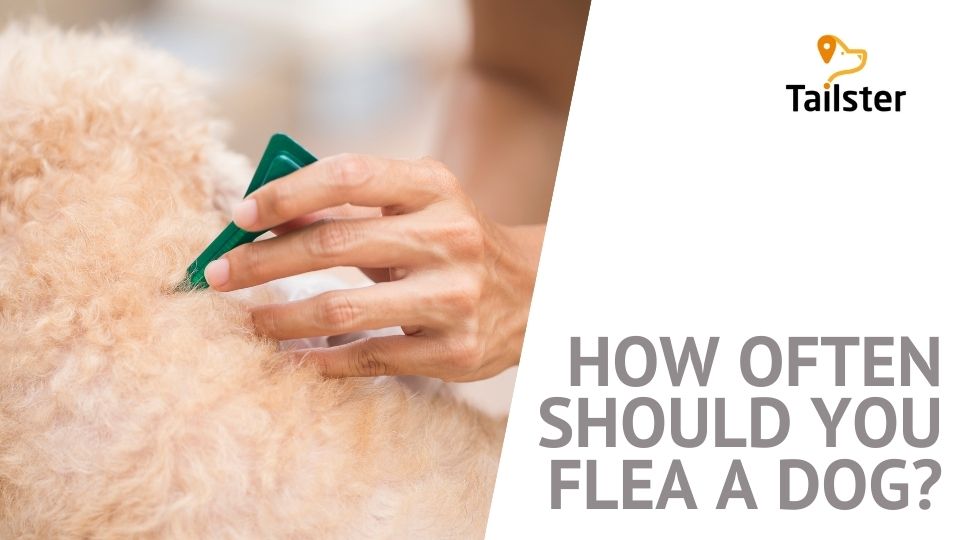
Ah, the joys of dog ownership. The slobbery kisses, the tail wags that could power a small windmill, and, of course, the occasional critter hitchhiker. We're talking, of course, about fleas. Those tiny, tenacious terrors that can turn a pampered pup into a scratching frenzy. So, the million-dollar question that often whispers (or sometimes shouts) from the pages of pet forums and late-night vet visits: How often do you flea a dog?
It's a question that sparks a lively debate, much like whether pineapple belongs on pizza (spoiler alert: for some dogs, the answer might be a resounding "no, thank you!"). But fear not, fellow dog parents! We're here to decode the flea-fication frequency, dish out some savvy advice, and maybe even share a chuckle or two about our furry overlords.
Let's be honest, no one wants their dog to be a buffet for these miniature vampires. Not only are they an itchy nuisance for our canine companions, but they can also be a gateway to more serious health issues, like tapeworms or even anemia in severe cases. Plus, have you ever tried to explain to your significant other why your couch now has a subtle, pulsing life of its own? It's not a great look.
Must Read
The "It Depends" Factor: Your Flea-tastic Framework
If you were hoping for a single, universally applicable number, well, you might be a tad disappointed. The truth is, the optimal flea-fleaing schedule is less about a strict calendar and more about a strategic assessment of your dog's lifestyle, your environment, and the products you choose.
Think of it like this: you wouldn't wear a ballgown to the dog park, and you wouldn't wear flip-flops to a formal gala. Similarly, your flea prevention needs to be tailored. So, let's break down the key players in this flea-fighting drama.
Your Dog's Vibe: The Indoor vs. Outdoor Debate
Is your dog a dedicated couch potato, a connoisseur of sunbeams and soft blankets? Or are they a bona fide adventurer, a furry explorer who treats every walk as an expedition into the wild? This is perhaps the biggest influencer on your flea-fleaing frequency.
Indoor Dogs: If your dog spends 99% of their time indoors, occasionally venturing out for brief, leashed excursions in meticulously manicured yards, their risk of encountering fleas is significantly lower. However, it's not zero. Fleas can be inadvertently brought inside by you, other pets, or even through open windows. So, while monthly treatments might be overkill, consistent, vigilant observation is still key. You might opt for a less frequent, but still effective, preventative.
Outdoor Dogs (or Indoor-Outdoor Stars): Ah, the dogs who live for the great outdoors! These are your prime candidates for more frequent and robust flea prevention. Parks, wooded areas, even your neighbor's yard that your dog might casually stroll through can be flea hotspots. In these scenarios, a monthly preventative is generally the gold standard. It ensures a continuous shield against these persistent parasites.
Location, Location, Location: The Geography of Itch
Your geographic location plays a starring role in the flea-fighting movie. Are you living in a tropical paradise where fleas seem to thrive year-round, or are you in a region with harsh winters that naturally curb flea populations?
Warm Climates: If you’re in a place where it rarely dips below freezing, fleas can be a year-round concern. This means your flea prevention strategy should likely be a 12-month commitment. Think of it as an ongoing subscription service for your dog's comfort.
Colder Climates: In areas with distinct cold seasons, you might be able to get away with reducing or even temporarily suspending flea treatments during the chilliest months. However, it's crucial to consult your veterinarian. Even in winter, a particularly warm spell can allow fleas to become active again. Plus, many veterinary-recommended products are safe and beneficial for year-round use, offering protection against other parasites too.
The Product Power Players: Understanding Your Options
The world of flea prevention is vast and varied, offering everything from topical treatments to oral medications and even collars. Each has its own efficacy and recommended usage schedule.
Topical Treatments (Spot-Ons): These are applied directly to your dog's skin, usually between the shoulder blades. Many of these provide a full month of protection and are designed for monthly application. It’s vital to follow the product instructions precisely. Applying too much or too little can be ineffective or even cause adverse reactions.

Oral Medications: These come in chewable forms, often disguised as tasty treats (doggy delight!). They work systemically, killing fleas when they bite your dog. Like topicals, most oral flea medications are designed for monthly administration. Some newer products offer longer-lasting protection, so always double-check the label.
Flea Collars: This is where things can get a little more nuanced. Older-style collars often had a mixed reputation. However, modern, veterinarian-approved flea collars have come a long way and can offer effective protection for several months. The key here is to ensure you're using a quality, vet-recommended collar and to follow the specific instructions for its lifespan and effectiveness, which can range from 6 to 8 months or even longer.
Flea Shampoos and Sprays: These are generally considered more of a short-term solution. They can kill fleas present on your dog at the time of bathing or spraying, but they typically do not offer residual protection. Think of them as an emergency rescue rather than an ongoing defense. You wouldn't rely on a single wash to prevent a rainstorm, and similarly, these aren't your primary long-term flea-prevention strategy.
The "Uh Oh" Moment: When to Act Fast
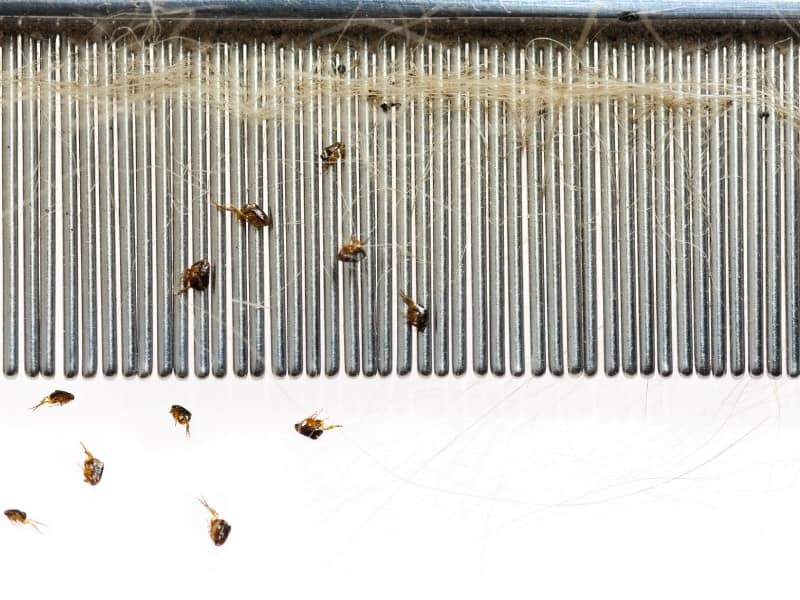
Sometimes, despite your best efforts, fleas make a triumphant return. You might notice your dog scratching more than usual, find tiny dark specks (flea dirt – trust us, you don't want to examine it too closely) in their fur, or even spot a live flea doing its best Olympic sprint across your dog's back.
In these instances, it's time for an immediate intervention. You’ll need to treat your dog with an effective flea killer, and, crucially, you’ll also need to tackle the flea life cycle in your home.

A single female flea can lay up to 50 eggs a day! That's a lot of potential itches. These eggs can fall off your dog and into carpets, furniture, and bedding, hatching into larvae, then pupae, and eventually, adult fleas. This is why a comprehensive approach is essential.
Home Treatment: This involves thorough vacuuming (dispose of the vacuum bag immediately outdoors!), washing all bedding in hot water, and potentially using an environmental flea spray or fogger. Many vets recommend a 30-day treatment plan for your home to break the flea cycle.
Beyond the Calendar: Vigilance is Your Best Friend
Ultimately, the most effective flea-fleaing strategy is a blend of consistent prevention and keen observation. Even if you're using a monthly preventative, it's good practice to:
- Regularly inspect your dog's coat, especially after walks or playtime in potentially infested areas. Run your fingers through their fur, looking for any signs of fleas or flea dirt.
- Monitor your dog’s behavior. An increase in scratching, chewing, or restlessness can be an early indicator of a flea problem.
- Consult your veterinarian. They are your ultimate resource for understanding the best flea prevention products for your specific dog, their health status, and your local flea situation. They can also advise on the most appropriate frequency based on all these factors.
Think of it like keeping up with your favorite streaming series. You wouldn't want to miss an episode, right? Similarly, you don't want to miss the window of opportunity for flea prevention. Missing even one month of effective prevention could mean a full-blown infestation.
A Sprinkle of Fun Facts to Chew On
Did you know that fleas can jump up to 7 inches vertically and 13 inches horizontally? That’s like a human jumping over a skyscraper! And their bodies are designed to move easily through fur. They’re basically tiny, acrobatic ninjas of annoyance.

Also, a flea’s life cycle can be influenced by environmental factors. In ideal conditions (warm and humid), the entire cycle from egg to adult can be completed in as little as 3-4 weeks. That’s rapid reproduction, folks!
And get this: some fleas can survive for up to 100 days without a blood meal. So, even if your dog hasn't had fleas in a while, there could be a dormant population just waiting for the right moment to strike.
The Daily Dose of Doggy Zen
This whole flea conversation, while important, can feel a bit overwhelming. But let's zoom out for a moment. When we’re focusing on keeping our dogs healthy and comfortable, we’re also nurturing a relationship built on care and responsibility. It's another small act of love in the grand tapestry of dog ownership.
Just like making sure your dog has fresh water or their favorite squeaky toy, ensuring they are flea-free is part of creating their happy, healthy world. It’s not about perfection, but about consistent effort and making informed choices. So, the next time you’re reaching for that flea preventative, remember you're not just ticking a box; you're actively contributing to your dog's well-being, allowing them to focus on the important things in life, like naps, belly rubs, and the endless pursuit of that elusive squirrel.
And in the grand scheme of things, a little bit of proactive flea management is a small price to pay for the unconditional love and joy our dogs bring into our lives. After all, a happy, itch-free dog is a dog ready for cuddles, adventures, and being your constant, furry shadow. And who wouldn't want that?
![How Often Can I Bathe My Dog With Flea Shampoo? [When & How] - Dogdorable](https://dogdorable.com/wp-content/uploads/2024/01/how-often-can-i-bathe-my-dog-with-flea-shampoo-Featured.jpg)
