How Often Do Cats Poop And Pee
Ah, our feline overlords. They grace us with their presence, their purrs, their inscrutable gazes, and… their bathroom habits. We love them dearly, but let's be real, sometimes the most pressing questions about our furry roommates revolve around their digestive outputs. You know, the classic: "How often do cats poop and pee?" It’s a question that pops into the minds of new cat parents, seasoned guardians alike, and frankly, anyone who's ever stooped to scoop. Let’s dive into the wonderfully mundane world of your cat's potty routine, with a little flair and a lot of understanding.
Think of your cat’s bathroom schedule as their own personal circadian rhythm, influenced by a cocktail of factors as complex and intriguing as their purr-fectly executed naps. Unlike us humans, who might have a pretty regular morning constitutional, felines are a tad more… artistic with their timing. There’s no hard-and-fast rulebook that says, "Mittens, you must go every 7 hours and 32 minutes." Instead, it's a symphony of biology, diet, age, and even their mood.
The Golden Rules of Feline Elimination
So, what’s the general ballpark we’re talking about? For a healthy adult cat, a good rule of thumb is that they’ll typically poop once or twice a day. As for peeing, it’s usually a bit more frequent, often happening two to four times a day. But remember, these are just averages. Your cat might occasionally deviate, and that’s usually perfectly fine. It’s when these patterns become drastically different or sudden that it’s time to pay closer attention.
Must Read
Think of it like this: if your favorite barista suddenly started making your latte with oat milk every day when you always ask for almond, you’d notice, right? Your cat is similar. A sudden, consistent change in their bathroom habits is their way of communicating that something might be up.
What's Brewing in the Litter Box: The Poop Factor
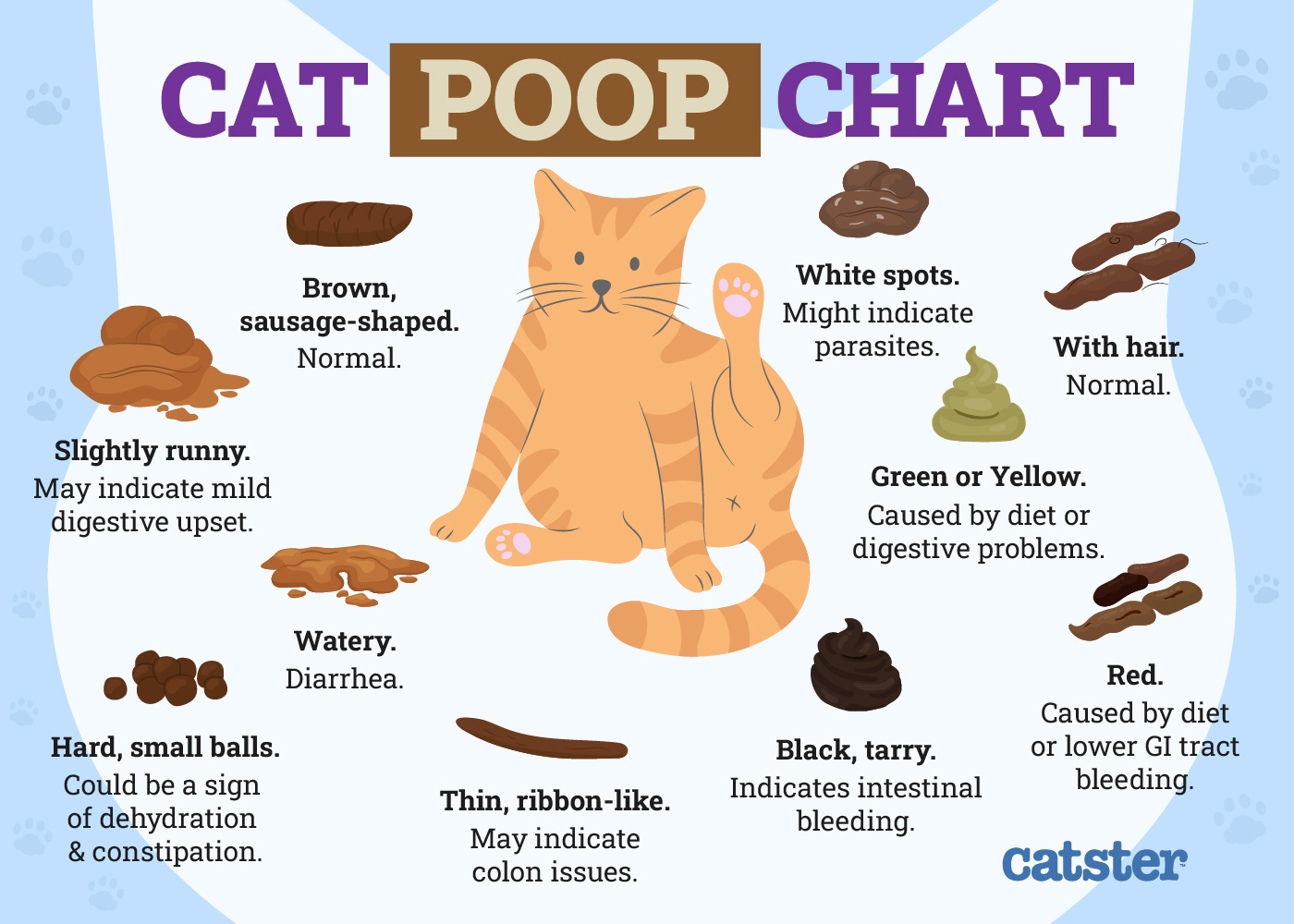
When it comes to #2, consistency is usually a good sign. Healthy cat poop is typically firm, log-shaped, and moist enough that it doesn't crumble into dust when you scoop. It shouldn’t be rock-hard, nor should it be watery. The color is usually a medium to dark brown, much like a well-brewed coffee.
A healthy cat will usually poop at least once every 24 hours. If your cat misses a day, it’s not usually a cause for alarm. They might have just had a very efficient digestive process the day before. However, if they go more than 48 hours without a bowel movement, or if they start straining and seem uncomfortable, it's time to call your vet.
What influences this daily ritual? Diet is a massive player. A high-quality, protein-rich cat food will often result in smaller, more easily digestible waste. If you’ve recently switched food brands, your cat’s poop might look a little different for a while as their system adjusts. Think of it as a digestive detox! And hydration, too! Cats get a lot of their water from their food, so dry kibble might lead to slightly different output than wet food.
Culturally, the litter box has come a long way. From gritty sand to the sophisticated, odor-controlling, clumping varieties of today, we’ve invested a lot in making our cats’ private moments as pleasant as possible. And they appreciate it, even if they don’t show it with a thank-you note. A clean litter box is paramount. Cats are notoriously fastidious creatures, and a dirty box can lead to them holding it in, which can cause constipation. It’s like being forced to use a public restroom that hasn’t been cleaned since the disco era – nobody’s happy.
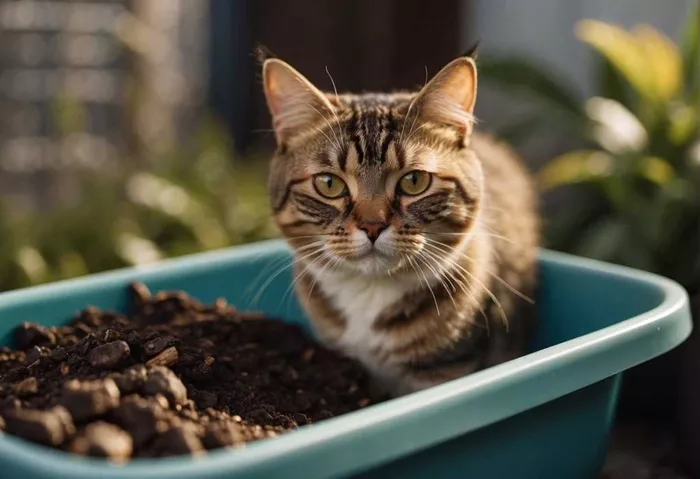
Fun Fact: Cats have incredibly efficient digestive systems. Their bodies are designed to extract maximum nutrients from their prey, meaning they produce relatively little waste compared to some other animals. So, while you might be scooping daily, it’s a testament to their evolutionary brilliance!
The Puddle Patrol: The Pee Factor
Peeing is where cats tend to be a bit more… promiscuous with their timing. As mentioned, two to four times a day is common for a healthy adult. This can fluctuate based on how much water they’re drinking. If your cat suddenly starts downing water like they’re crossing the Sahara, you might see an increase in urination. Conversely, if they’re not drinking much, they might pee less.
The appearance of your cat’s urine is also important. It should be a pale yellow to amber color. Very dilute, almost clear urine can sometimes indicate overhydration or, in more concerning cases, kidney issues. Very dark or blood-tinged urine is a definite red flag that requires immediate veterinary attention.
Like with pooping, a change in frequency is key. If your cat is suddenly peeing a lot more than usual, or if they seem to be straining to pee and producing only small amounts (or nothing at all), this is a serious concern. For male cats especially, an inability to urinate can be life-threatening. Don't hesitate to contact your vet if you notice this.
Litter box hygiene is just as critical for peeing. A dirty litter box can deter your cat from using it, leading to accidents around the house or even holding it in, which can contribute to urinary tract infections (UTIs) or bladder stones. It’s that simple: a clean box equals a happy bladder.

Pro Tip: If you have multiple cats, the general rule of thumb is one litter box per cat, plus one extra. This helps prevent territorial disputes and ensures everyone has a clean option when nature calls. Think of it as having a private bathroom for each of your guests, plus a spare just in case!
Factors Influencing Your Cat's Bathroom Schedule
We’ve touched on a few, but let’s expand on what makes your cat’s bathroom habits unique:
Age Matters
Kittens, bless their tiny little hearts, have less bladder and bowel control than adult cats. They might need to go more frequently, and accidents are par for the course as they’re learning the ropes. You might find yourself cleaning up messes more often, but it’s a temporary phase as they master their litter box skills.
Senior cats can also experience changes. Their digestive systems might slow down, leading to less frequent bowel movements, or they might develop conditions like kidney disease or arthritis, which can affect their ability to get to the litter box easily or their urge to urinate.
Dietary Delights (or Disasters)
As we discussed, the quality and type of food are huge. High-fiber diets can promote regular bowel movements, while low-fiber diets might have the opposite effect. If you’re feeding a raw diet, the consistency and frequency of poop can vary significantly. Wet food generally contributes to more frequent urination due to higher water content.
Hydration Station
Cats are often dubbed "obligate carnivores" and historically got most of their water from their prey. This means they don't always have a strong thirst drive. Ensuring they have access to fresh, clean water at all times is crucial. Some cats are picky about their water source – some prefer running water from a fountain, others will only drink from a specific bowl. Experiment to see what your feline friend prefers!
Stress and the Litter Box
Cats are creatures of habit and can be quite sensitive to changes in their environment. Moving to a new home, a new pet joining the family, or even a change in your own schedule can cause stress. This stress can manifest in various ways, including changes in their elimination habits. They might stop using the litter box altogether, or their frequency might change.
If you suspect stress is an issue, try to maintain a consistent routine, provide plenty of hiding places and vertical spaces for your cat to feel secure, and consider using Feliway diffusers, which release calming feline pheromones. Sometimes, a little Zen is all they need to get back on track.
Activity Levels
A more active cat with a healthy metabolism will generally have a more regular digestive process than a sedentary one. Think of it like us – if we’re more active, our bodies tend to function more smoothly.
Medical Marvels (and Mysteries)
This is perhaps the most important factor to consider. A sudden, drastic, or persistent change in your cat’s pooping or peeing habits can be a sign of an underlying medical issue. This can range from mild issues like a hairball obstruction to more serious conditions such as:

- Constipation: Can be caused by dehydration, lack of fiber, or underlying medical conditions.
- Diarrhea: Can be due to dietary indiscretion, parasites, infections, or inflammatory bowel disease.
- Urinary Tract Infections (UTIs): Common, especially in female cats, and can cause frequent urination, straining, and blood in the urine.
- Kidney Disease: A common ailment in older cats, it can lead to increased thirst and urination.
- Diabetes: Another condition that can cause increased thirst and urination.
- Bladder Stones or Crystals: Can cause blockages and severe pain, making urination difficult.
- Hyperthyroidism: Can affect metabolism and lead to changes in bowel habits.
When in doubt, always consult your veterinarian. They are the ultimate experts in feline health and can perform diagnostic tests to determine the cause of any abnormalities.
Decoding the Litter Box: What to Watch For
So, how do you become a litter box detective? It’s all about observation. Here’s your checklist:
- Frequency: Are they going more or less often than usual?
- Consistency: Is the poop too hard, too soft, or watery?
- Color: Is it a normal brown, or is there blood, black tarry stool, or a very pale color?
- Effort: Are they straining, meowing, or seeming uncomfortable when trying to go?
- Volume: Are they producing normal amounts of urine, or are the puddles unusually large or small?
- Location: Have they started having accidents outside the litter box? This is often a sign of a problem with the box itself or a medical issue.
Don’t feel like you need to be a vet to notice these things. You live with your cat! Your intuition about their well-being is your most valuable tool. If something feels off, it probably is.
Cultural Connection: In ancient Egypt, cats were revered and associated with deities like Bastet, the goddess of home, fertility, and protection. While we might not worship our cats in the same way, their continued presence in our homes and hearts speaks to a deep, enduring bond. Understanding their basic needs, like their bathroom habits, is a way of honoring that connection.
A Moment of Reflection
Our cats' bathroom habits, as humble as they may seem, are a window into their overall health and well-being. They’re a daily, unglamorous, yet incredibly important communication from our pets to us. When we take the time to observe, to understand the subtle cues, we’re not just being diligent pet owners; we’re actively participating in their comfort, their health, and the quiet, unwavering partnership we share.
So, the next time you’re scooping the litter box, take a moment. It’s not just a chore; it’s a small act of love, a daily affirmation of your commitment to your furry companion. And in the grand scheme of life, a healthy, happy cat contributing to their designated porcelain throne (or its equivalent) is a little piece of domestic bliss we can all appreciate. It’s a reminder that sometimes, the most profound connections are found in the simplest, most ordinary moments – even those involving a bit of litter and a gentle scoop.