How Often Can You Bathe A Puppy

Hey there, fellow puppy parent! So, you've got a little ball of fluff, a tiny tornado of wagging tails and irresistible puppy breath. And, inevitably, the question pops into your head: “How often can I actually bathe this adorable, sometimes-a-little-smelly, creature?” It’s a question that plagues many a new owner, right up there with “Is it normal for them to chew everything?” (Spoiler alert: yes, it is!).
Let’s dive into the wonderful, bubbly world of puppy baths. Think of this as your friendly, no-judgment chat over a virtual cup of coffee. No complex jargon, just honest advice from someone who’s been there, done that, and probably has a faint lingering scent of puppy shampoo in their hair. (Don't worry, that's a good thing!).
So, How Often Can You Bathe a Puppy? The Short and Sweet (and Sometimes Soggy) Answer
Alright, drumroll please… the general consensus is: you don't need to bathe your puppy every day. In fact, over-bathing can actually be detrimental. Think of it like this: your puppy's skin has natural oils that keep it healthy and protected. Too many baths, and you're essentially stripping away those precious oils, leaving their skin dry, itchy, and prone to irritation. Nobody wants a grumpy, itchy puppy, right?
Must Read
So, how often is a good frequency? For most puppies, once every few weeks to once a month is generally sufficient. This is the magic number that balances cleanliness with keeping their natural skin defenses intact.
Now, I know what you’re thinking. “But they get so dirty so quickly!” And you’re not wrong! My own puppy once managed to find a mud puddle that looked suspiciously like it contained every single speck of dirt within a five-mile radius. It was a masterpiece of mucky mayhem. And in those situations, a full bath might be necessary.
The “When Nature Calls (or When They Roll in Something Gross)” Scenario
Life with a puppy is rarely a perfectly manicured affair. There will be accidents, there will be surprise encounters with questionable substances in the backyard, and there will be moments when your puppy looks like they’ve wrestled a soot monster and lost. In these cases, a spot clean or a targeted bath is your best friend.
If your puppy has a small accident on their fur, a quick wipe-down with a damp cloth or a puppy-safe wet wipe can do the trick. No need to submerge the entire pup for a minor mishap. Similarly, if they’ve gotten a bit dirty on a specific spot, like their paws after a particularly muddy walk, you can just wash those areas.
But if your puppy has gone full “mud pie enthusiast” or, heaven forbid, rolled in something truly… aromatic… then a full bath is probably in order. Don’t feel guilty about it! It’s about responding to their needs.
Factors That Influence Bath Time Frequency
While the “once a month” rule is a good starting point, there are a few things that might nudge that frequency up or down. Let’s break them down:

Your Puppy’s Breed and Coat Type: The Fur Factor
This is a big one! Different breeds have different grooming needs and coat types, which directly impact how often they need a bath.
- Short-haired breeds: Think Dachshunds, Boxers, or Beagles. Their coats are relatively low maintenance. Over-bathing can really dry out their skin. So, sticking to the monthly rule or even less might be best.
- Long-haired breeds: Breeds like Shih Tzus, Yorkshire Terriers, or Golden Retrievers might need baths a bit more often, especially if they’re prone to matting or getting dirt trapped in their fur. However, regular brushing is key here. If you brush them thoroughly a few times a week, you can often extend the time between baths.
- Double-coated breeds: Huskies, German Shepherds, and many other breeds have a dense undercoat. Their natural oils are crucial for their coat’s insulation and protection. Excessive bathing can disrupt this. Focus on good brushing to remove loose fur and dirt.
- Hairless breeds: Okay, technically they don't have fur to bathe, but they still have skin that needs care! Many hairless breeds need regular skin cleansing to prevent oil buildup and breakouts. This might involve wipes or specific skin treatments rather than traditional baths.
So, do a little research on your specific breed’s needs. Your vet or a professional groomer can also be fantastic resources!
Your Puppy’s Activity Level: The “Adventure Dog” Effect
Is your puppy an indoor-only, pampered prince/princess who mostly naps and occasionally chases a squeaky toy? Or are they a fearless explorer of the great outdoors, whose idea of fun involves digging, rolling, and generally getting as filthy as humanly (or dog-ly) possible?
If your puppy is a dirt magnet, you might find yourself needing to bathe them a little more frequently. That’s okay! Just be mindful of the skin dryness we talked about and use a gentle shampoo.
Skin Conditions or Allergies: The “Sensitive Soul” Special
Some puppies are prone to skin issues, allergies, or infections. In these cases, your veterinarian might recommend a specific bathing schedule or medicated shampoos. If your puppy is scratching excessively, has red patches, or is losing hair, definitely consult your vet. They’ll help you create a tailored plan that prioritizes your puppy’s health.
This isn't about vanity; it's about ensuring your little one is comfortable and healthy from the inside out (and the outside in!).
Smell Factor: The “Eau de Puppy” Test
Let’s be honest, sometimes you just know. Your puppy might not be visibly dirty, but they’ve developed that distinct, slightly musky “puppy smell” that can be… well, noticeable. If the scent is becoming a bit overwhelming and you’re starting to consider opening all the windows in the dead of winter, it might be time for a bath.

This is less about hygiene and more about your olfactory well-being, which is a totally valid reason to reach for the shampoo!
Tips for a Happy and Healthy Puppy Bath Experience
Okay, so we’ve covered the “how often,” now let’s talk about the “how to” to make bath time less of a dramatic production and more of a bonding experience. Because, believe it or not, it can be enjoyable!
Start Young and Positive: The “No Fear” Approach
The earlier you introduce your puppy to bathing in a positive way, the better. Make it a pleasant experience from the get-go. Use lots of praise, tasty treats, and gentle handling. If they’re a little hesitant, that’s perfectly normal!
Start with just getting them used to the bathroom environment, the sound of running water, and the feel of water on their paws. Gradually work your way up to a full bath. Think of it as desensitization, but with more splashing!
Choose the Right Shampoo: Puppy Love in a Bottle
This is crucial! Never use human shampoo on your puppy. Their skin has a different pH balance, and human products can be harsh and irritating. Always opt for a shampoo specifically formulated for puppies. These are typically tear-free and gentle.
There are tons of options out there: for sensitive skin, for whitening coats, for moisturizing. Read reviews and pick one that suits your puppy’s needs. A good quality puppy shampoo is an investment in their skin health.
Water Temperature is Key: Not Too Hot, Not Too Cold
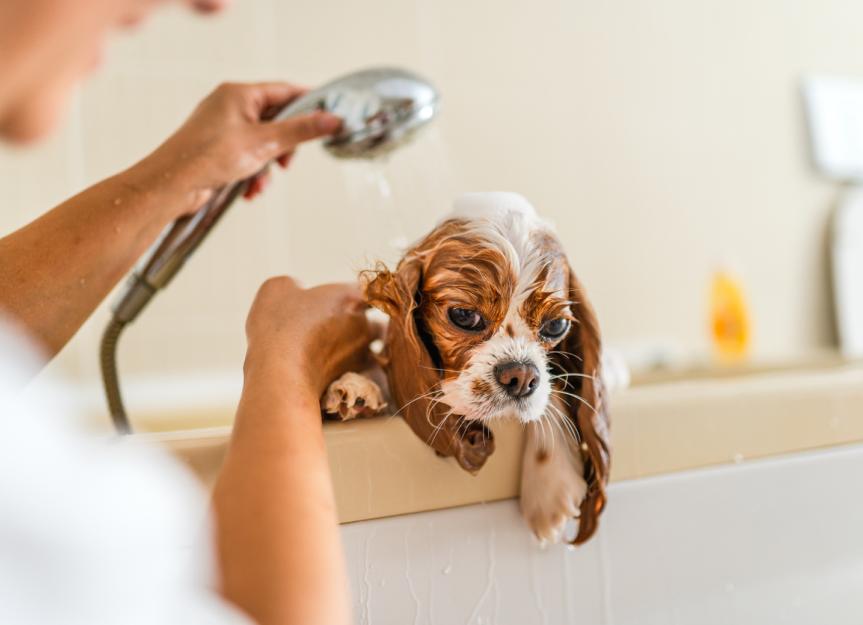
Think lukewarm, like a comfortable bath for a human baby. Too hot, and you risk scalding their delicate skin. Too cold, and you’ll have a shivering, unhappy pup who will associate baths with misery.
Test the water on your wrist before you start. A little splash of warmth goes a long way in making them feel cozy.
Gentle Handling and Plenty of Praise: The “Good Boy/Girl” Bombardment
Be gentle! Avoid getting water or soap in their eyes or ears. Use a washcloth to gently clean their face. When you’re rinsing, make sure you get all the soap out – leftover soap residue is a major cause of skin irritation.
And throughout the entire process, shower them with praise! “Good boy!” “You’re doing so well!” “What a clean puppy!” Pair this with small, high-value treats. They’ll start to associate the bath with positive reinforcement.
Make it Fun (Seriously!): Toys and Treats are Your Allies
Turn bath time into a game. You can put a few waterproof toys in the tub to keep them entertained. Smear a little peanut butter (xylitol-free, of course!) or some lickable treat onto the side of the tub – it’ll keep them occupied while you’re washing them.
The goal is to make it a positive, stimulating experience, not a chore. Think of it as a spa day, but with a lot more tail wagging (hopefully!).
Drying Off: Towels and Love
Once the bathing is done, gently towel dry your puppy. Some puppies tolerate blow dryers on a low, cool setting, but many find the noise scary. If you do use a dryer, introduce it slowly and keep it a safe distance away.
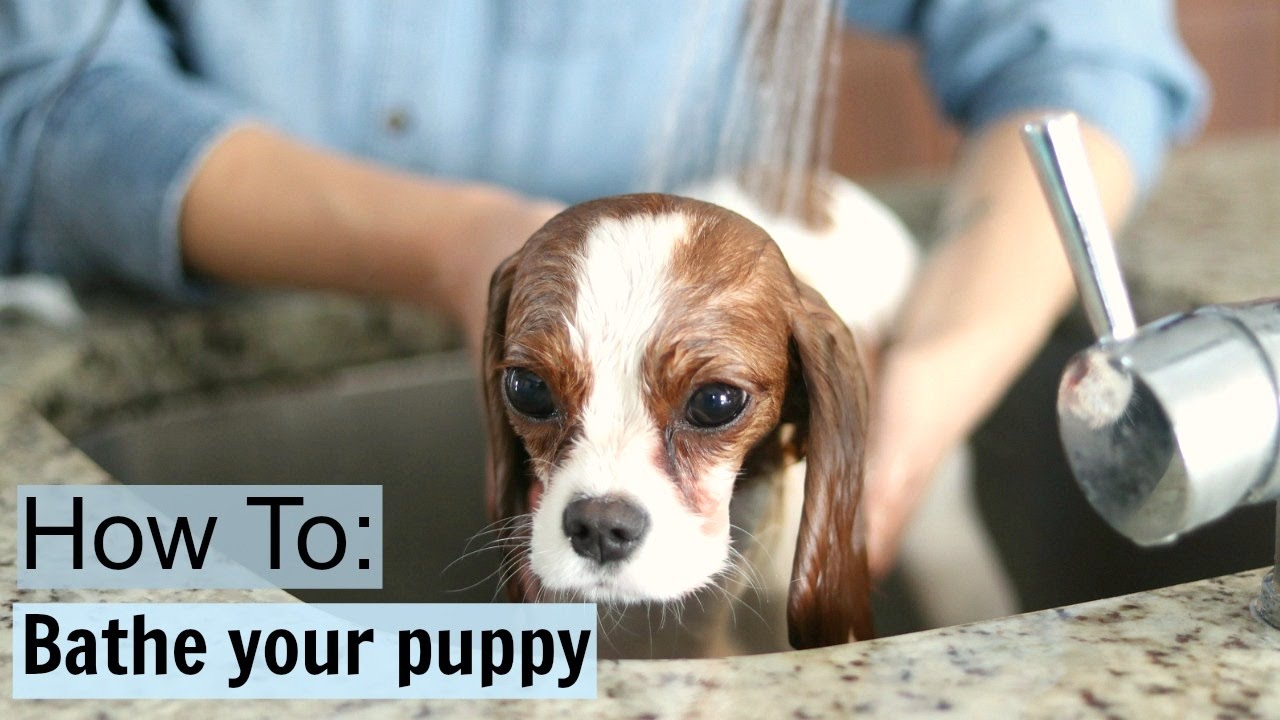
Most puppies are happy with a good toweling. You can even follow up with some extra cuddles and maybe a special post-bath treat to really seal the deal on a good experience.
The “No Bath Necessary” Quick Cleanse
Sometimes, a full bath isn’t what’s needed. Here are some alternatives for those in-between times:
- Dry Shampoo: Puppy-specific dry shampoos can help absorb excess oil and freshen up their coat without water. Just make sure it’s formulated for pups!
- Grooming Wipes: These are fantastic for quick clean-ups of paws, faces, or those little accidents.
- Brushing: Regular brushing is your secret weapon. It removes dirt, debris, loose hair, and helps distribute natural oils, keeping their coat healthy and less prone to that “doggy” smell.
Think of these as your puppy’s “touch-up” tools for when a full spa day isn’t on the agenda.
When in Doubt, Ask the Experts!
Navigating puppy care can feel like a minefield of information sometimes. If you’re ever unsure about how often to bathe your puppy, or if you notice any skin issues, don’t hesitate to reach out to your veterinarian. They are your ultimate resource for all things puppy health and well-being.
A professional groomer can also offer valuable advice tailored to your puppy’s specific breed and coat type. They’re the wizards of wagging tails and pristine pups!
Embrace the Bubbly Journey!
So, there you have it! Bathing your puppy isn't a daily necessity, but rather a tool to be used judiciously. Aim for a happy medium, prioritize their skin health, and make bath time a positive experience. Remember, a clean puppy is a happy puppy, and a happy puppy makes for a happy home.
Even if bath time involves a little bit of chaos, a lot of splashing, and the occasional shake that sends water everywhere (seriously, I’m still finding water droplets from my last dog’s bath!), it’s all part of the wonderful, wild, and incredibly rewarding journey of raising a puppy. Embrace the occasional (or not-so-occasional) wet dog smell – it’s a small price to pay for all the unconditional love, slobbery kisses, and boundless joy they bring into our lives. Happy bathing!