How Much Salt Should You Add To Your Water
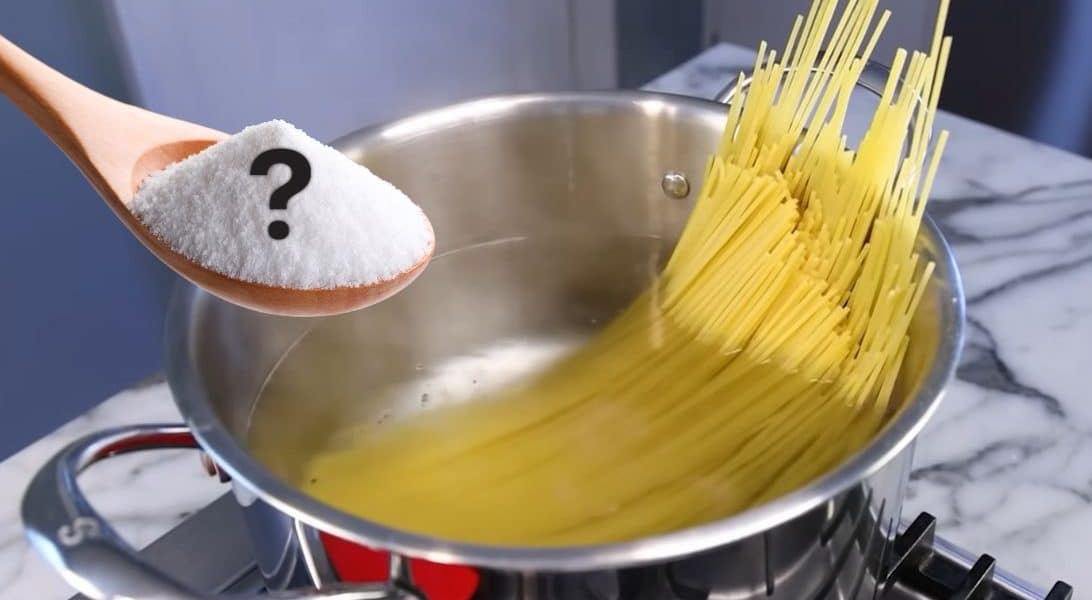
Hey there, fellow humans! Ever find yourself staring at a pot of water, about to boil for pasta, rice, or maybe even just a mug of tea, and then that little question pops into your head: "How much salt should I actually put in this?" It’s like a culinary mystery, right? A tiny sprinkle here, a pinch there… are we aiming for barely noticeable or full-on flavor explosion?
Let’s be honest, for most of us, it’s more of an educated guess than a precise science. Maybe your grandma always did it a certain way, or you saw a chef on TV do a dramatic flick of the wrist. But what if I told you that this seemingly small act of salting your water can actually make a big difference in how your food tastes?
Think about it. We add salt to our food all the time. It’s that magical ingredient that wakes up dull flavors and makes them sing. So, why wouldn't we want to start that flavor-building process right from the very beginning, in the water itself?
Must Read
The Mystery of the Salty Water
So, the big question: how much is enough? Well, the truth is, it’s not a one-size-fits-all situation. It totally depends on what you’re cooking and, importantly, how much water you’re using.
Imagine you’re making a giant pot of spaghetti for a family reunion. That’s a lot of pasta, and it’s going to soak up a ton of water. If you only put in a tiny pinch of salt, that pasta is going to be, well, a little… blah. It’s like showing up to a party wearing sweatpants when everyone else is in their fancy duds. It just doesn't feel right, does it?
On the other hand, if you’re just boiling one egg for your breakfast, you probably don't need a salt mine in that little saucepan. You’re not trying to season the whole ocean, just that one little egg!
A Handy Rule of Thumb
Okay, so let’s get down to some practical advice. A super common and generally accepted guideline for salting cooking water is this: about 1 tablespoon of salt for every 4 quarts (or roughly 1 gallon) of water.
Why tablespoons and quarts? Because those are measurements many of us can actually visualize! Think of a gallon of milk. Now imagine a pot that’s about that big. If you’re filling that pot with water to boil, that tablespoon of salt is your sweet spot.
Of course, this is for generously salting the water. If you’re trying to cut back on sodium for health reasons, or you just prefer a subtler flavor, you can always use less. Start with half a tablespoon, or even just a generous pinch, and see how you like it. You can always add more salt later to your actual dish.
Why Should We Even Care? It’s Just Water!
You might be thinking, “Seriously? All this fuss about salty water? It’s going to get drained away anyway!” And you’re right, some of it will. But here’s the secret: the food absorbs that salt as it cooks. It’s like a gentle, all-over seasoning that you just can’t achieve by only salting at the end.

Think about a perfectly baked potato. You’ve probably dotted it with butter and maybe some chives. But if the potato itself was cooked in lightly salted water, it already has a wonderful, balanced flavor that doesn’t need a ton of extra toppings to be delicious. It’s the foundation of flavor, the unsung hero of your meal!
It’s the difference between a bland, sad sandwich and one that makes your taste buds do a little happy dance. The bread, the fillings, everything just tastes better when it’s been kissed by salt from the start.
The Pasta Predicament
Let’s talk pasta, because who doesn’t love pasta? If you’ve ever made pasta in water that wasn’t salted enough, you know the feeling. The pasta itself tastes… well, a bit like boiled dough. You then try to compensate by drowning it in a rich sauce, and sometimes that works, but often, it’s just not quite there.
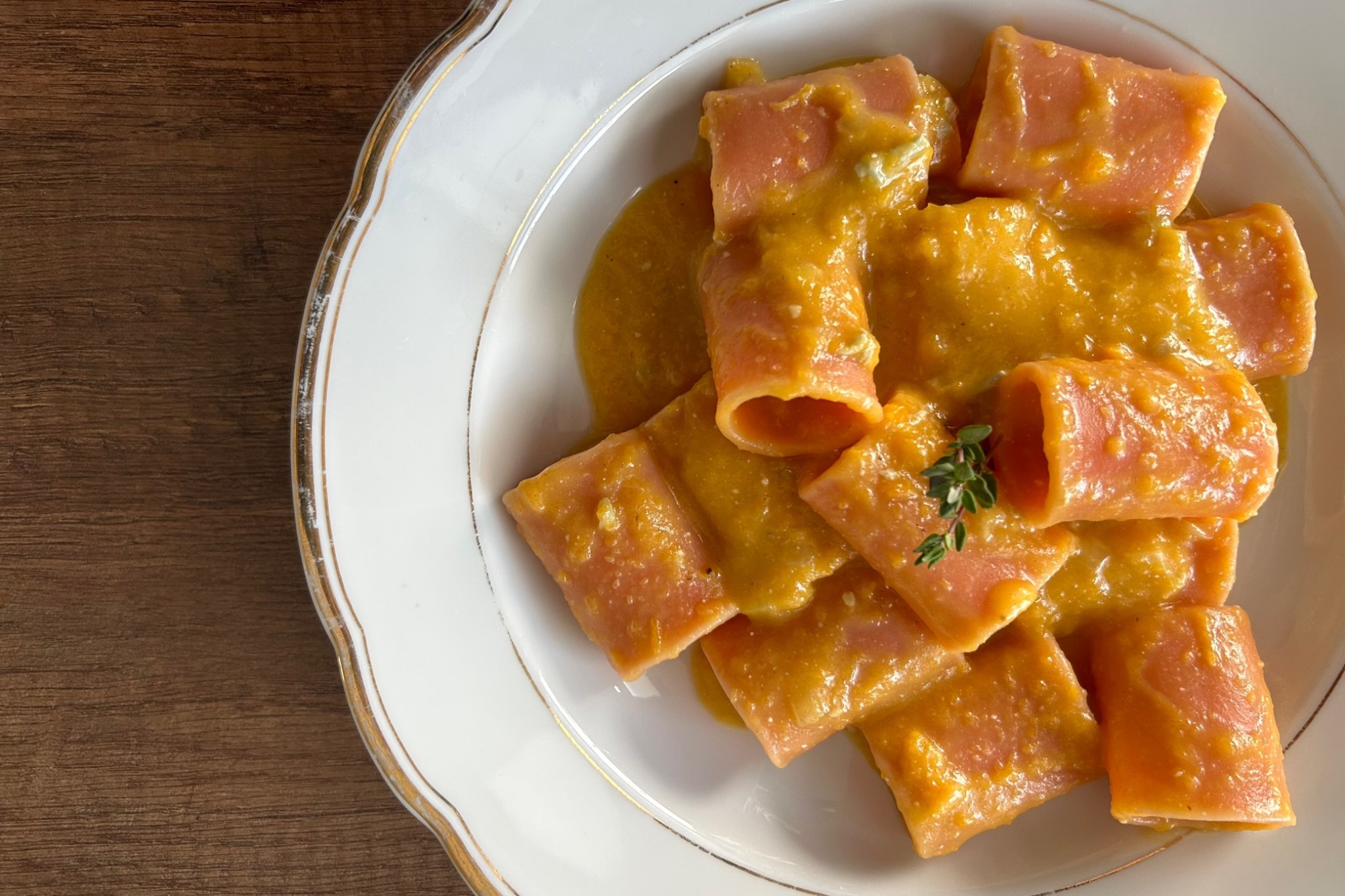
When you salt your pasta water properly, the pasta absorbs that salty goodness. It becomes seasoned from the inside out. So, even if you have a lighter sauce, or just a drizzle of olive oil and some Parmesan cheese, that pasta is going to taste amazing. It’s like the pasta has its own personality, not just a vehicle for sauce.
Imagine the difference between a blank canvas and a canvas that already has a beautiful underpainting. The final artwork is going to be so much richer and more vibrant with that initial layer of color.
What Kind of Salt? Does It Matter?
Now, for the nitty-gritty: what kind of salt should you use? For everyday cooking, table salt is perfectly fine. That’s the small, crystalline stuff most of us have in our shakers.
However, if you’re feeling a little fancy, or you’re cooking something where the salt might actually be visible (like a crust on a roast), you might opt for kosher salt. Kosher salt crystals are larger and flakier, so they’re a bit easier to handle and control. Plus, many chefs swear by it for its cleaner taste.

Sea salt is another popular choice. It comes in all sorts of textures and flavors. Just remember that different salts have different densities. A tablespoon of kosher salt might weigh less than a tablespoon of table salt. So, if you’re following a recipe that specifies a certain type of salt, it’s worth paying attention!
But honestly, for most of your daily cooking, don’t stress too much about the salt type. The important thing is to get some salt into that water!
A Little Bit Goes a Long Way
The key takeaway here is that salting your cooking water is an essential step in building flavor. It’s not just a formality; it’s a crucial part of the cooking process that can elevate your everyday meals from good to truly delicious.
So, next time you’re boiling water, take that extra moment. Add that tablespoon of salt for every gallon. Or start with a little less if you prefer. Your taste buds, and everyone you’re cooking for, will thank you. It’s a simple change that makes a world of difference. Happy cooking, everyone!