How Much Power Does A Tv Use
Hey there, fellow screen-addicts! Ever find yourself glued to the telly, binge-watching your favorite shows, and then, BAM, a tiny voice in the back of your head whispers, "But what's all this power costing you?" Yeah, me too. It’s a question that pops up when you’re deep in a Netflix rabbit hole, or maybe when your electricity bill lands with a thud. So, let's dive into the fascinating (and surprisingly fun!) world of how much juice your TV actually sips.
Forget rocket science, this is way more interesting. We're talking about the humble television, that glowing box that brings us everything from thrilling dramas to questionable reality TV. It’s practically the centerpiece of our living rooms, right? But how much oomph does it need to keep that magic happening? It’s not as simple as you might think, which is exactly what makes it so darn entertaining to figure out!
Think of it like this: your TV is a hungry beast, but some beasts are hungrier than others. The biggest factor? You guessed it: the size of your screen. Bigger screen, more pixels to light up, more power needed. It’s like trying to fill a bathtub versus a kiddie pool. Obvious, but true!
Must Read
The Mighty Wattage Whirlwind
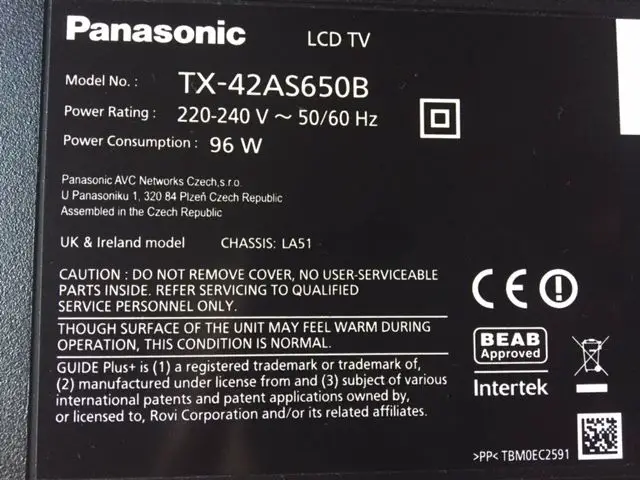
So, what are we measuring? It's all about watts (W). Watts are basically the unit of power. Your TV has a wattage rating, usually printed on a sticker on the back or in its manual. This tells you how much power it could use at its absolute maximum. Think of it as the TV’s ‘all-you-can-eat’ buffet setting. Most of the time, though, it’s not going full throttle.
The actual power consumption can vary wildly. A tiny, old-school 20-inch TV might sip around 30-50 watts. That’s like a couple of light bulbs. Pretty chill, right?
Now, fast forward to today’s behemoths. A massive 75-inch 4K TV? We’re talking much more. During peak brightness, it could be pulling 150-300 watts, maybe even more for the super-duper fancy models. That's like running a small fan or a laptop consistently.
Screen Size Shenanigans
Let’s break down the size obsession. Why does a bigger screen demand more power? Imagine having to paint a giant mural versus a postcard. You need more paint, more brushes, more effort. Your TV's pixels are like tiny paintbrushes, and the bigger the canvas, the more they have to work to create that stunning image.

It's not just the size, though. It's also the resolution. A 4K TV has four times as many pixels as a standard HD TV. That’s a lot of tiny dots to keep track of! More dots mean more little light emitters to power up, so naturally, it’s going to use more juice.
The Techie Twist: OLED vs. LED
Here’s where things get really interesting. The type of technology your TV uses makes a big difference. You've probably heard of LED and OLED TVs. They sound like futuristic sci-fi terms, but they’re at the heart of your viewing experience.
LED TVs are the most common. They use a backlight to illuminate the pixels. Think of it like a big lamp behind a stained-glass window. This backlight is always on, even when parts of the screen are supposed to be black. This can be a bit of an energy hog because you're powering a light source that's always radiating, even if dimly.
OLED TVs are the fancy cousins. Each pixel on an OLED screen is its own little light source. When a pixel needs to be black, it just… turns off. Completely! It’s like having individual tiny light bulbs for every single speck on your screen. This is brilliant for contrast and black levels, and it’s also generally more energy-efficient, especially when there’s a lot of black on screen (like during those moody movie scenes!).
So, an OLED TV might use less power than a similarly sized LED TV when displaying dark images, but when it’s showing a bright, vibrant scene, it might use a bit more. It’s a quirky trade-off!
The Brightness Battle
Speaking of brightness, that’s another huge factor! If you like your TV cranked up to eleven, blindingly bright even in a sunny room, you're asking for a lot of power. Manufacturers often have a ‘brightness’ setting. Turning this down is one of the easiest ways to save energy. It's like turning down the volume on a concert – you can still hear the music, but it's not rattling your teeth.
Think about your favorite movie. Do you really need it to look like a spotlight is shining directly into your living room? Probably not. A moderate brightness setting is usually plenty, and your electricity bill (and your eyes!) will thank you.
Standby Mode: The Silent Sucker
Now for a fun bit of trivia: your TV uses power even when it’s off. Crazy, right? This is called standby power, or phantom load. It’s what allows your TV to instantly turn on when you hit the remote. It keeps the little infrared receiver ready and the TV’s brain in a sort of sleepy state.
How much power? It varies, but it can be anywhere from less than 1 watt to 5 watts or more. Over a year, those little phantom watts can add up! It’s like leaving a tiny tap dripping constantly – it might not seem like much, but over time, it’s a noticeable amount of water (or electricity!).
This is why turning off your TV at the power strip is a good idea if you’re not going to use it for a while. It’s a small act, but it’s a powerful way to save energy. Plus, it’s kind of satisfying, isn’t it? Like tucking your TV into bed for the night.
Refresh Rate Riddles
Ever heard of refresh rates? Like 60Hz, 120Hz, or even 240Hz? This refers to how many times per second the image on your screen is updated. A higher refresh rate means smoother motion, which is great for fast-paced sports or video games. But, guess what? More updates mean more work for the TV, and that often translates to slightly more power consumption.
So, while a 240Hz TV might offer buttery-smooth visuals, it’s likely sipping a bit more electricity than its 60Hz counterpart. It’s another one of those quirky trade-offs in the world of screen tech.

Fun Facts and Figures (Because Why Not?)
Let’s sprinkle in some quirky details! Did you know that the very first color TVs used a ton of power? We’re talking hundreds of watts! They were practically space heaters. It’s amazing how far technology has come, making our entertainment gadgets more efficient.
Also, consider your streaming device! That little box or stick plugged into your TV? It’s also drawing power. While usually much less than the TV itself (often under 10 watts), it adds to the overall consumption. So, when you’re powering up your entertainment hub, it’s a team effort in the power department!
And here’s a funny thought: the content you’re watching can even influence power usage slightly. A completely black screen on an OLED TV uses minimal power. A bright white screen uses a lot. So, technically, watching a documentary about the void of space might be slightly more energy-efficient than a nature show about a field of sunflowers, at least on an OLED. Mind-bending, right?
Saving Watts Without Sacrificing Fun
So, how can you be a savvy screen-viewer without feeling like you’re living in the dark ages? It’s easy!
- Lower the brightness. Seriously, this is the easiest win.
- Turn off standby power. Unplug it or use a smart power strip.
- Choose energy-efficient models. Look for Energy Star ratings.
- Don’t buy bigger than you need. A massive TV in a tiny room is just… a lot.
- Adjust settings. Some TVs have eco-modes that tweak brightness and contrast for efficiency.
Ultimately, the amount of power your TV uses is a fascinating blend of size, technology, and your personal viewing habits. It’s not about stressing over every watt, but about understanding the magic behind the screen and making smart choices. So go ahead, enjoy that movie, that game, that binge-watch. Just maybe glance at the power button every now and then. Happy viewing, my friends!