
How Much Is It To Paint A Car
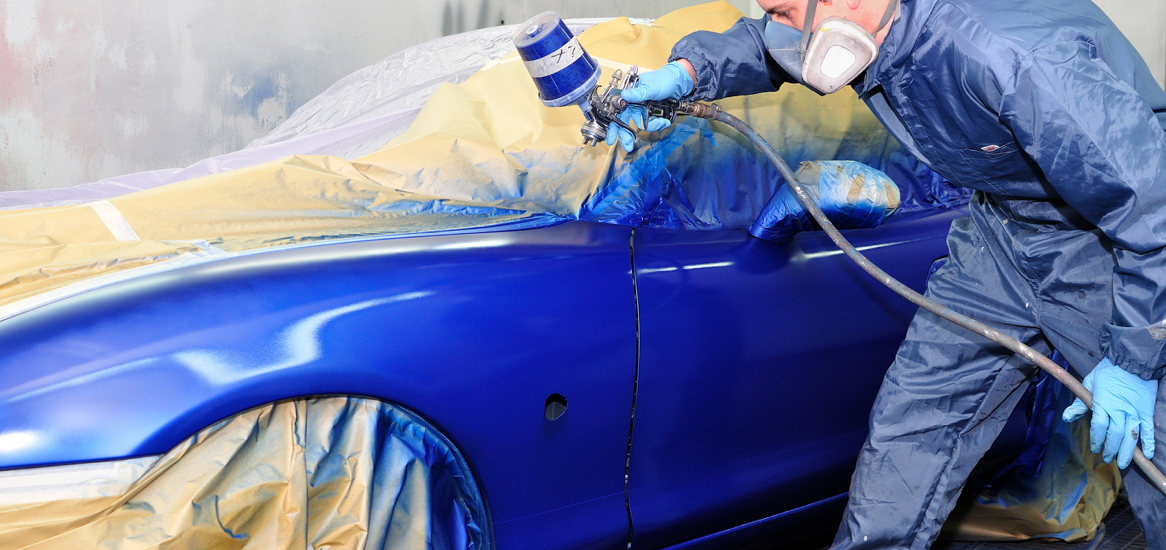
So, you’re staring at your trusty four-wheeled companion, the one that’s bravely navigated everything from grocery store parking lot skirmishes to that questionable shortcut through the woods. And lately, it’s starting to look… well, a little tired. Maybe the paint’s got more personality than you intended, with fading sun spots that look like polka dots from a distance, or a bumper that sports a unique abstract art piece courtesy of a rogue shopping cart. Suddenly, the thought creeps into your mind: “How much would it actually cost to get this thing a fresh coat of paint?”
It’s a question that pops up as often as that little dashboard light that seems to have a life of its own. You know, the one that’s never actually serious but still manages to make your heart do a tiny flamenco dance every time it ignites. Painting a car is kind of like deciding to get a whole new wardrobe. You could go for a quick spray tan with a can from the auto parts store (we’ve all seen those questionable results, haven’t we? They never quite match the original shade, and the texture is… unique), or you could invest in a bespoke tailored suit that makes you feel like a million bucks.
Let’s be honest, the price tag for a car paint job can be as varied as the excuses your teenager gives for not cleaning their room. It’s not a simple “one size fits all” situation. Think of it like ordering a pizza. You can get a basic cheese for a few bucks, or you can go all out with extra toppings, a stuffed crust, and maybe even some garlic butter dipping sauce – suddenly, that pizza is a whole lot pricier, but oh, is it worth it. Your car’s paint job is a bit like that.
Must Read
The biggest factor, of course, is what kind of paint job you’re after. Are we talking a quick refresh to get rid of those minor annoyances, or are we aiming for showroom shine that’ll make your neighbors’ eyes water with envy?
Let's start with the more budget-friendly end of the spectrum. You know, the “make it look presentable again” option. This is where you might see prices ranging from around $500 to $1,500. Think of this as a good scrub and a decent layer of polish. It’s like taking your old favorite t-shirt and getting it professionally cleaned and pressed. It’s not brand new, but it’s definitely a whole lot better than it was, and it’s perfectly fine for everyday use. These jobs usually involve a single solid color, often a standard OEM (Original Equipment Manufacturer) color. They’re not going to be doing any fancy pearl finishes or intricate pinstripes here. It’s about getting the job done efficiently and affordably.
The catch with these budget-friendly options? Well, they often come with a few caveats. The prep work might not be as meticulous. That deep scratch that’s been bugging you? They might just slather some filler over it, and while it’ll look smooth initially, time and the elements might tell a different story. Think of it like putting a band-aid on a gaping wound – it stops the immediate bleeding, but it's not a long-term solution. Also, the quality of the paint itself might be… well, let’s just say it’s not going to be the Rolls-Royce of automotive finishes. It might fade a little quicker in the sun, or be more prone to minor chips and scratches. It’s the “good enough” option, and for many people, that’s perfectly acceptable.
The Mid-Range Marvels: Getting a Decent Shine
Now, if you’re willing to dip a little deeper into your pockets, you’re looking at the mid-range. This is where things start to get interesting, and you’re talking prices from about $1,500 to $3,500. This is like deciding to get that favorite t-shirt tailored. It fits better, it’s made with slightly better material, and it’s going to last a good while. Here, the prep work is usually more thorough. They’ll spend more time sanding down those imperfections, filling those dings and dents, and ensuring a smoother surface for the paint to adhere to. It’s the difference between a quick wipe-down and a deep clean where you actually get into all the nooks and crannies.
You’ll also find a wider range of color options here, and sometimes even some basic metallic or pearl finishes. It’s like choosing from a wider palette of paint colors for your living room. You’re not limited to just beige anymore! The paint quality will also be a step up, meaning it’ll likely have better UV protection and a more durable finish. This is the sweet spot for many car owners who want their vehicle to look good and last, without breaking the bank on a full-blown custom job.
Think of this as the solid, reliable option. It’s like buying a good quality smartphone. It’s not the absolute top-of-the-line, but it does everything you need it to do, and it does it well. You’ll be happy with the results, your car will look significantly better, and you won’t have to take out a second mortgage to pay for it. It’s a good investment in keeping your car looking its best.
The High-End Hues: Showroom Ready or Custom Creations
Alright, let’s talk about the big leagues. If you’re aiming for that jaw-dropping, head-turning, “is that a new car?” kind of paint job, then you’re in the premium territory. We’re talking prices that can start at $3,500 and easily climb to $10,000 or even $20,000+. This is the equivalent of a celebrity getting a custom-designed haute couture outfit. Everything is meticulously crafted, using the finest materials and the most skilled artisans.
At this level, the prep work is insane. They’re not just sanding; they’re practically stripping the car down to its bare metal in some cases, ensuring a perfect, flawless surface. They’ll fix every single imperfection, from the smallest ding to that rust spot that’s been creeping up like a stealthy ninja. The paint itself will be top-of-the-line, often with multiple layers of clear coat for that deep, lustrous shine. Think of the way light glints off a perfectly polished diamond – that’s the kind of effect we’re talking about.

This is also where you get into the truly custom stuff. Want a unique color that nobody else has? Need intricate pinstriping, custom graphics, or a chameleon paint that changes color depending on the light? This is where you get it. It’s like commissioning an artist to paint a masterpiece on your car. You have complete control over the aesthetic, and the results are often truly spectacular.
These jobs are for the enthusiasts, the collectors, or anyone who wants their car to be a statement piece. It’s an investment, for sure, but the results can be breathtaking. It’s the kind of paint job that makes people stop and stare, the kind that makes you feel like you’re driving a piece of art. It's the equivalent of having a personal chef make you a five-course meal every night – pure indulgence.
Beyond the Paint: The Hidden Costs and Considerations
Now, before you run off to get quotes, there are a few other things that can influence the final price, kind of like those sneaky service fees that pop up on your hotel bill. These are the bits and pieces that can add to the overall cost, or even dramatically change it.
The condition of your car is a BIG one. If your car looks like it’s been through a wrestling match with a hailstorm and lost, the repair work needed before painting will add to the bill. Think of it like trying to paint a cracked wall – you’ve got to fix those cracks first, right? The more dents, rust spots, or damaged panels you have, the more labor and materials are required, and that means more money. A car that’s already in decent shape will cost less to paint than one that’s a veritable patchwork quilt of repairs.
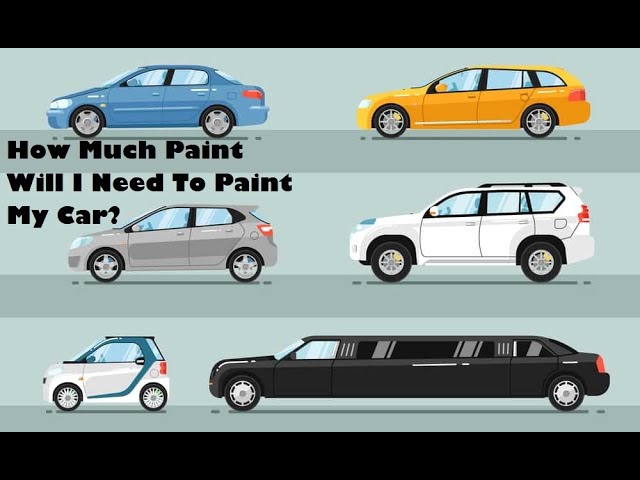
The type of vehicle matters too. Painting a sleek sports car is generally less complex than tackling a bulky SUV or a truck with all its angles and trim. More surface area, more nooks and crannies, and often more parts to mask off – all that translates to more time and therefore, more money. It’s like trying to wallpaper a small, simple room versus a grand ballroom with lots of windows and architectural features. More complexity equals more effort.
The color itself can be a factor. While you might think all colors are created equal, some are more expensive to produce. Exotic colors, metallic flakes, or multi-stage finishes can significantly increase the cost. A basic solid red might be standard, but a pearlized, color-shifting hue? That’s going to come with a premium. It’s like choosing between a plain white t-shirt and one with intricate embroidery – the latter costs more because of the added detail and manufacturing process.
Labor rates vary by region. Just like how a cup of coffee can cost wildly different amounts depending on whether you’re in a bustling city or a quiet suburb, labor costs for auto painters will differ. If you’re in an area with a higher cost of living, expect those mechanic’s rates to be a bit higher too. It’s a simple supply and demand equation, really.
What’s included in the quote? This is crucial! Some quotes might be for just the exterior panels. Others might include door jambs, under the hood, and the trunk area. Always, always, always ask for a detailed breakdown of what’s included. Are they removing the trim, or just taping around it? Removal and reinstallation of trim, lights, and other components adds significant labor time. It’s like ordering a meal – you want to know if it comes with fries and a drink, or if those are extra. Don't be afraid to ask clarifying questions. You're the one paying for it, after all!
DIY vs. Professional: The Eternal Debate. You’ve seen those videos online, right? The ones where someone grabs a can of spray paint and makes their car look… well, different. While the spirit of DIY is admirable, for a truly good-looking and durable paint job, professional is generally the way to go. Unless you have a serious passion for sanding, masking, and potential paint-related disasters, a professional will have the skills, the tools, and the clean environment to deliver a result that won't make you cringe every time you look at it. It's like trying to perform your own appendectomy versus going to a qualified surgeon. Both involve cutting, but the outcomes are vastly different!

Getting Ready to Get Your Car Looking Spiffy
So, how do you navigate this automotive paint jungle? My best advice? Do your homework.
First, get multiple quotes. Don't just go to the first shop you find. Visit at least three different reputable body shops. This will give you a good sense of the average pricing and the range of services offered. Ask to see examples of their previous work. A good shop will be happy to show you their portfolio. It's like shopping for a wedding dress – you try on a few to find the perfect fit.
Second, understand the process. A good paint job isn’t just slapping paint on. It involves meticulous prep work, priming, multiple coats of paint, and several layers of clear coat. The more thorough the process, the better the result. Ask them about their prep steps. Are they using high-quality materials? These are the questions that separate a cheap spray job from a lasting finish.
Third, trust your gut. If a quote seems too good to be true, it probably is. If a shop’s communication is poor or they seem hesitant to answer your questions, it might be a sign to look elsewhere. You want to feel confident and comfortable with the people who are going to be working on your car.
Ultimately, the cost of painting your car is a journey with many forks in the road. It’s about balancing your budget with your desires for your vehicle. Whether you’re aiming for a subtle refresh or a complete automotive transformation, understanding these factors will help you make an informed decision and get your car looking the way you’ve always wanted it to. And who knows, maybe that fresh coat of paint will even inspire you to finally tackle that messy garage!

