How Much Does An F1 Tyre Cost
Ever found yourself glued to the TV during a Formula 1 race, mesmerized by those screaming engines and the sheer artistry of drivers navigating impossible corners? I know I have! And amidst all the thrilling overtakes and nail-biting finishes, there's one question that often pops into my mind, usually during a pit stop that seems to take all of two seconds: just how much does one of those magical F1 tyres actually cost?
It’s a question that might seem a bit random, right? What business is it of ours, sitting on our comfy sofas, what a single piece of rubber costs a multi-million dollar racing team? Well, my friends, I’m here to tell you that this seemingly niche detail is actually a fantastic little gateway into understanding the enormous scale and the insane precision that goes into the pinnacle of motorsport. And yes, it can make your F1 viewing experience just a tad more… illuminating. Plus, thinking about it might even make your own tyre-changing experiences at home feel a little less of a chore. "Hey, at least mine didn't cost as much as a small car!" you can tell yourself with a grin.
So, let's dive in, shall we? Prepare to have your mind slightly blown by the figures involved.
Must Read
The Sticker Shock: What's the Damage?
Alright, drumroll please! A single Formula 1 tyre, fresh out of its sterile wrapper, can set a team back somewhere in the region of £800 to £1,000. Yes, you read that right. For one tyre. That's not a set of four, that's just one. If you're feeling particularly brave and want to convert that to US dollars, it’s roughly $1,000 to $1,250. Suddenly, those supermarket offers on a new set for your family car seem positively… generous.
Now, I know what you’re thinking. "£800? For a tyre? What is it made of, unicorn tears and solid gold?" Well, not quite, but it's a lot more complex than your average road tyre, that’s for sure. And the cost reflects that complexity, the research, the development, and the absolutely critical role they play in a Grand Prix.
Why So Steep? The Science Behind the Dough
Let's break down why these tyres command such a hefty price tag. It’s not just about making something round and black that sticks to the tarmac. Oh no. F1 tyres are marvels of aerospace-grade engineering. They have to withstand incredible forces. We’re talking about:
- G-forces that could make a roller coaster feel like a gentle stroll. Imagine being squashed into your seat at more than five times the force of gravity during heavy braking or sharp corners. The tyres are the only thing connecting the car to the road, and they're taking a beating.
- Temperatures that could boil an egg in seconds. When these tyres get going, they can reach scorching temperatures, sometimes exceeding 100°C (212°F). They need to be designed to perform consistently, even when hotter than a freshly baked pizza.
- Extreme speeds and pressures. We’re talking speeds well over 200 mph, and the tyres have to remain perfectly stable and predictable under these conditions.
This isn’t the kind of thing you can just pick up at your local tyre shop. These are bespoke, high-performance beasts, developed through years of relentless research and development by tyre manufacturers like Pirelli, who are the sole supplier to Formula 1. They work closely with each team, tweaking compounds and designs to extract every last millisecond of performance.
Think about the years of R&D that go into creating a tyre that can offer the perfect balance of grip, durability, and degradation for specific tracks and weather conditions. It’s an ongoing battle between teams wanting more grip and tyre manufacturers needing to ensure the tyres don’t last too long, as that would diminish the excitement and strategy involved. It's a delicate dance, and those tyre bills are a testament to that intricate ballet of speed and science.
The Numbers Game: Beyond the Single Tyre
So, £800-£1,000 for one tyre. Sounds like a lot, right? But let's put it into context for a whole race weekend. A Formula 1 team doesn't just bring a handful of tyres. They bring a whole arsenal!
For a typical Grand Prix weekend, a team is allocated a specific number of tyre sets. This can vary, but we're usually looking at around 13 sets of dry-weather tyres per car. Each set consists of four tyres, of course. So, that’s 13 sets x 4 tyres per set = 52 dry tyres per car! And remember, they have two cars!
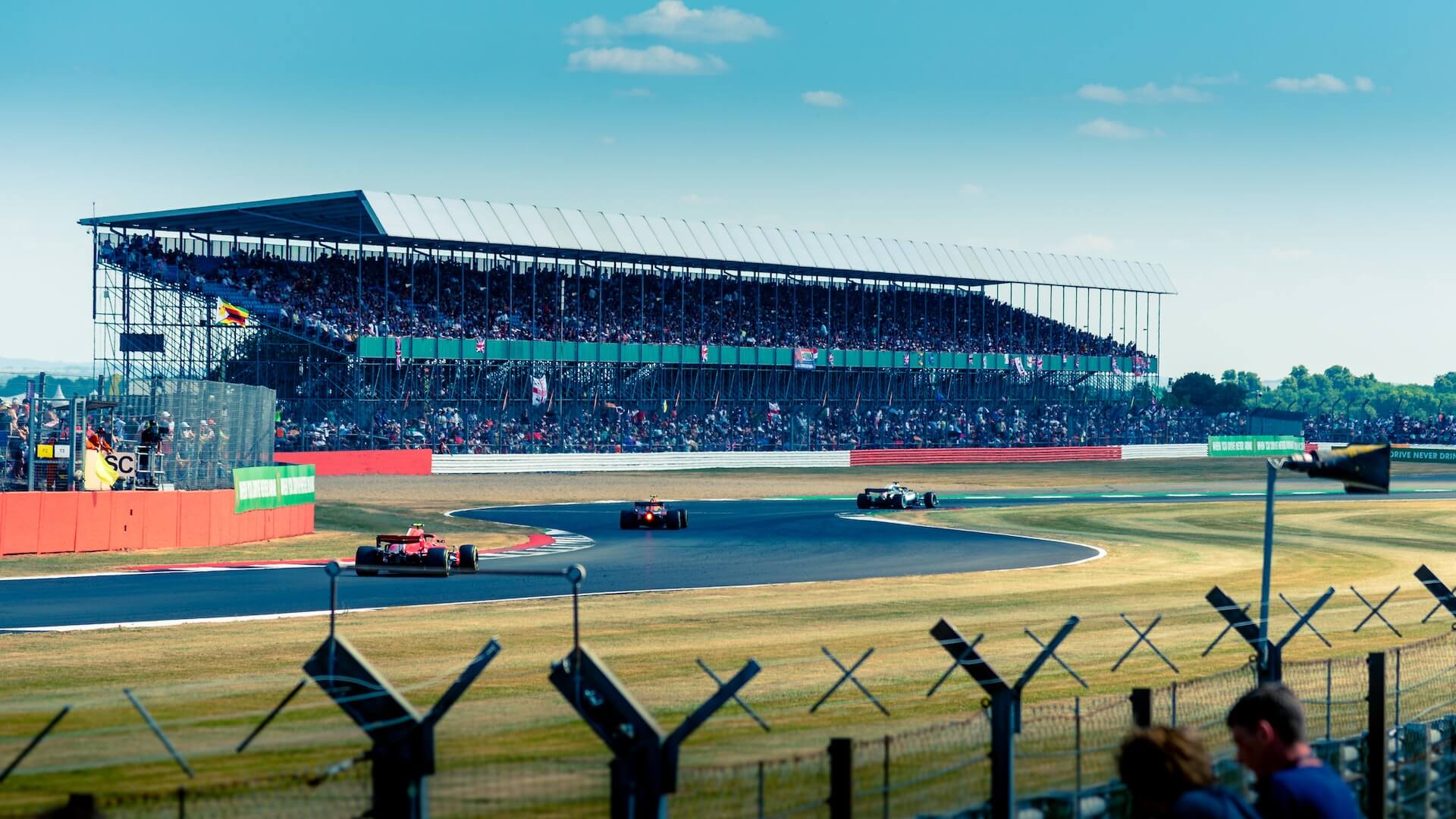
Then you have the wet-weather tyres. Teams will bring a smaller allocation of these, just in case the heavens decide to open. Let’s say another 5-7 sets of wets. That's another 20-28 tyres per car.
So, for a single car, we're talking about potentially over 70-80 tyres for one weekend. Multiply that by two cars for a team, and you’re looking at around 140-160 tyres! Suddenly, those £800-£1,000 per tyre figures start to feel like they’re multiplying like rabbits on a sugar rush.
Let’s do some quick (and slightly terrifying!) math. If we take the lower end of the price, £800, and say a team uses just 70 tyres for one car over a weekend (a conservative estimate):
70 tyres x £800/tyre = £56,000
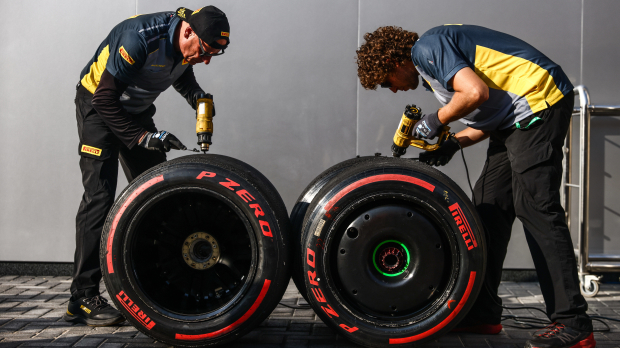
And that’s just for one car, for one weekend! For a team with two cars, we’re looking at over £100,000 just on tyres for a single race. And there are 24 races on the calendar! It’s enough to make your wallet weep, isn’t it? Phew!
Tyre Strategy: More Than Just Rolling Resistance
This huge cost is also a massive part of the strategic game in Formula 1. Teams have to make agonizing decisions about when to pit, which tyre compound to use, and when to push. A bad tyre call can cost a driver valuable seconds, or even the win. A smart call can propel them up the leaderboard.
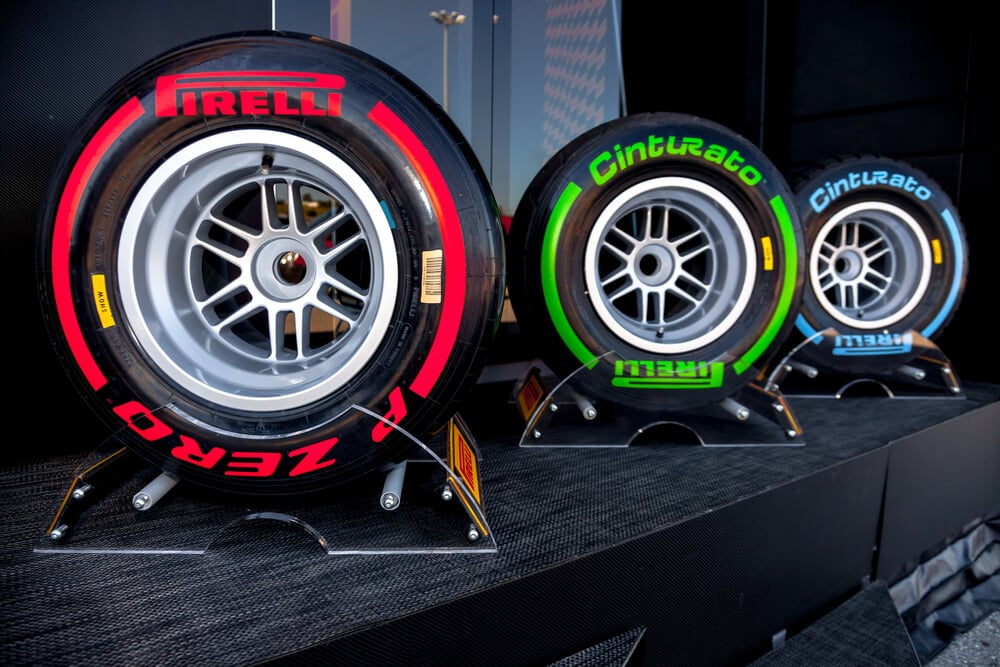
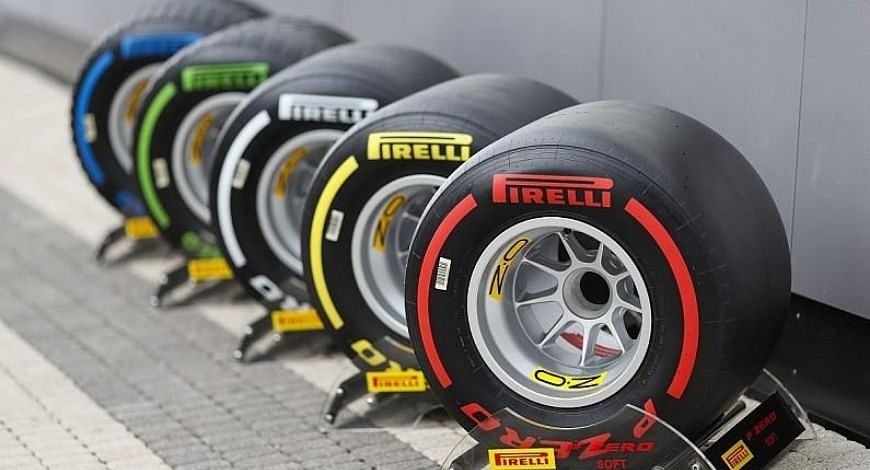
The different tyre compounds – often labelled as Soft, Medium, and Hard, and sometimes even softer or harder variations depending on the track – each have their own characteristics. The softest tyres offer the most grip but wear out the fastest. The hardest tyres last the longest but offer less grip. It’s a constant balancing act, and understanding this can add a whole new layer of enjoyment to watching the race.
When you see a driver diving into the pit lane, it's not just a quick tyre change. It’s a calculated decision based on tyre wear, track conditions, the performance of their rivals, and the precious, expensive rubber on their rims. The money spent on these tyres is an investment in speed and strategy, and it’s absolutely fascinating to watch it unfold.
And it’s not just about the performance on track. These tyres are a huge part of the sustainability narrative in F1 too. Manufacturers are constantly working on making them more environmentally friendly, using more sustainable materials, and ensuring they can be recycled efficiently. So, while the cost is high, the innovation happening around them is also pushing boundaries in important areas.
The Takeaway: More Than Just Rubber on the Road
So, the next time you’re watching an F1 race and a pit stop happens in the blink of an eye, take a moment to appreciate the incredible piece of engineering that’s being swapped out. That £800-£1,000 tyre isn't just a consumable; it’s a vital component that embodies decades of scientific advancement, intense competition, and strategic brilliance.
It’s a reminder of the sheer scale of investment and dedication that goes into making Formula 1 the spectacle it is. And honestly, isn't that pretty inspiring? It makes you think about what we can achieve when we push the boundaries of what's possible, whether it's in motorsport, technology, or even just trying to get that tricky flat-pack furniture assembled!
So, while you might not be buying F1 tyres for your morning commute anytime soon, I hope this little peek behind the curtain has added a little extra sparkle to your F1 viewing. It certainly makes me appreciate the skill, the strategy, and yes, the sheer expense, that makes this sport so utterly captivating. Keep watching, keep questioning, and who knows what other fascinating tidbits you’ll uncover! The world of Formula 1 is full of them, just waiting to be explored.