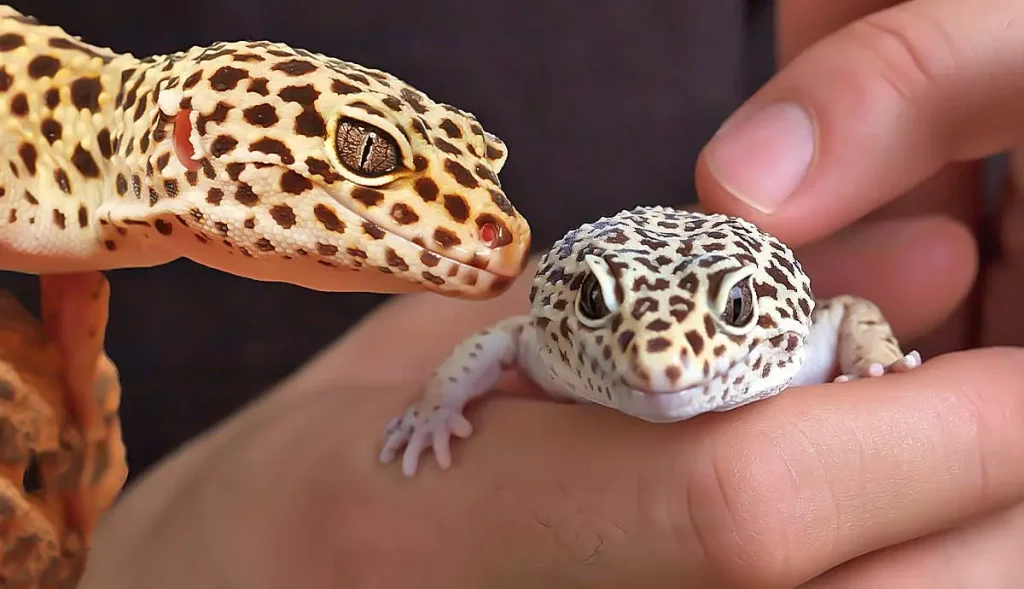
How Much Does A Pet Gecko Cost

So, you've been bitten by the gecko bug. Or maybe you've just seen one of those adorable Crested Geckos with their big, soulful eyes and thought, "Yep, that's my spirit animal." Welcome to the club! The world of pet geckos is surprisingly diverse and, dare I say, totally chic. Forget the scaly monsters of horror flicks; these little dudes are more like tiny, vibrant art installations that happen to breathe and occasionally need a cricket snack. But before you dive headfirst into a vivarium-filled fantasy, let's get down to brass tacks, or should I say, leaf litter? We're talking about the moolah, the cold hard cash, the cost of a pet gecko.
It's easy to fall in love with a gecko. They’re quiet, often don't smell (a huge win in the pet department!), and their care can be relatively straightforward once you've got the hang of it. Plus, let's be honest, who doesn't want a tiny dragon living on their bookshelf? They’ve got that ancient, wise vibe, like they’ve seen things, man. Maybe they have seen things – like the inside of a prehistoric jungle, or the latest Netflix binge you've been powering through. Either way, they’re captivating. But like any good relationship, it’s built on a foundation of understanding, and in this case, that foundation involves a little bit of financial planning.
The initial outlay can be a bit of a surprise, but it’s usually a one-time (or infrequent) investment in making sure your little scaley friend has a fantastic life. Think of it as setting up their starter pad. And just like when you moved into your first apartment, you needed more than just the place itself, right? You needed furniture, maybe a rug, perhaps a questionable lava lamp. Your gecko needs the same kind of comprehensive setup.
Must Read
The Gecko Itself: Your New Tiny Tenant
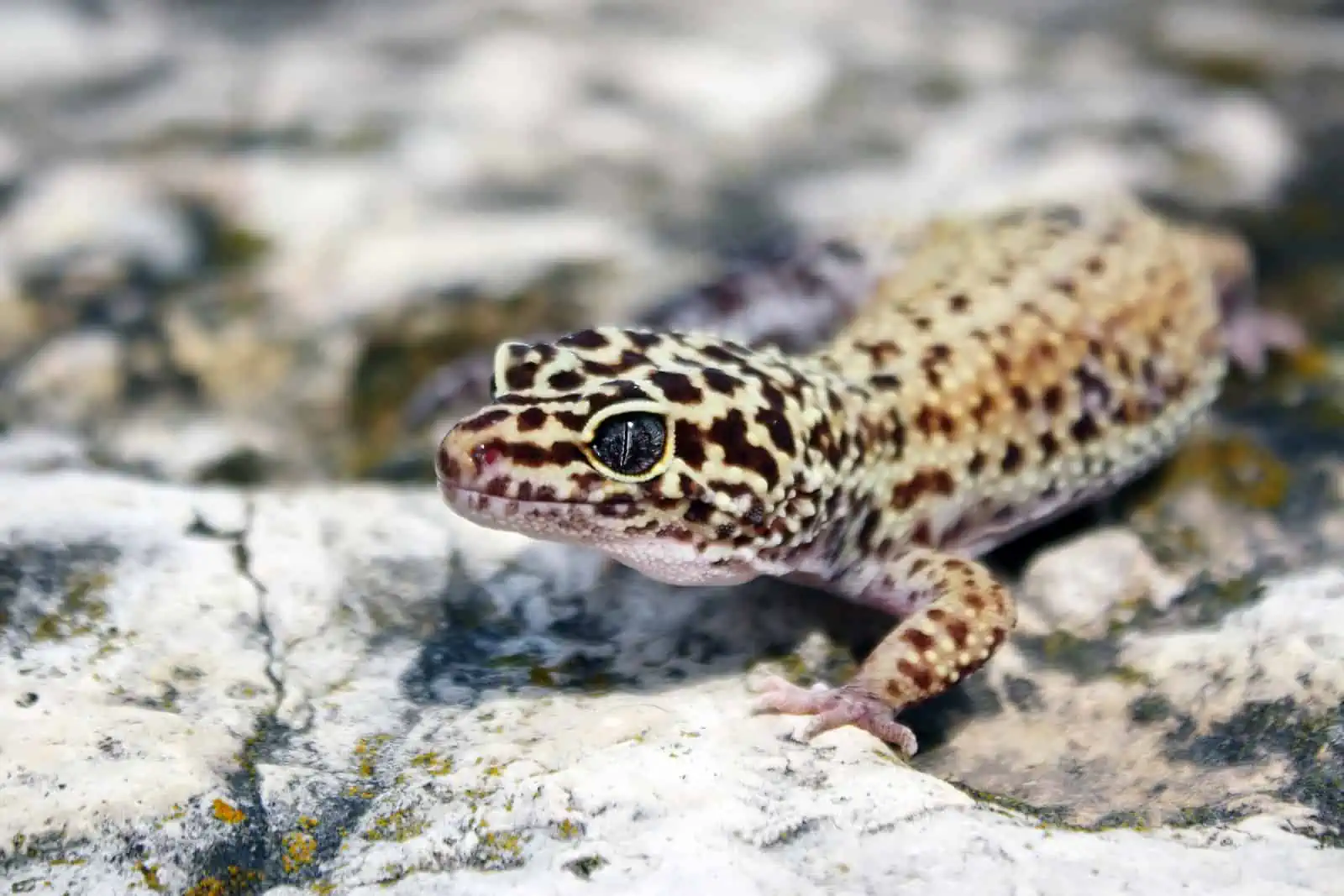
Let's start with the main event – the gecko. The price here really depends on the species and the morph. You’ve got your common Leopard Geckos, which are super popular for a reason. They’re hardy, relatively easy to care for, and come in an astonishing array of patterns and colors. You can often find a standard Leopard Gecko for anywhere from $20 to $50. Think of them as the reliable, everyday sedan of the gecko world – dependable and accessible.
Then you move into the slightly more exotic, like the aforementioned Crested Geckos. These guys are the supermodels of the gecko community. With their fluffy crests and wide, curious eyes, they're incredibly endearing. Their price range can be a bit wider, typically from $40 to $100 for a standard individual. But, oh, the morphs! If you get into designer Cresteds with specific colorations or patterns – think "pinstripe," "dalmatian," or "harlequin" – you could be looking at $150, $200, or even much more for a truly unique specimen. It's like collecting rare Pokémon cards, but way more scaly and less likely to be traded for a Beanie Baby.
Other popular geckos include Gargoyle Geckos (think stubbier Cresteds with a similar vibe, often in the $50-$150 range) and the adorable, tiny House Geckos, which are usually very affordable, often under $20. For the more adventurous, there are species like the Electric Blue Day Gecko, which are stunningly vibrant but also come with a higher price tag, potentially $100-$300 or more, and often require more specialized care. These are your sports cars of the gecko world – flashy, impressive, but require a bit more know-how (and budget).
Where You Buy Matters
Buying from a reputable breeder is always your best bet. They’ll have healthier animals, often with a better understanding of their lineage and temperament. Online breeders are common, but do your research! Look for reviews and ask for photos/videos of the specific gecko you're interested in. Local pet stores can be hit or miss. Some have excellent reptile departments with knowledgeable staff, while others… well, let’s just say you might be better off scrolling through Instagram breeder pages. Craigslist and Facebook Marketplace? Proceed with extreme caution. You never know what you might end up with, and it’s rarely a good deal for the animal.
Think of it like buying a vintage record. You could find a gem at a flea market for a steal, but you’re also risking scratches, skips, and a case of buyer's remorse. Buying from a dedicated record store (or breeder) might cost a bit more upfront, but you're more likely to get a pristine copy and expert advice. Health guarantees are a huge plus when buying, so keep an eye out for those.
The Gecko's Dream Home: Enclosure Essentials
This is where a significant chunk of your initial investment will go. Your gecko needs a safe, comfortable, and stimulating environment. The cliché of a gecko in a tiny jar is just that – a cliché. These guys need space to explore, climb, and generally just be geckos.

The Tank (Vivarium): Size Matters (But Not Too Much for Geckos)
For most common gecko species like Leopard Geckos, a 10-20 gallon tank is a good starting point for a juvenile or single adult. For larger or more active species, or if you plan on housing multiple (again, research species compatibility carefully!), you'll need something bigger, like a 20-gallon long or even a 40-gallon tank. Prices can range from $40 for a basic 10-gallon tank to $100-$200+ for a larger or specialized terrarium. Front-opening terrariums are fantastic for ease of access and viewing, but can be pricier. Think of it as choosing between a sliding door at the grocery store or a fancy French door at a high-end boutique – both get you inside, but one has a certain je ne sais quoi (and price tag).
Heating & Lighting: Setting the Mood (and the Temperature)
Geckos are ectothermic, meaning they rely on their environment to regulate their body temperature. This is crucial for digestion, activity, and overall health. Most diurnal (day-active) geckos, like Day Geckos, will need a UVB light. Nocturnal geckos, like Leopard Geckos, generally don't need UVB but do need a heat source to create a basking spot.
Heat lamps or undertank heaters are common. An undertank heater, especially for Leopard Geckos, provides a gentle warmth from below. A heat lamp with a thermostat is ideal for creating a controlled temperature gradient. Expect to spend $20-$50 for a decent heater or lamp fixture, and another $30-$50 for a reliable thermostat. Don't skimp on the thermostat; it's your gecko's life support system, ensuring they don't get too hot or too cold. It’s the difference between a cozy spa day and a trip to the emergency room.
Lighting for diurnal geckos can add another $20-$50. Even nocturnal geckos can benefit from a low-wattage LED light for viewing during their active hours, which is great for you! It's like having a tiny, illuminated art piece to admire.
Substrate: The Flooring Matters
What goes on the bottom of the tank? This is your gecko’s carpet, playground, and sometimes, even their restroom. For Leopard Geckos, a paper towel substrate is super cheap (practically free!) and easy to clean, making it a great starter. For a more aesthetic and naturalistic setup, you can use coconut fiber, cypress mulch, or a reptile-specific soil mix. These can cost anywhere from $10 to $30 per bag. Avoid loose substrates like sand for younger or improperly hydrated geckos, as impaction (eating the substrate) can be a serious health risk. It’s like choosing between luxury shag carpet and a practical linoleum floor – both have their pros and cons, and for a baby, you might want to stick with the easy-to-clean option.
Hides and Decor: Creating a Gecko Paradise
Geckos are masters of camouflage and love to hide. You'll need at least two hides: one on the warm side and one on the cool side of the tank. Think of them as their personal bedrooms. Cork bark, half-logs, or commercial reptile hides are popular. These can range from $5 to $20 each.
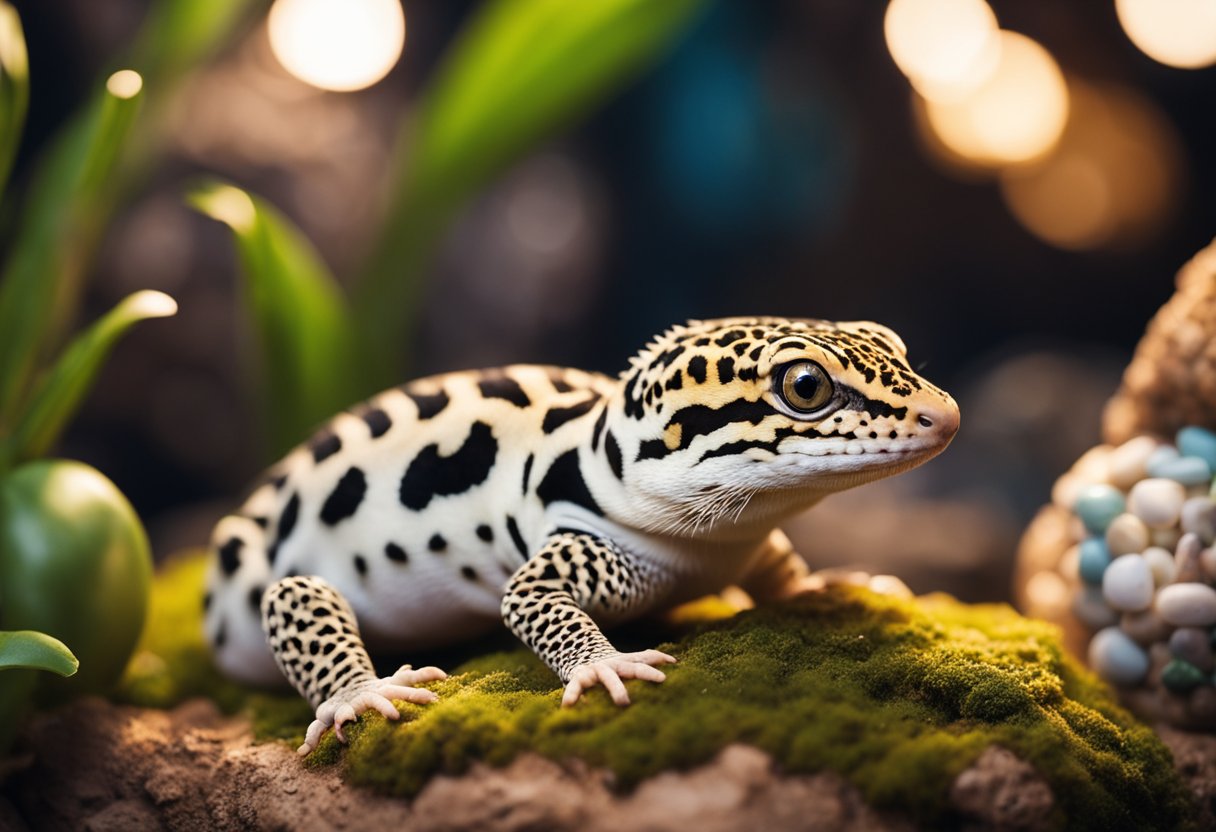
For climbing species like Crested Geckos, you'll want branches, vines, and artificial plants to create a vertical jungle. These can add another $20-$60. It's about creating a stimulating environment that encourages natural behaviors. Imagine your gecko doing parkour through a miniature rainforest – that's the goal!
Water and Food Dishes: Hydration Station and Dining Room
A simple water dish is essential. For Crested Geckos, a small cup or bottle with a specialized feeder can be used. These are usually inexpensive, $5-$15. Food dishes are less crucial if you're hand-feeding or using a feeding cup, but can be helpful for some species.
Ongoing Costs: The Little Things That Add Up
So, you’ve got the setup. Great! But like your Netflix subscription or your avocado toast habit, there are recurring costs to keeping a gecko happy and healthy.
Food: The Cricket Factor
This is arguably the most significant ongoing expense. Most geckos are insectivores, meaning they eat insects. Crickets are the staple for many, followed by roaches (Dubia roaches are popular and nutritious), mealworms, and waxworms. The cost of live insects can vary depending on your location and the quantity you buy. A small container of crickets might cost $5-$10, and you'll need to buy them regularly, perhaps every week or two, depending on your gecko's appetite and age.
For Crested Geckos and other frugivores/nectarivores, there are specialized powdered diets that you mix with water. A pouch of this can last a while and typically costs around $15-$25. This is often a more cost-effective and less “squirmy” option!
Don't forget calcium and vitamin supplements. These are crucial for preventing metabolic bone disease and other health issues. You'll dust their insects with these powders a few times a week. A container of supplement powder costs around $10-$20 and lasts for months.
Bedding/Substrate Replenishment
Depending on the substrate you choose, you'll need to replace it periodically. For paper towels, it’s a weekly chore. For coconut fiber or soil mixes, it might be every few months. Budget for $10-$30 every few months for substrate replacements.
Electricity Bills: The Cost of Keeping it Cozy
Your heat lamps and undertank heaters will contribute to your electricity bill. The amount will depend on your local rates and how often these devices are running, but it’s usually a small, manageable increase, perhaps an extra $5-$15 per month.
Veterinary Care: The Unforeseen Expense
This is a big one, and thankfully, not a frequent one if you have a healthy gecko. However, it’s essential to be prepared. Reptile vets can be more expensive than dog or cat vets. A routine check-up might cost $50-$100, and any necessary treatments or medications can add significantly to that. It’s always wise to have a small emergency fund set aside for your pet, just in case.
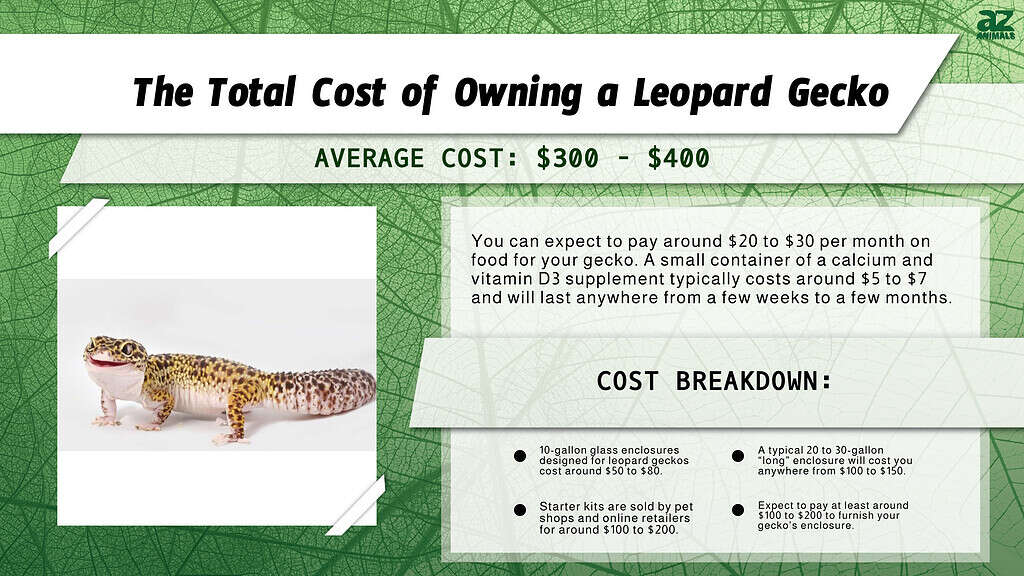
The Grand Total: A ballpark figure
Let’s break it down for a common starter gecko, like a Leopard Gecko:
- Gecko: $30-$50
- 10-20 Gallon Tank: $40-$80
- Undertank Heater & Thermostat: $50-$100
- Substrate (starter bag): $10-$20
- Hides (2-3): $15-$40
- Water Dish: $5-$10
- Decor (branches, plants): $20-$40
- First supply of food (crickets/roaches): $10-$20
- Supplements: $10-$20
Initial Setup Total: $190 - $380
For a more fancy gecko like a Crested Gecko with a slightly larger, more elaborate setup (perhaps a front-opening terrarium and more climbing decor):
- Gecko: $70-$150
- 20-Gallon High Tank/Terrarium: $70-$150
- Heat Lamp/Fixture & Thermostat: $60-$120
- Coconut Fiber Substrate: $15-$25
- Hides (2-3): $20-$50
- Water/Food Dish: $10-$20
- Climbing Decor (vines, branches, plants): $40-$80
- First supply of specialized diet: $15-$25
- Supplements: $10-$20
Initial Setup Total: $310 - $610
Ongoing Monthly Costs (for either):
- Food: $20-$40 (insects can be more, powder is less)
- Electricity: $5-$15
- Substrate/Cleaning Supplies: $5-$10 (averaged out)
Rough Monthly Total: $30 - $65
Keep in mind these are estimates. You can absolutely find deals, buy used (for tanks and fixtures, but never an animal!), or get creative with DIY decor. Conversely, you can go all out with elaborate custom enclosures and high-end lighting, and the sky’s the limit!
The Real Cost: More Than Just Dollars and Cents
When you’re calculating the cost of a pet gecko, it’s about more than just the upfront price tag. It's about the commitment. These little creatures can live for 10, 15, even 20 years! That’s longer than many marriages these days, so it's a serious commitment, but a wonderful one. They bring a quiet companionship, a touch of the wild into your everyday, and a constant reminder of the diverse and fascinating world around us.
My own little gecko, Bartholomew, a rather regal Leopard Gecko with a penchant for dramatic poses, cost me about $250 to set up initially, including him. His ongoing food costs are minimal, and honestly, the biggest ongoing expense is the time I spend watching him explore his enclosure or basking under his heat lamp. There’s a certain tranquility that comes with observing a creature so perfectly adapted to its environment, so focused on its simple needs. It’s a living, breathing lesson in mindfulness, a tiny ambassador from the natural world reminding me to appreciate the quiet moments.
And isn't that what an easy-going lifestyle is all about? Finding joy in the simple things, creating a nurturing environment, and enjoying the quiet presence of a unique companion. The cost of a pet gecko is an investment, not just in a creature, but in a little piece of that serene, fascinating world.