How Much Do Midwives Earn In Uk
Ever found yourself scrolling through Instagram, admiring those serene birth photos and thinking, "You know, that looks like a pretty amazing way to spend your days"? Or perhaps you've had a friend rave about their midwife, their rock through the rollercoaster of pregnancy and birth. If so, you might have peeked over the fence at the world of midwifery, and naturally, the practical question pops into your head: "So, how much do these amazing humans actually earn in the UK?"
Let's be real, life's a juggle. Between paying bills, maybe saving for that dream holiday to the Amalfi Coast (or just a really nice weekend staycation), and generally keeping the wolf from the door, financial well-being is a big part of that easy-going lifestyle we all aspire to. And for those considering a career that's as rewarding as it is demanding, understanding the earning potential is absolutely key.
So, ditch the spreadsheets for a moment, grab a cuppa (or a cheeky glass of vino, no judgment here!), and let's dive into the nitty-gritty of midwife salaries in the UK, sprinkled with a few fun facts and practical insights.
Must Read
The Sterling Side of Supporting Births
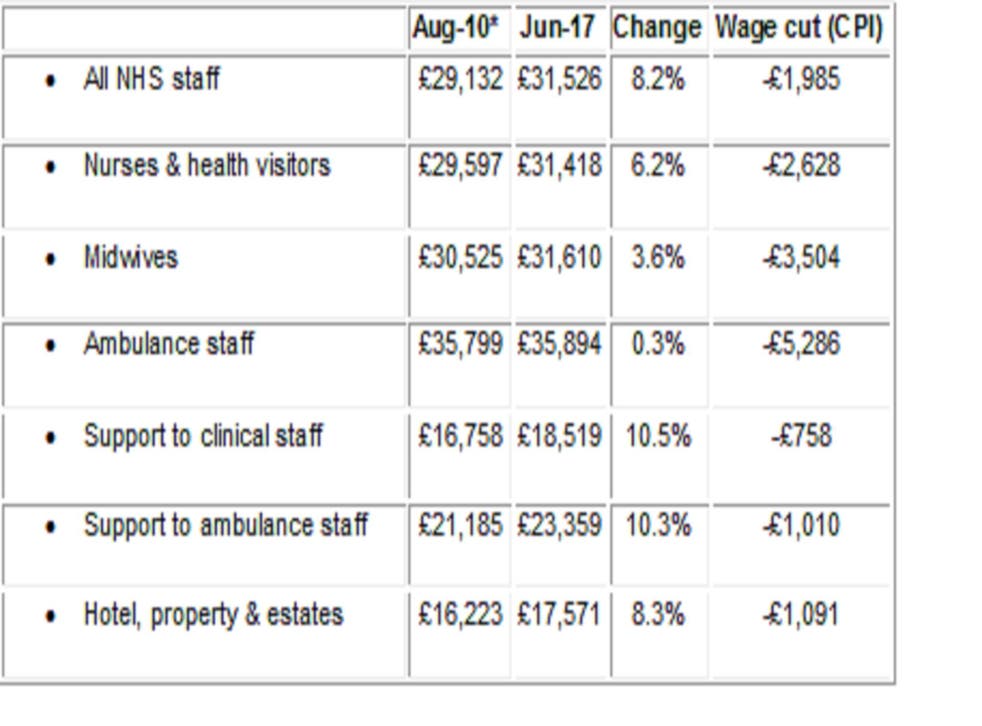
When we talk about midwife earnings in the UK, it's often through the lens of the National Health Service (NHS). This is where the vast majority of midwives ply their incredible trade, and their salaries are structured according to a national pay scale known as the Agenda for Change (AfC). Think of it like a well-defined career ladder, where your experience and responsibilities steadily move you up the rungs.
At the entry-level, as a Newly Qualified Midwife (NQMW), you'll typically be starting on Band 5. This is your foundational stage, where you're fresh out of university, brimming with theoretical knowledge and eager to put it into practice. For a Band 5 midwife, the salary usually ranges from approximately £28,407 to £34,581 per year. It might sound like a starting point, but remember, this is a profession where you gain invaluable experience with every single birth you attend.
As you gain experience and hone your skills, you'll naturally progress. Most midwives move up to Band 6 within a few years. This band represents a Registered Midwife who is competent and can manage a caseload, take on more complex situations, and often act as a mentor to more junior staff. A Band 6 midwife can expect to earn between £33,984 and £41,260 annually. This is often considered the 'sweet spot' for many working midwives, offering a solid and comfortable income.
Climbing the Ladder: Specialist Roles and Seniority
But the journey doesn't stop at Band 6, oh no! The NHS offers plenty of avenues for career progression, leading to higher earning potential. For those who want to specialise or take on more leadership responsibilities, there are further bands to aim for.

Enter Band 7. This band is often for those in more senior clinical roles, such as Clinical Midwife Specialists (think experts in areas like perinatal mental health, diabetes in pregnancy, or infant feeding) or Team Leaders. They're the go-to people for complex cases and often have a significant role in service development. Salaries here typically fall between £41,659 and £47,672 per year. It’s about leveraging that deep knowledge and experience to make a wider impact.
Then there are the top tiers: Band 8a, 8b, 8c, and 8d. These bands are generally reserved for those in managerial positions, such as Matrons or Head of Midwifery roles. These are the individuals shaping entire maternity services, leading large teams, and steering the strategic direction of care. Earnings in these senior leadership roles can range from around £47,672 all the way up to £86,595 or more, depending on the specific role and level of responsibility. It's a significant jump, reflecting the immense pressure and strategic vision required at this level.
Fun Fact Alert! Did you know that the term "midwife" literally means "with woman"? It's a beautiful reminder of the core of their practice – being a constant, supportive presence throughout pregnancy and birth.
Beyond the NHS: Exploring Other Avenues
While the NHS is the primary employer, it's not the only place a midwife can work. The private sector offers alternative routes, and these can sometimes come with different salary structures.

Working in private maternity units or independent midwifery practices can offer a different financial landscape. Salaries here aren't bound by the AfC framework, so they can vary significantly based on the employer, the services offered, and the midwife's own experience and reputation. Some independent midwives, particularly those with established client bases and a strong business acumen, can potentially earn more than their NHS counterparts. However, it's crucial to remember that private practice often comes with its own set of challenges, including managing your own business, marketing, and insurance.
There's also the possibility of working in education (teaching the next generation of midwives), research, or even in the pharmaceutical industry, leveraging your clinical knowledge in different capacities. These roles often command competitive salaries, reflecting the specialised skills and expertise required.
What Influences a Midwife's Pay Packet?
So, we've looked at the bands, but what else plays a part in how much a midwife actually pockets each month? Several factors come into play:
- Experience: This is arguably the biggest driver. The more years you've been a midwife, the more skilled and experienced you are, and the higher up the pay scale you'll typically be.
- Location: While the NHS aims for national consistency, there can be slight variations in pay, particularly with London weighting allowances. Working in London often means a higher salary to compensate for the increased cost of living.
- Specialisation: As we touched upon, specialised roles often come with higher pay grades. If you've got a knack for neonatal care or are a whizz at perinatal mental health support, your skills are in demand and often rewarded.
- Additional Responsibilities: Taking on extra duties, such as being a student supervisor, participating in on-call rotas, or leading specific projects, can sometimes lead to additional payments or faster progression.
- Working Patterns: While most NHS midwives work full-time, part-time roles are also common. Your overall annual income will naturally be affected by the hours you work.
Cultural Nod! Midwives have been a cornerstone of communities for centuries. From ancient Egypt to the present day, their role has been vital in ensuring the continuation of families and society. It's a profession steeped in history and tradition, yet constantly evolving with scientific advancements.

The 'Extras' that Add Up
Beyond the base salary, there are other elements that contribute to a midwife's overall financial package:
- Unsociable Hours Payments: Midwifery is a 24/7 job. Nights, weekends, bank holidays – they're all part of the package. The NHS compensates for this with extra payments for working unsociable hours, which can significantly boost your take-home pay.
- Overtime: When a shift runs long, or there's a sudden influx of births, overtime is often necessary. This is usually paid at an enhanced rate.
- Pension Contributions: The NHS offers a very good pension scheme, which is a crucial part of your long-term financial security.
- Professional Development: The NHS often supports ongoing training and professional development, which can help you advance your career and earning potential.
Quirky Tidbit! In some cultures, midwives were traditionally seen as possessing almost mystical knowledge, passed down through generations. They were highly respected figures, often consulted on all matters related to women's health and childbirth.
Is it Worth It? The Bigger Picture
Looking purely at the numbers, the salary for a midwife in the UK can seem modest compared to some other professions, especially when you consider the immense responsibility and the emotional toll the job can take. However, for most midwives, the financial reward is only one part of the equation.
The profound sense of purpose, the privilege of being present at one of life's most transformative moments, and the deep connection formed with families are the intangible benefits that make this career so incredibly fulfilling. It's about making a tangible difference in people's lives, day in and day out.
Think of it this way: while a midwife might not be buying a private jet anytime soon (unless they're running a very successful private practice!), they are generally able to live comfortably, support their families, and enjoy a decent quality of life. They are part of a vital public service, contributing immeasurably to the health and well-being of the nation.
The career path is stable, with continuous opportunities for growth and specialisation. And in today's world, knowing you have a secure and respected profession is a huge part of that stress-free, easy-going lifestyle.
A Slice of Daily Life: The Midwife's Weekend
Imagine this: It's a Saturday morning. The sun is shining. You've just finished a busy night shift, filled with the incredible energy of new life. You head home, perhaps to a quiet cup of coffee with your partner, or to get the kids off to football practice. You might spend the afternoon gardening, catching up with friends, or indulging in that book you've been meaning to finish. Later, you might be planning a cosy family dinner. It’s a life that, while demanding, is also filled with moments of profound joy and connection, both professionally and personally.
The salary, while important, is a means to that end. It supports the life that allows them to continue doing this incredibly important work, day after day, birth after birth. It’s a life where the rewards go far beyond the payslip, touching the very heart of what it means to be human.
So, next time you see a midwife, remember that their earnings are a reflection of their vital role in society, a blend of a structured career path and the invaluable, immeasurable gift of bringing new life into the world.