How Many Wasps In A Nest Uk

Ever found yourself staring at a buzzing paper bag hanging from your shed roof or tucked away in a hedge? You might be wondering, "Just how many wasps are in there?" It's a question that sparks curiosity, and honestly, a little bit of awe.
Thinking about a wasp nest is like peeking into a secret, bustling city. It's a world humming with activity, all contained within a papery structure. And the number of residents? Well, it's quite a crowd!
The Incredible Numbers Inside a Wasp Nest
Let's talk numbers, because they're pretty mind-boggling. A typical common wasp nest, the kind you're most likely to see in the UK, can house thousands of wasps. We're not talking about a handful of buzzing friends here, but a whole community!
Must Read
During the peak of summer, a mature nest can be home to anything from 3,000 to even 10,000 wasps. Yes, you read that right! Imagine a small town, all working together under one roof.
This might sound like a lot, and it is! But it's important to remember that most of these wasps are busy workers. They're out foraging, building, and caring for the young. It's a highly organised society.
Different Species, Different Sizes
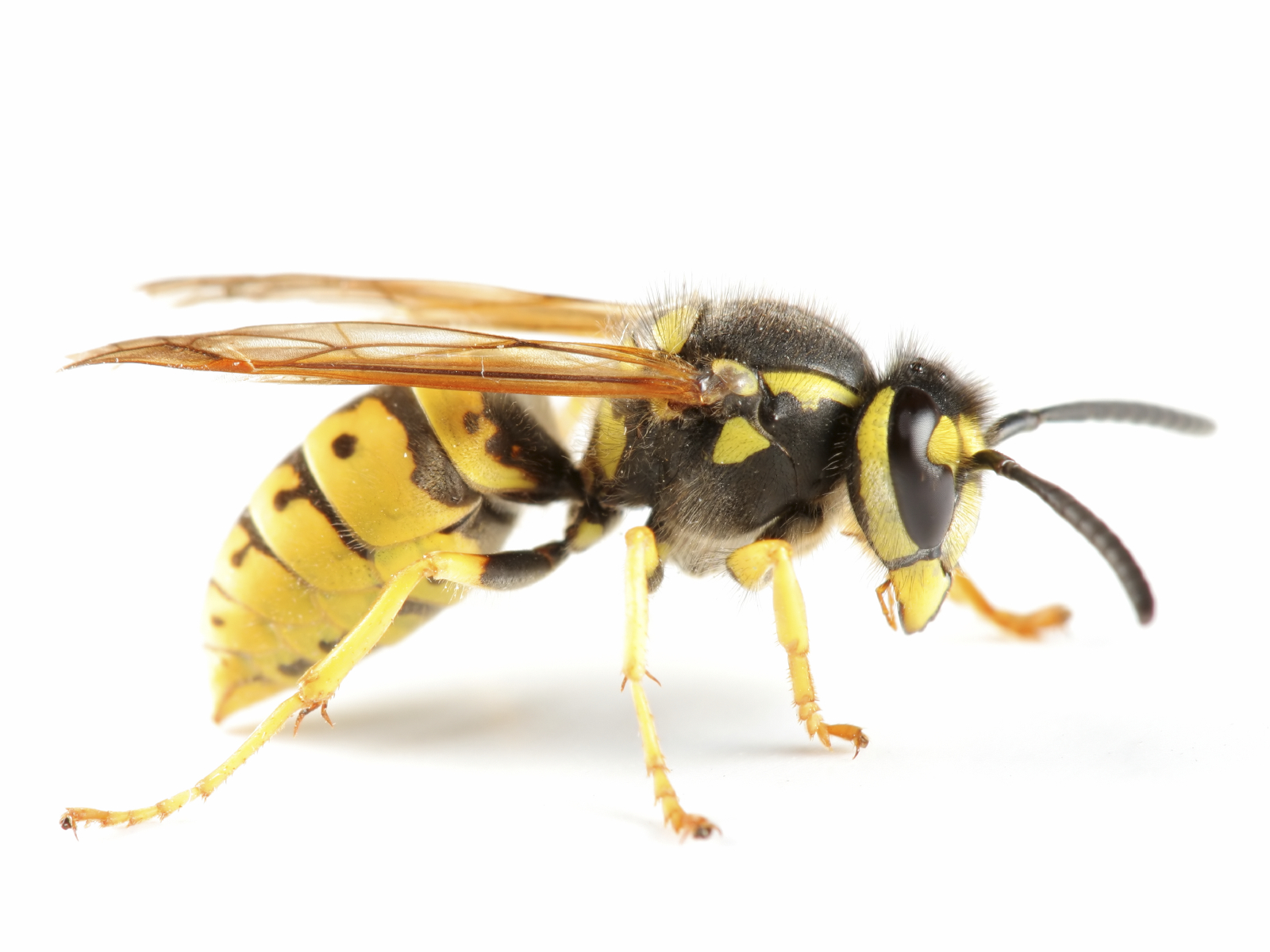
Now, not all wasp nests are created equal. The size of a nest, and therefore the number of wasps, can depend on the species. The most common ones we encounter in the UK are the Common Wasp (Vespula vulgaris) and the German Wasp (Vespula germanica).
These two are the main culprits for those impressive, large nests. They tend to build in sheltered spots, like lofts, sheds, or even underground. Their colonies can grow to be enormous by the end of the season.
Other wasps, like the European Hornet (Vespa crabro), build different kinds of nests. While impressive in their own right, their nests are generally smaller and house fewer individuals compared to their smaller wasp cousins.
The Life Cycle of a Wasp Nest
The number of wasps isn't constant throughout the year. It's a story of growth and eventual decline. It all starts with a single queen.
In the spring, a lone, overwintered queen emerges from her hibernation. She's the only one who survived the winter. Her mission is to find a suitable place to start a new colony.
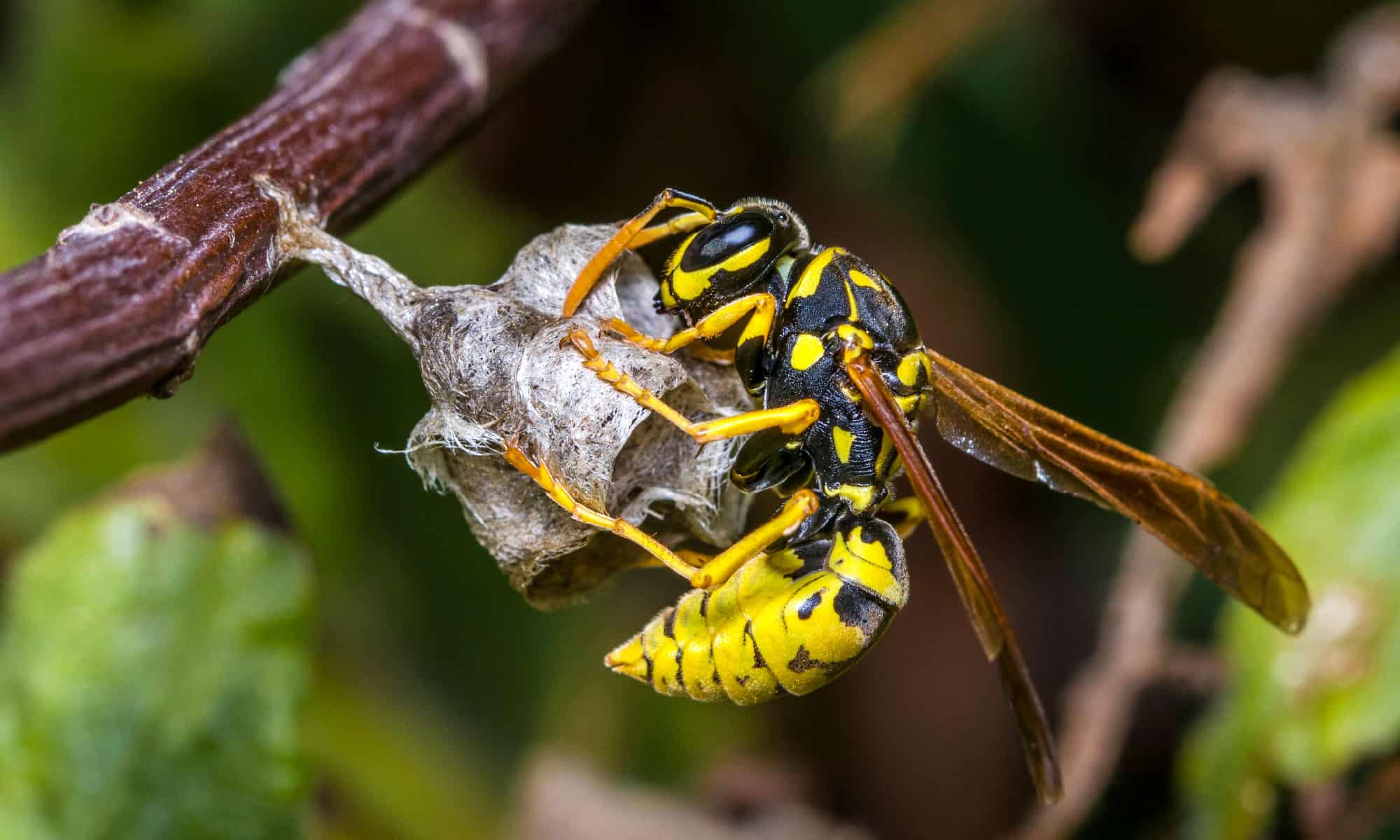
She then begins to build a small nest from chewed wood fibres. She lays her first eggs, and when they hatch, she becomes the sole provider, feeding her first batch of daughters. These first daughters are smaller than usual.

Once they mature, they take over the tasks of foraging and nest building. The queen's only job then becomes laying eggs. This is when the colony starts to expand rapidly.
Summer Bloom: The Peak Population
As summer progresses, the nest grows bigger and bigger. More cells are added, and more eggs are laid. The population explodes.
By late summer and early autumn, you'll find the largest numbers of wasps. This is the peak of their activity. All those workers are out and about, gathering food and materials.
It's during this time that we are most likely to encounter wasps. They become more noticeable, and the nests are at their most impressive in terms of size and resident numbers.
It's a truly fascinating period of intense activity. They are all working towards the colony's ultimate goal: producing new queens and males who will go on to mate and start the cycle anew next year.
Why So Many? The Purpose of the Crowd
You might wonder why such a large population is necessary. It all comes down to survival and reproduction.
A large workforce allows the colony to function efficiently. More wasps mean more food brought back for the larvae, faster nest expansion, and better defence of the nest.
The sheer number of individuals is also a form of defence. A swarm of thousands of wasps is a formidable deterrent to predators. It's a case of strength in numbers!
And, of course, the main goal of a mature wasp nest is to produce new reproductive wasps – the new queens and males. This requires a huge amount of energy and resources, hence the large population.
A Peek Into Their World
Imagine this: you're a tiny wasp, and your entire universe is this incredible, multi-layered structure. It's made of paper-thin material, meticulously constructed. Every cell is a nursery, a pantry, or a living space.
There are dedicated nurses caring for the young larvae. There are builders constantly expanding the nest. There are foragers venturing out into the big wide world to bring back food.
And there are guards at the entrance, keeping a watchful eye. It's a perfectly orchestrated, buzzing metropolis. It’s amazing to think about the coordination required for all of this.
Even the construction material is fascinating. They chew wood fibres and mix them with their saliva to create a paper-like substance. This material is surprisingly strong and waterproof.
When Do Wasp Nests Reach Peak Size?
As we mentioned, the numbers build up throughout the summer. So, when is the absolute peak?
Generally, the highest population figures are reached in late August and September. By this time, the colony has had the whole summer to grow and develop.
The weather plays a significant role too. A warm, productive summer often leads to larger nests and higher populations. Conversely, a cool or wet summer can limit their growth.

After this peak, the colony begins to decline. The workers, having fulfilled their purpose, start to die off. The new queens leave the nest to find their own hibernation spots.
The End of an Era (for the Nest)
By the time autumn chills set in, the original nest is largely abandoned. It's an empty shell of its former bustling self.
The old queen and the worker wasps usually die off before the winter sets in. Only the newly mated queens will survive the cold, ready to start their own colonies next spring.
So, that impressive nest you saw in August might be completely silent by November. It’s a natural cycle, and a rather poignant one at that.
It's All About the Queen!
The entire structure and the massive population are ultimately driven by the queen. She is the mother of all the wasps in the nest.
Her sole function, once the colony is established, is to lay eggs. She can lay hundreds, even thousands, of eggs over the course of the summer.
Her health and productivity are key to the success of the colony. If she thrives, the colony thrives. If she falters, the colony's prospects diminish.
It's a testament to her dedication and the remarkable reproductive capacity of these insects. One little queen can be the genesis of such a massive, complex society.

Why It's So Entertaining to Observe
Watching a wasp nest, from a safe distance of course, is like observing a miniature, perfectly organised society. It's a constant hum of activity, a symphony of purpose.
The intricate paper construction is a marvel of natural engineering. You can see the different layers, the hexagonal cells, all built with incredible precision.
And the wasps themselves! They are so focused on their tasks. You can observe them returning with food, communicating with each other (in their own way, of course), and tending to the developing young.
It’s a reminder of the complex and often overlooked world that exists all around us. It’s a little bit of wilderness, right on our doorstep. It sparks that innate human curiosity to understand how things work.
The Mystery and Wonder
The exact number can vary greatly, but knowing that a single nest can house up to 10,000 wasps is truly something to ponder. It’s a fascinating aspect of nature that often goes unnoticed or is viewed with trepidation.
But if you can appreciate them from afar, it’s a chance to witness a remarkable natural phenomenon. The sheer scale of their collective effort is awe-inspiring.
So, next time you see that papery structure, take a moment to imagine the thousands of tiny lives bustling within. It’s a hidden world, full of wonder and an incredible number of residents!
The impressive size and number of wasps in a nest are a testament to nature's incredible organizational skills and the drive for survival.
It's a whole ecosystem in itself, a microcosm of life dedicated to growth, survival, and the continuation of their species. A truly remarkable sight if you get the chance to observe it safely.