How Long To Reheat Pie In Oven
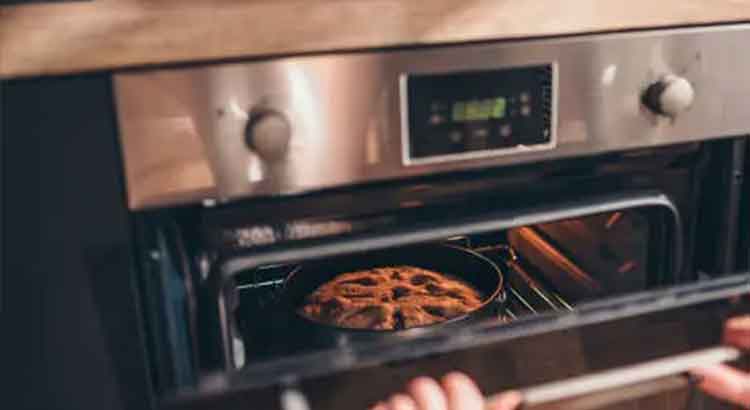
Ah, pie. That glorious, flaky, often fruit-filled beacon of comfort. Whether it’s a spontaneous craving, the leftover hero from a dinner party, or the star of your next cozy brunch, a perfectly reheated slice is pure bliss. But let’s be honest, the oven can be a fickle friend. Too hot, and you’ve got a burnt crust and a lava-hot center. Too cool, and you’re left with a sad, tepid disappointment. So, what’s the sweet spot? How long should you really let that beautiful creation bask in the oven's warmth?
Fear not, fellow pie enthusiasts! We’re diving into the delightful, and sometimes slightly perplexing, world of pie reheating. Think of this as your gentle guide, your oven-whispering companion, ensuring every slice is a masterpiece. Forget those frantic Googling sessions; we’re about to make pie reheating as easy and enjoyable as, well, eating pie.
The Golden Rule: It Depends (But We’ll Tell You How)
This is the part where some might sigh. "It depends" isn't exactly a definitive answer, is it? But in the realm of baked goods, especially those as varied as pie, it's the honest truth. The ideal reheating time and temperature are influenced by a few key factors:
Must Read
- The Type of Pie: Fruit pies, cream pies, savory pies – they all have different needs.
- The Size of the Slice: A sliver versus a generous wedge will bake differently.
- Your Oven's Quirks: Every oven has its own personality.
- Your Desired Outcome: Do you want it piping hot, or just gently warmed?
But don't worry, we're not leaving you hanging! We'll break down each of these so you can confidently navigate your oven and emerge with pie perfection.
Fruit Pies: The Classic Contenders
Apple, cherry, blueberry, pecan – these are the backbone of many pie traditions. When reheating these beauties, the goal is to get the filling warm and bubbly, and the crust wonderfully crisp again. This usually means a moderate temperature and a bit of patience.
The Sweet Spot: Aim for around 325°F to 350°F (160°C to 175°C). This temperature is hot enough to revive the crust and heat the filling without scorching the edges or turning the fruit into mush.
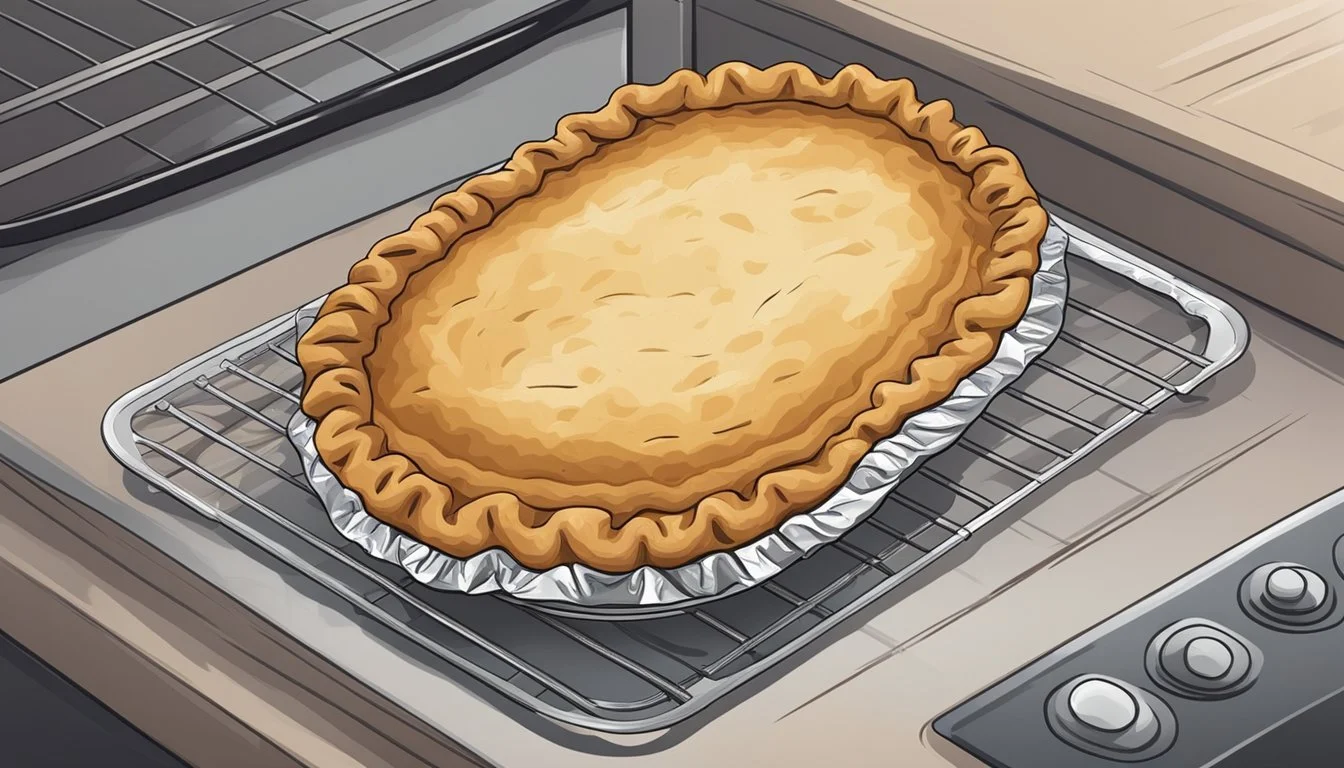
The Timing Game: For a typical slice, start with 15 to 20 minutes. This is usually enough to get things nicely warmed through. Keep an eye on it, though! You're looking for the filling to be gently bubbling around the edges, a sure sign it’s heated all the way through. If the crust starts to look a little too dark before the filling is bubbly, you can always loosely tent the pie with aluminum foil.
![How To Reheat Shepherd's Pie - I Test 4 Methods [Pics] - Pantry & Larder](https://pantryandlarder.com/wp-content/uploads/2023/09/how-to-reheat-shepherds-pie-infographic.jpg)
Pro Tip: If your pie is still frozen, allow it to thaw in the refrigerator overnight first. Reheating from frozen can lead to uneven cooking and a soggy bottom. For those truly spontaneous moments where you forgot to thaw, you can reheat from a slightly frozen state, but you’ll need to increase the time significantly (think 30-45 minutes or more) and watch it very closely.
Cultural Nugget: Did you know that apple pie was actually brought to America by the English colonists? The apples themselves weren't native, and the early versions were often less sweet and sometimes encased in much tougher crusts. We've come a long way, haven't we?
Custard & Cream Pies: The Delicate Darlings
Think pumpkin pie, custard pie, banana cream pie, chocolate cream pie. These pies are a bit more sensitive to high heat. The filling can curdle or become rubbery if subjected to too much oven aggression. The aim here is gentle warming.
The Gentle Approach: Lower the temperature to around 300°F to 325°F (150°C to 160°C). This is a much kinder environment for delicate fillings.

The Shorter Sprint: These pies typically need less time. Start with 10 to 15 minutes. You’re not necessarily looking for bubbling here, but rather for the filling to be warmed through. A gentle poke in the center should feel warm.
The Foil Shield: For cream pies, the crust is often more delicate. If you notice the edges browning too quickly, don’t hesitate to use that trusty aluminum foil to shield them. A loose tent is your best friend here.
Fun Fact: The texture of a perfectly set custard relies on the proteins in eggs coagulating at a specific temperature. Overheating can cause these proteins to clump up and create that undesirable rubbery texture. It's a delicate dance!
Important Note: If your cream pie has a meringue topping, be extra cautious! Meringue can brown very quickly. You might consider adding the meringue after reheating the pie, or at least shielding it meticulously with foil.
Savory Pies: The Unexpected Stars
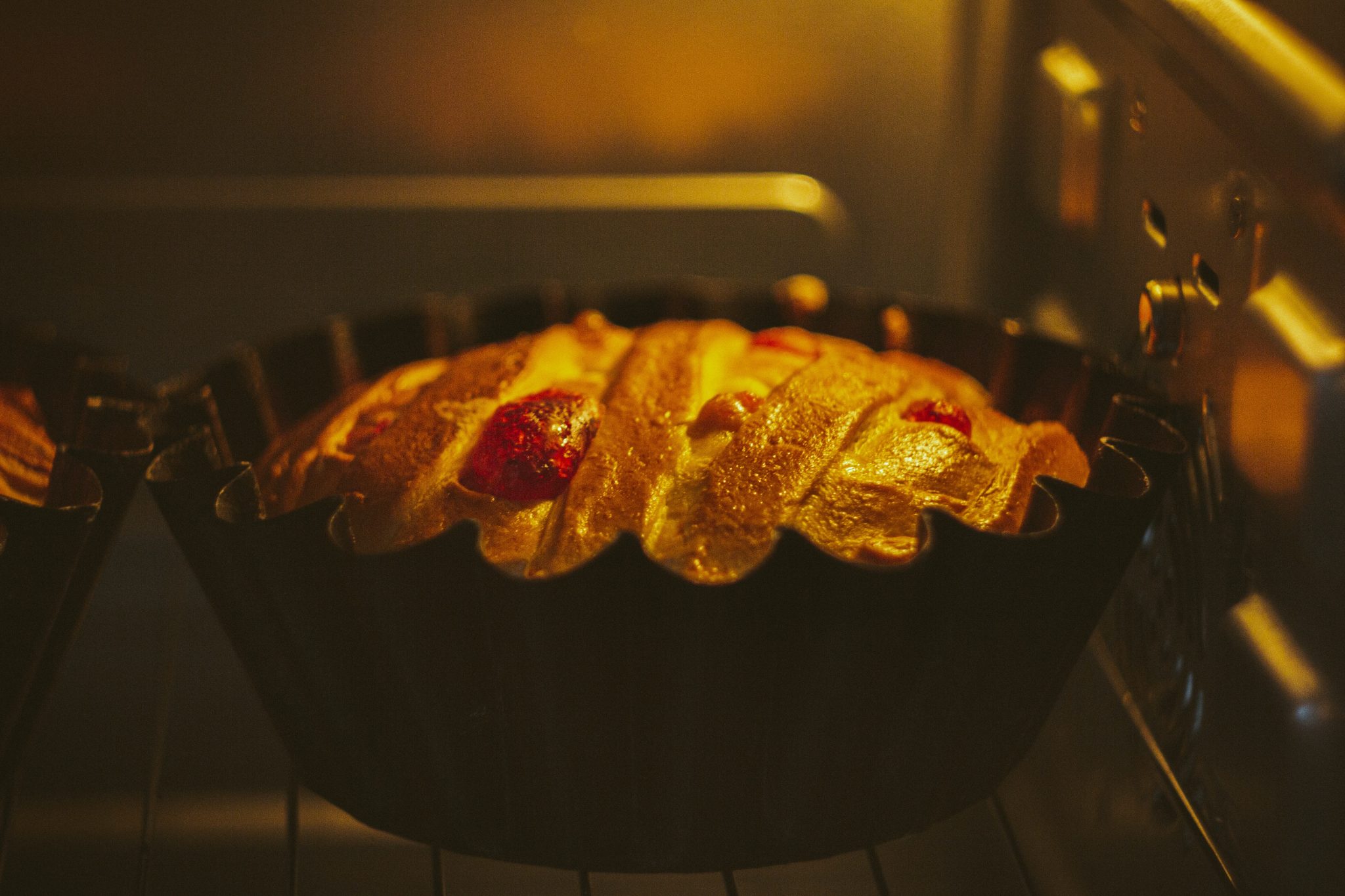
Shepherd's pie, chicken pot pie, quiche – these savory delights deserve their moment in the oven, too! The principles are similar to fruit pies, focusing on a warm, cohesive filling and a crisp, golden crust.
The Balanced Bake: Stick with the 325°F to 350°F (160°C to 175°C) range. This provides enough heat to warm the filling and ensure the pastry is properly reheated.
The Steady Reheat: For a slice, anticipate 15 to 25 minutes. You’re looking for the filling to be piping hot and any mashed potato topping to be warmed through and perhaps slightly browned. For pot pies, a gentle simmer around the edges of the filling is a good indicator.
The Oven's Personality Test: This is where getting to know your oven really pays off. Does it run hot? Does it have a "hot spot" that always burns one side? If you know your oven tends to over-brown the crust, consider starting at a slightly lower temperature and then increasing it for the last few minutes if needed. Or, as we've said, foil is your friend!
Cultural Connection: Savory pies have a rich history across many cultures. From the British meat pies to the French quiche Lorraine, they’ve been a hearty and satisfying meal for centuries, often made with whatever ingredients were readily available.
Beyond the Basics: Troubleshooting and Tips
Even with the best intentions, sometimes things don't go perfectly. Here are a few extra tips to elevate your pie reheating game:
- The Pan Matters: A sturdy baking sheet is your best friend for catching any potential drips and providing even heat to the bottom crust.
- Preheat is Key: Always, always, always preheat your oven. Putting pie into a cold oven is a recipe for soggy bottoms and uneven cooking.
- Slice Size Strategy: If you have a particularly thick slice, it might need a few extra minutes. If you have a very thin sliver, it will reheat much faster. Adjust accordingly.
- The "Fork Test": Once you think your pie is done, gently insert a fork into the filling. If it comes out hot and you can feel the filling yielding easily, it's likely ready.
- Don't Overcrowd: If you're reheating multiple slices, ensure they have some space around them in the oven for air to circulate.
- The "Is It Done?" Dilemma: If you're really unsure, err on the side of caution and reheat for a shorter time. You can always pop it back in for a few more minutes if needed. It’s harder to undo a burnt pie!
The Humble Reflection
There’s something incredibly grounding about the ritual of reheating a slice of pie. It’s a small act of self-care, a little moment of indulgence carved out of a busy day. It’s about taking something that was already good and making it perfect for this moment. Whether you’re sharing it with loved ones or savoring it solo, that warm, comforting slice is a reminder of life’s simple pleasures.
In a world that often feels rushed and chaotic, the humble act of waiting patiently for a pie to reheat in the oven can be a surprisingly effective meditation. It forces us to slow down, to engage our senses – the aroma filling the kitchen, the visual cue of a golden crust. It’s a testament to the fact that sometimes, the best things in life are worth a little bit of waiting and a whole lot of love.
So, the next time you’re faced with a slice of leftover pie, embrace the process. Know your pie, know your oven, and you’ll be rewarded with a truly sublime experience. Happy reheating!