
How Long To Leave Henna On Hair

Ah, henna. That magical, earthy paste that’s been beautifying hair for millennia, bringing rich, natural color and a dose of gorgeous shine. It’s a bit of a ritual, isn’t it? Mixing it, smelling that distinctive scent, and then the big question looms: how long do you actually leave this wondrous stuff on your hair to get that perfect shade? It’s not a one-size-fits-all kind of deal, and that’s part of its charm!
Think of it like brewing a perfect cup of tea. You wouldn't just dunk the bag and call it a day, right? You let it steep to get the full flavor. Henna is similar, but with your hair as the canvas for its botanical magic. The amount of time you leave it on is your key to unlocking different shades and intensities, from a subtle warm glow to a vibrant, fiery mane.
The Great Henna Timing Debate: It's All About Your Hair Goals
So, let's dive into the nitty-gritty. The general consensus among henna lovers, from ancient Egyptian queens to modern-day eco-conscious beauties, is that the longer you leave it on, the deeper and more intense the color will be. But there are nuances, and understanding them is where the real fun begins. It’s like being a hair alchemist, experimenting to find your perfect golden ratio.
Must Read
For a subtle tint or a warm gloss, you might only need to leave your henna mixture on for 1-2 hours. This is perfect if you’re new to henna, or if you have lighter hair and want to just add a touch of richness and shine without a drastic change. Think of it as a dewy highlight, a whisper of warmth that catches the light beautifully. It’s less commitment, more of a gentle introduction to the world of natural hair color.
If you’re aiming for a more noticeable color deposit, a richer auburn, or a deeper copper, then you’re looking at a longer soak. Many people find that leaving henna on for 3-4 hours yields fantastic results. This is a sweet spot for many, offering a significant color transformation without requiring an entire day dedicated to your hair. This timeframe allows the lawsone molecule in the henna to really bind with your keratin, giving you that gorgeous, lasting hue.
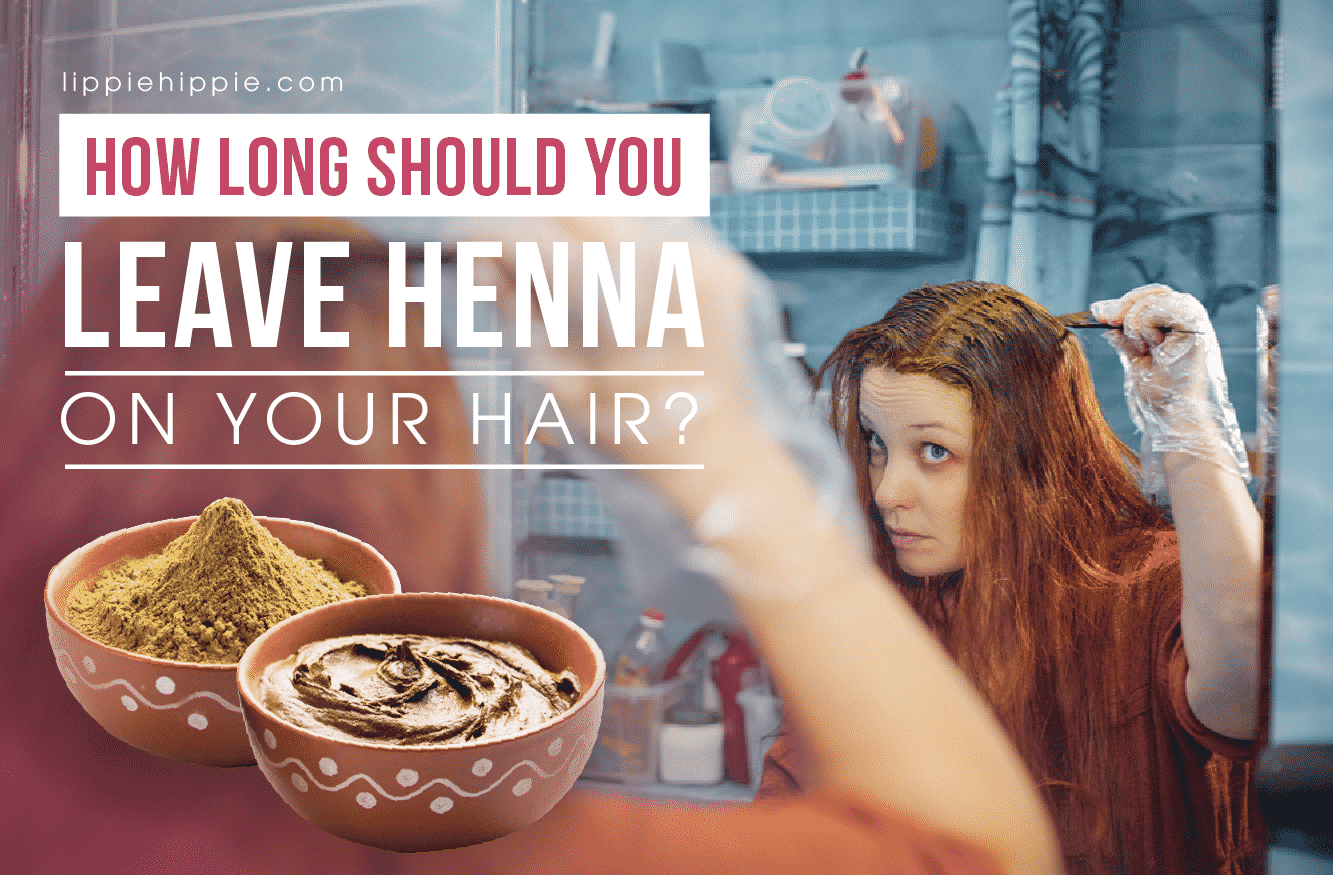
Now, for the bold and the beautiful, the ones who crave that deep, dark, almost burgundy or mahogany tone, or who have very resistant gray hair to cover, the recommendation often jumps to 4-8 hours, or even overnight. Yes, you read that right! Sleeping with henna is a thing, and for some, it’s the secret to achieving those incredibly rich, multi-dimensional shades. It’s a commitment, for sure, but the payoff can be absolutely stunning. Imagine waking up with hair that looks like it was kissed by a Tuscan sunset!
Factors That Influence Your Henna Timing
But wait, there’s more! It’s not just about the clock. Several other factors play a crucial role in how long you should leave your henna on:

- Your Natural Hair Color: This is perhaps the biggest influencer. Henna is a dye, not a bleach. It deposits color onto your existing hair. So, on dark hair, you’ll see more of a tint and shimmer, while on lighter hair, the color will be much more pronounced. A lighter brown might go to a lovely auburn, while blonde can become a fiery red.
- Your Hair Porosity: This refers to how well your hair absorbs and retains moisture. Highly porous hair (often damaged, chemically treated, or naturally fine) tends to absorb color more quickly and deeply. You might find you need less time. Low porosity hair (often healthy, smooth, and resistant) may take longer to absorb the dye, requiring a longer application time.
- The Quality and Type of Henna: Not all henna is created equal. 100% pure, body-art quality (BAQ) henna is the gold standard. If you’re using a compound henna product that contains metallic salts or other additives, the timing might be different, and frankly, it’s generally best to avoid those for hair coloring.
- The Mix: The other ingredients you add to your henna paste can also subtly influence the color and how quickly it binds. For instance, adding acidic liquids like lemon juice or apple cider vinegar can help release the dye molecules, potentially speeding up the process or deepening the color.
- The Temperature: Warmer temperatures generally encourage the dye release and binding process. If you’re doing your henna on a chilly day, you might need to extend your application time.
Practical Tips for Your Henna Marathon
So, you’ve decided on your target shade and your approximate timing. Now, let’s get practical. Because let’s be honest, wearing a paste on your head for hours requires a bit of planning and a good attitude.
- Prep is Key: Before you even open your henna, make sure your hair is clean and free of styling products. A good wash a day or two beforehand is ideal.
- Protect Your Space: Henna stains! Wear old clothes, lay down newspaper or old towels on the floor and surfaces, and have petroleum jelly or a thick balm ready to protect your hairline, ears, and neck.
- The Wrap Game: Once your henna is applied, you’ll want to wrap your hair snugly but comfortably. Plastic wrap or a shower cap works wonders. This keeps the paste moist, which is crucial for the dye to bind effectively. Some people also like to add a warm towel or beanie over the plastic wrap for extra insulation.
- Distraction is Your Friend: Whether you're going for 2 hours or 8, you’ll need ways to pass the time. Binge-watching your favorite show, diving into a good book, listening to podcasts, or even doing some light chores (carefully!) can make the time fly. Think of it as a mandatory self-care spa day.
- Rinsing Ritual: Rinsing henna can be an adventure! Be patient. Use lukewarm water and rinse until the water runs clear. Conditioner is your best friend here to help loosen the henna and make rinsing easier. Some people avoid shampoo for 24-48 hours after rinsing to let the color fully oxidize and deepen.
Fun Henna Facts to Ponder
Did you know that the dye molecule in henna is called lawsone? It’s a bright orange-red pigment that binds to the keratin in your hair. This is why henna is essentially a permanent dye – it’s incredibly difficult to remove without damaging your hair. It’s nature’s way of giving you a long-lasting, beautiful transformation.

Historically, henna has been used for much more than just hair. In many cultures, like those in North Africa, the Middle East, and South Asia, intricate henna designs, known as mehndi, are applied to the skin for celebrations like weddings, festivals, and religious ceremonies. The temporary skin art is believed to bring blessings, good fortune, and protection. It’s a deeply rooted tradition, a vibrant expression of art and culture.
The color you get from henna depends on its origin. Henna from Rajasthan in India is known for producing rich, coppery reds, while henna from Yemen is often cited for its deeper, browner tones. So, the source of your henna can even play a subtle role in the final shade!

It's fascinating to think that we're using a plant that has been revered for its beautifying properties for thousands of years. From the Pharaohs of ancient Egypt to the women of the Silk Road, henna has been a constant in the pursuit of natural beauty and self-expression.
A Moment of Reflection
In our fast-paced world, taking the time to nurture our hair with something as natural and time-honored as henna can feel like a small act of rebellion, a deliberate pause. It’s a chance to disconnect from the digital noise and reconnect with a more ancient, grounded form of beauty. The hours spent with henna on your head are not just about achieving a beautiful color; they’re about embracing patience, about the mindful ritual of self-care. It’s a reminder that some of the most rewarding transformations take time and a little bit of intentional waiting.
So, the next time you’re contemplating a hair color change, consider the gentle power of henna. Experiment with the timing, embrace the process, and enjoy the beautiful, natural results. Your hair, and perhaps even your soul, will thank you for it.

