How Long Is A Cow Pregnant For
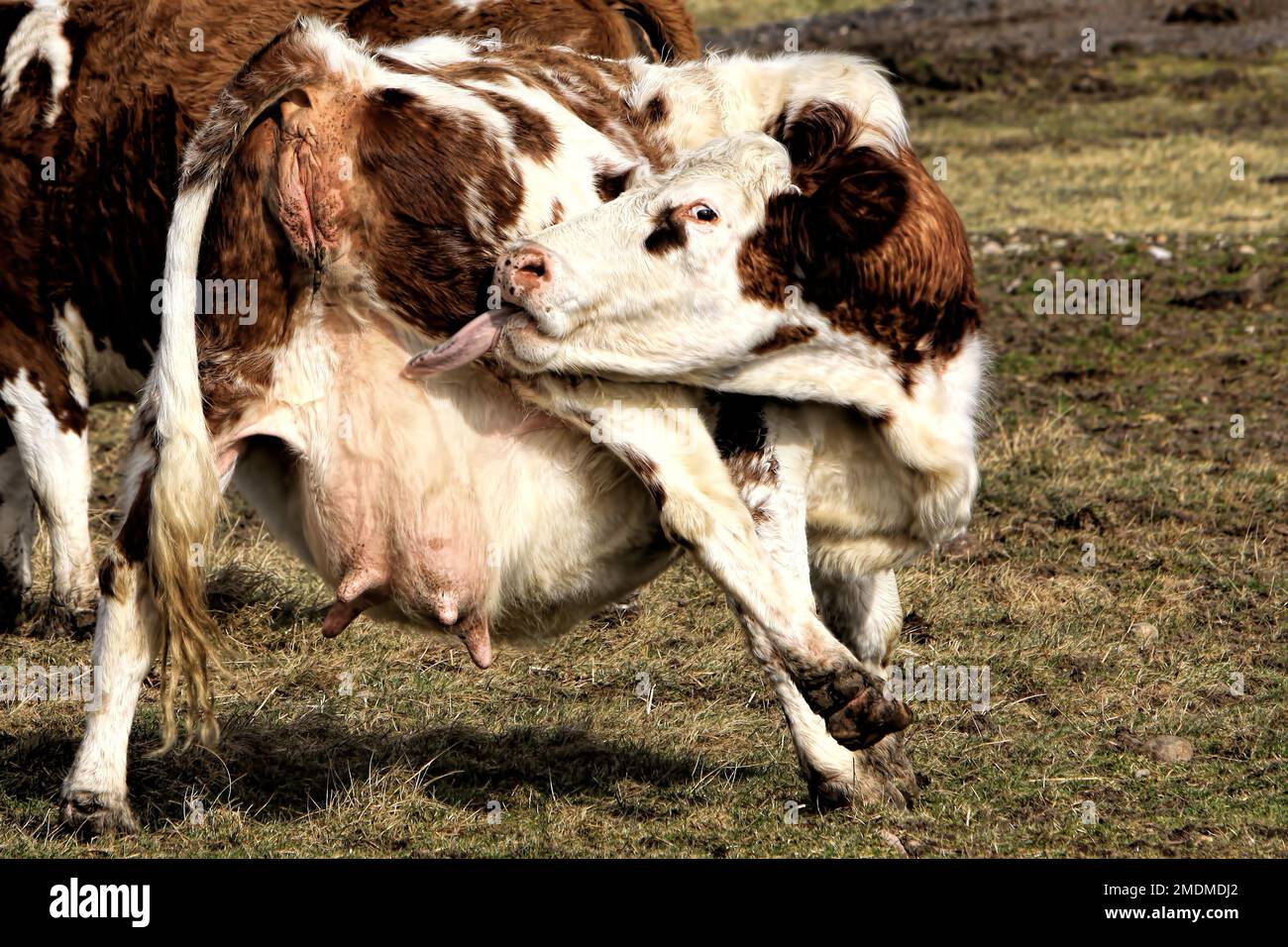
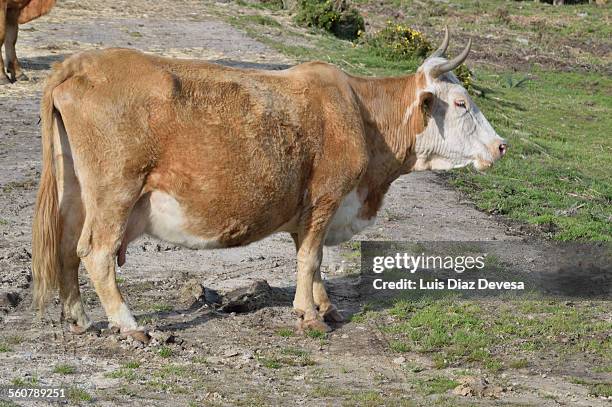
Hey there, future cow connoisseur! Ever find yourself gazing at a particularly plump cow in a pasture and wondering, "What's going on under there? Is she just enjoying a really big lunch, or is she expecting a little moo-ver?" Well, buckle up, buttercup, because we're about to dive into the fascinating, and surprisingly consistent, world of cow pregnancies. Think of it as nature's slow-cooker, but instead of a delicious stew, you get a brand-new baby bovine! So, grab your favorite beverage – maybe a nice cold glass of milk, just for irony’s sake – and let’s get started on this udderly interesting topic!
First things first, when we talk about how long a cow is pregnant, we're talking about the gestation period. It's a fancy word, I know, but it just means the time from when the cow gets pregnant until she has her calf. And get this, it's pretty darn specific. It’s not like humans where we hear “around nine months” and then people start guessing birthdays. Cows are way more punctual. They're like, "Yep, exactly this long, thank you very much."
So, drumroll please… a cow’s gestation period is, on average, about 283 days. Now, 283 days might sound like a random number. It’s not like a neat little six months or a year. It’s just… 283. But here’s where it gets even cooler: that’s roughly nine months and a bit. See? Nature has a sense of humor, giving us a familiar ballpark figure while still keeping things precise. It’s like when you’re baking a cake and the recipe says "bake for 30-35 minutes." Cows are more like, "bake for exactly 32 minutes and 17 seconds." Okay, maybe not that precise, but you get the idea!
Must Read
Now, why 283 days? Honestly, that’s a question for the evolutionary biologists, but it’s the timeframe that works perfectly for a calf to develop from a tiny little zygote into a robust, ready-to-explore little creature that can stand up and maybe even chase its mom within hours of being born. Imagine trying to pop out a fully-formed calf after only six months. Ouch! And a whole two years? We'd have some seriously giant babies running around!
You might be thinking, "Okay, 283 days, got it. Is that it?" Well, like most things in life, there's a little wiggle room. The range can be anywhere from about 279 days to 287 days. So, if you’re keeping track of a pregnant cow, don't panic if she’s a day or two early or late. It’s still within the normal range. Think of it as the difference between a perfectly timed alarm clock and one that’s maybe a minute or two off. It’ll still get you up!
What influences this range, you ask? Great question! A few things can play a role. For starters, the breed of the cow can make a slight difference. Some breeds tend to have slightly longer or shorter gestation periods. It's like how different dog breeds have different average lifespans – it’s just part of their genetic makeup. For example, dairy breeds might have a slightly different average than beef breeds. It’s not a huge difference, mind you, we’re talking a few days here and there, not weeks.
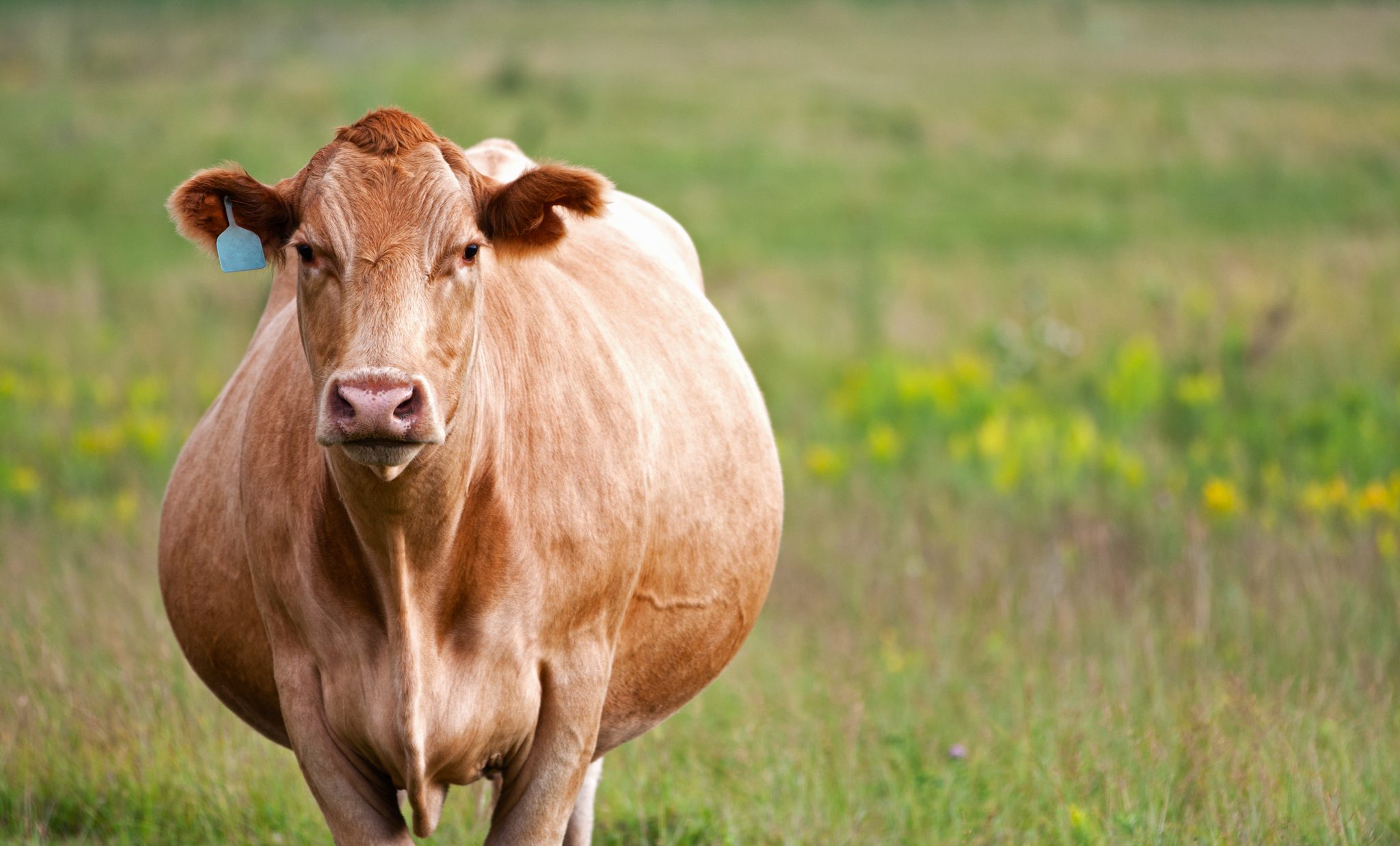
Another factor can be the sex of the calf. This is where things get really interesting and a bit quirky. It turns out that bull calves (male calves) tend to be born slightly earlier than heifer calves (female calves). So, if you’re trying to guess if it’s going to be a boy or a girl, and you're really patient, you could try timing things! Though, I wouldn't recommend it as a primary prediction method. There are usually a few more reliable ways to figure that out!
And then there’s the nutrition and overall health of the cow. A well-fed, healthy momma cow is more likely to have a pregnancy that stays right on track. If a cow is stressed, not getting enough good food, or has some health issues, it could potentially affect the length of her pregnancy, though usually the body is pretty good at managing this. It's like how you feel better and more prepared for things when you're eating well and getting enough sleep. Your body just works better!
So, let's break down that 283 days into something a little more digestible. If you want to think of it in weeks, that’s about 40 weeks. Sound familiar? Yep, that's pretty much human pregnancy length too! Isn't that neat? It’s like nature decided that nine months is the magic number for developing a sophisticated mammal. I guess we’re all on a similar cosmic schedule!
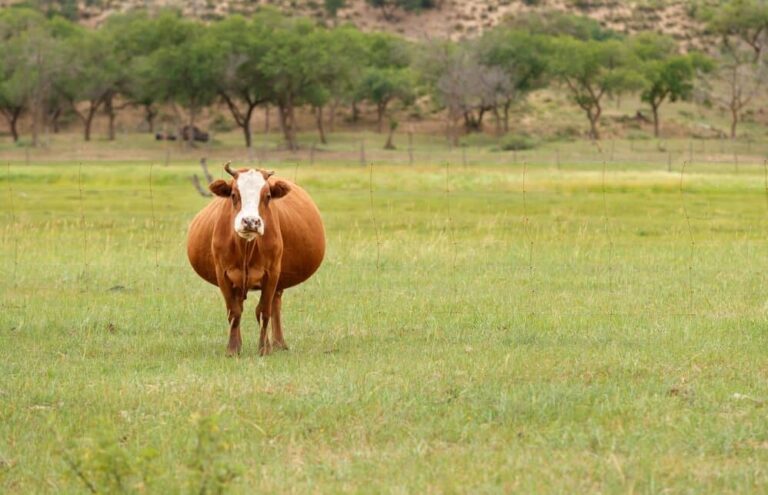
Now, how do farmers actually know when a cow is pregnant and when she might be due? Well, that's where a bit of science and a lot of observation come in. Farmers often keep really detailed records. They know when a cow was in heat (the time she’s receptive to breeding) and when she was bred. From that breeding date, they can calculate an estimated due date. So, that 283-day figure becomes a really important number in their world.
Veterinarians can also perform pregnancy checks using ultrasound or palpation (that’s a fancy word for feeling around!). This helps confirm the pregnancy and can sometimes give a more accurate estimate of the due date, especially if the exact breeding date is uncertain. It’s like getting an early scan to see how your little one is developing. So much technology these days!
What about the actual process of giving birth, or calving? It’s a whole event! Usually, a cow will start showing signs a day or two before she’s due. She might become restless, wander off from the herd a bit (looking for a quiet, safe spot), and her udder will likely become noticeably fuller. She might also seem a little “off” or less interested in eating.

The actual labor can vary, but often the first stage involves dilation of the cervix, and you might not see much outwardly happening. Then comes the active pushing stage, where you’ll see the water bag (called the amniotic sac) appear, followed by the calf’s front hooves and nose. It’s pretty incredible to witness, and the cow is usually doing most of the work herself. They’re tough ladies!
It's important to remember that while 283 days is the average, nature is always full of surprises. Sometimes, things happen a little differently. If a calf is born significantly early or late, a vet might get involved to make sure everything is okay. But for the most part, cows are masters of their own biological clocks, ticking away those 283 days with remarkable accuracy.
So, the next time you see a cow with a bit of a rounded belly, you can impress your friends with your newfound knowledge. You can casually say, "Ah, yes, she's probably about halfway through her 283-day gestation period. Fascinating, isn't it?" They’ll be amazed by your bovine expertise. You might even get a standing ovation from the other cows, though that’s less likely.

The whole process, from conception to that first wobbly calf step, is a testament to the incredible resilience and efficiency of nature. It’s a carefully orchestrated dance of hormones, biology, and instinct that culminates in the creation of new life. And it all happens within that remarkable 283-day window. It’s a cycle that has been happening for millennia, providing us with milk, beef, and, of course, adorable baby calves.
There’s something truly heartwarming about watching a cow carry her calf and then finally see that little bundle of joy make its grand entrance into the world. It’s a reminder of the simple, powerful beauty of life unfolding. So, whether you’re a farmer, a curious observer, or just someone who enjoys a good fact about farm animals, the length of a cow’s pregnancy is a little piece of natural wonder. It’s a sign of patience, growth, and the promise of new beginnings, all wrapped up in a furry package that will soon be mooing its way into your heart!
And just like that, a new chapter begins on the farm, filled with the gentle lowing of a mother and her calf, the promise of future milkings, and the enduring cycle of life. It’s a beautiful thing, isn’t it? So, go forth and spread your cow-pregnancy knowledge! You’ve earned your moo-ster’s degree!