How Long For Lawn Seeds To Grow
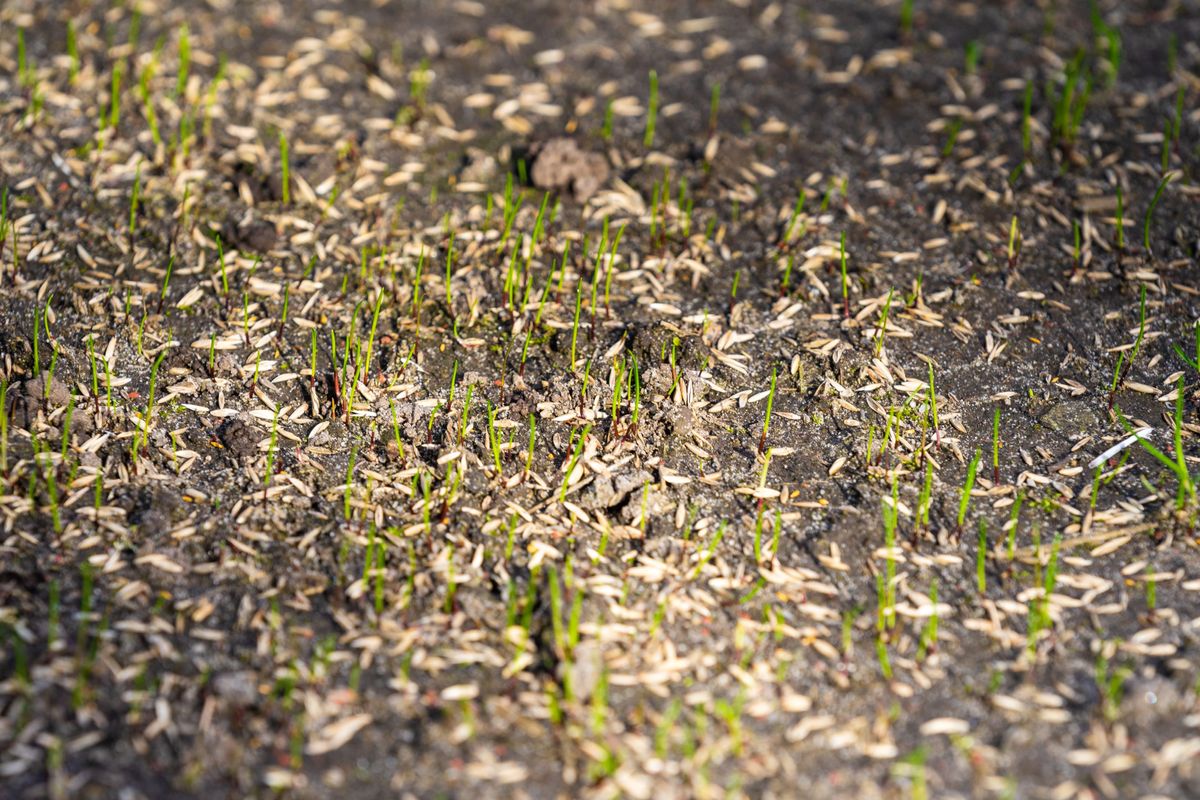
Ah, the humble seed! There's something truly magical about taking a tiny speck, tucking it into the soil, and watching it transform into lush, green life. If you've ever looked out at a patchy lawn and dreamt of a verdant carpet, then wondering "how long for lawn seeds to grow" is probably on your mind. It's a common, and dare I say, exciting question for anyone looking to spruce up their outdoor space.
Why is this topic so popular? Well, a healthy lawn isn't just pretty; it's functional! For beginners, understanding seed germination is the first step to conquering their lawn care journey. It’s about building confidence and achieving that satisfying "I did it!" moment. For families, a good lawn means a safe and inviting space for kids to play, for picnics, or even just for the dog to zoom around. Imagine the squeals of delight! And for the hobbyists out there, those who truly enjoy the rhythm of nature and the satisfaction of nurturing something from scratch, it’s a rewarding project that brings peace and a sense of accomplishment. It's a tangible way to connect with the earth right in your own backyard.
Now, let's get down to the nitty-gritty of how long it actually takes. The short answer is: it varies! Several factors play a role. Think about the type of grass seed you're using. Cool-season grasses like fescue and ryegrass tend to sprout faster, sometimes within 5 to 10 days under ideal conditions. Warm-season grasses, like Bermuda or Zoysia, can take a little longer, often needing 14 to 21 days or even more. Then there's the temperature. Most seeds have a preferred temperature range for germination. Too hot or too cold, and they'll hold their breath and wait!
Must Read
Another key player is moisture. Seeds need consistent dampness to wake up and start growing. If the soil dries out too much, germination can be delayed or even fail. And let's not forget the soil preparation. Loosening the soil and ensuring good seed-to-soil contact is crucial. Think of it like giving the seeds a cozy bed to sprout in.


For those eager to get started, here are a few simple, practical tips. First, choose the right seed for your climate and soil. A quick trip to your local garden center can help you find the best options. Second, prepare your soil by removing weeds and debris, and gently loosening the top layer. Third, sow the seeds evenly, following the package directions for depth and spacing. Finally, and perhaps most importantly, keep the seeded area consistently moist, especially during the first few weeks. A gentle watering can or a sprinkler on a fine mist setting is perfect.
So, how long for lawn seeds to grow? While there's no single magic number, understanding the variables brings you closer to that green dream. The wait might be a few days, or a couple of weeks, but the payoff of seeing those tiny sprouts emerge and develop into a beautiful lawn is truly worth it. It’s a simple pleasure, a rewarding project, and a fantastic way to enhance your home.