How Long Does Ice Take To Melt

Ever found yourself staring at a frosty cube in a drink, wondering just how long it’ll keep things perfectly chilled? Or perhaps you’ve planned an outdoor picnic, meticulously calculating the lifespan of your ice packs? The humble melting of ice is a surprisingly fascinating and incredibly useful phenomenon. It’s a topic that touches everything from keeping your beverages refreshingly cold to understanding the larger forces at play in our environment. So, let’s dive into the wonderful world of melting ice and uncover the secrets behind its journey from solid to liquid.
Understanding how long ice takes to melt isn’t just a parlor trick; it has practical applications all around us. For home entertainers, it’s about serving drinks at the ideal temperature – not too watery, not too warm. For campers and hikers, it’s about preserving food and drinks on the go. Even in the professional world, from shipping temperature-sensitive goods to designing cooling systems, the science of ice melt is crucial. Plus, on a grander scale, watching ice melt gives us a tangible connection to climate change, helping us visualize the impact of rising temperatures on our planet’s frozen landscapes.
The Big Players: Factors Affecting Ice Melt
So, what makes one ice cube vanish in minutes while another seems to defy the clock? It’s a delightful dance of science, and several key players are involved:
Must Read
- Temperature: This is the undisputed champion of ice melt. The warmer the surrounding air, the faster heat transfers to the ice, accelerating its transformation. Think of a hot summer day versus a cool autumn evening – the difference is dramatic!
- Surface Area: This is all about exposure. A large, flat ice sheet will melt faster than a perfectly spherical ice ball of the same weight. Why? Because more of its surface is in contact with the warmer environment. Imagine trying to toast a marshmallow: a whole marshmallow takes longer than a smashed one!
- Shape: Related to surface area, the shape of your ice matters. Irregularly shaped ice, like crushed ice or icicles, will melt faster than a solid block due to their increased surface-to-volume ratio.
- Purity: Believe it or not, what’s in the ice can affect its melting point. Pure water ice melts at 0°C (32°F). However, impurities like salt or sugar lower the freezing point. This is why salted roads melt ice more effectively in winter. Your ice cubes, if made with tap water, might have tiny dissolved minerals that slightly alter their melting behavior.
- Airflow: A gentle breeze can significantly speed up melting. Moving air carries away the layer of meltwater that forms on the ice’s surface, allowing fresh, warmer air to constantly interact with the ice. This is why ice melts faster on a windy day than in still air.
- Direct Sunlight: Sunlight adds another layer of heat. If your ice is exposed to direct sunbeams, it’s essentially getting a double dose of warmth – from the air and the sun – leading to a much quicker melt.
- Contact with Liquids: Ice placed in a liquid, like a drink, will melt faster than ice sitting in air. The liquid is often at a higher temperature than the air and provides excellent thermal conductivity, efficiently transferring heat to the ice.
A Little Science, A Lot of Fun
The process itself is called phase transition, specifically melting. When ice absorbs enough thermal energy (heat), its molecules gain enough kinetic energy to break free from their rigid, crystalline structure and begin to flow as a liquid. It’s a beautiful illustration of how energy influences matter.
So, the next time you’re enjoying a cold drink or packing a cooler, take a moment to appreciate the science at play. The melting of ice is a constant, fascinating process that shapes our world in countless ways. Whether it’s a single ice cube in your glass or a vast glacier responding to a changing climate, the journey from solid to liquid is a story worth watching!
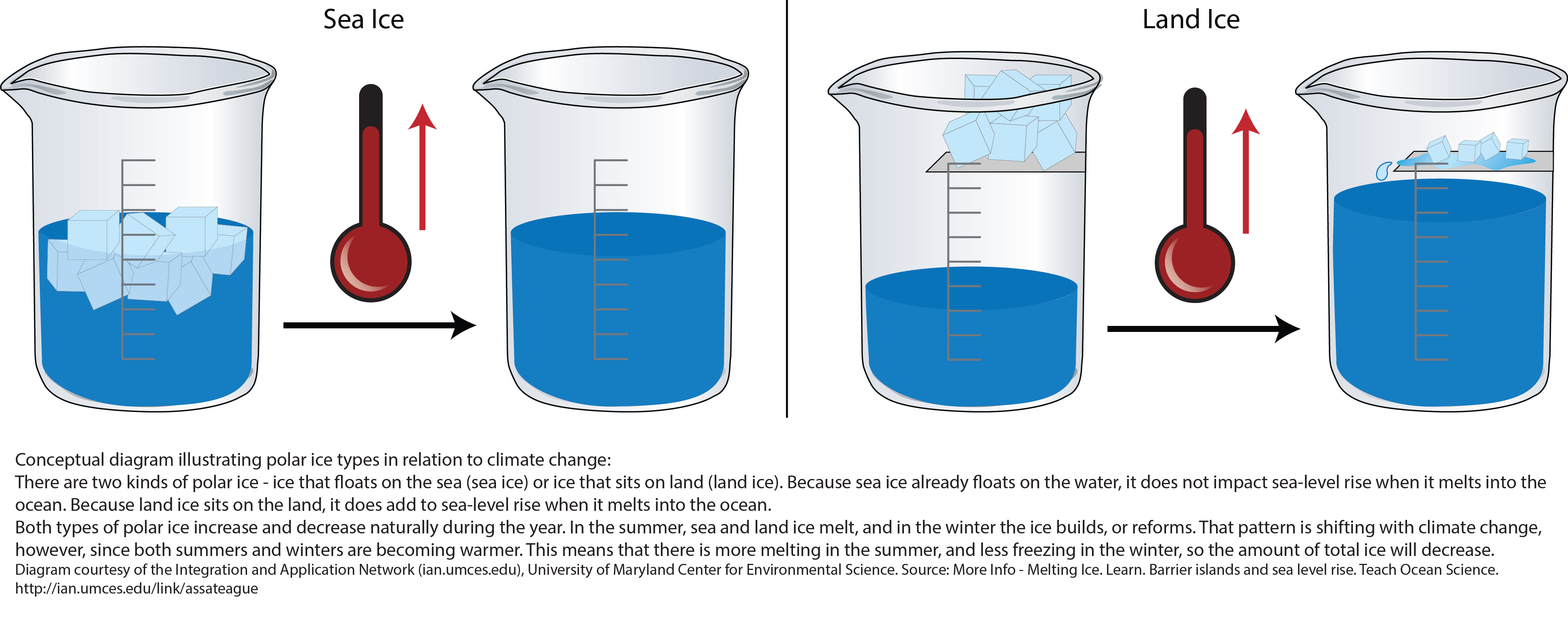
The rate at which ice melts is a complex interplay of environmental factors, making each melting scenario unique and fascinating.
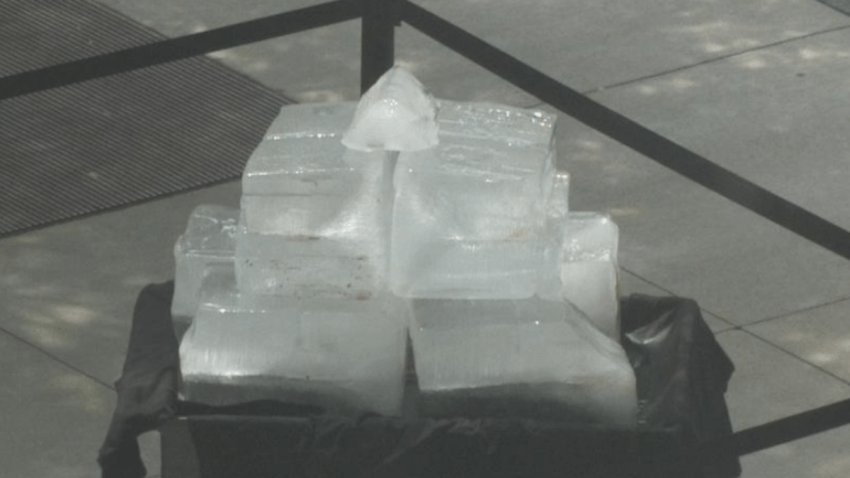
Think about your last barbecue. You’ve got a cooler packed with ice to keep the drinks frosty. The ambient temperature on a sunny day is high, let’s say 30°C (86°F). The cooler itself might be sitting in direct sunlight, adding even more heat. Inside the cooler, there’s a good amount of airflow as you open and close it to grab refreshments. The ice cubes, likely made from tap water, are exposed to the warmer air and the condensation forming on the cooler’s walls. If you’re using an open-top cooler, the breeze will directly hit the ice, whisking away any meltwater. In this scenario, those ice cubes are in for a rapid melt!

Now, consider a different situation: a large block of ice, perhaps 5kg (11 lbs), wrapped in a thick blanket and placed in a shady spot at 15°C (59°F). The blanket acts as an insulator, significantly slowing down heat transfer. The limited airflow and cooler temperature mean the ice is much more protected. This block might last for many hours, even days, whereas the smaller cubes in the open cooler could be gone in a couple of hours. It’s all about the balance of heat gain versus the ice’s ability to stay frozen.
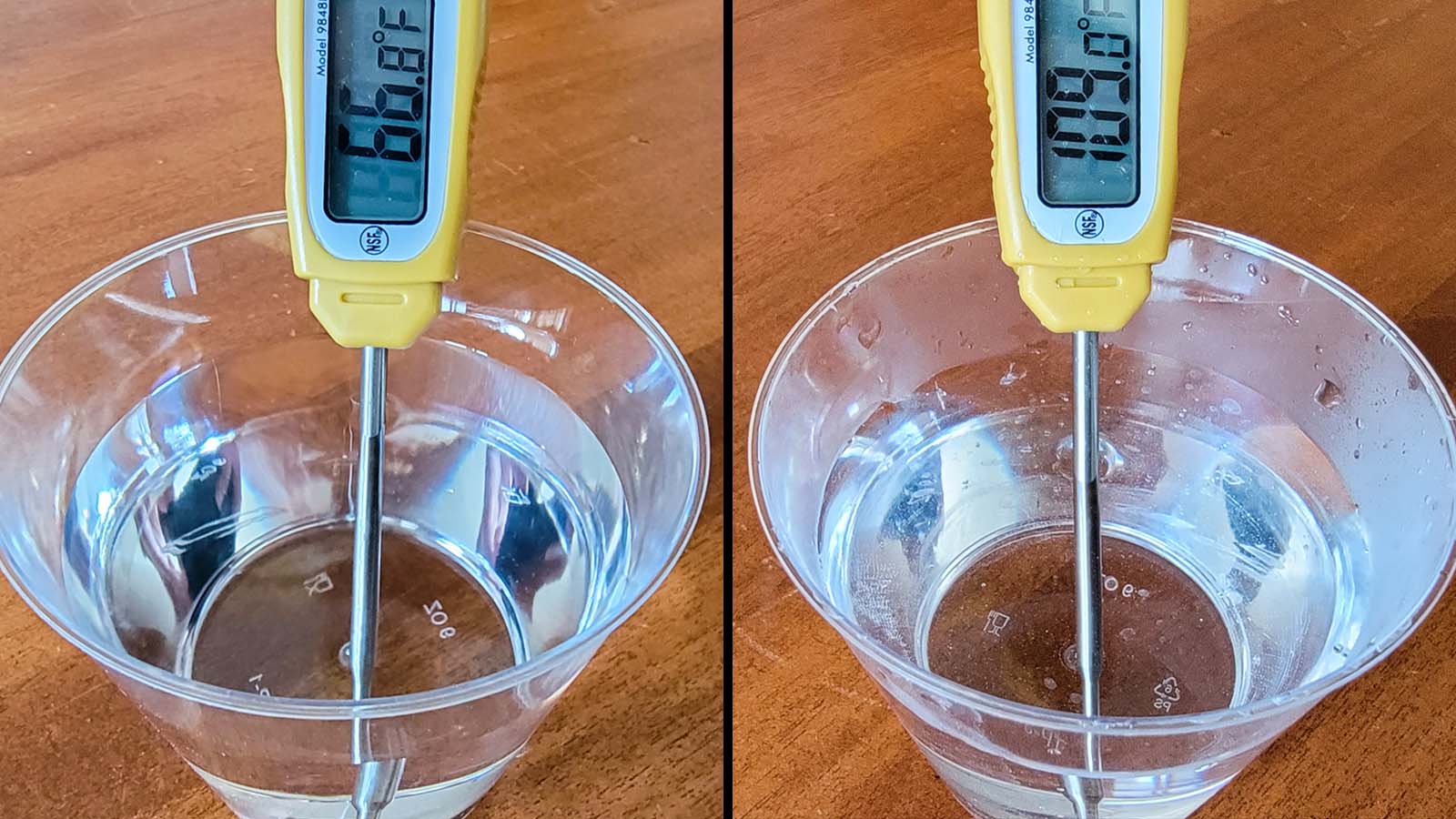
Let’s get a bit more specific. A standard ice cube, typically around 25 grams (0.9 oz), in a glass of room-temperature water (around 20°C or 68°F) will usually melt within 15 to 30 minutes. This is because the water is a much more efficient conductor of heat than air, and its temperature is significantly above freezing. If that same ice cube were just sitting on a plate in a 20°C room with no airflow, it might take an hour or more.
The shape also plays a role. A crushed ice pile, despite having the same total mass as a block, will melt much faster. This is because the exposed surface area is astronomically larger. Imagine trying to melt a whole sugar cube versus a spoonful of granulated sugar – the granulated sugar dissolves almost instantly. The same principle applies to ice.
Understanding these factors allows us to make informed decisions. If you’re planning a long trip and need ice to last, you’d opt for larger blocks, insulate them well, keep them in the shade, and minimize opening the container. For a quick party where you want your drinks perfectly chilled for a few hours, smaller cubes in a well-iced cooler might be just right. It’s a fun little experiment you can even conduct yourself, observing how different conditions change the melting time.
The world of melting ice is a constant reminder of the dynamic nature of our planet. From the everyday satisfaction of a cold drink to the profound implications for our climate, the simple act of ice turning to water is a powerful and engaging phenomenon. So, next time you see ice melting, remember the fascinating science behind it – it’s more than just a disappearing act, it’s a story of energy, environment, and the ever-changing state of H₂O!