How Long Does A Xmas Tree Last

Ah, the Christmas tree. That fragrant, majestic centerpiece of our holiday dreams. It arrives, often with a flourish and a flurry of pine needles, ready to be adorned with twinkling lights, shimmering baubles, and perhaps a few questionable homemade ornaments from yesteryear. But as the festive season ebbs and flows, a quiet question often emerges, usually around the time we're contemplating a second helping of gingerbread cookies: "Just how long is this beautiful fir, spruce, or pine going to last?"
It’s a question that carries a certain weight, isn't it? We invest time, effort, and a little bit of holiday magic into finding "the one," wrestling it home, and coaxing it into its rightful place. The thought of its inevitable decline can be a tad melancholic, a gentle reminder of time’s passage even amidst the joyous chaos of December.
But fear not, fellow revelers! Understanding the lifespan of your Christmas tree isn't about hastening its demise; it's about maximizing its festive glory and perhaps even prolonging that warm, fuzzy feeling just a little bit longer. Think of it as a culinary approach to evergreen care – a dash of this, a sprinkle of that, and a whole lot of love.
Must Read
The Natural Lifespan: From Forest Floor to Festive Floor
Let's start with the basics. When you bring a tree home, it's already embarked on a journey. Most Christmas trees are harvested in the fall, typically October or November, and then shipped out to retailers. This means that by the time it graces your living room, it's already had a bit of a head start on its clock.
Generally speaking, a freshly cut Christmas tree can last anywhere from four to six weeks indoors, provided it receives proper care. This is a good baseline, but like any good story, there are nuances.
The species of tree plays a significant role. Think of it as the tree's natural personality. Some are naturally more robust and long-lasting than others. Let's break down a few of the usual suspects:
The Steadfast Species
- Fraser Fir: Often hailed as the king of Christmas trees, the Fraser Fir is a popular choice for a reason. It boasts excellent needle retention, a pleasant fragrance, and a strong, symmetrical form. With proper care, these trees can easily last five to six weeks. They’re the reliable friend of the Christmas tree world, always showing up and looking good.
- Balsam Fir: Another fragrant favorite, the Balsam Fir is known for its deep green color and wonderful pine scent. While slightly less tenacious with needle retention than the Fraser, a well-watered Balsam Fir can comfortably last four to five weeks. Imagine that scent filling your home – it’s practically a holiday tradition in itself.
- Douglas Fir: These trees are widespread and often more affordable. They offer a lovely fragrance and a classic Christmas tree shape. Their lifespan is typically in the four to five week range, but again, hydration is key.
The More Delicate Divas
- Noble Fir: Known for its beautiful, layered branches and sturdy structure, perfect for heavier ornaments. Noble Firs can have good needle retention, usually lasting around four weeks. They’re the ones that feel a bit more "boutique."
- White Pine: These trees have softer needles and a less intense fragrance, but they offer a beautiful, flowing look. White Pines tend to shed their needles a bit more readily than their fir cousins, making them more in the three to four week lifespan category. They're the free spirits of the tree world.
- Scotch Pine: A classic choice, Scotch Pines are known for their strong branches and excellent needle retention, often lasting up to six weeks. Their needles are a bit stiffer, making them a great choice for holding up those heirloom ornaments.
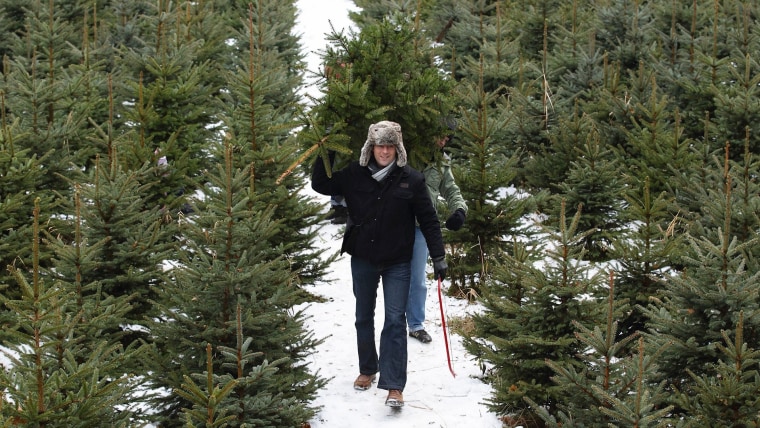
Of course, these are estimates. A tree harvested closer to when you buy it will, by definition, last longer than one that has been sitting in a lot for several weeks. This is where the "freshness test" comes in. When you're at the tree lot, give the branches a good shake. If a lot of needles fall off, it’s probably past its prime. Also, bend a needle back. If it snaps cleanly, that’s a good sign of freshness. If it bends without breaking, it's likely drying out.
The Secret Weapon: Water, Water, Everywhere!
You’ve heard it a million times, and for good reason: water is the single most important factor in keeping your Christmas tree alive and well, or at least, looking alive and well. A Christmas tree is a living organism, and even after it's been cut, it continues to draw moisture.
Here's the science bit, made easy: When a tree is cut, the sapwood is exposed. This is where the tree would have drawn water from the soil. A tree can lose up to a quarter of its weight in water in the first 24 hours after being cut! That's a lot of hydration we need to replace.
The Golden Rule: As soon as you get your tree home, make a fresh cut of about one to two inches off the base of the trunk. Why? Because during transportation and handling, the sap can seal the end of the trunk, preventing it from absorbing water. This fresh cut reopens those pathways.
The Stand Strategy: Use a sturdy Christmas tree stand that can hold a good amount of water. Don't just eye it up; measure it! A general rule of thumb is that a tree needs about one quart of water per inch of trunk diameter per day. So, a 6-inch diameter tree might need up to 6 quarts a day!
The Daily Check: Make it a habit to check the water level at least once a day, and refill it as needed. Never let the water level drop below the freshly cut end of the trunk. If it dries out, the sap will seal it up again, and your tree will start its rapid decline. It's like a tiny, tree-sized marathon; it needs continuous fuel.

Myth Busting: Do you need to add anything to the water? Sugar, aspirin, bleach, vodka? The short answer is no. University studies, including those by Clemson University, have shown that plain tap water is the most effective. Adding things to the water doesn't significantly improve water uptake or tree life and can sometimes even clog the tree's pores.
Beyond the Water: Other Tree-Saving Tips
While water is paramount, a few other practices can help extend your tree's vibrance and prevent it from becoming a fire hazard.
- Location, Location, Location: Keep your tree away from direct heat sources. Fireplaces, radiators, and even direct sunlight can dry out your tree much faster. Imagine wearing a wool coat next to a roaring fire – not ideal for staying fresh!
- The Acclimation Period: If your tree has been sitting in a cold lot or garage, let it acclimate indoors for a few hours before decorating. This gradual change in temperature can help it adjust and reduce needle drop. Think of it as easing into a warm bath after being out in the cold.
- Light It Wisely: Use LED lights if possible. They produce significantly less heat than traditional incandescent bulbs, which can help prevent your tree from drying out prematurely. Less heat means a happier, longer-lasting tree.
- The Shake-Off: Before bringing your tree inside, give it a good shake (or two!). This helps to dislodge any loose needles or even any tiny critters that might have hitched a ride from the tree farm. You don't want any unexpected guests joining your holiday festivities!
The Visual Clues: Knowing When Your Tree Has Seen Better Days
Even with the best care, trees will eventually show signs of their age. It’s a natural process, and there’s no shame in it. Here’s what to look out for:
- Needle Drop: This is the most obvious sign. If you're finding needles everywhere, even after regular watering, your tree is likely on its way out. A few fallen needles are normal, but a veritable carpet indicates it’s time.
- Brittle Branches: If the branches snap easily instead of bending, the tree is drying out.
- Drooping: A tree that looks sad and droopy is probably thirsty, or has been for too long.
- Lack of Fragrance: That wonderful pine scent is a giveaway. As the tree dries, the fragrance diminishes.
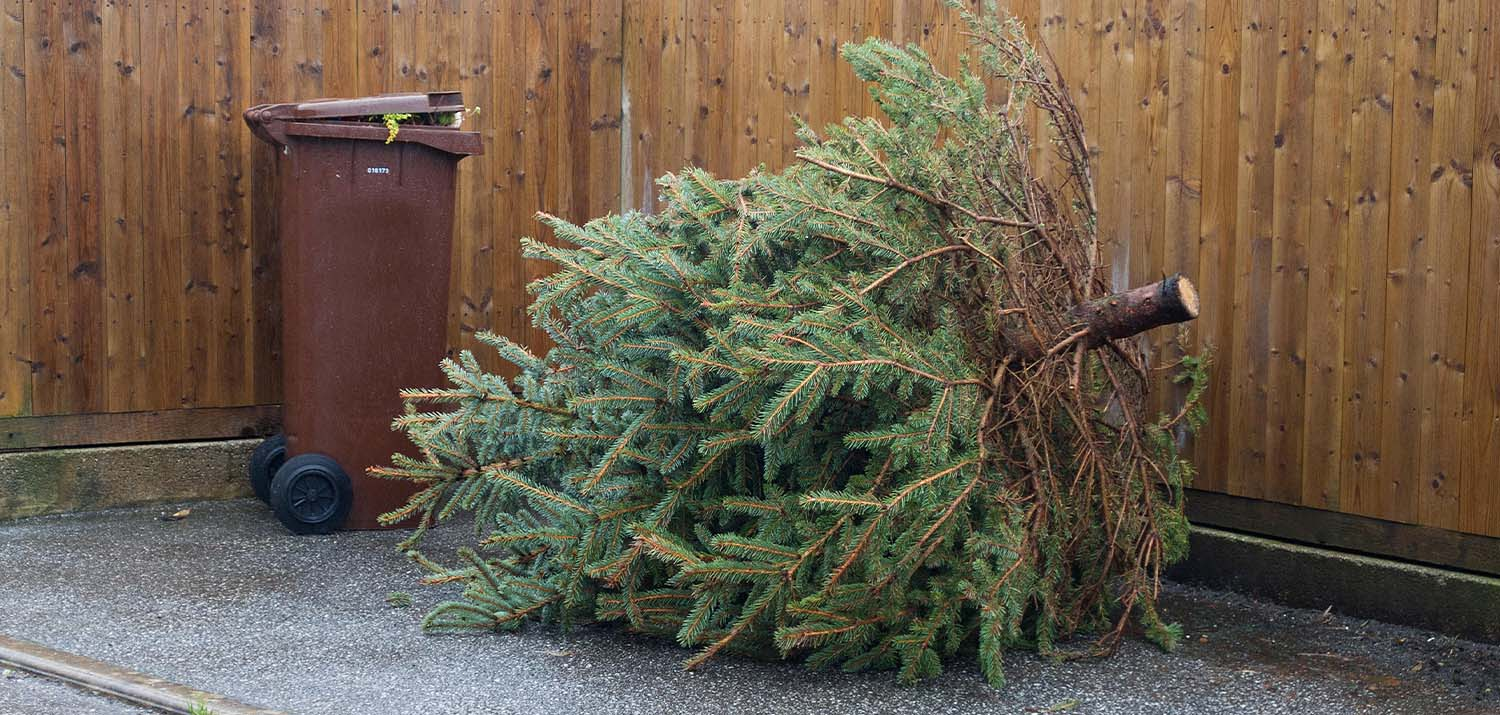
When these signs start to appear, it’s a gentle nudge that your tree’s prime has passed. It’s time to acknowledge its service and consider its departure. Many communities have tree recycling programs, turning your old tree into mulch or even providing habitat for wildlife. It’s a nice way to give your tree a final, useful purpose.
A Reflection on Evergreen Endurance
Thinking about how long a Christmas tree lasts is, in a way, a reflection on the fleeting nature of so many beautiful things in life. We savor the warmth, the light, the fragrance, and the joy it brings. And just like the tree, our own holiday cheer, and indeed, many moments of happiness, are meant to be cherished while they're at their peak, and then gracefully transitioned.
It’s a gentle reminder to be present, to water our connections, to keep our environments conducive to growth and joy, and to appreciate the beauty even as it begins to fade. So, this year, as you water your tree, perhaps take a moment to appreciate its journey and the simple yet profound act of keeping something beautiful alive for as long as possible. And remember, a well-watered tree not only lasts longer but also feels a little more… merry.