How Long Do I Keep Tax Returns
So, you’ve wrestled with tax forms. You’ve paid your dues. Now what? That stack of paper feels…permanent, doesn’t it? Like a mountain range of receipts and W-2s. But here’s a secret: it doesn't have to be. We’re diving into the thrilling, the electrifying, the utterly fascinating world of…how long to keep tax returns.
Yes, I know. It’s not exactly a beach read. But stick with me! There are more surprises here than you’d think. Think of it as a treasure hunt for your financial future. Or maybe just a way to avoid a mildly embarrassing audit.
The Great Paper Purge: When to Let Go
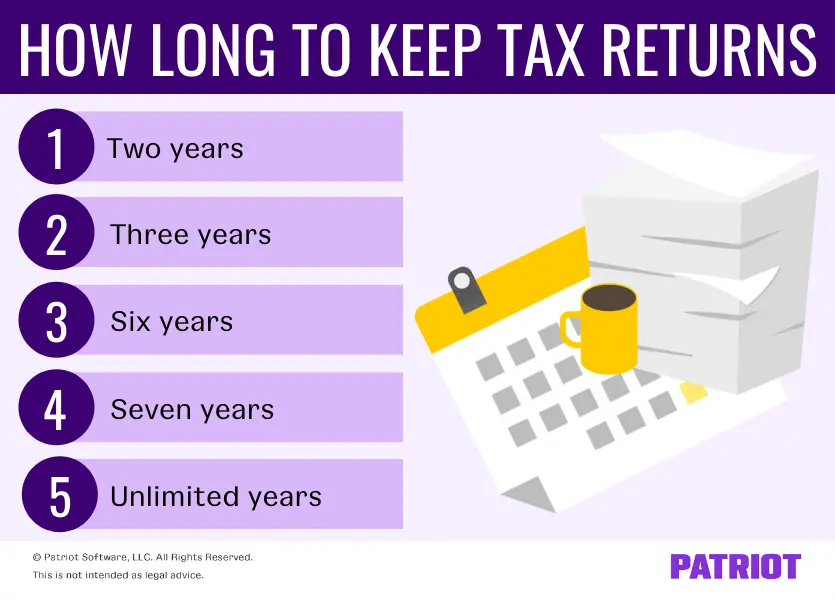
The big question looms: how long do you actually need to hold onto those precious tax documents? The general rule of thumb, the one whispered by accountants at parties (okay, maybe not parties, but you get it), is three years.
Must Read
That’s right. For most of us, three years from the date you filed your return, or the due date of the return, whichever is later, is your golden ticket. This covers the most common audit period. The IRS, bless their organized hearts, usually has a good three-year window to poke around. So, if you’re feeling anxious, this is your comfort zone.
But Wait, There’s More! The Audit Adventurer’s Guide
Now, for the thrill-seekers. What if you’re feeling particularly adventurous? Or maybe you did something a little…quirky on your taxes? Like claiming that your pet ferret was a legitimate business expense for emotional support during late-night accounting sessions. (Don't do that. Probably.)
If you reported significant income from freelance gigs, sold stocks, or have other more complex financial situations, you might want to extend your keeping-period. For substantial omissions of income – think more than 25% of your gross income – the IRS has a longer leash. They can come knocking for six years.
So, that little side hustle that turned into a big deal? Keep those records longer! It’s like giving yourself a bigger safety net. Think of it as preventative medicine for your wallet.

The “Never Throw Away” Club: When to Be a Document Hoarder
Then there are the truly special cases. These are the documents you might want to keep forever. Yes, forever. Like that weird souvenir from a vacation, but way more useful.
If you’ve ever filed a fraudulent return, or if the IRS suspects you did, they can go back as far as they want. Forever. So, honesty is definitely the best policy, both ethically and for your filing cabinet.
Another biggie: bad debt deductions. If you’ve lent money and it was never repaid, keeping records of that can be a lifesaver. You might be able to deduct it later. Think of it as an investment in future tax breaks.
And don’t forget records of assets that generate income. This includes things like real estate, stocks, and bonds. When you eventually sell these, you’ll need the purchase price and any improvements made to calculate your gains or losses. This can save you a bundle in taxes down the line. Imagine selling your house for a million dollars, only to realize you forgot to keep the receipts for that fancy new roof you put on. Ouch.
Why is This Even Fun to Talk About? The Quirky Side of Taxes
Okay, okay. Fun is a strong word. But there’s a certain satisfaction in conquering the chaos, right? It’s like solving a puzzle. Plus, who knows what financial shenanigans you might uncover in those old files?
Did you have a wild year of investing? Did you accidentally claim your cat as a dependent? (Again, don't do that.) Those old returns can be a hilarious, or at least eye-opening, trip down memory lane. It’s a snapshot of your financial evolution. From ramen noodle budgets to…slightly less ramen noodle budgets.
Think of it as a personal financial autobiography. And the longer you keep them, the more chapters you have!
The "Audit Lottery": How to Win (or at Least Not Lose)
The fear of an audit can make even the bravest soul tremble. But having your tax returns and supporting documents organized and readily available is your best defense. It’s your superpower.

Imagine this: the IRS calls. Instead of panicking and hiding under your desk, you calmly pull out the exact document they need. You’re a tax-savvy ninja. You’ve won the audit lottery. Or at least avoided a major headache.
So, holding onto your returns isn't just about following rules. It's about peace of mind. It’s about being prepared. It’s about being a responsible adult who might have once claimed their dog as a business expense for "morale boosting." (Seriously, stop doing that.)
Digital vs. Paper: The Great Storage Debate
Now, what about how you store these precious documents? The days of just stuffing them in a shoebox are…well, they’re still a thing for some, aren’t they? But there are smarter ways!
Digital is your friend. Scan everything. Save it to the cloud. Create a dedicated folder. This way, you can access your tax history from anywhere. No more digging through dusty boxes in the attic during a blizzard. Though, a dusty attic does have a certain dramatic flair.
If you’re a paper person, invest in a good filing system. Label those folders clearly. Keep them in a safe, dry place. Imagine your tax returns as tiny, important historical artifacts. Treat them with respect.
And for the love of all that is financially sound, shred documents you no longer need. Don't just toss them in the trash. Identity theft is no joke. A simple shredder can be your best friend after the keeping period expires.
A Quick Cheat Sheet: The TL;DR of Tax Retention
Okay, let’s boil it down. Because life is busy, and sometimes you just need the quick facts:
- General Rule: Keep for 3 years from filing date or due date (whichever is later).
- Substantial Income Omissions (25%+): Keep for 6 years.
- Fraud, Bad Debts, Investment Records: Keep forever (or until the asset is sold/transaction is resolved).
It's not a one-size-fits-all answer. But now you're armed with the knowledge! You can confidently decide how long to keep those tax returns. Go forth and organize! Your future, slightly less stressed self will thank you. And who knows, maybe you’ll even find that receipt for that questionable business expense from 2008. Just for a laugh, of course.