How Long Can Beer Last In A Keg

So, you've got a keg of delicious beer sitting there, looking all inviting. Maybe it's for a party, or maybe you just really like having cold beer on tap. Whatever the reason, a question might pop into your head: how long does this glorious thing actually last? It's a pretty common curiosity, right? Like, is it like milk, where you've got a few days before it turns sour, or is it more like a fine wine, just getting better with age?
Let's dive into the wonderful world of kegged beer longevity, shall we? It's not quite as simple as a "best by" date on a bottle, but thankfully, it's usually much, much longer than you might think!
The Great Keg Mystery: What Affects Beer's Lifespan?
Alright, so what are the main culprits that can shorten your beer's happy home in a keg? Think of it like this: beer is a pretty delicate ecosystem. It’s been brewed, fermented, and carefully crafted. Introducing it to the wrong conditions can mess with all that hard work.
Must Read
The biggest players in this drama are oxygen and temperature. They're like the frenemies of fresh beer. Oxygen, in small amounts, is fine during brewing. But once your beer is ready and transferred into a keg, any extra air that gets in can start to degrade it, making it taste… well, a bit stale. Think of it like leaving a slice of bread out on the counter for too long – it starts to go a little sad and chewy.
Temperature is another huge factor. Keeping your keg chilled is key. Warm temperatures are like a party for bacteria and other microbes that you really don't want in your beer. They can speed up the aging process and introduce off-flavors. So, if you’ve got that keg sitting in a sunny spot in the garage, you might be shortening its prime drinking window considerably.
How Long Does That Beer Actually Last?
Okay, down to the nitty-gritty. How long can you expect your beer to stay delicious in a keg?
For most pasteurized beers, and especially those that are carbonated and sealed properly, you're looking at a pretty impressive lifespan. Once that keg is tapped and pressurized (we'll get to that), you've generally got about 60 to 90 days where it'll taste pretty darn close to how it did when it first went in.
Think about it: that's two to three months of having fantastic beer on tap! That's enough time for a few casual get-togethers, a marathon of your favorite show, or just the everyday joy of a perfect pour.
Now, what about those delicious, unpasteurized craft brews? Those are the sensitive souls of the beer world. Because they haven't gone through that pasteurization step (which helps kill off unwanted critters), they tend to have a shorter shelf life once tapped. For these beauties, you might be looking at closer to 30 to 45 days. Still not bad, right? It just means you need to be a little more diligent about enjoying them.
Tapping into the Longevity: The Role of Your Setup
So, how do you ensure you're getting the most out of your keg? It all comes down to how you’re tapping it and keeping it cool. This is where things get really interesting, and a little bit technical, but in a good way!
The CO2 Factor: Keeping the Bubbles Happy
When you tap a keg, you're typically using carbon dioxide (CO2) to push the beer out and keep it carbonated. This is crucial! If you're using air to push your beer, you're essentially introducing that oxygen we talked about, and that’s the fast track to stale beer. So, always, always use CO2 when tapping and serving your keg.
A properly set up kegerator or draft system will maintain a consistent pressure of CO2. This not only pushes the beer out but also acts as a protective blanket, preventing oxygen from getting in. It’s like building a little fortress for your beer!
Temperature Control: The Cold, Hard Truth
We’ve harped on temperature, and for good reason. The ideal temperature for most kegged beer is somewhere between 35°F and 40°F (1.7°C to 4.4°C). This is that sweet spot where the beer stays cold, the carbonation is happy, and any unwanted microbial activity is kept to a minimum.
Think of your refrigerator or kegerator as your beer's personal spa. It’s a controlled environment where it can relax and maintain its quality. If you're taking that keg to an outdoor event, make sure you have a reliable cooler or ice bath to keep it at temperature. A warm keg is a sad keg.
What Happens When Beer Goes "Bad" in a Keg?
So, what are the tell-tale signs that your kegged beer has seen better days? It’s usually not a dramatic, “throw it away immediately!” kind of situation, but more of a gradual decline in quality.
The first thing you'll likely notice is a loss of carbonation. Your beer might go a bit flat, like a soda that's been left open overnight. Then, you might start to pick up off-flavors. These can range from a papery or cardboard-like taste (a classic sign of oxidation) to more unpleasant sour or metallic notes, depending on what’s been happening in the keg.

Visually, you might see a bit of haziness that wasn't there before, or even a bit of sediment if the beer has started to break down. But honestly, for most properly handled kegs, you'll probably finish them before they get to this stage.
The "Use It or Lose It" Philosophy
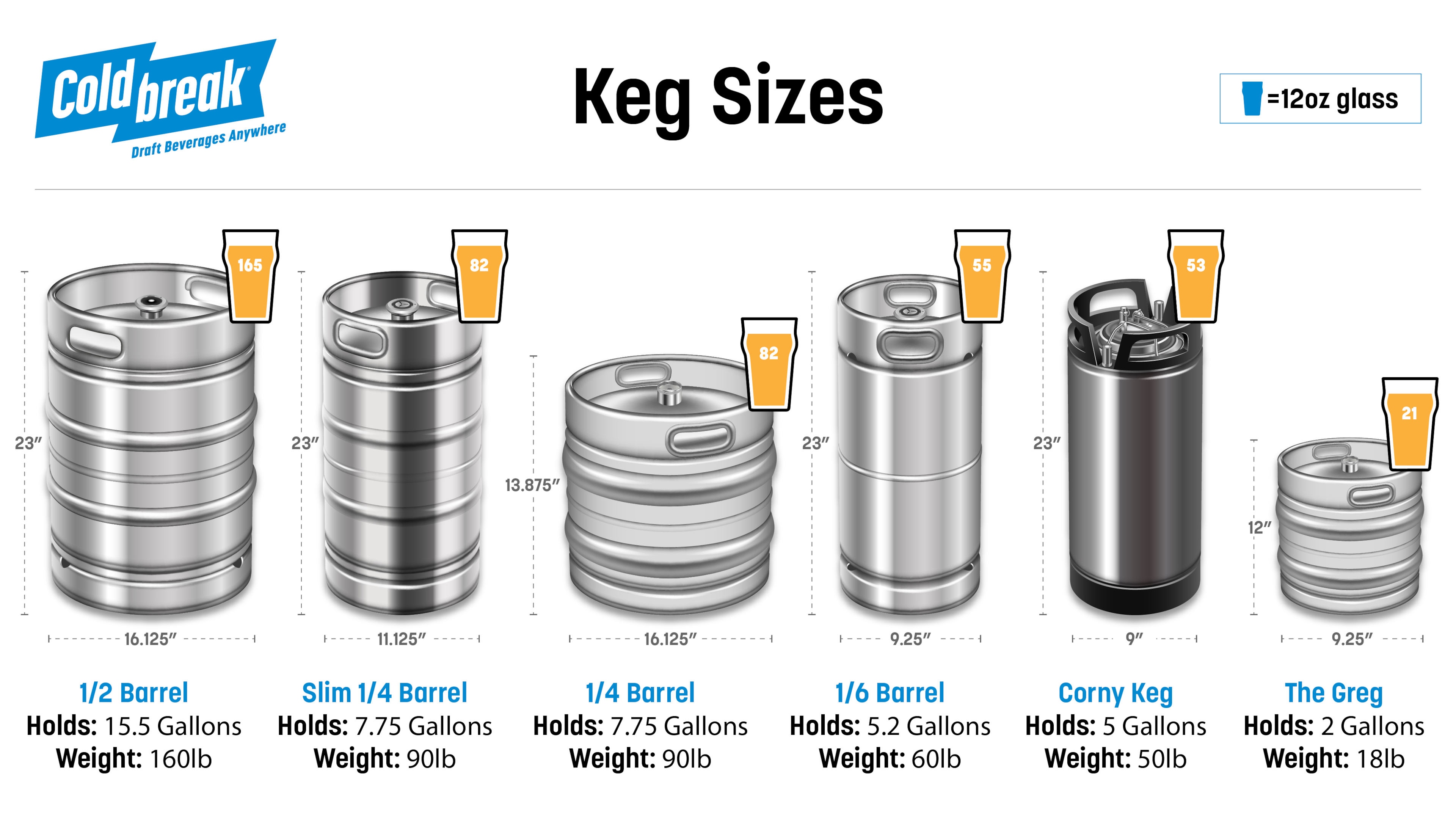
Ultimately, the best way to ensure you enjoy your kegged beer at its peak is to have a plan for drinking it! Whether it's a half-barrel or a smaller Cornelius keg, it's meant to be enjoyed. Think of it as a delicious, time-sensitive opportunity.
It's kind of like having a really amazing pizza. You could probably keep a slice in the fridge for a few days, but it’s never going to be as good as when it’s fresh out of the oven. The same applies, to a slightly lesser extent, to your kegged beer.
So, next time you’re thinking about that keg, remember these tips. Keep it cold, keep it pressurized with CO2, and most importantly, gather your friends and enjoy it! That's what it's there for, after all.