
How Hard Is It To Learn Violin
So, you've been bitten by the violin bug. Maybe you saw a street performer making magic happen, or perhaps a grandparent strummed a sweet tune. Whatever sparked the flame, you're now wondering: how tough is this little wooden wonder to tame?
Let's be honest, the violin has a bit of a reputation. It's the instrument that can sound like a strangled cat if you're not careful. And yes, there's a reason why those first few weeks, or months, can feel like you're wrestling a tiny, slippery greased pig. The bow, that long stick of horsehair, has a mind of its own. Getting it to glide smoothly across the strings, producing a nice, clear sound instead of a screech, is like teaching a toddler to walk on a tightrope. It takes patience, a lot of practice, and probably a few funny faces from sheer concentration.
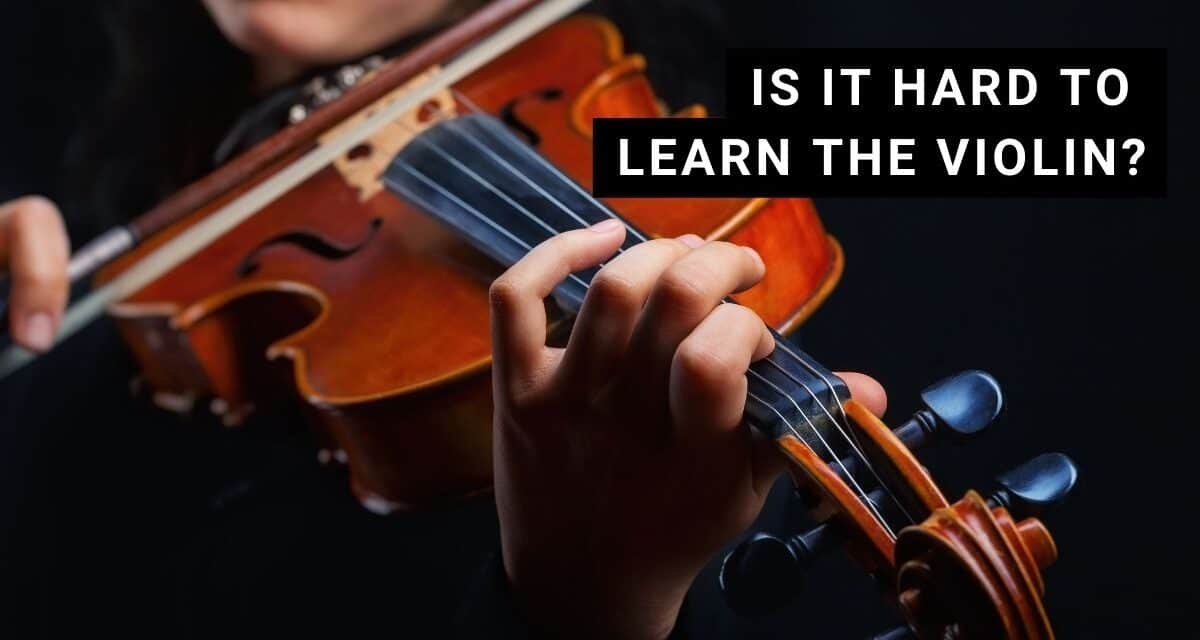
And then there are the fingers. Your left hand has to do some pretty fancy footwork. Unlike a piano, where the notes are clearly laid out, on the violin, you're making your own "keys" by pressing down on the strings. Finding the exact spot for each note, and doing it consistently, is a constant game of "hot or cold." Too far left? It's sharp. Too far right? It's flat. Your fingertips will get sore, too, a badge of honor for aspiring violinists. But don't worry, they toughen up!
Must Read
"It’s like trying to sculpt a sound out of thin air, and sometimes, you feel like you’re just making a mess."
The intonation, as the fancy folks call it, is the big boss of early violin struggles. It’s all about hitting the right pitch, every single time. Your ear has to learn to discern the subtle differences between a note that’s just right and one that’s just a hair off. This is where a good teacher is worth their weight in gold. They have ears like a hawk and can pinpoint exactly what you're doing wrong, often with a gentle tweak of your hand or a reminder to listen just a little bit closer.
But here's the secret, the heartwarming, surprisingly fun part: it’s not all about the struggle. There’s a joy in the small victories. The first time you play a recognizable tune, even if it’s just "Twinkle, Twinkle Little Star," is pure triumph. You’ve coaxed a beautiful sound out of this complex instrument. It’s like discovering you can speak a new language, a language of emotion and melody.
Think about it: the violin is an extension of yourself. It vibrates against your collarbone, resonating through your body. When you play well, it feels incredible, like you're singing with your soul. The music isn't just coming from the instrument; it's coming through you. And when you're just starting, even those "bad" notes have a certain charm. They're part of the journey, the honest, unpolished beginnings of something beautiful.
Humor is also a constant companion. We've all had those moments where the bow skids, the finger slips, and a sound emerges that makes the dog howl. But these are the memories that make the journey memorable. Your family might even start placing bets on what "new" sound the violin will produce today. It can be a source of great amusement for everyone involved, including yourself, once you can laugh about it.
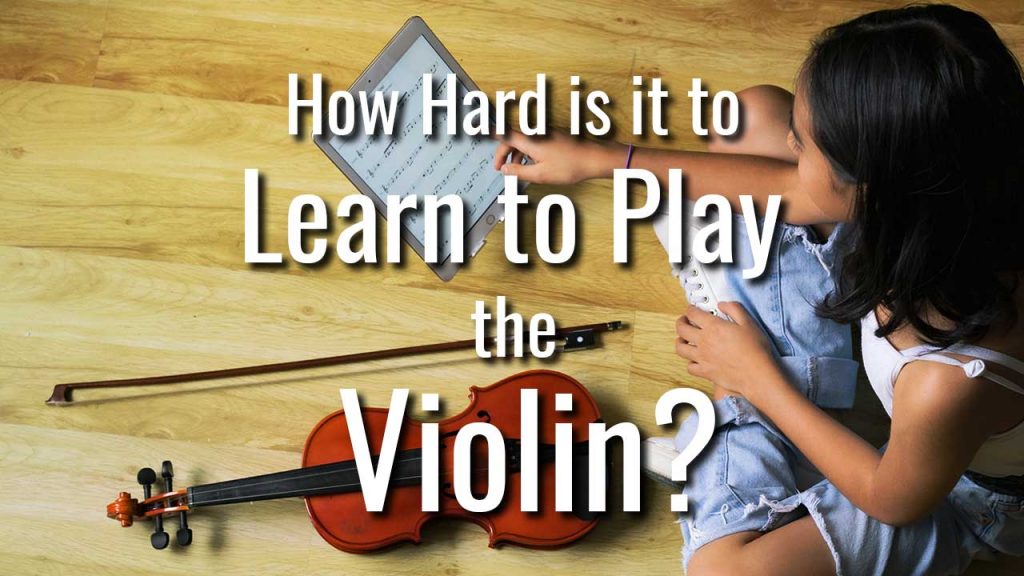
Learning the violin is a marathon, not a sprint. There will be days when you feel like you’re never going to get it, when the music feels frustratingly out of reach. But then there will be moments of pure magic. You’ll be practicing, maybe a bit mechanically, and suddenly, a phrase will just sing. The notes will flow, the bow will glide, and you’ll feel a connection to the music that’s truly special. It’s those moments that keep you going, that make all the scraped knuckles and squeaky notes worthwhile.
It’s also incredibly rewarding to see your progress. You start with single notes, then simple scales, then little melodies. Each step forward is a testament to your dedication. You might even find yourself humming along to practice pieces, or tapping your foot to the rhythm. The violin starts to become a part of you, a way to express yourself that words can't always capture.

And the sense of community! You’ll meet other people on the same journey, other cat-strangler wannabes who are striving for that perfect note. There’s a shared understanding, a camaraderie that comes from battling the same challenging, yet incredibly rewarding, instrument. Whether it’s a local orchestra, a community music class, or just jamming with friends, making music with others is a powerful experience.
So, how hard is it to learn violin? It’s challenging, no doubt. It requires dedication, patience, and a willingness to embrace the less-than-perfect moments. But it’s also incredibly fun, deeply rewarding, and full of surprising moments of beauty and humor. It's a journey that, if you stick with it, will open up a whole new world of sound and expression. And who knows, one day you might be the one enchanting the crowds, making magic happen with that little wooden wonder.


