How Fast Can A Cruise Ship Go
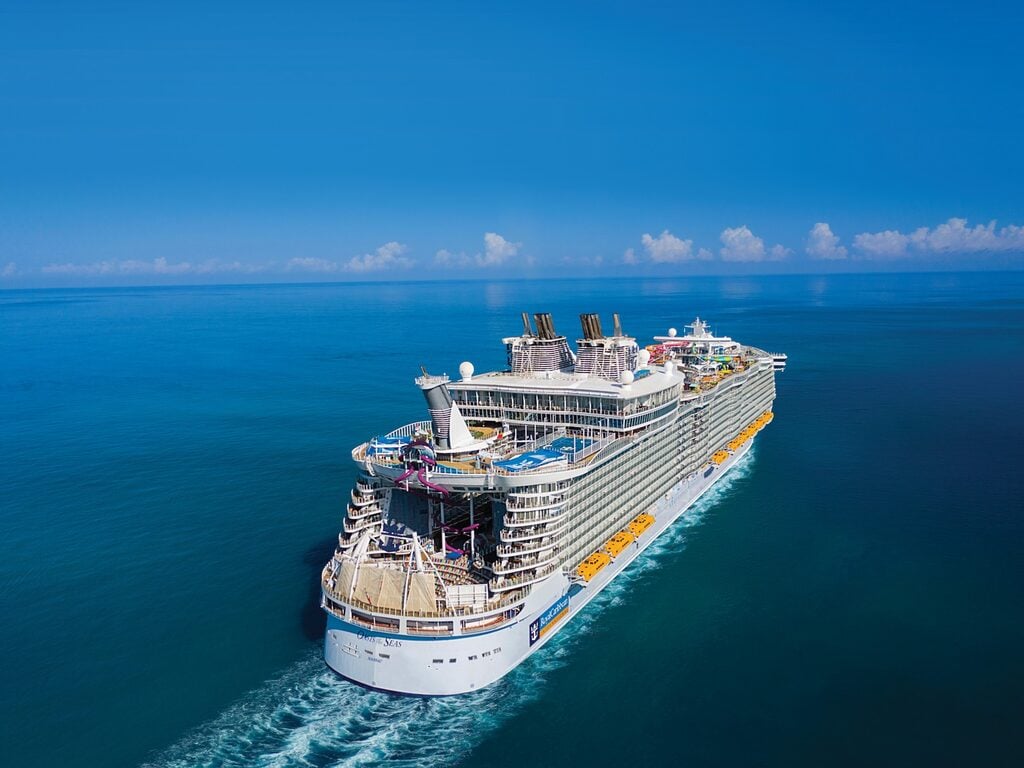
So, have you ever been standing on the deck of a cruise ship, feeling that gentle sway, watching the endless blue stretch out before you, and wondered… how fast is this thing actually going? It’s a question that pops into your head, right? It feels like you're gliding, not exactly zipping, but there's a definite sense of motion. And honestly, it's kind of cool to think about what makes these floating cities move. Let’s dive into the fascinating world of cruise ship speed, shall we?
You might be picturing these massive vessels, loaded with restaurants, pools, theaters, and thousands of people, and thinking, “There’s no way this thing can move quickly.” And you wouldn’t be entirely wrong. Cruise ships aren't exactly built for speed records. Their main job is to provide a comfortable, stable, and enjoyable experience for passengers, not to break the sound barrier.
What's the "Normal" Speed?
Generally speaking, most cruise ships tend to cruise at a speed of around 18 to 22 knots. Now, if you're not a sailor, you might be thinking, "What on earth is a knot?" A knot is a unit of speed equal to one nautical mile per hour. One nautical mile is a little longer than a land mile, about 1.15 land miles. So, 20 knots is roughly equivalent to 23 land miles per hour.
Must Read
Think about that for a second. Twenty-three miles per hour. That’s about the speed of a brisk bike ride, or a leisurely drive through a quiet neighborhood. It’s not exactly lightning-fast, but it’s enough to cover a good distance over the course of a day. If a ship travels at 20 knots for 24 hours, that’s a whopping 480 nautical miles, or about 552 land miles! That’s a serious amount of ocean covered.
So, why this particular speed range? It’s all about finding that sweet spot between getting you to your destination in a reasonable amount of time and keeping things comfortable and fuel-efficient. Imagine trying to eat your dinner or enjoy a show if the ship was rocking and rolling like crazy because it was going too fast. Not exactly the relaxing vacation vibe, is it?
The "Maximum" Speed: When They Need to Hustle
Now, what about when they do need to pick up the pace? Cruise lines often have a higher "maximum speed" they can achieve. This is typically somewhere in the range of 25 to 30 knots, which translates to roughly 29 to 34.5 land miles per hour. That’s a bit more exciting, isn't it? It’s like the difference between a stroll and a jog.
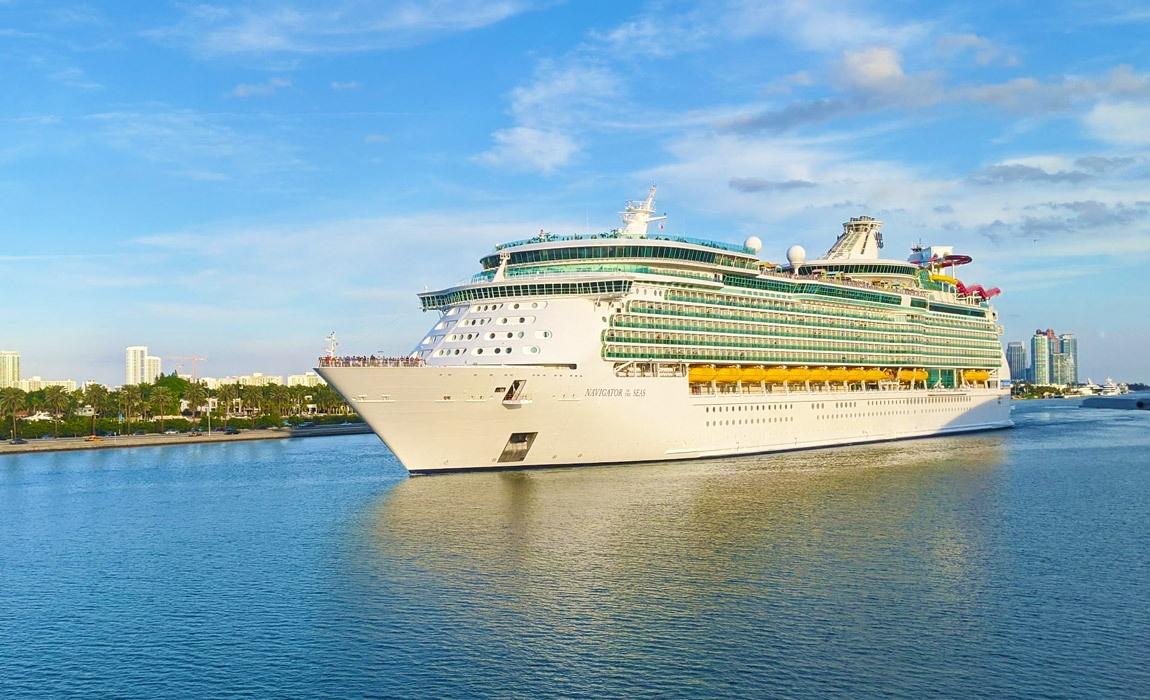
When would they need to go this fast, you ask? Well, sometimes it’s about making up time. Maybe there was a bit of a delay in port, or perhaps the weather forecast is looking a little…choppy ahead, and they want to get through a rough patch quicker. It’s like when you’re driving and you realize you’re running a little late, so you might pick up the pace a bit. The captain has to make those decisions, balancing efficiency with passenger comfort.
It’s also worth noting that pushing a ship to its maximum speed requires a lot more fuel. Think of it like driving your car. When you put your foot down, your gas mileage plummets, right? Cruise ships are no different. They’re huge, heavy machines, and moving them quickly uses a tremendous amount of energy. So, while they can go faster, it’s not something they do all the time.
What Makes Them Go? The Powerhouse Behind the Glide
So, how are these behemoths propelled? They’re powered by some seriously impressive engines, often a combination of diesel engines and gas turbines. These aren’t your average car engines, mind you. We’re talking about engines that generate tens of thousands, even hundreds of thousands, of horsepower! To give you a comparison, a typical family car might have around 150-250 horsepower. A cruise ship engine is like having thousands of those cars working together to push that massive hull through the water.

These engines drive giant propellers, which are essentially huge, rotating blades that churn the water and push the ship forward. You can sometimes see these propellers if you’re lucky enough to be on a lower deck or looking over the stern. They’re massive, industrial works of art, designed to move an incredible amount of water with each rotation.
Some newer, more technologically advanced ships might also use azipods, which are essentially steerable propeller units that can rotate 360 degrees. This gives them incredible maneuverability, especially when docking. It’s like having a giant, powerful thruster that can turn in any direction, making those tight turns in port much easier.
Why Not Go Faster? It's All About the Experience (and the Money!)
You might still be wondering, “Why not just make them go as fast as possible all the time? Wouldn’t that be more exciting?” Well, as we touched on, there are a few key reasons. First, fuel efficiency. As mentioned, going faster burns a lot more fuel, and fuel is a significant cost for any cruise line. They’re always looking for ways to optimize their operations, and that often means cruising at a more economical speed.
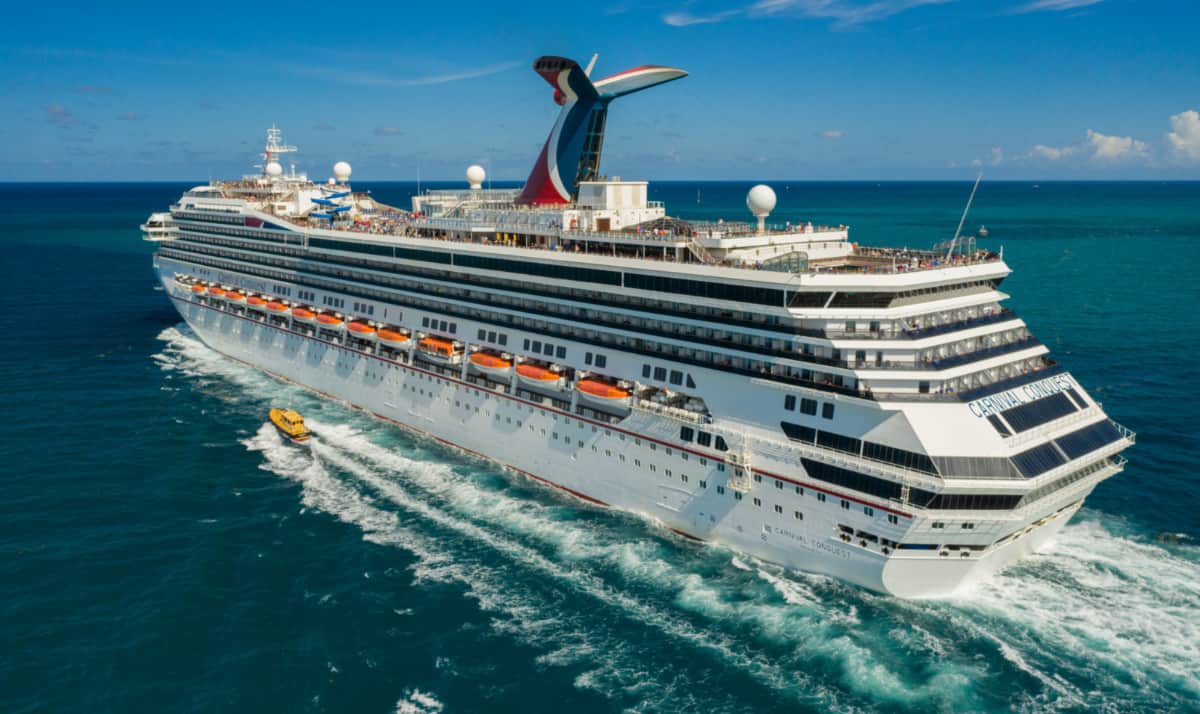
Second, passenger comfort. Imagine being on a roller coaster, but for days on end. Not ideal, right? A smoother, more stable ride is a major part of the appeal of a cruise. If the ship were going too fast, especially in certain sea conditions, it would lead to a lot more pitching and rolling, making people feel seasick and generally uncomfortable. They want you to be able to walk around, enjoy your meals, and sleep soundly.
Third, port schedules and logistics. Cruise ships operate on a tight schedule. They need to arrive in ports at specific times to allow passengers to disembark, tours to begin, and supplies to be loaded. If a ship was consistently arriving hours ahead of schedule because it was going too fast, it would disrupt the entire flow of the cruise. It’s a finely tuned operation.
And finally, there's the sheer physics of it all. The resistance of water increases dramatically with speed. Pushing a massive object like a cruise ship through water is like trying to swim through thick honey. The faster you try to go, the more energy it takes to overcome that resistance. It’s a constant battle against the ocean.
Fun Comparisons to Keep You Hooked
So, let’s put these speeds into perspective. That cruising speed of 20 knots (23 mph) is roughly the speed of:
- A moderately fast cyclist.
- A school bus on a typical route.
- A horse at a gallop.
And that maximum speed of 25-30 knots (29-34.5 mph) is about the speed of:
- A fast-moving car in a suburban area.
- A sprinter in a 100-meter race (for a very short burst, obviously!).
- A very speedy speedboat.
It's kind of funny to think that while you're relaxing on a giant floating hotel, you're moving at a speed that's comparable to things we consider relatively mundane on land. It’s a testament to the incredible engineering and scale of these ships.
The next time you’re on a cruise, take a moment to look out at the water. Feel that gentle movement. It’s a powerful, yet surprisingly serene, experience. And knowing that this massive vessel is smoothly gliding through the ocean at speeds that are both efficient and comfortable, well, that’s pretty cool, isn’t it? It's a little piece of engineering marvel, making its way across the waves, carrying you on your next adventure.